Felt palm leaf pillow DIY: Want to add a touch of natural charm and handcrafted beauty to your home? Creating your own felt palm leaf pillows is a fun and rewarding project that’s perfect for beginners and experienced crafters alike.
These pillows offer a unique blend of rustic appeal and modern sophistication, making them a versatile addition to any interior design style.
Beyond their aesthetic appeal, felt palm leaf pillows are also a sustainable and eco-friendly choice. Felt is made from natural fibers like wool, and crafting these pillows allows you to create something beautiful while minimizing your environmental impact. Plus, the process of making these pillows is surprisingly simple, making it a perfect project for a relaxing afternoon or a fun weekend activity.
Felt Palm Leaf Pillows: A Touch of Nature for Your Home
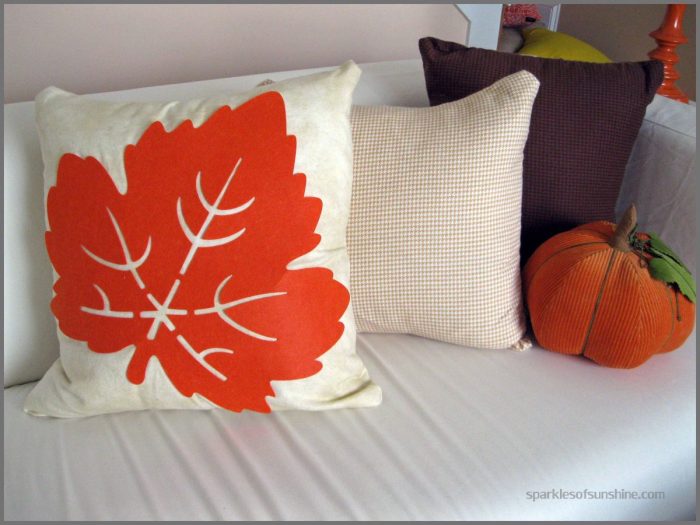
Felt palm leaf pillows are a delightful addition to any home, offering a unique blend of natural charm and modern design. Their intricate textures and organic shapes bring a touch of the tropics indoors, creating a warm and inviting atmosphere.
These pillows effortlessly blend into various interior design styles, from bohemian and coastal to minimalist and contemporary, adding a touch of whimsy and sophistication.
Eco-Friendly and Sustainable
Beyond their aesthetic appeal, felt palm leaf pillows embody eco-consciousness. Felt, a natural material derived from wool, is biodegradable and renewable. The use of natural fibers minimizes the environmental impact associated with synthetic materials, making these pillows a sustainable choice for your home decor.
Moreover, the use of palm leaves, a readily available and renewable resource, further emphasizes the eco-friendly nature of these pillows.
Materials and Tools
Crafting felt palm leaf pillows requires a few basic materials and tools. You can easily find these items at craft stores or online retailers. This project is great for beginners and experienced crafters alike. The process is relatively straightforward and allows for creative customization with various colors and designs.
Felt and Stuffing
Felt is the primary material for creating the palm leaf shapes. You’ll need felt in various shades of green to create a realistic and vibrant look.
- Felt in various shades of green:Choose a range of green shades, from light to dark, to create depth and dimension in your palm leaves. You can use felt scraps or buy pre-cut sheets for convenience.
- Stuffing:Choose a high-quality stuffing material for your pillows. Polyfill is a popular and affordable option, providing a soft and fluffy feel. Other options include fiberfill, cotton batting, or even recycled materials like old clothes or fabric scraps.
Sewing Supplies
You’ll need some basic sewing supplies to stitch your felt palm leaves together.
- Scissors:A pair of sharp scissors is essential for cutting the felt into the desired shapes. Choose a pair that’s comfortable to hold and has a sharp blade for precise cuts.
- Sewing needles:Select needles that are appropriate for the thickness of your felt. You’ll need a needle for hand-sewing and possibly another for a sewing machine if you’re using one.
- Thread:Choose a thread that matches the color of your felt. You can also use contrasting colors for a more decorative look.
- Sewing machine (optional):A sewing machine can speed up the process of stitching the felt pieces together. However, it’s not necessary. You can hand-sew the pillows if you prefer.
Alternative Materials and Tools, Felt palm leaf pillow diy
For budget-conscious or eco-conscious crafters, there are alternative materials and tools you can use.
- Recycled materials:Instead of buying new felt, you can use old clothing or fabric scraps. This is a great way to repurpose materials and reduce waste.
- Natural stuffing:Instead of synthetic stuffing, you can use natural materials like wool or cotton batting. These options are often more sustainable and biodegradable.
- Hand-sewing:If you don’t have a sewing machine, you can hand-sew your pillows. This can be a more time-consuming process, but it can also be a relaxing and enjoyable activity.
Design and Pattern Creation
Crafting felt palm leaf pillows involves a delightful blend of creativity and precision. You can explore various shapes, sizes, and textures to create unique and charming pieces that add a touch of nature to your home. Let’s delve into the world of design and pattern creation, unlocking the secrets to crafting these beautiful pillows.
Creating a Basic Palm Leaf Pattern
To create a basic palm leaf pattern, you can utilize readily available materials like paper or fabric. This simple process lays the foundation for your pillow design.
- Gather your materials:You’ll need paper or fabric, a pencil or pen, scissors, and a ruler.
- Sketch the leaf shape:Begin by sketching the Artikel of a palm leaf on your chosen material. Consider the shape of a real palm leaf for inspiration. Remember, you can adjust the length and width of the leaf to fit your desired pillow size.
- Add details:Once you have the basic leaf shape, add details like veins, folds, or a textured edge to create a more realistic look.
- Cut out the pattern:Carefully cut out your palm leaf pattern, ensuring clean and precise edges.
Adjusting the Pattern for Pillow Dimensions
The size and shape of your pattern directly impact the final dimensions of your pillow.
“Adjusting the pattern is crucial to achieve the desired pillow size. For example, if you want a pillow that’s 16 inches long, you’ll need to make sure your pattern is at least 16 inches long to account for the seam allowance.”
- Measure the desired pillow size:Determine the length, width, and thickness of your desired pillow. Remember to consider the seam allowance when creating your pattern.
- Adjust the pattern accordingly:If you’re using a pre-made pattern, carefully adjust the dimensions to match your desired pillow size. For example, if you want a larger pillow, you’ll need to enlarge the pattern. Conversely, if you want a smaller pillow, you’ll need to shrink the pattern.
- Experiment with different shapes:Don’t be afraid to experiment with different shapes and sizes. You can create pillows that are long and narrow, short and wide, or even round.
Cutting and Sewing the Felt Pieces: Felt Palm Leaf Pillow Diy
Now that you have your pattern ready, it’s time to cut out the felt pieces for your palm leaf pillows. Accurate cutting is crucial for achieving a neat and professional finish. The process involves carefully transferring the pattern onto the felt fabric and cutting along the lines with sharp scissors.
Cutting the Felt Pieces
To cut the felt pieces for your palm leaf pillows, you will need to follow these steps:
- Place the pattern pieces onto the felt fabric, making sure they are aligned correctly.
- Secure the pattern pieces to the felt fabric with pins to prevent shifting.
- Use sharp scissors to carefully cut around the pattern pieces.
- Repeat the process for all the felt pieces needed for your palm leaf pillow.
Tips for Cutting Felt
Felt is a relatively easy fabric to cut, but there are a few tips that can help you achieve smooth, clean edges:
- Use sharp scissors designed for fabric cutting.
- Cut slowly and carefully to avoid fraying.
- If you need to make a curved cut, use small snips to create a smooth curve.
- Avoid stretching the felt fabric while cutting, as this can distort the shape.
Sewing the Felt Pieces
Once you have cut out all the felt pieces, you can begin sewing them together. The specific sewing techniques will depend on the design of your palm leaf pillow. However, some general tips for sewing felt include:
- Use a sewing machine with a needle designed for felt.
- Choose a thread color that blends well with the felt fabric.
- Sew slowly and carefully to avoid puckering the felt.
- Use a backstitch at the beginning and end of each seam to secure the stitching.
Assembling the Pillow
Now that you have all the felt pieces cut and ready, it’s time to bring your palm leaf pillow to life. The assembly process is straightforward and involves sewing the felt pieces together to create the pillow’s outer shell. This section will guide you through the steps, providing tips for achieving a durable and attractive finish.
Sewing the Palm Leaf Pieces
Start by laying out the felt pieces in the order they will be sewn together. This step is crucial for ensuring the palm leaf pattern flows seamlessly. Using a sewing machine or needle and thread, sew the felt pieces together, aligning the edges carefully.
The choice of sewing method depends on your preference and the desired look. For a more durable finish, consider using a backstitch or a zigzag stitch. If you’re using a sewing machine, select a stitch length that creates a secure seam without being too bulky.
For a more delicate look, use a straight stitch with a smaller stitch length.
Securing the Seams
Once the pieces are sewn together, reinforce the seams by using a fabric glue or a fabric adhesive. This extra step ensures the seams are secure and prevents them from unraveling over time. Apply the glue or adhesive to the seam allowance, pressing the felt pieces together firmly.
Allow the glue or adhesive to dry completely before moving on to the next step.
I love the cozy vibe of a felt palm leaf pillow, and it’s so easy to DIY! But sometimes, I want to add a touch of that same cozy feeling to my kitchen. That’s where a built-in breakfast nook comes in! A built-in breakfast nook can make your kitchen feel more inviting and create a great space to relax and enjoy your morning coffee.
After a relaxing breakfast in my nook, I love coming back to my DIY projects, like making more felt palm leaf pillows!
Alternative Assembly Methods
While sewing is the traditional method for assembling felt projects, you can also explore alternative methods like using fabric glue or fabric adhesive. These methods are particularly useful for those who don’t have a sewing machine or prefer a faster assembly process.
- Fabric glue: Apply a thin layer of fabric glue to the edges of the felt pieces, aligning them carefully. Press the pieces together firmly and allow the glue to dry completely. This method is quick and easy but may not be as durable as sewing.
- Fabric adhesive: Fabric adhesive is a strong adhesive that can be used to bond felt pieces together. Apply a thin layer of adhesive to the edges of the felt pieces and press them together firmly. Allow the adhesive to dry completely before moving on to the next step.
I love the way my felt palm leaf pillow DIY project turned out! The vibrant green and textured fabric really brings a touch of nature indoors. While I was working on it, I actually started thinking about how to style my hair to match the tropical vibe.
That’s when I remembered the upside down braided top knot tutorial I saw online. It’s so chic and easy to do, perfect for adding a bit of flair to my look. Now, I’m just waiting for the perfect sunny day to show off my new pillow and hairstyle together!
Remember to choose the method that best suits your needs and preferences. Regardless of the chosen method, ensure the felt pieces are aligned correctly and the seams are secure. This step is crucial for creating a durable and attractive palm leaf pillow.
Filling and Finishing the Pillow
Now that your felt palm leaf pillow is sewn, it’s time to give it some substance and bring it to life. This is the exciting part where you get to choose the right filling and create a pillow that feels as good as it looks.
Making a felt palm leaf pillow is a fun and rewarding project, especially if you’re looking for a unique and eco-friendly way to add a touch of tropical charm to your home. The process is surprisingly simple, and the finished product is a delightful conversation starter.
Speaking of unique, did you know that Donald Trump is selling watches? You can check out his collection here. But back to the felt palm leaf pillow, it’s a project that’s sure to bring a smile to your face, and perhaps even a little bit of sunshine into your home.
Types of Stuffing
The type of stuffing you choose can significantly impact the feel and support of your pillow. Here’s a breakdown of some popular options:
- Polyester Fiberfill:This is a common and affordable choice. It’s lightweight, soft, and easy to work with. However, it can tend to clump over time, making the pillow less supportive.
- Cotton Filling:Natural cotton filling provides a soft and breathable feel. It’s a good choice for those who prefer a more natural and eco-friendly option. However, it can be more expensive than polyester and may need fluffing more often.
- Down or Feather Filling:This is the ultimate luxury choice, known for its incredible softness and loft. However, it’s also the most expensive option and requires more care and maintenance. Down and feather filling may not be suitable for people with allergies.
- Foam Beads:These beads offer a unique texture and a good level of support. They’re also relatively lightweight and easy to mold. However, foam beads can be noisy when you move the pillow.
Filling the Pillow
- Choose your stuffing:Decide on the type of filling that best suits your needs and preferences.
- Prepare the pillow:Lay the pillow flat and leave the opening unclosed. This will make it easier to fill.
- Add the filling:Start by adding a small amount of filling, then gently pat and fluff it into place. Don’t overstuff the pillow; aim for a comfortable level of firmness.
- Evenly distribute the filling:Make sure the filling is distributed evenly throughout the pillow. You can use your hands or a tool like a spoon to help distribute the filling.
- Close the opening:Once you’re happy with the filling, carefully close the opening using a hidden stitch or a button.
Finishing Touches
- Fluff and shape:After filling, give your pillow a good fluff and shape to ensure it looks its best.
- Decorate:You can add decorative elements like buttons, embroidery, or beads to further enhance the pillow’s appearance.
Variations and Customization
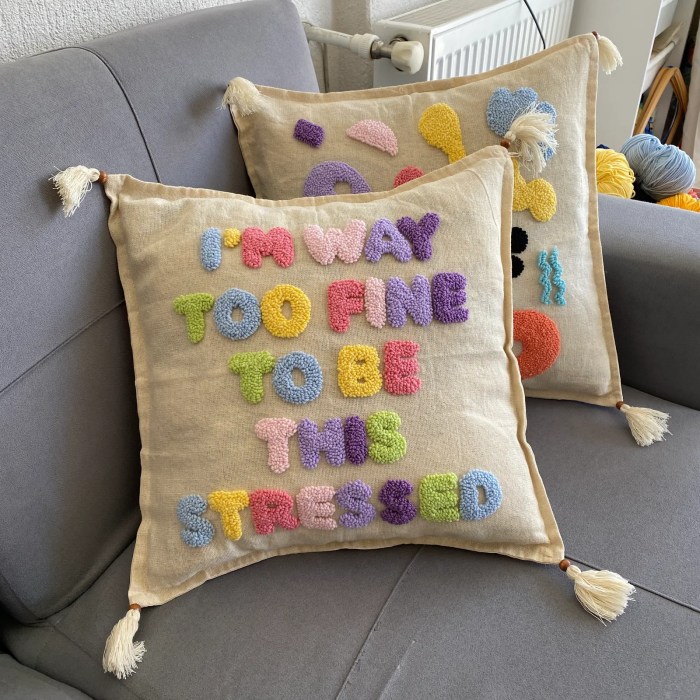
Felt palm leaf pillows offer a wonderful canvas for creativity, allowing you to personalize them to perfectly match your style and preferences. Beyond the basic design, there are countless ways to add your own unique touch and create truly special pieces.
Embellishments and Textures
Adding embellishments can elevate the design of your felt palm leaf pillows and create a more intricate and visually appealing look. Here are some ideas:
- Beads:Adding beads of various sizes and colors along the edges of the leaves or in the center of the palm frond can create a shimmering and eye-catching effect. For example, using small, iridescent beads can add a touch of sparkle, while larger, wooden beads can create a more rustic and natural look.
- Buttons:Decorative buttons can be used to add pops of color and texture to the pillow. You can sew them onto the leaves or use them as accents for the center of the frond. For a vintage touch, consider using antique buttons with unique designs.
- Embroidery:Adding embroidery details to the felt leaves can create a more refined and personalized look. You can stitch simple patterns, like swirls or dots, or create more intricate designs like flowers or animals.
- Fringe:Attaching felt fringe to the edges of the leaves can create a playful and whimsical look. You can use a single color of fringe or create a multi-colored effect for a more vibrant design.
Color Combinations
The choice of felt colors is crucial for creating a desired aesthetic. Experimenting with different shades and hues can bring your pillows to life.
- Monochromatic:Using different shades of the same color, like green or brown, can create a calming and sophisticated look. This approach is perfect for minimalist interiors.
- Complementary Colors:Pairing opposite colors on the color wheel, such as green and red or blue and orange, creates a vibrant and eye-catching contrast. This option is ideal for adding a bold statement to your space.
- Analogous Colors:Using colors that are adjacent on the color wheel, like blue, green, and yellow, creates a harmonious and balanced look. This approach is great for creating a sense of tranquility.
Personalized Pillows for Occasions and Themes
Felt palm leaf pillows can be customized to create unique gifts for special occasions or to match specific themes.
- Birthday:Create a personalized pillow with the recipient’s initials or a special message embroidered on the leaves. You can also use their favorite colors or patterns.
- Holidays:For the holidays, you can create themed pillows with festive colors and embellishments. For example, a Christmas pillow could feature red and green felt, snowflake embellishments, and a “Merry Christmas” embroidery.
- Travel:Create a pillow that reflects the recipient’s love for travel. You can use felt colors that represent different countries or incorporate travel-themed embellishments like airplanes or suitcases.
Display and Care
Felt palm leaf pillows, with their unique texture and vibrant colors, add a touch of natural charm to any space. Their versatility allows them to be incorporated into various settings, enhancing the ambiance and adding a pop of personality.
To ensure that these handcrafted treasures remain beautiful and functional for years to come, understanding their care is essential.
Displaying Felt Palm Leaf Pillows
These pillows can be displayed in various settings, bringing a touch of nature indoors.
- On a sofa or armchair: Place them strategically to create a visually appealing contrast against solid-colored upholstery. Their soft texture adds a layer of comfort and warmth.
- On a bed: These pillows can elevate the aesthetic of a bedroom, adding a touch of whimsy to the bedding. They can be placed at the head of the bed, creating a cozy and inviting atmosphere.
- On a bench or window seat: These pillows can transform a simple bench or window seat into a cozy reading nook. Their unique design adds a touch of personality and invites relaxation.
- As decorative accents: Felt palm leaf pillows can be used as standalone decorative pieces on shelves, coffee tables, or side tables. Their vibrant colors and intricate details can serve as focal points, adding a touch of nature and warmth to the room.
Maintaining Felt Palm Leaf Pillows
Felt, known for its durability and resilience, requires minimal care to maintain its beauty and longevity.
- Regular dusting: Use a soft brush or a vacuum cleaner with a upholstery attachment to remove dust and debris. This prevents the accumulation of dirt and helps maintain the vibrant colors of the felt.
- Spot cleaning: For minor stains, use a damp cloth with a mild detergent. Gently blot the stain, avoiding harsh scrubbing. Allow the pillow to air dry completely.
- Avoid direct sunlight: Prolonged exposure to direct sunlight can cause the felt to fade. Place the pillows in areas with indirect light or use curtains or blinds to filter the sunlight.
- Proper storage: When not in use, store the pillows in a dry, cool place. Avoid storing them in damp or humid environments, as this can lead to mildew or mold growth.
Cleaning Felt
Felt, a material made from compressed fibers, requires a gentle approach when cleaning.
- Dry cleaning: For deep cleaning, consider dry cleaning the felt pillows. This method is effective in removing deep-seated dirt and stains while preserving the texture and color of the felt.
- Hand washing: For minor stains or light cleaning, hand washing can be an option. Use cold water and a mild detergent. Gently agitate the pillow in the water and avoid wringing or twisting. Rinse thoroughly and allow the pillow to air dry completely.
- Avoid machine washing: Machine washing can damage the felt, causing it to shrink, lose its shape, or become matted. Always hand wash or dry clean felt pillows to maintain their integrity.