
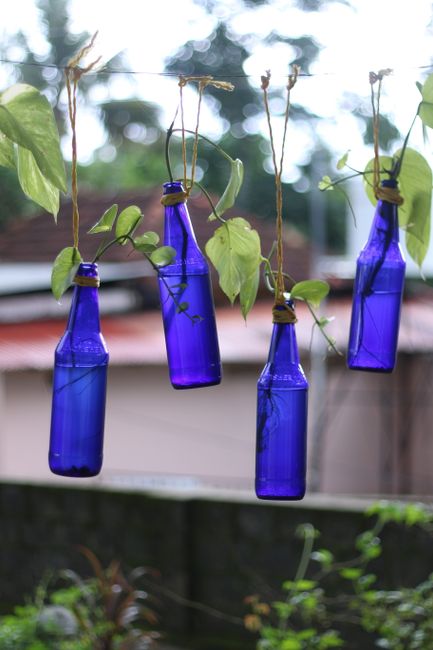
5 Easy DIY Glass Planters: Transform Your Space with Stunning, Budget-Friendly Greenery
Creating beautiful and functional planters for your houseplants doesn’t require extensive crafting skills or a hefty budget. DIY glass planters offer a stylish, modern, and remarkably easy way to showcase your greenery while adding a touch of personality to your home decor. These projects are perfect for beginners and experienced crafters alike, allowing you to repurpose common household items into stunning vessels for your favorite plants. Beyond their aesthetic appeal, glass planters allow for excellent visibility of root systems, making it easier to monitor moisture levels and plant health. This article will guide you through five accessible DIY glass planter projects, each designed for simplicity, visual impact, and long-term plant success. We will cover materials, step-by-step instructions, and tips for customization and plant selection, ensuring you can embark on these creative endeavors with confidence.
1. The Simple Mason Jar Terrarium Planter
The mason jar is a quintessential DIY staple, and its versatility extends beautifully to creating charming terrarium planters. This project is ideal for small, moisture-loving plants like ferns, mosses, and small succulents that thrive in a humid environment. The clear glass allows for a captivating view of the soil layers and root growth, adding a dynamic element to your plant display.
Materials:
- Clean Mason Jars (various sizes are encouraged for visual interest)
- Small Pebbles or Gravel (for drainage layer)
- Activated Charcoal (optional, but recommended for odor control and filtering impurities)
- Potting Mix (appropriate for your chosen plants, e.g., succulent mix, peat-based potting soil)
- Small Plants (e.g., air plants, small ferns, baby tears, creeping fig, small succulents)
- Decorative Elements (e.g., moss, small stones, twigs, miniature figurines)
- Long Tweezers or Chopsticks (for precise placement)
- Spray Bottle (for watering)
Instructions:
- Clean Your Mason Jars: Thoroughly wash and dry your mason jars to ensure a clean environment for your plants. Remove any labels.
- Create the Drainage Layer: Add a layer of small pebbles or gravel to the bottom of each mason jar, approximately 1-2 inches deep, depending on the jar size. This layer is crucial for preventing waterlogged soil and root rot.
- Add Activated Charcoal (Optional): If using, spread a thin layer of activated charcoal over the pebbles. This layer acts as a natural filter, absorbing toxins and preventing unpleasant odors from developing in the closed environment.
- Introduce the Potting Mix: Add your chosen potting mix on top of the drainage layer. The amount of soil will depend on the root ball size of your plants. Aim for enough soil to comfortably accommodate the roots without filling the jar to the brim. Leave some space at the top for watering and plant growth.
- Plant Selection and Preparation: Carefully remove your chosen small plants from their nursery pots. Gently loosen any tightly bound roots. If using plants with delicate root systems, be extra cautious.
- Planting: Using long tweezers or chopsticks, carefully place each plant into the mason jar, positioning them within the soil. Gently firm the soil around the base of each plant to ensure it is stable. For a more artistic arrangement, consider planting multiple small plants in a larger jar, creating a mini ecosystem.
- Add Decorative Elements: Once the plants are in place, use your tweezers or chopsticks to add decorative elements. Arrange mosses around the base of plants, place small stones for visual interest, or embed twigs for a natural look. Miniature figurines can add a whimsical touch.
- Initial Watering: Lightly mist the soil and plants with water using a spray bottle. The goal is to moisten the soil, not to saturate it. For terrariums, it’s often better to underwater initially and add more as needed.
- Placement and Care: Place your mason jar terrarium in a location that receives appropriate light for your chosen plants. For most terrariums, bright, indirect light is ideal. Monitor the moisture levels closely. If condensation builds up heavily on the inside of the glass, the terrarium may be too wet. If the soil appears dry and there is no condensation, it’s time to mist again. Opened terrariums (those without lids) will require more frequent watering.
SEO Keywords: DIY glass planter, mason jar planter, terrarium DIY, easy plant projects, beginner planter ideas, indoor gardening, small plant planters, succulent terrarium, fern terrarium, repurposed jars.
2. The Elegant Wine Bottle Vertical Planter
Repurposing empty wine bottles into vertical planters offers a sophisticated and space-saving solution for displaying trailing plants or herbs. This project requires a bit more finesse but results in a truly unique and eye-catching piece. The key to this project is safely cutting the wine bottle.
Materials:
- Empty Wine Bottles (clean and labels removed)
- Glass Cutter Tool (scoring wheel type is recommended)
- Sandpaper (fine-grit)
- Gloves (for safety)
- Safety Glasses (essential)
- Hot and Cold Water (for thermal shock)
- Small Plants or Cuttings (e.g., pothos, ivy, spider plants, herbs like basil or mint)
- Potting Mix
- Small Funnel (optional, for adding soil)
- Wall Mounts or Hooks (for hanging)
- Drill (if mounting to a wall)
Instructions:
- Prepare the Wine Bottle: Thoroughly clean the inside and outside of the wine bottle and remove all labels.
- Score the Bottle: Put on your gloves and safety glasses. Using the glass cutter tool, score a continuous line around the circumference of the wine bottle where you want to cut it. This typically occurs about one-third of the way up from the bottom. Apply even pressure and rotate the bottle slowly to create a clean score line.
- Induce Thermal Shock: Prepare two basins of water: one with hot (not boiling) water and one with cold water. Carefully dip the scored line into the hot water for a few seconds, then immediately immerse it in the cold water. Repeat this process of alternating between hot and cold water. The thermal shock will cause the glass to fracture along the score line. Be patient; this may take several attempts.
- Smooth the Edges: Once the bottle has separated into two pieces, carefully sand the cut edges of both pieces with fine-grit sandpaper. This is crucial for safety to remove any sharp edges. You may want to use a bit of water while sanding to keep dust down and create a smoother finish.
- Prepare the Bottom Section: The larger bottom section of the wine bottle will serve as the planter. Ensure the cut edge is smooth.
- Plant Selection and Preparation: Choose plants that are suitable for a vertical planter. Trailing plants work exceptionally well. For cuttings, ensure they have roots or are in a stage where they will readily root in the soil.
- Add Potting Mix: Using a small funnel if needed, carefully add potting mix into the bottom section of the wine bottle. Fill it to a level that will accommodate your plant’s roots.
- Planting: Gently insert your plant or cuttings into the soil. If planting cuttings, angle them so they will trail downwards. Add more soil as needed, firming gently around the base of the plant.
- Watering: Lightly water the soil. Since the planter is open at the top, watering will be similar to a traditional pot, but be mindful of the limited space.
- Hanging the Planter: Decide how you will display your vertical planter. You can use sturdy wall mounts, hooks, or even create a macrame hanger. If mounting to a wall, ensure the mounts are secure and can support the weight of the planter with soil and a plant. If hanging, ensure your chosen hanging method is robust.
SEO Keywords: Vertical planter DIY, wine bottle planter, recycled glass planters, hanging plants DIY, herb garden vertical, space-saving planters, unique plant holders, beginner glass cutting, upcycled decor, indoor herb garden.
3. The Chic Wide-Mouth Jar with Decorative Wrap
This project elevates a simple wide-mouth glass jar into a chic planter with a touch of personalized style. By adding a decorative wrap, you can easily customize the look to match your interior decor, making it a focal point in any room. This method is exceptionally versatile for various plant sizes.
Materials:
- Wide-Mouth Glass Jars (e.g., pickle jars, large jam jars, apothecary jars)
- Decorative Wrapping Material (e.g., twine, jute rope, colorful yarn, ribbon, fabric scraps)
- Hot Glue Gun and Glue Sticks
- Scissors
- Potting Mix
- Plants (any type that fits the jar size)
- Optional: Paint (acrylic or spray paint) for the lid, decorative embellishments (beads, charms)
Instructions:
- Clean and Prepare the Jar: Thoroughly wash and dry your wide-mouth glass jar. Remove any labels. If you plan to paint the lid, do so now and allow it to dry completely.
- Prepare Your Wrapping Material: Cut your chosen wrapping material to the desired length. You may need to experiment with the length to ensure it covers the jar adequately with a bit of overlap for securing.
- Begin Wrapping: Apply a line of hot glue near the bottom of the jar. Press the end of your wrapping material firmly into the glue and hold until it sets.
- Continue Wrapping: Work your way up the jar, applying hot glue in sections and pressing the wrapping material firmly into the glue as you go. Ensure the material is taut and evenly distributed. If using twine or rope, you can wrap it tightly for a rustic look or loosely for a more bohemian feel.
- Secure the Top: Once you reach the desired height, apply a final line of hot glue and secure the end of your wrapping material. Trim any excess.
- Add Embellishments (Optional): If you wish, you can add decorative embellishments by hot-gluing beads, charms, or small fabric pieces onto the wrapping.
- Plant Selection and Preparation: Choose plants that are well-suited to the size of your jar. Ensure the jar has adequate drainage if it doesn’t have a drainage hole (you can achieve this with a drainage layer as described in the mason jar project).
- Planting: Add a layer of potting mix to the jar. Gently place your plant into the soil and add more potting mix around the roots, firming gently.
- Watering: Water your plant according to its needs. If your jar does not have drainage holes, be extremely careful not to overwater, as excess water has nowhere to escape.
SEO Keywords: DIY decorative planter, glass jar planter, twine wrapped planter, yarn planter, farmhouse planter, bohemian planter, easy plant decor, upcycled jar planter, custom planters, wide mouth jar crafts.
4. The Modern Cylinder Vase Plant Holder
Cylinder vases, often found in floral arrangements, can be readily transformed into sleek and modern plant holders. This project is ideal for plants that prefer consistent moisture and can tolerate slightly less aeration, or for those employing a hydroponic setup.
Materials:
- Clear Glass Cylinder Vases (various heights and diameters)
- Potting Mix or Hydroponic Medium (e.g., perlite, LECA balls)
- Plants (suitable for hydroponics or well-draining soil)
- Optional: Decorative Stones or Glass Beads (for the top layer)
- Optional: Water (for hydroponics)
- Optional: Nutrient Solution (for hydroponics)
Instructions:
- Clean Your Cylinder Vases: Thoroughly wash and dry your glass cylinder vases.
- Method A: Soil-Based Planter:
- Drainage Layer (If necessary): If your vase lacks a drainage hole, add a layer of pebbles or gravel at the bottom.
- Add Potting Mix: Fill the vase with potting mix, leaving enough space for your plant’s root ball.
- Planting: Gently place your plant into the soil and add more potting mix around the roots, firming gently.
- Top Layer (Optional): You can add a layer of decorative stones or glass beads on top of the soil for a polished look and to help retain moisture.
- Method B: Hydroponic Planter:
- Add Hydroponic Medium: Fill the cylinder vase with your chosen hydroponic medium, such as perlite or LECA balls.
- Prepare Plant: Gently remove your plant from its soil, carefully washing away as much soil as possible from the roots.
- Planting: Insert the plant into the hydroponic medium, ensuring the roots are well-supported by the medium.
- Add Water and Nutrients: Fill the vase with water, ensuring the water level is below the crown of the plant to prevent rot. Add a nutrient solution according to the product’s instructions.
- Watering/Maintenance:
- Soil-Based: Water according to your plant’s needs, being careful not to overwater if there’s no drainage.
- Hydroponic: Monitor the water level and nutrient solution regularly. Top up as needed and change the solution every few weeks to ensure optimal plant health.
- Placement: Place your cylinder vase planters in a location that receives appropriate light for your chosen plants.
SEO Keywords: Cylinder vase planter, modern plant holder, glass vase DIY, hydroponic planter DIY, simple plant projects, sleek home decor, minimalist planters, easy plant propagation, indoor plants cylinder, repurposed vases.
5. The Artistic Cut Bottle Sculpture Planter
This advanced DIY project transforms cut glass bottles into striking sculptural planters, often featuring multiple openings or staggered levels. This method requires precision and confidence with glass cutting but yields exceptionally artistic and unique pieces.
Materials:
- Glass Bottles (various shapes and sizes, e.g., wine bottles, liquor bottles, decorative bottles)
- Glass Cutter Tool (scoring wheel type)
- Sandpaper (fine and medium grit)
- Gloves
- Safety Glasses
- Hot and Cold Water (for thermal shock)
- Small Plants or Cuttings
- Potting Mix
- Small Funnel
- Drill with Masonry Bit (optional, for drainage holes if needed)
- Silicone Sealant (optional, for securing pieces or creating watertight compartments)
- Decorative Elements (e.g., wire, beads, small stones)
Instructions:
- Plan Your Design: Before cutting, sketch out your desired sculpture. Consider how the different bottle sections will fit together and where plants will be placed.
- Cutting the Bottles: This is the most critical step. Carefully score the bottles according to your design, focusing on clean, precise scores. Practice on scrap bottles if you are new to glass cutting.
- Thermal Shock and Smoothing: Apply the hot and cold water method to separate the scored sections. Thoroughly sand all cut edges until they are completely smooth and safe to handle.
- Creating Openings: Depending on your design, you might cut out sections of the bottle to create larger planting areas or multiple openings. For very precise cuts or specific shapes, a Dremel with a diamond bit can be used, but this requires significant practice and safety precautions.
- Assembly (Optional): If your design involves joining multiple bottle pieces, use a strong glass adhesive or silicone sealant. Ensure the sealant is waterproof if creating watertight sections for planting.
- Adding Drainage (Optional): If your sculptural planter will not have natural drainage, you can carefully drill small drainage holes using a masonry bit and a steady hand. Go slow and use water to cool the bit and glass.
- Plant Selection and Preparation: Choose small plants that will fit into the openings of your sculpture. Consider their watering needs and how they will grow within the sculpted form.
- Planting: Use a small funnel to add potting mix to each planting area. Gently insert your plants and add more soil as needed.
- Watering: Water carefully, ensuring you don’t overwater, especially in sections without drainage.
- Final Touches: Add any decorative elements like wire accents or small stones to enhance the sculptural quality of your piece.
SEO Keywords: Glass bottle sculpture, artistic planters, DIY sculpture, cut glass planter, unique plant holders, advanced DIY crafts, glass art projects, recycled bottle art, contemporary planters, home decor sculpture.
Conclusion:
These five DIY glass planter projects offer a spectrum of creativity, from the incredibly simple to the artistically ambitious. Each method prioritizes ease of execution and visual appeal, demonstrating how common glass items can be transformed into stunning homes for your beloved plants. By embracing these DIY techniques, you can not only enhance your living space with vibrant greenery but also engage in a rewarding and sustainable crafting experience. The transparency of glass offers a unique window into the life of your plants, fostering a deeper connection with your indoor garden. Experiment with different plant varieties, decorative elements, and your own personal style to create truly one-of-a-kind pieces that will be admired for their beauty and ingenuity. Remember to always prioritize safety when working with glass, wear appropriate protective gear, and proceed at a pace that allows for precision and care. Happy crafting and happy planting!

