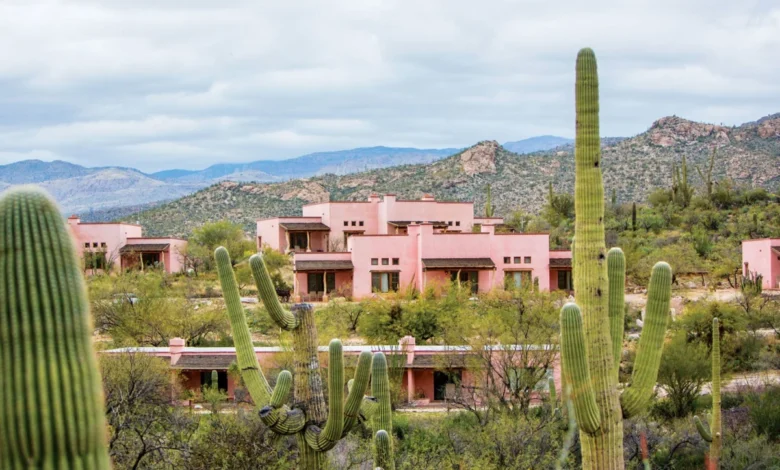
The American desert has quietly emerged as one of the most sought-after destinations for travelers seeking profound restoration, shifting the paradigm of wellness tourism away from traditional tropical beach resorts and toward arid, expansive landscapes. While winter weather across much of the Northern Hemisphere traditionally prompts a mass migration toward the Caribbean or prompts travelers to bundle up indoors, the American Southwest has captured the attention of the global tourism market. This seasonal shift highlights a broader transformation in travel preferences, wherein visitors increasingly prioritize wide-open spaces, dark-sky preservation, and mindful outdoor immersion over crowded coastal hotspots.
The Evolution of Desert Tourism and Wellness Travel
For decades, winter travel was synonymous with coastal escapes or alpine ski lodges. However, data from hospitality analytics firms indicates a steady, double-digit annual increase in bookings for desert-adjacent properties across Arizona, Utah, New Mexico, and Texas. Industry analysts attribute this trend to a growing psychological demand for digital detoxes and low-stimulation environments. The vast scale of the landscape—characterized by towering saguaro cacti, rust-colored canyon walls, and cloudless winter skies—provides a distinct therapeutic backdrop.
Hospitality groups have responded to this demand by expanding their portfolios in the region, introducing everything from high-end glamping operations to sprawling historic dude ranches. Unlike the humid microclimates of traditional winter beach destinations, the Southwest offers crisp, sun-drenched winter days with average temperatures hovering in the comfortable mid-60s to low 70s Fahrenheit, followed by cool, clear evenings ideal for stargazing.
Architectural Harmony: Where to Stay in the Southwest
The lodging infrastructure of the American desert is as varied as its geography, seamlessly blending high-end luxury with rugged topography. Over the past five years, investment in Southwest hospitality has diversified into distinct tiers, catering to eco-conscious travelers, luxury wellness seekers, and adventure tourists alike.

Among the prominent architectural trends in the region are Moroccan-inspired hideaways enclosed by traditional garden walls, historic dude ranches offering mountain-view casitas, and destination resorts featuring subterranean spas and geothermal hot tubs. In regions like Moab, Utah, and the outskirts of Santa Fe, New Mexico, luxury canvas tented camps—often referred to as glamping—have redefined outdoor lodging. Properties such as Ulum Moab (part of the Under Canvas portfolio) and the Four Seasons Resort Rancho Encantado Santa Fe demonstrate how modern hospitality can occupy fragile ecosystems with minimal environmental disruption. These properties employ sustainable building practices, solar energy integration, and water conservation systems to protect the delicate desert biomes they inhabit.
A Chronology of the Desert Tourism Surge
- Late 20th Century: Desert travel in the US is primarily viewed through the lens of seasonal retirement communities in Palm Springs or rugged, decentralized national park road trips.
- Early 2010s: The rise of experiential travel sparks initial interest in glamping and upscale outdoor hospitality, leading to the launch of experiential brands in remote Utah and Arizona locations.
- Late 2010s to 2020: Wellness travel gains momentum globally. Desert resorts begin incorporating specialized wellness programming, dark-sky astronomy tourism, and indigenous-inspired spa therapies.
- Post-2020 Era: Pandemic-era travel restrictions accelerate domestic tourism and a preference for remote, outdoor-centric destinations. Winter bookings in the Southwest surge to unprecedented levels.
- Present Day: The desert solidifies its status as a premier year-round luxury market, with major hospitality brands competing to offer immersive, low-impact luxury experiences across the American Southwest.
Industry Perspectives and Official Insights
Hospitality executives and tourism boards have noted a fundamental shift in traveler demographics. No longer dominated solely by retirees or extreme adventure seekers, the modern desert visitor profile increasingly includes young professionals, remote workers seeking extended stays, and wellness tourists looking for structured retreat itineraries.
“The psychological pull of the desert lies in its stark contrast to urban life,” notes a regional tourism development officer based in New Mexico. “When visitors experience absolute silence, unpolluted night skies, and a landscape that forces you to slow down, the restorative effect is immediate. It is no longer just about seeing a national park; it is about cognitive reset.”
Environmental regulators and park officials have also collaborated with resort operators to manage the influx of visitors responsibly. With dark-sky ordinances implemented across vast swaths of Utah, Arizona, and New Mexico, resorts are required to use specialized lighting that prevents light pollution, ensuring that astronomical tourism remains a viable and protected draw for the region.
Economic and Environmental Implications
The rapid growth of high-end desert tourism carries significant economic benefits for rural communities in the Southwest, generating local employment and funding infrastructure improvements. Local municipalities have seen increased tax revenues from hospitality ventures, which in turn support small businesses, tour operators, and artisan markets.

However, this growth necessitates rigorous environmental management. Arid regions face distinct ecological challenges, particularly concerning water scarcity and the preservation of fragile desert crusts. Consequently, leading resorts in the region have adopted stringent sustainability metrics. Properties routinely invest in graywater recycling systems, native landscaping that requires zero irrigation, and partnerships with local conservation groups to ensure that tourism expansion does not outpace the carrying capacity of the local environment.
Methodology: How the Best Desert Resorts Are Evaluated
The curation of premier desert accommodations relies on a rigorous evaluation process conducted by veteran travel journalists and hospitality researchers. Editors assess properties based on several core criteria:
- Authenticity and Sense of Place: The property must reflect the cultural and natural heritage of its surrounding region, avoiding generic luxury tropes in favor of localized design and programming.
- Design and Architecture: Consideration is given to how structures integrate with the landscape, utilizing local materials, maximizing natural light, and respecting topography.
- Service and Hospitality: Staff must demonstrate deep local knowledge, offering tailored recommendations for outdoor excursions, historical context, and personalized guest care.
- Sustainability and Conservation: Properties are evaluated on their environmental footprint, including energy efficiency, waste reduction, water conservation, and community engagement.
- Accessibility to Nature: The ideal desert resort bridges the gap between indoor comfort and outdoor immersion, placing guests within immediate reach of hiking trails, equestrian paths, or prime stargazing locations.
As travel trends continue to evolve toward mindful exploration and nature-based wellness, the American desert stands out as a resilient, dynamic destination. By balancing luxury infrastructure with deep environmental stewardship, Southwest resorts offer a blueprint for the future of sustainable hospitality.