In the harrowing weeks following the November 2018 Camp Fire—the most destructive and deadliest wildfire in California’s history—the future of the Paradise Unified School District (PUSD) seemed all but extinguished. With 85 percent of the town’s infrastructure incinerated and nearly every campus in the district suffering varying degrees of catastrophic damage, administrators were forced to confront a grim reality: the potential end of a community’s educational identity. Jake Timm, the district’s director of facilities, maintenance, and operations, recalls the surreal, apocalyptic atmosphere of surveying smoldering school grounds, estimating that it might take two decades for the student population to return to anything resembling its former size.
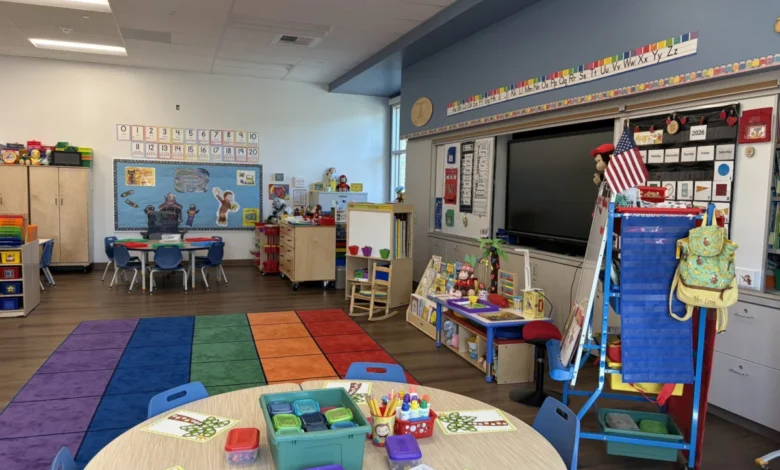
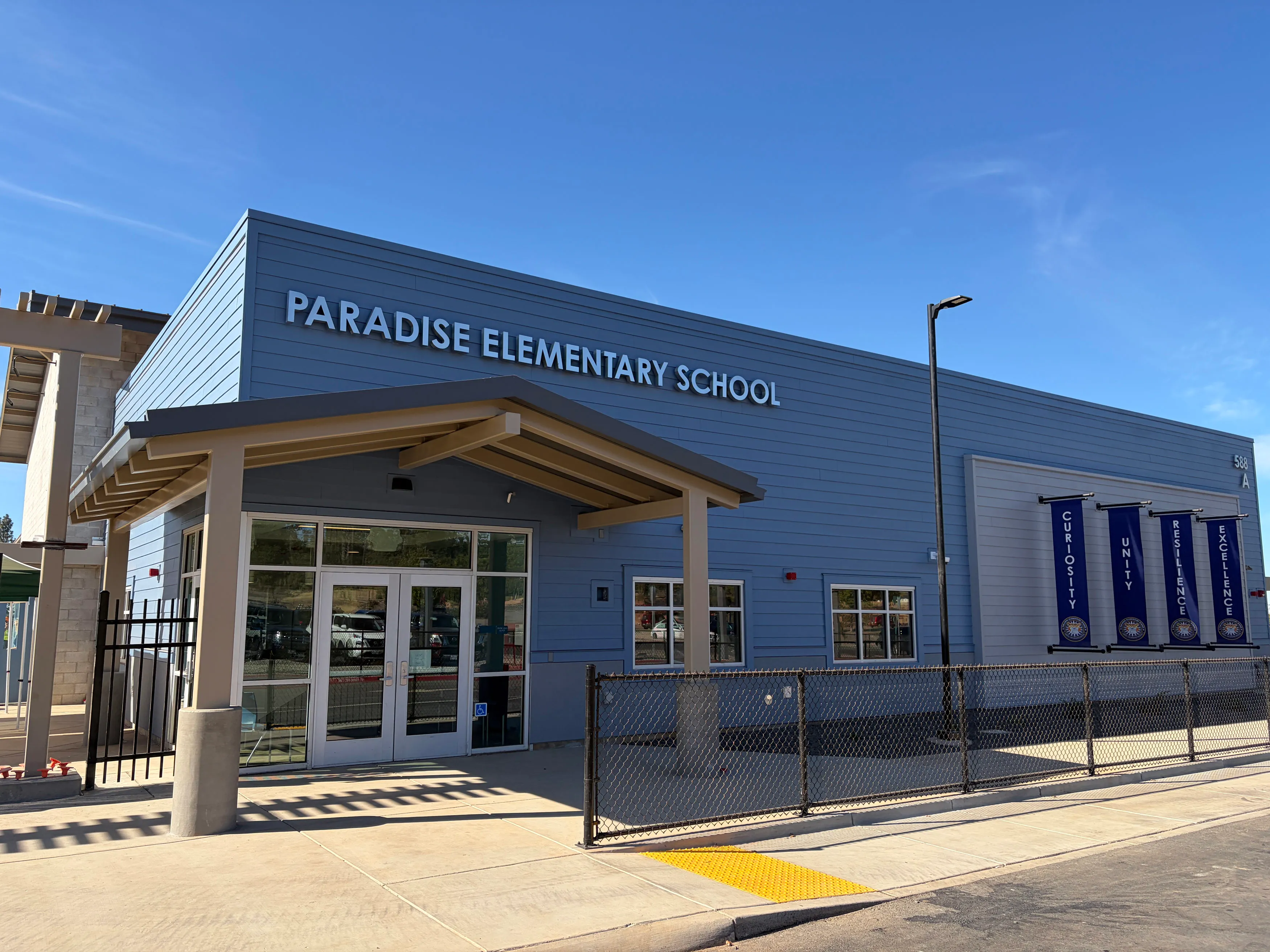
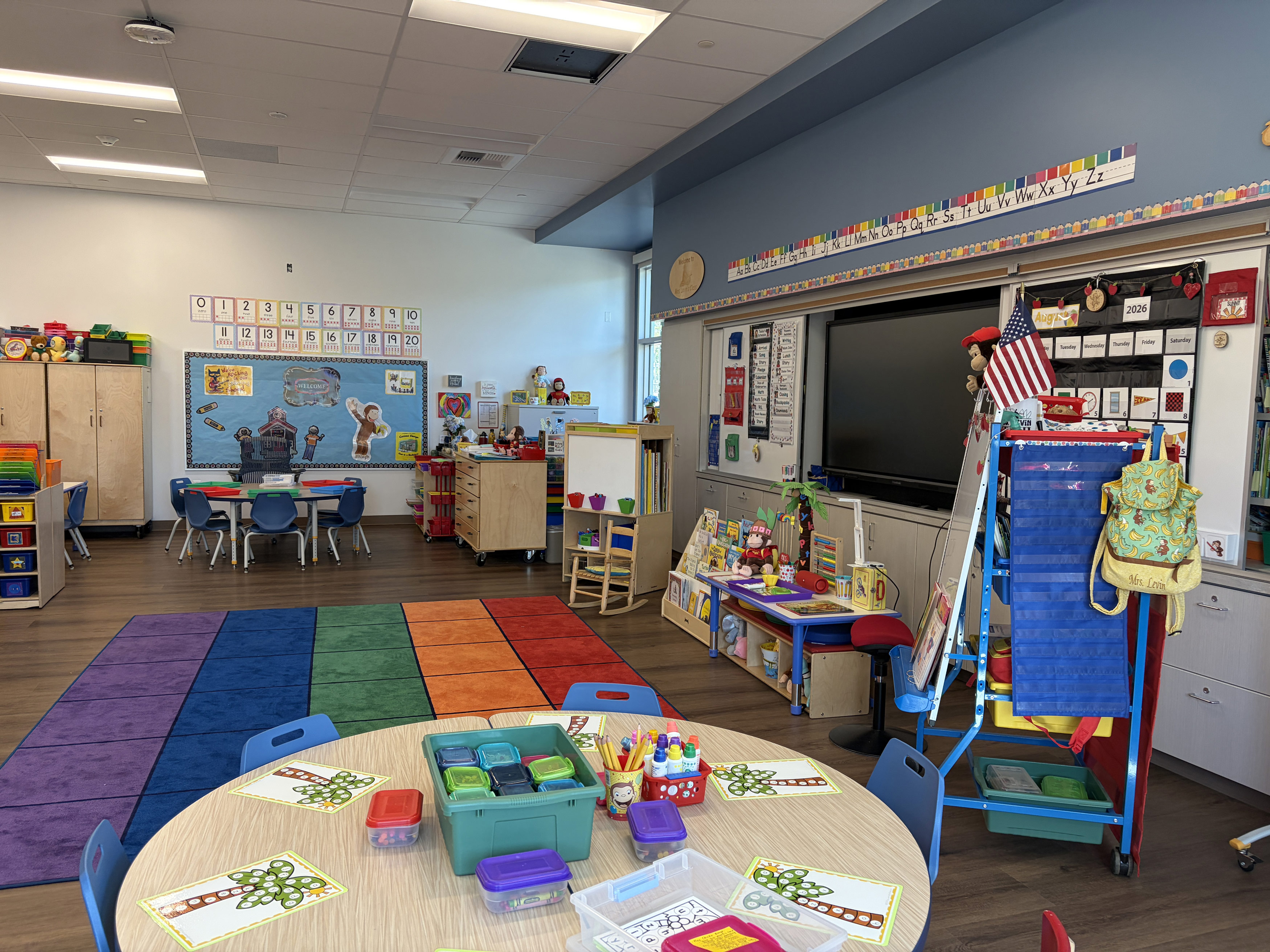
Yet, nearly a decade later, the narrative of Paradise is shifting from one of total loss to one of resilient reconstruction. As of the current academic year, the district’s enrollment has climbed to 1,817 students. While this figure represents roughly 53 percent of the pre-fire population, the consistent arrival of approximately 80 new students annually has prompted a radical acceleration of the district’s rebuilding master plan. This fall, the reopening of the newly constructed Paradise Elementary School marked the final piece of the district’s physical recovery, signaling a definitive transition into a new chapter for the town.
A Chronology of Destruction and Rebirth
The scale of the 2018 disaster remains a benchmark for climate-driven catastrophe in the United States. On November 8, 2018, the Camp Fire ignited, eventually consuming over 150,000 acres, destroying nearly 19,000 structures, and claiming 85 lives. For the school district, the timing was particularly cruel; just two days before the fire, voters had overwhelmingly passed a $61 million bond measure intended to modernize facilities and upgrade school infrastructure.
In the immediate aftermath, the district faced a logistical nightmare. With campuses rendered unusable, students were scattered across Butte County. The middle school relocated to a decommissioned hardware store, while high schoolers were relegated to independent study programs held in mall spaces. Elementary students were bused to campuses up to 20 miles away, creating an immense burden on displaced families.
By April 2020, as the pandemic further complicated recovery efforts, the PUSD board approved a revised master plan. Initially, the strategy was conservative, focusing on consolidating resources into a single elementary school. However, as housing development picked up and new, younger families began to move into the area, the influx of students—including 100 new kindergartners in a single year—forced the district to pivot, reopening a second, expanded elementary campus to meet the unanticipated demand.
Demographic Shifts and the "Blank Slate" Effect
The demographic composition of Paradise has undergone a fundamental transformation. Historically characterized as a community with a large retiree population, the post-fire town has attracted a wave of young families. This shift is largely driven by economic factors: while the fire wiped out massive swaths of the town, the availability of land and the relative affordability of new, fire-hardened construction have made Paradise an attractive option compared to the inflated real estate markets of nearby Chico or the Bay Area.
Local officials, through organizations like the Paradise Ridge Chamber of Commerce, have leaned into this, launching marketing campaigns that highlight "attainable homeownership" and the promise of modern, state-of-the-art school facilities. Surveys of recent arrivals suggest a unique psychological motivation: many new residents view the town as a "blank slate." Because the fire cleared out the dense, overgrown vegetation that contributed to the intensity of the 2018 blaze, some newcomers perceive the rebuilt community as fundamentally safer, fostering a sense of optimism that has fueled rapid residential development.
The Long Tail of Academic and Emotional Impact
While the physical schools have been rebuilt, the academic and psychological scars of the disaster remain evident. Data from the California School Dashboard reveals that over 25 percent of PUSD students are currently categorized as chronically absent—a figure significantly higher than the statewide average. Standardized test scores, particularly in mathematics, continue to lag behind state benchmarks, reflecting the long-term educational disruption caused by the displacement of the student body.
Educational experts, such as Dr. Lindsey Nenadal of California State University, Chico, note that the loss of a school is never merely an architectural loss; it is the destruction of a social anchor. "When we think about students losing their schools, it’s one component of so many pieces of loss in their life at that time, including just the sense of normalcy," she explains.
For students who lived through the trauma, the recovery process is deeply personal. Kaydence Mosher, now 18, serves as a poignant example of this lingering impact. As a fifth-grader who lost her home and school in 2018, her educational trajectory was defined by instability. "It was something that I kept to myself, that I lost everything," she says, noting that the subsequent transition to e-learning during the pandemic further widened the gaps in her foundational learning. For students like Mosher, the renaming of schools—such as Ponderosa Elementary becoming Paradise Ridge—can even feel like an erasure of the community they once knew, highlighting the complex tension between progress and mourning.
Broader Implications: A Growing National Challenge
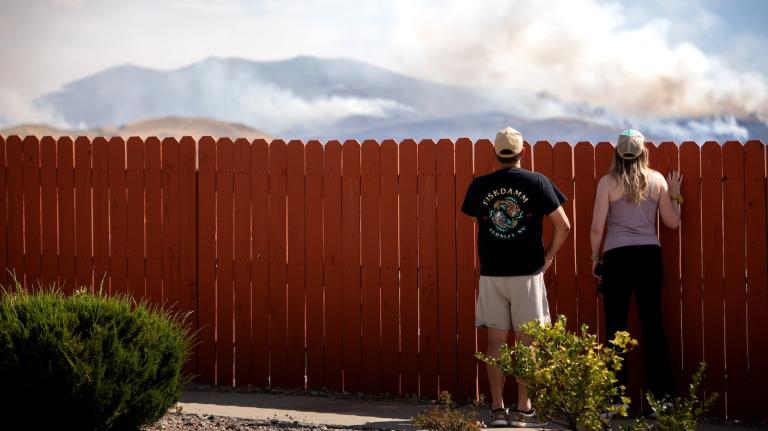
The experience of Paradise provides a sobering case study for school districts across the country. According to research from Brown University’s SustainableED initiative, roughly 25 percent of U.S. public schools are situated in census tracts deemed "very high risk" for environmental hazards, including hurricanes, flooding, and wildfire. As climate change accelerates the frequency and severity of these events, more districts will be forced to confront the impossible calculus of rebuilding.
Other regions are already grappling with these dilemmas. In Maui, the destruction of the 110-year-old King Kamehameha III Elementary School in the 2023 wildfires sparked intense debate over whether to rebuild on the historic site or move to a more secure location. In Pasadena, California, the 2025 Eaton Fire led to community outrage when the district proposed consolidating schools, with parents arguing that the presence of a school is vital for community stability after a disaster.
In rural areas, the challenge is even more acute. The Golden Feather Union Elementary School District, which served the smaller, lower-income community of Concow, has struggled to recover. Unlike the more populous Paradise, the resources to rebuild in Concow have been scarce, forcing the district to house students in a facility eight miles away—a move that underscores the reality that for many communities, the "new normal" of climate-resilient education often requires long, arduous commutes and the loss of local proximity.
Looking Toward the Future
The Paradise Unified School District currently finds itself in a state of rapid, if uneven, evolution. The rebuilding of Paradise Elementary and the planned expansion of other facilities reflect a community that is fundamentally committed to its survival. However, the path forward is not without peril. While enrollment is rebounding, the district must balance the pressures of physical growth with the urgent need to address the systemic absenteeism and academic gaps that have persisted for eight years.
As Jake Timm and his colleagues continue to oversee the maintenance and operations of a district that was once deemed a "lost cause," the focus is shifting toward sustainability. The new buildings are designed with modern fire-prevention technologies, and the curriculum is increasingly incorporating mental health support to address the ongoing trauma of the student body.
For the new families moving into town, the experience is one of hope and "historical participation," as many parents describe it. For the students who have remained, the experience is one of adaptation. The story of Paradise is no longer just about the tragedy of 2018; it is a complex, ongoing experiment in how a public school system—and by extension, a town—can reassemble itself after being fundamentally broken. Whether this model of rapid, growth-oriented recovery can be sustained in the face of an increasingly volatile climate remains the central, unanswered question for the future of education in the American West.