For millions of travelers across the United States, the arrival of autumn marks a brief, highly anticipated window to witness one of nature’s most dramatic transformations. As temperatures drop and the chlorophyll in deciduous trees breaks down, landscapes transition from vibrant greens into rich palettes of amber, crimson, burnt orange, and deep gold. However, this fleeting phenomenon—typically peaking between late September and mid-November depending on latitude and elevation—disappears almost as quickly as it arrives. For those living in urban centers or regions unaffected by seasonal shifts, planning a last-minute escape into the wilderness has become an annual ritual driven by the urgency to experience peak foliage before winter’s bare branches take over.
In response to this seasonal demand, travel planners and hospitality analysts have noted a sharp surge in bookings for remote, nature-immersed accommodations. While the northeastern United States has historically dominated the cultural conversation surrounding fall foliage, modern travelers are increasingly casting a wider net. Today’s autumnal tourism spans from secluded New England timber cabins to rugged, off-grid ranch properties nestled deep within the Colorado backcountry. Realizing this growing appetite for immersive seasonal travel, industry editors and hospitality researchers have curated a specialized selection of top-tier rentals, focusing heavily on properties holding Airbnb Superhost and Guest Favorite distinctions, exceptional structural amenities, historical guest satisfaction, and sophisticated interior design tailored for the colder months.
The Science and Geography of the Fall Foliage Phenomenon
Understanding why travelers flock to specific regions during autumn requires examining the underlying biological and meteorological triggers of leaf color change. The process is governed by a delicate interplay of diminishing daylight, cooler nighttime temperatures, and varying moisture levels in the soil. As days shorten, trees begin to seal off the pathways between their leaves and branches, halting the production of chlorophyll—the pigment responsible for green leaves. As the green fades, hidden pigments such as carotenoids (yellows and oranges) and anthocyanins (reds and purples) are finally revealed.
Historically, states like Vermont, New Hampshire, Maine, and Massachusetts have captured the lion’s share of fall tourism, welcoming millions of leaf-peepers to historic scenic byways such as the Kancamagus Highway or the Mohawk Trail. According to regional tourism boards across New England, tourism spending during the peak six-week autumn window frequently accounts for up to 30 percent of total annual tourism revenue for rural counties.
However, the geographic scope of peak foliage tourism has expanded significantly over the past decade. Improved infrastructure in remote mountainous regions, combined with the proliferation of short-term rental platforms, has opened access to lesser-known leaf-peeping corridors. Destinations such as the Blue Ridge Parkway in North Carolina and Virginia, the Ozark National Forest in Arkansas, the Upper Peninsula of Michigan, and the high-elevation aspen groves of the Rocky Mountains in Colorado and Utah now rival traditional eastern strongholds in both visitor volume and visual splendor.
Chronology of the Autumn Travel Booking Cycle
The planning and execution of an autumn foliage trip follow a distinct chronological timeline that dictates availability and pricing within the travel sector.
Phase 1: Early Planning and Peak Reservations (June – July)
Savvy travelers typically secure their accommodations months in advance. Premium properties located directly within prime leaf-peeping zones—such as historic cabins in Stowe, Vermont, or modern architectural retreats near Aspen, Colorado—frequently book out six to nine months ahead of the season, particularly for weekends in mid-October.
Phase 2: The Transition Window (August – Early September)
As summer winds down, national forestry services and meteorological agencies release their initial fall foliage prediction maps. These forecasts track regional weather patterns, drought conditions, and temperature anomalies to predict whether peak colors will arrive early, late, or on schedule. This period prompts a secondary wave of bookings from travelers adjusting their travel windows based on localized data.
Phase 3: The Last-Minute Scramble (Late September – October)
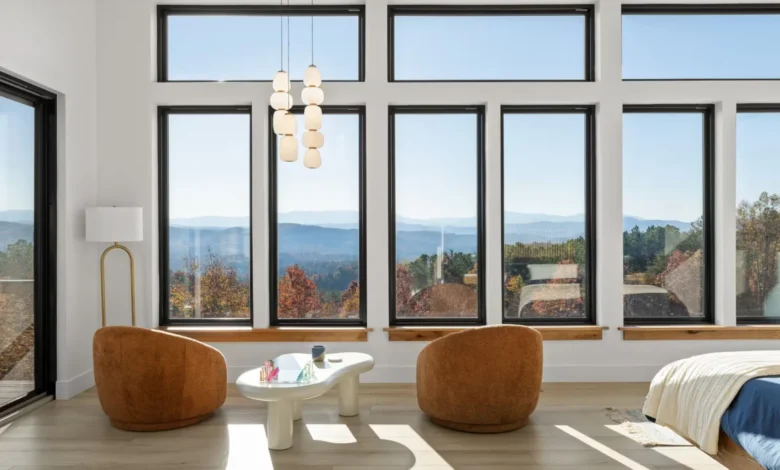
The current travel landscape, heavily influenced by spontaneous travel habits post-pandemic, sees a massive influx of last-minute bookings. Travelers monitor real-time foliage trackers—such as the interactive maps provided by the Smoky Mountains region or state tourism departments—and immediately secure available remote rentals. Properties equipped with floor-to-ceiling windows, outdoor barrel saunas, wood-burning fireplaces, and hot tubs see the highest demand during this phase, as guests prioritize indoor-outdoor connectivity and comfort amid brisk autumn temperatures.
Economic and Community Implications of Seasonal Tourism
The annual influx of travelers seeking out autumn landscapes carries profound economic implications for rural communities across the United States. While major metropolitan areas experience steady year-round tourism, many small towns in mountainous or heavily forested regions rely on the autumn shoulder season to sustain local businesses through the slower winter months.
Economists specializing in travel and tourism note that the decentralization of lodging—spurred by platforms like Airbnb—has distributed tourist revenue deeper into rural economies. Rather than concentrating spending solely in commercial hotel districts, visitors staying in remote cabins patronize local farm stands, independent coffee shops, family-owned apple orchards, and regional artisans.
At the same time, municipal leaders and environmental organizations face ongoing challenges regarding resource management during peak visitation weekends. High traffic volumes along narrow two-lane scenic byways, parking congestion at popular trailheads, and strain on local municipal services have prompted several towns to implement traffic management plans and encourage mid-week travel. Tourism boards increasingly emphasize responsible travel practices, urging visitors to respect private property lines, adhere to "Leave No Trace" principles, and explore lesser-known trails to alleviate pressure on heavily touristed hotspots.
Design Trends in Autumnal Hospitality
The architecture and interior design of properties featured in contemporary fall travel roundups reflect a distinct shift in consumer preferences. Modern travelers seeking refuge in the woods are increasingly drawn to properties that blur the boundaries between indoor living spaces and the surrounding forest canopy.
Key architectural and amenity features driving high guest satisfaction scores include:
- Panoramic Glazing: Floor-to-ceiling windows and wrap-around glass walls that frame the changing foliage, allowing guests to experience the landscape even while indoors.
- Thermal Amenities: Wood-fired barrel saunas, cedar hot tubs, and heated stone patios designed to counteract the dropping autumn temperatures.
- Hearth-Centric Living: Central stone fireplaces, wood-burning stoves, and designated fire pits that serve as natural gathering spaces for reading, socializing, and evening relaxation.
- Culinary Integration: Fully equipped, high-end kitchens designed for preparing hearty seasonal meals using locally sourced autumn produce, root vegetables, and ciders.
These design elements cater to a psychological desire for comfort and isolation—often referred to in Scandinavian culture as hygge. Industry analysts observe that properties successfully integrating these tactile, cozy features command significantly higher nightly rates and maintain near-constant occupancy throughout September and October.
Outlook for the Modern Leaf-Peeper
As the window for autumn foliage narrows across the country, the demand for immersive, design-forward nature retreats remains exceptionally high. Whether travelers choose the deep, fiery red maples of the East Coast, the golden quaking aspens of the Rocky Mountains, or the rust-colored oaks of the Midwest, the journey into the woods offers a vital seasonal pause.
With real-time tracking tools and decentralized accommodation networks making remote destinations more accessible than ever, the tradition of the autumn road trip continues to evolve. By balancing spontaneity with careful curation, travelers can secure a front-row seat to one of nature’s most fleeting and magnificent annual spectacles—transforming a simple weekend away into a deeply restorative seasonal ritual.