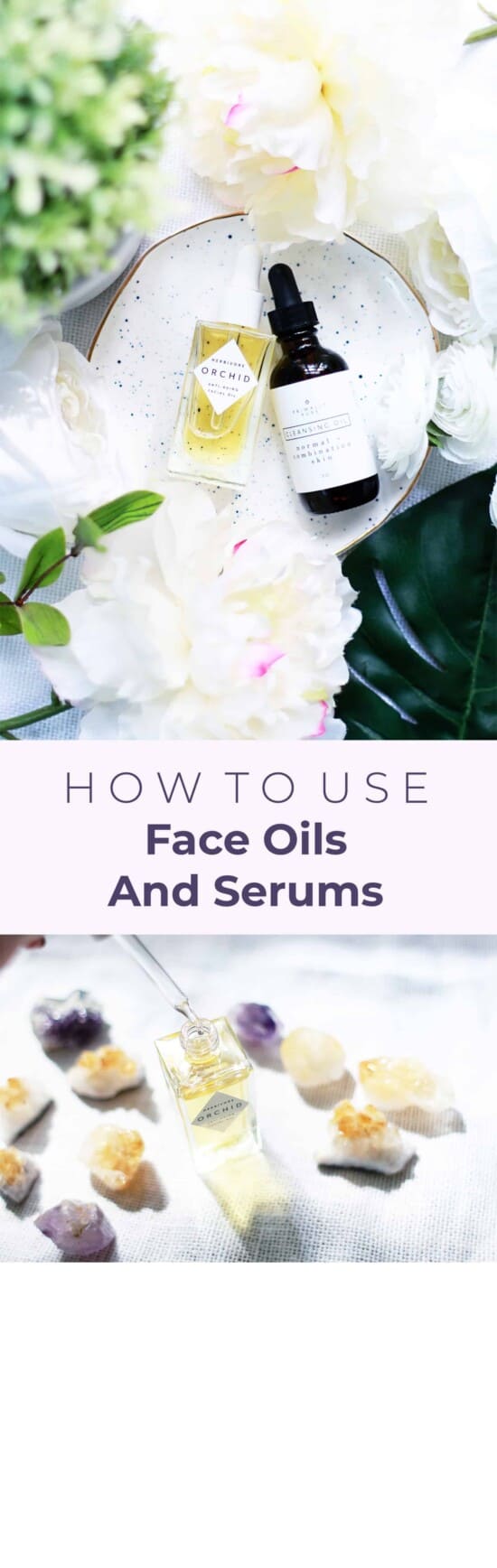

Unlock Radiant Skin: 5 Transformative Ways to Master Beauty Oils
Beauty oils have transcended the trend cycle, solidifying their position as essential multi-tasking powerhouses in modern skincare routines. Their ability to deeply nourish, restore, and enhance skin’s natural radiance is unparalleled. Far from being a one-trick pony, these concentrated botanical elixirs can be integrated into your regimen in a multitude of ways, addressing a diverse range of skin concerns and elevating your overall complexion. This comprehensive guide explores five incredible and often overlooked applications of beauty oils, empowering you to harness their full potential for visibly healthier, more luminous skin.
1. The Ultimate Hydration Booster: Layering Oils for Deeper Penetration and Sustained Moisture
The misconception that oily skin should avoid oils is a pervasive myth. In reality, incorporating the right beauty oils can be a game-changer for all skin types, including those prone to breakouts. The key lies in understanding oil layering and the principles of molecular weight. When applied correctly, beauty oils don’t just sit on the surface; they can penetrate the skin’s lipid barrier, providing crucial hydration and preventing trans-epidermal water loss (TEWL).
To maximize hydration, consider a multi-step oil application. Begin with a lighter, faster-absorbing oil. Rosehip seed oil, rich in essential fatty acids and Vitamin A, is an excellent choice. It’s known for its ability to improve skin texture, reduce the appearance of scars and hyperpigmentation, and promote cell regeneration. Apply a few drops to damp skin after cleansing and toning. The dampness helps the oil spread more evenly and aids in its absorption.
Next, introduce a slightly richer, more occlusive oil. Squalane oil, a stable and highly compatible lipid naturally found in human skin, is an ideal candidate. It’s non-comedogenic, meaning it’s unlikely to clog pores, and its molecular structure allows it to mimic the skin’s natural sebum, creating a protective barrier that locks in moisture. Gently pat a few drops of squalane oil over the rosehip oil. This "sandwiching" technique ensures that the lighter oil penetrates first, delivering its active ingredients deeper into the skin, while the heavier oil creates a seal, preventing both the lighter oil and your skin’s natural moisture from escaping.
For exceptionally dry or compromised skin, or for an intense overnight treatment, consider a third layer with a highly emollient oil like marula oil. Marula oil is packed with antioxidants, particularly Vitamin E and oleic acid, which are incredibly effective at combating free radical damage and deeply conditioning the skin. Its rich texture provides a substantial barrier, ideal for preventing moisture loss during the night. Apply sparingly, focusing on areas that tend to be drier.
The benefits of this layered approach extend beyond simple hydration. By effectively replenishing the skin’s lipid barrier, you strengthen its natural defenses, making it more resilient to environmental stressors like pollution and harsh weather. This, in turn, can lead to a calmer, less irritated complexion and a noticeable improvement in skin’s overall suppleness and bounce. For those concerned about aging, this method also helps to plump the skin, diminishing the appearance of fine lines and wrinkles caused by dehydration. The consistent use of layered oils can fundamentally alter the skin’s ability to retain moisture, leading to a long-term transformation towards a more hydrated and youthful-looking complexion.
2. The Makeup Meltdown Master: Gentle Yet Effective Oil Cleansing for All Skin Types
The concept of oil cleansing has gained significant traction in recent years, and for good reason. Far from leaving the skin feeling greasy, a well-chosen beauty oil can be the most effective and gentle way to remove makeup, impurities, and even stubborn SPF, without stripping the skin of its essential moisture. This method operates on the principle of "like dissolves like." Oil-based impurities, such as makeup, sebum, and environmental pollutants, are more effectively dissolved by other oils than by water-based cleansers.
A versatile and widely accessible oil for this purpose is jojoba oil. Jojoba oil is technically a liquid wax ester, making its molecular structure remarkably similar to human sebum. This similarity allows it to effectively dissolve excess sebum and break down makeup without disrupting the skin’s natural oil balance. It’s also non-comedogenic and suitable for all skin types, including acne-prone and sensitive skin.
To perform an oil cleanse, begin by dispensing a generous amount of jojoba oil (or another suitable cleansing oil like sweet almond or grapeseed oil) into dry hands. Gently massage the oil all over your face, including your eye area, using circular motions. Allow the oil to sit on your skin for about a minute, giving it time to emulsify and break down your makeup and any surface impurities. You’ll notice that waterproof mascara and long-wear foundation begin to loosen and dissolve.
Next, dampen a soft washcloth with warm water. Place the warm washcloth over your face and let it steam for a few seconds. The warmth helps to further loosen the dissolved impurities and prepares the skin for removal. Then, gently wipe away the oil and the dissolved makeup. You may need to rinse and repeat the wiping process with a clean section of the cloth until all residue is removed.
For a more thorough cleanse, especially if you have oily or acne-prone skin, you can follow this oil cleanse with a second cleanse using a gentle water-based cleanser. This is known as the "double cleansing" method. The first oil cleanse breaks down oil-based grime and makeup, while the second water-based cleanse removes any remaining water-soluble impurities. This double-action approach ensures a thoroughly clean complexion without over-drying or causing irritation. The benefits of oil cleansing are profound: it effectively removes stubborn makeup and sunscreen without stripping the skin’s natural barrier, leading to a more balanced and hydrated complexion. It also helps to decongest pores, potentially reducing the frequency and severity of breakouts. Furthermore, it prepares the skin to better absorb subsequent skincare products, maximizing their efficacy.
3. The Spot Treatment Powerhouse: Targeted Application for Blemishes and Irritation
Beauty oils are not just for broad-spectrum skin nourishment; they can also serve as potent, targeted treatments for specific skin concerns. Their concentrated nature allows for precise application, delivering potent active ingredients directly to the affected area. This localized approach can accelerate healing, reduce inflammation, and minimize the visual impact of blemishes and irritation.
Tea tree oil, a highly potent essential oil derived from the Australian tea tree, is a well-established natural antiseptic and anti-inflammatory agent. It possesses powerful antimicrobial properties that can effectively combat the bacteria responsible for acne breakouts. However, due to its potency, it must always be diluted before application. Never apply pure tea tree oil directly to the skin, as it can cause irritation.
To use tea tree oil as a spot treatment, dilute one to two drops of pure tea tree oil with a teaspoon of a carrier oil such as grapeseed oil or jojoba oil. Grapeseed oil is lightweight and easily absorbed, making it a good choice for oily and acne-prone skin. Jojoba oil, as previously mentioned, is also an excellent, compatible carrier. Mix the oils thoroughly. Then, using a clean cotton swab, carefully apply a tiny amount of the diluted mixture directly onto individual blemishes or areas of irritation. Repeat this process once or twice daily, as needed.
Another highly effective oil for spot treatment, particularly for inflammation and redness associated with breakouts, is Tamanu oil. This rich, green oil from the Polynesian islands is renowned for its exceptional regenerative and anti-inflammatory properties. It contains unique compounds that promote wound healing and reduce inflammation, making it an ideal remedy for angry pimples and post-acne marks. Tamanu oil can be applied directly to a blemish in its pure form, or mixed with a lighter carrier oil for easier application.
The advantage of using oils as spot treatments lies in their ability to deliver concentrated therapeutic benefits directly to the problem area. Unlike harsh chemical spot treatments that can dry out and irritate the skin, natural oils work to calm inflammation, fight bacteria, and promote healing, often resulting in faster resolution of blemishes with less risk of post-inflammatory hyperpigmentation. This targeted approach minimizes the chance of irritating surrounding healthy skin, making it a more sophisticated and effective way to manage breakouts and minor irritations.
4. The Skin Soothing Elixir: Post-Treatment Recovery and Barrier Repair
After certain dermatological treatments, such as microdermabrasion, chemical peels, or even aggressive exfoliation, the skin can become sensitive, inflamed, and its natural barrier compromised. Beauty oils play a crucial role in supporting the skin’s recovery process, providing much-needed moisture, reducing redness, and aiding in the restoration of a healthy skin barrier.
Calendula oil, infused from the petals of the calendula flower, is a classic herbal remedy known for its potent anti-inflammatory and wound-healing properties. It is incredibly gentle and well-suited for calming irritated and sensitive skin. Its soothing compounds help to alleviate redness, reduce discomfort, and promote the skin’s natural repair mechanisms. Apply a few drops of calendula oil to the treated area, gently massaging it in.
Chamomile oil, another gentle yet powerful botanical, offers similar calming and anti-inflammatory benefits. It is particularly effective at reducing redness and soothing sensitive or reactive skin. When combined with calendula oil, it creates a synergistic blend that can significantly accelerate post-treatment recovery.
For deeper barrier repair, consider incorporating ceramide-rich oils. While not strictly plant-derived in their purest form, many beauty brands now offer formulations that combine botanical oils with synthetic ceramides, or utilize plant-based sources of ceramides that mimic the skin’s natural lipids. Ceramides are essential components of the skin’s lipid barrier, acting like the ‘mortar’ between skin cells. When the barrier is compromised, the skin loses moisture and becomes vulnerable to irritants. Oils rich in ceramides help to rebuild and reinforce this vital barrier, restoring its integrity and protecting the skin from further damage.
Applying these soothing oils post-treatment creates a protective emollient layer that locks in moisture and prevents the evaporation of beneficial topical treatments. This not only aids in healing but also minimizes discomfort and downtime. By supporting the skin’s natural regenerative processes and replenishing essential lipids, these oils help the skin return to a state of balance and resilience, reducing the risk of complications and promoting a smoother, healthier recovery.
5. The Scalp Savior: Revitalizing Hair and Scalp Health
The benefits of beauty oils extend beyond the face and body, reaching the often-neglected scalp and hair. A healthy scalp is the foundation for healthy hair growth, and certain oils can provide deep nourishment, stimulate circulation, and alleviate common scalp issues.
Castor oil is a thick, viscous oil renowned for its ability to promote hair growth and thickness. It is rich in ricinoleic acid, an omega-9 fatty acid that has been shown to improve blood circulation to the scalp. Improved circulation delivers more nutrients and oxygen to the hair follicles, which can encourage hair growth and reduce shedding. Castor oil also has antimicrobial properties, which can help to combat dandruff and other scalp infections. Due to its thick consistency, it is often best blended with a lighter oil for easier application.
Rosemary essential oil is another potent ingredient for hair health. Studies have suggested that rosemary oil can be as effective as minoxidil (a common hair growth ingredient) in promoting hair regrowth, potentially by improving circulation and preventing hair follicle damage. It also possesses anti-inflammatory and antioxidant properties that benefit the scalp.
To create a nourishing scalp treatment, combine a tablespoon of castor oil with 3-5 drops of rosemary essential oil. For an even more potent blend, you can also add a few drops of peppermint essential oil. Peppermint oil stimulates the scalp, increasing blood flow and providing a refreshing sensation.
Massage this oil blend thoroughly into your scalp, ensuring even distribution. Leave the treatment on for at least 30 minutes, or preferably overnight, before washing your hair as usual. The nourishing oils penetrate the scalp, moisturizing dry patches, reducing inflammation, and creating an optimal environment for hair growth.
Beyond stimulating growth, these oil treatments can also address issues like dryness, flakiness, and itchiness. By deeply conditioning the scalp, they help to rebalance sebum production and soothe irritation. The consistent application of these botanical oils can lead to stronger, shinier, and more voluminous hair, with a healthier and more comfortable scalp. This holistic approach to hair and scalp care, utilizing the power of natural oils, offers a gentle yet highly effective alternative to conventional treatments.

