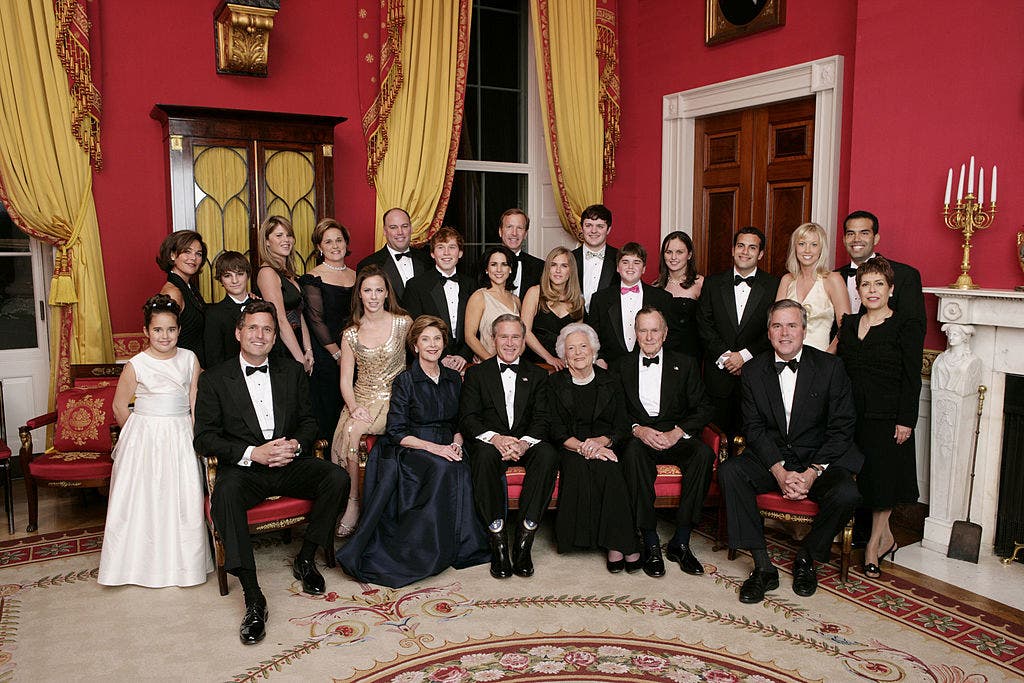
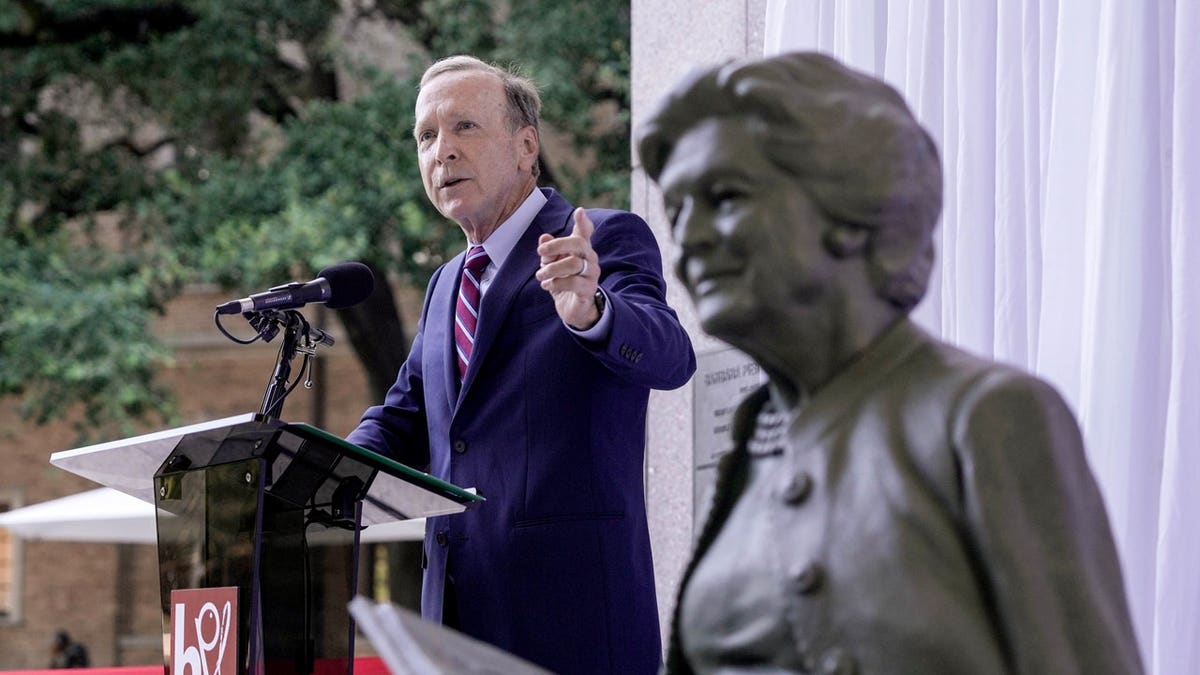
In a striking departure from the long-standing political traditions of one of America’s most prominent Republican dynasties, Neil Bush has officially announced his support for Democratic Senate candidate James Talarico in the high-stakes Texas election. The son of the late President George H.W. Bush and brother to former President George W. Bush, Neil Bush publicly declared his decision on social media, marking a significant breach in the partisan alignment typically expected of the Bush family. His endorsement of Talarico, who is challenging incumbent Attorney General Ken Paxton, serves as a flashpoint in an increasingly polarized Texas political climate.
The announcement, delivered via a Facebook post this past Tuesday, saw the younger Bush break his self-imposed rule against public political commentary. Explaining his decision to his network, Bush emphasized that his departure from traditional party loyalty was a direct response to the current trajectory of the Republican Party and his specific concerns regarding the record of his opponent.
The Motivation Behind the Break
Neil Bush’s decision was not framed as a simple partisan flip but rather as an indictment of the current political culture within the GOP. "I have never posted a political message on Facebook, not wanting to offend friends whose views may be very different than mine," Bush wrote. "I’m breaking that tradition because I voted early today, and I voted for James Talarico for the United States Senate. My vote was motivated by two things: deep concern about Ken Paxton’s record and genuine admiration for the character and principles I see in James Talarico."
Beyond the specific candidates, Bush leveled a broader critique at the modern Republican establishment, particularly those aligned with the MAGA movement. He suggested that the party has moved away from its foundational principles, favoring a brand of politics that prioritizes individual loyalty over institutional and moral accountability. "I believe Donald Trump and those who have enabled him have done enormous damage to the Republican Party," he added. "I worry about a political culture in which loyalty to an individual takes precedence over loyalty to principle, and where those who hold power begin to believe they are no longer accountable."
A Growing Trend of Defection
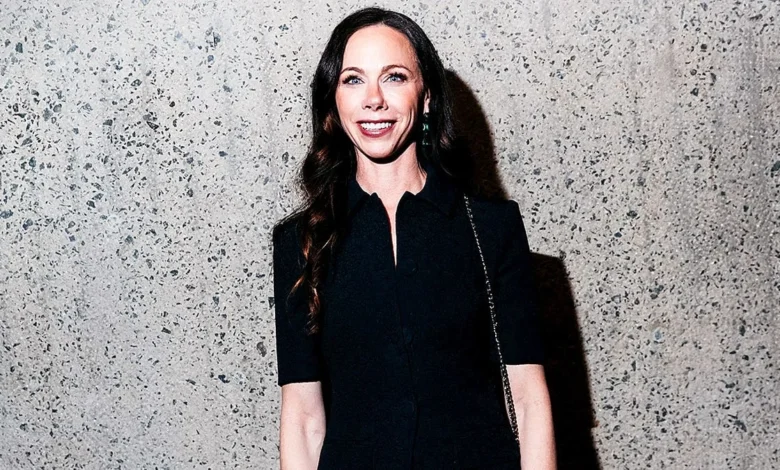
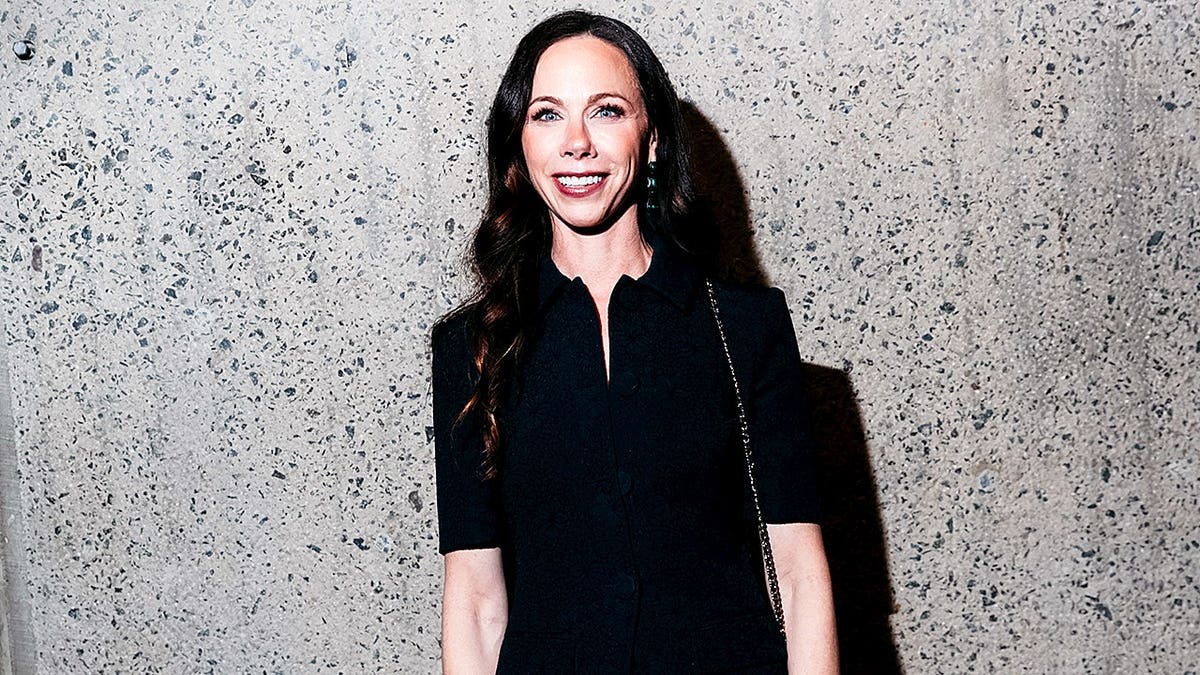
Neil Bush is not the only member of his family to signal dissatisfaction with the current direction of the Texas Republican Party. His niece, Barbara Bush—the daughter of former President George W. Bush—has also engaged in the current election cycle. Federal campaign finance records show that on September 23, she contributed $2,500 to the Lone Star Rising PAC, a super PAC specifically dedicated to supporting Talarico’s campaign.
This dual involvement from members of the Bush family underscores a widening rift within the traditional conservative establishment. For decades, the Bush family represented the "establishment" wing of the Republican Party, characterized by traditional governance, internationalism, and a focus on conservative institutions. The shift toward supporting a Democratic candidate, even at a state level, suggests a growing disillusionment among traditionalists who find themselves at odds with the populist shift that has defined the party since the 2016 election cycle.
Contextualizing the Texas Senate Race
The race between James Talarico and Ken Paxton has become one of the most expensive and closely watched contests in the country. The infusion of massive capital into the race reflects the high stakes for both parties. Recently, the Trump-aligned super PAC MAGA Inc. funneled approximately $10 million into the race to bolster Paxton’s standing, signaling that national Republican power brokers view this seat as a critical firewall against Democratic gains in the Lone Star State.
Texas, traditionally a GOP stronghold, has seen demographic and suburban shifts that have led to tighter margins in recent statewide elections. Democrats have long viewed Texas as the "holy grail" of electoral map expansion. By throwing his weight behind Talarico, Neil Bush provides a symbolic boost to the Democratic effort to peel away disaffected suburban and traditionalist voters who may have once voted reliably for the Bush-era Republican brand.
Chronology of the Bush-Trump Friction
The strained relationship between the Bush family and the modern MAGA-led Republican Party has a documented history that dates back to the 2016 presidential primaries. During that campaign, Donald Trump’s rhetoric toward the Bush family was notably aggressive. He frequently mocked Jeb Bush, labeling him "low energy," and directed personal attacks at former First Lady Barbara Bush.
These interpersonal conflicts, coupled with substantive policy disagreements, created a lasting fissure. While former President George W. Bush has largely avoided direct attacks on his successor, his post-presidential conduct has often highlighted a desire to maintain the bipartisan decorum of the pre-Trump era. His attendance at the opening of the Barack Obama Presidential Center in Chicago earlier this year, where he was seen sharing a lighthearted moment with Michelle Obama—recreating a famous exchange of cough drops from the 2018 funeral of John McCain—serves as a visual contrast to the current, more combative state of partisan politics.
Political Implications and RNC Reaction
The Republican National Committee (RNC) has dismissed the crossover support as a negligible factor. Leadership within the party has characterized the attempts to flip Republican voters toward Talarico as a "pipe dream," asserting that the traditional conservative base remains firmly committed to the party’s current direction. RNC spokespeople have publicly argued that high-profile endorsements from legacy figures do not translate into votes from the grassroots, who have largely moved on from the "Bush-era" brand of conservatism.

However, analysts suggest that while these endorsements may not flip a majority of voters, they serve a strategic purpose in the information war. By validating the decision of a conservative to vote for a Democrat, Neil Bush provides "permission" for moderate, suburban, or legacy Republicans to cross party lines without feeling as though they are abandoning their identity. In a race decided by razor-thin margins, such shifts can prove decisive.
Data and Financial Landscape
The financial data surrounding the race highlights the intensity of the competition. Lone Star Rising PAC, the recipient of the donation from Barbara Bush, has emerged as a major player in the effort to unseat the Republican incumbent. The involvement of super PACs on both sides—with $10 million from MAGA Inc. on one side and significant, though perhaps smaller, organized efforts on the other—indicates that both parties recognize the vulnerability of the current seat.
Furthermore, polling data in Texas over the last four years has shown a consistent trend of "ticket-splitting" among college-educated voters in the state’s major metropolitan areas, including Dallas, Houston, and Austin. Neil Bush’s endorsement is specifically targeted at this demographic, aiming to solidify a coalition that bridges the gap between traditional fiscal conservatism and current social-liberal agendas.
The Legacy of the Dynasty
The involvement of Neil Bush and his niece highlights the end of an era where the Bush name was synonymous with Republican leadership. For decades, the "Bush Republican" was the standard-bearer for the party’s platform. Today, the family appears to be navigating a path that is increasingly independent of the party structure they once helped define.
As the election approaches, the focus remains on whether these high-profile endorsements will move the needle in a state where the electorate is increasingly polarized. While the RNC maintains that the "Bush-to-Democrat" pipeline is a non-factor, the visibility of these endorsements keeps the conversation centered on the soul of the Republican Party.
Future Outlook
The political ramifications of this development will likely extend beyond the current election cycle. As the Republican Party continues to evolve, the alienation of the traditionalist wing poses a long-term challenge for internal party unity. Whether figures like Neil Bush will continue to support Democratic candidates in future cycles remains to be seen, but the public nature of his recent stance confirms that the ideological divide within the right is not merely a theoretical debate—it is a functional reality affecting electoral outcomes.
As of press time, representatives for both the Paxton campaign and the White House have not provided formal statements regarding the endorsement. The campaign for James Talarico has similarly kept its focus on the ground game, emphasizing that the race remains a battle for the future of Texas, with the endorsements serving as a signal that the status quo is no longer sufficient for all conservatives.
In conclusion, the decision by a member of the Bush dynasty to publicly cross party lines is a milestone in the current American political landscape. It represents the intersection of personal grievance, ideological drift, and the changing demographics of the American South. Whether this move is a harbinger of a broader realignment or a localized protest vote will be determined by the voters of Texas, whose decision will echo far beyond the state’s borders in the coming months.