The cinematic career of Clint Eastwood is often defined by the rugged landscapes of the American West, yet the legendary actor and director’s most profound personal narrative is rooted in the serene, fog-drenched shores of the Monterey Peninsula. Long before Eastwood became a titan of Hollywood, his arrival at the U.S. Army’s Fort Ord in 1951 as a 20-year-old draftee marked the beginning of a lifelong devotion to Carmel-by-the-Sea. What began as a mandatory military posting transformed into a permanent emotional and physical anchor, shaping not only his private life but also his creative output and, eventually, his brief but impactful tenure in local governance.

A Chronology of a Coastal Affection
Eastwood’s initial exposure to the Monterey Bay area occurred during the height of the Korean War. While the region was then a relatively quiet enclave compared to the booming postwar expansion of Los Angeles, it offered a visual sanctuary that contrasted sharply with the industrial grit of urban filmmaking. By the mid-1950s, Eastwood was establishing himself in Los Angeles, living in the Valli Sands apartment complex in Studio City with his first wife, Maggie Johnson. During this era, he paid a modest $125 in monthly rent—a figure that serves as a stark reminder of the economic landscape of 1950s California.
His career trajectory during this decade was marked by steady work in television, most notably his breakout role as Rowdy Yates in the CBS Western series Rawhide, which premiered in 1959. Despite the demands of a growing career in the entertainment capital, Eastwood maintained a persistent longing for the northern coast. His professional migration between the film sets of Hollywood and the tranquil environment of the central coast defined his lifestyle for decades. By 1959, he and Johnson had upgraded to a modest hillside ranch in Sherman Oaks, yet even as he climbed the ranks of stardom, the draw of the north remained a constant.

The Architectural and Artistic Influence of Home
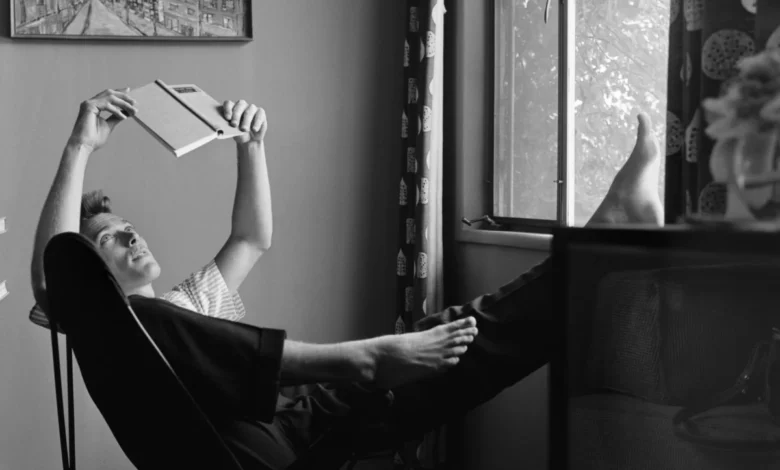
The domestic life of the Eastwoods in the late 1950s and 60s provided a window into the private habits of a man who would soon become a global icon. Biographer Patrick McGilligan, in his seminal work Clint: The Life and Legend, highlights that the Sherman Oaks property was a reflection of a minimalist aesthetic, often described as "stripped to bare essentials." This period was characterized by the artistic influence of Maggie Johnson, whose penchant for moody, high-contrast portraiture is frequently cited by film historians as a potential precursor to the visual language Eastwood would later employ in his own directorial efforts.
The transition from a suburban Los Angeles resident to a landowner on the Monterey Peninsula was not immediate. It was a gradual process of integration. In 1978, the acquisition of the 1,067-acre Rising River Ranch, formerly owned by Bing Crosby, represented a significant shift in Eastwood’s status. The purchase price of $1.9 million—a substantial sum for the era—signaled his commitment to the region. This property became more than just a real estate investment; it was an environment where those close to him, including the late Sondra Locke, observed a genuine metamorphosis in his personality. The ability to retreat from the scrutiny of the public eye to a space where he could engage in simple, grounded activities—such as smelling the native sage at his gate—was essential to his psychological well-being.

The Intersection of Governance and Real Estate
Perhaps the most unconventional chapter in Eastwood’s relationship with the region occurred in 1986, when he was elected mayor of Carmel-by-the-Sea. The impetus for this political move was grounded in a practical conflict regarding property rights. Eastwood, having faced bureaucratic hurdles while attempting to renovate a downtown building he owned, found that many local residents shared his frustrations with the city council’s stringent development policies.
His decision to run for office, which he often jokingly attributed to a conversation fueled by a few glasses of wine, led to a two-year term that significantly altered the town’s political landscape. His administration was marked by a pragmatic approach to governance, focusing on balancing the town’s artistic, unpretentious character with the needs of modern infrastructure. This period highlighted a broader implication: the power of high-profile residents to influence local municipal policy when their personal interests intersect with the broader concerns of the community.

Supporting Data: A Legacy of Investment
Eastwood’s impact on the Monterey Peninsula is quantifiable through his various business ventures, which have integrated his celebrity status with the local economy. His founding of the Hog’s Breath Inn in 1970 and the development of the Tehama Golf Club in the late 1990s demonstrate a long-term commitment to the area’s infrastructure. The Tehama project, a 2,000-acre residential community, involved a collaboration with architect Alan Williams to ensure the course felt like an extension of the rugged landscape itself.
These investments have served as catalysts for tourism and local development. By creating spaces that mirror his own sensibilities—"unpretentious, artistic, and wrapped in a touch of mystique"—Eastwood helped curate the brand identity of Carmel-by-the-Sea. His real estate history, including the purchase and subsequent sale of a $20,000 property near the Monterey Peninsula Country Club and the later $5 million acquisition of the 22-acre Mission Ranch, reflects a sophisticated understanding of land value that paralleled his professional success.

Broader Impact and Cultural Implications
The relationship between Clint Eastwood and the central coast of California provides a case study in how a public figure can successfully transition from an outsider to a foundational member of a community. His presence in Carmel provided a sense of continuity for the area, helping it navigate the transition from a sleepy coastal village to a premier destination for affluent residents and tourists.
From an analytical standpoint, Eastwood’s career-long insistence on maintaining a home base far from the traditional Hollywood hub allowed him to cultivate an image of independence that permeated his work as a director. Films such as Play Misty for Me, which utilized the local landscape as a character in its own right, served as an advertisement for the region’s beauty while simultaneously establishing his credentials behind the camera.

Statements from his contemporaries often emphasize that the "best part of Clint" was the version of himself that existed away from the klieg lights of the film industry. This duality—the hardened, stoic figure of the Western and the reflective, private citizen of Carmel—has been the cornerstone of his public persona. As the years have progressed, the town has become synonymous with the Eastwood name, effectively cementing his legacy within the local history of the Monterey Peninsula.
Conclusion: The Finality of Home
Today, the connection remains as robust as it was in 1951. For Eastwood, the coastal enclave was never merely a vacation spot or a tax haven; it was a place that "gets in your blood." The transition from the young soldier at Fort Ord to the elder statesman of American cinema is punctuated by his recurring return to the fog, the sea, and the rugged hills of Carmel. In reflecting on his journey, Eastwood has consistently maintained that every time he returns to the area, the feeling is one of fundamental homecoming. This enduring narrative serves as a testament to the power of place in shaping the life and work of one of the 20th century’s most influential cultural icons, proving that while his movies may have taken him around the world, his identity remained firmly rooted in the quiet, artistic, and serene atmosphere of the California coast.