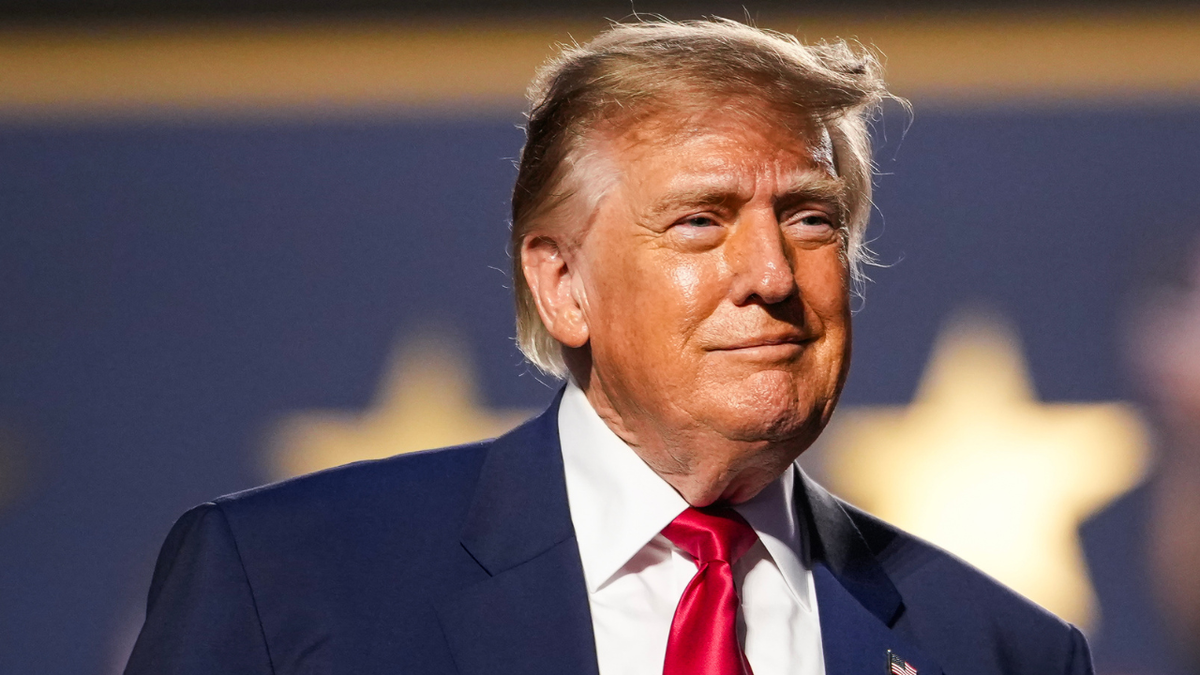
The passage of the Lindsey O. Graham Sanctioning Russia and Iran Act of 2026 through the House of Representatives marks a significant, albeit contentious, development in American foreign policy. While the legislation aims to cripple the economic infrastructure supporting Russia’s ongoing invasion of Ukraine and address escalating threats from Iran, it has ignited a fierce debate within the halls of Congress regarding the expansion of executive power. Specifically, the bill grants President Donald Trump sweeping authority to impose tariffs on foreign nations, a move that has drawn sharp criticism from Democratic leadership who fear the potential for presidential overreach.
The Legislative Path to the Floor
The bill, named in honor of the late Republican Senator Lindsey O. Graham—a vocal advocate for Ukrainian sovereignty until his passing in July 2026—serves as a cornerstone of the current congressional session’s foreign policy agenda. Its journey to the House floor was characterized by complex negotiations and a series of legislative hurdles. After securing a bipartisan victory in the Senate, the bill faced immediate resistance in the House, where the expansion of tariff authority became a central point of contention.
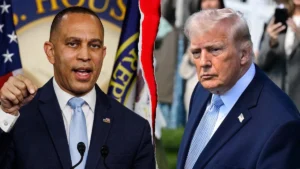
The legislative process reached a critical juncture when a group of House Democrats, led by Minority Leader Hakeem Jeffries, expressed profound reservations about the bill’s structure. The primary concern among the opposition is not necessarily the intent to sanction Russia, but the mechanism provided to the White House. Critics argue that the bill provides the President with a "blank check" to use tariffs as a tool of economic coercion, with few guardrails to prevent the administration from misusing that power against allies or neutral parties.
Understanding the Tariff Authority Controversy
The core of the dispute lies in the specific language of the act, which authorizes up to 500% tariffs on Russian imports and up to 100% tariffs on the five nations most heavily involved in purchasing Russian energy. While supporters characterize this as a "necessary weapon" to drain the financial resources of the Kremlin, opponents view it as a dangerous precedent.
Representative Richard Neal, D-Mass., vocalized the fears of many in his party during the floor debate. He questioned the lack of specific safeguards, noting that the legislation offers no clear guarantee that the President could not pivot these economic weapons against nations like Ukraine or other U.S. partners if administrative priorities shifted. The lack of strict oversight mechanisms, according to Democratic leadership, creates an environment where the President could wield these tariffs with little to no congressional check.
The Role of Congressional Defectors
The bill’s survival in the House was not a foregone conclusion. It required a strategic shift in the traditional party-line voting dynamic. In a move that underscored the deep divisions within the Democratic caucus, Representatives Jared Golden, D-Maine, and Marie Gluesenkamp Perez, D-Wash., broke ranks with their leadership to support the legislation. Their intervention was instrumental in bypassing a procedural stalemate triggered by a broader conservative rebellion on unrelated matters.
This move was not without domestic political consequences. Minority Leader Jeffries previously categorized such deviations as a "breach of trust," yet for Golden and Gluesenkamp Perez, the immediate necessity of passing the Russia sanctions outweighed the pressure to maintain party discipline. A spokesman for Representative Golden noted that the congressman’s long-standing commitment to Ukraine was the primary driver for his vote, as he sought to prevent the legislation from languishing in bureaucratic limbo.
Strategic Objectives: Punishing the War Machine
Representative Michael McCaul, R-Texas, who spearheaded the bill’s advancement in the House, framed the legislation as a moral and strategic imperative. Citing the urgency of the conflict in Ukraine, McCaul argued that traditional sanctions have often proven insufficient due to Russia’s ability to evade them through shadow networks.
"You can evade sanctions, which the Russians have done for years," McCaul stated during the debate. "But you cannot evade tariffs." The legislation is designed to target the "shadow fleet" of oil tankers, banking institutions, and financial intermediaries that have allowed the Russian economy to remain resilient despite nearly three years of conflict. By integrating secondary sanctions and tariff authority, the bill aims to increase the cost of doing business with Moscow, theoretically forcing the Kremlin to reconsider its military trajectory.
Contextualizing the Iran Component
Beyond the focus on Russia, the legislation has been retrofitted to include stringent sanctions against Iran’s energy and weapons sectors. This addition is intended to address the growing interconnectedness of global conflicts, particularly as the war in the Middle East continues to impact regional stability. By coupling Russian and Iranian sanctions, the bill attempts to create a unified front against nations that provide mutual military and economic support to one another, effectively treating the two regimes as linked threats to Western security interests.
Data and Economic Implications
The global economic impact of these proposed tariffs is substantial. By targeting the top five purchasers of Russian energy, the U.S. is signaling a shift toward more aggressive economic warfare. Historically, tariffs of the magnitude proposed in the Graham Act (500% on specific Russian goods) are intended to be prohibitive rather than revenue-generating.
Analysts suggest that while these measures would undoubtedly strain the Russian economy, they also carry the risk of global price volatility. If major energy importers are forced to pivot away from Russian supply, the resulting supply-chain shock could affect global energy prices, potentially impacting inflation rates in the United States and Europe. The bill includes some flexibility for the President to adjust these sanctions, a provision that proponents argue is necessary for effective diplomacy, but which opponents argue provides the executive branch with too much unilateral control over international trade.
Judicial Oversight and Legal Challenges
A recurring theme in the defense of this legislation is the belief in the judicial system as a backstop. Senator Richard Blumenthal, D-Conn., a key architect of the Senate version of the bill, acknowledged the concern over executive power but argued that the courts remain the final arbiter. "If Donald Trump wants to break this law, he will be restrained by the courts, just as when he broke the law on tariffs previously," Blumenthal stated. This perspective suggests that proponents are willing to accept the potential for executive overreach in the short term, banking on the legal system to mitigate any abuses of authority.
The Broader Foreign Policy Landscape
The passage of this bill occurs against the backdrop of a changing geopolitical environment. With the 2026 political season underway, the legislative focus on Ukraine and Russia remains a defining feature of the relationship between the Capitol and the White House. The "magic moment" described by the late Senator Graham serves as a rallying cry for proponents who believe that the window for decisive action is closing.
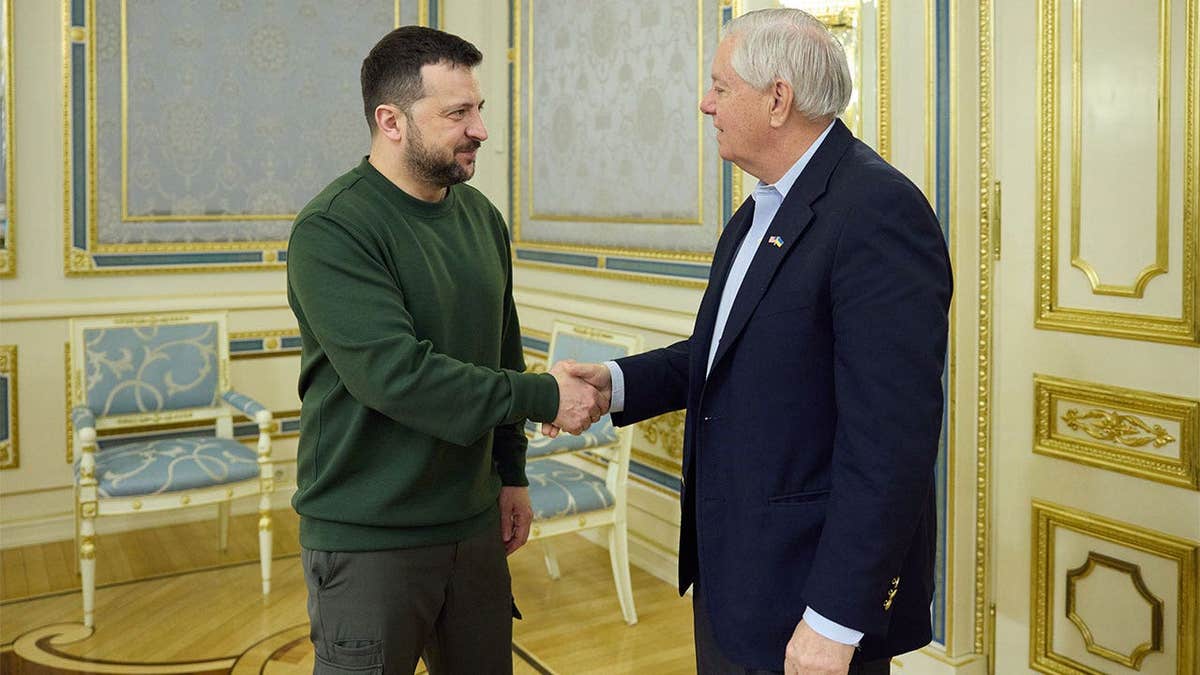
However, the opposition’s concerns reflect a broader institutional anxiety. The tension between the desire to act swiftly against foreign adversaries and the need to preserve the constitutional balance of power—specifically the congressional prerogative over trade and tariff policy—is a debate that will likely continue long after this bill is signed into law.
Looking Ahead
As the bill heads to President Trump’s desk, the political focus will shift to how the administration chooses to implement these new powers. The flexibility granted to the President means that the actual impact of the law will depend heavily on administrative discretion. Will the White House use these tariffs as a genuine tool to force Russia to the negotiating table, or will they become a lever for broader trade negotiations with other global powers?
The resolution of this legislative battle highlights a pivotal moment in 2026. While the bill represents a unified desire to address the humanitarian and security crises in Europe and the Middle East, it simultaneously exposes the deep-seated mistrust regarding the scope of presidential authority. For now, the legislation stands as a testament to the influence of a small group of bipartisan moderates who, by prioritizing foreign policy goals over party unity, have successfully pushed a significant, if controversial, piece of legislation across the finish line.