
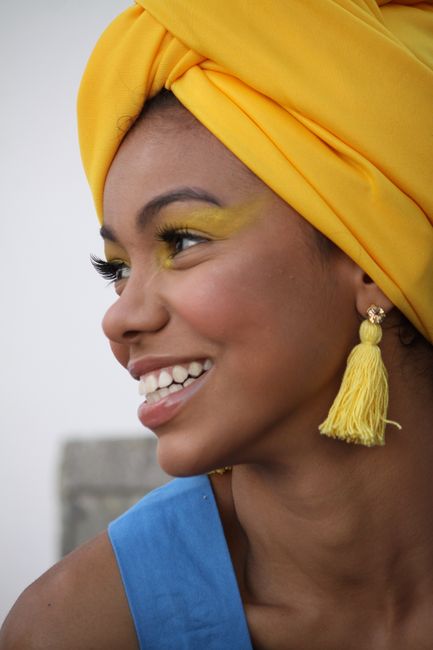
Mastering the Art of Tag Head Wraps: A Comprehensive SEO Guide to Styles, Techniques, and Benefits
The tag head wrap, a versatile and culturally rich accessory, offers a stylish and practical solution for hair management and fashion expression. This comprehensive guide delves into the world of tag head wraps, covering everything from fundamental tying techniques to advanced styling and the significant benefits they offer. For those seeking to elevate their accessory game and discover new ways to adorn their hair, understanding the nuances of tag head wraps is essential. This article is optimized for search engines, ensuring users can easily find information on "tag head wrap tutorials," "how to tie a headscarf," "African headwrap styles," "turban tutorials," and "benefits of wearing headwraps."
The foundation of mastering tag head wraps lies in understanding basic tying methods. These are the building blocks upon which all other styles are constructed. The most fundamental is the simple knot. Begin by unfolding your tag fabric, typically a square or rectangular piece of cloth, to its full size. Drape the fabric over your head, ensuring an even overhang on both sides. Bring the two ends together beneath your chin. Twist one end around the other to create tension, then tie a secure knot. This knot can be positioned at the front, side, or back of the head, offering immediate variations in appearance. For a more voluminous look, a double knot can be employed, or the fabric can be gathered more loosely before knotting. This simple yet effective technique is perfect for everyday wear and provides a secure hold for various hair lengths and textures.
Building upon the simple knot, the pre-tied or turban-style wrap offers a sophisticated and polished aesthetic. Many commercially available tag head wraps are designed to be pre-tied, featuring built-in knots or elastic elements for effortless wear. For those without a pre-tied option, replicating this style involves folding the fabric into a long band, approximately 4-6 inches wide, depending on desired coverage. Drape the band around your head, with the ends meeting at the nape of your neck. Bring one end forward, over the top of your head, and cross it with the other end at the forehead. Twist the ends together at the front, then tuck them securely under the band at the back. This creates the illusion of a neatly tied turban. Experiment with the width of the band and the placement of the knot to achieve different looks, from a sleek, minimalist turban to a more dramatic, voluminous style. This method is excellent for achieving a regal and elegant appearance.
Exploring African-inspired tag head wrap styles reveals a rich tapestry of cultural traditions and artistic expression. These styles often involve more intricate folding and knotting techniques, resulting in visually striking and unique adornments. The “gele,” a popular West African headwrap, is a prime example. While traditional gele tying can be complex and requires practice, many modern tutorials break down the process into manageable steps. Typically, a large, stiff fabric, often Ankara print, is used. The fabric is draped over the head, with one side significantly longer than the other. The longer end is then expertly folded, pleated, and manipulated to create dramatic, architectural shapes. Key to achieving a well-formed gele is the use of stiffening materials or starching the fabric beforehand. Tutorials often emphasize creating volume and distinct pleats to achieve the desired silhouette. Mastering a gele can be a rewarding endeavor, transforming a simple piece of cloth into a statement of cultural pride and personal style.
For those with shorter hair or seeking a more contemporary look, the bandana-style tag head wrap is an excellent choice. This method is quick, easy, and incredibly versatile. Start with a square bandana or a rectangular piece of fabric folded into a square. Drape it over your head, bringing the ends to the front. Tie a knot at the nape of your neck, then bring the knotted ends up to the top of your head and tie them again, creating a playful knot or bow. Alternatively, tie the initial knot at the front and then tuck the excess fabric in. This style is perfect for adding a pop of color or pattern to a casual outfit and is ideal for keeping hair out of your face during active pursuits. The simplicity of this method makes it accessible to everyone, regardless of their hair type or length.
The twisted front tag head wrap offers another chic and modern approach to headscarf styling. Begin by folding your fabric into a long band. Drape it around your head, ensuring the ends meet at the nape of your neck. Bring one end forward and twist it several times over the other end, creating a rope-like effect. Bring the twisted end to the back and secure it with a knot. Repeat with the other end, twisting and bringing it to the back to meet the first twisted end. Tie a final knot at the back to secure both twisted sections. This creates a visually interesting textured effect on the forehead and is particularly flattering for oval and heart-shaped faces. The amount of twisting and the placement of the knot can be adjusted to personalize the look.
The braided tag head wrap technique adds an element of bohemian flair and intricate detail. After draping and securing the initial knot as you would for a simple wrap, take the remaining loose ends. Divide each end into three sections, as if preparing to braid. Braid each section independently down its length. Once braided, bring these braided ends to the front or side of your head and tie them together in a knot or bow. This creates the appearance of intricate braids woven into the headwrap, adding texture and visual interest. This style is perfect for festivals, casual outings, and for those who appreciate detailed craftsmanship in their accessories.
Beyond the aesthetic appeal, tag head wraps offer a multitude of practical benefits. For individuals experiencing hair loss due to medical treatments like chemotherapy, or for those with conditions like alopecia, headwraps provide a comfortable, secure, and stylish alternative to wigs. They offer freedom and confidence, allowing for personal expression and a sense of normalcy. The ability to choose from a wide range of colors, fabrics, and tying styles empowers individuals to curate a look that reflects their personality and preferences, fostering a positive self-image during challenging times. This aspect of headwear is crucial for well-being and is a significant search term for those seeking solutions.
In diverse climates, tag head wraps serve a crucial protective function. In hot, sunny environments, they shield the scalp and hair from harmful UV rays, preventing sunburn and hair damage. This is particularly important for individuals with thinning hair or lighter hair colors, who are more susceptible to scalp burns. Conversely, in colder weather, a well-tied headwrap can provide an extra layer of warmth, protecting the ears and head from chilling winds and low temperatures. The choice of fabric plays a role here, with thicker materials offering more insulation.
For individuals with specific religious or cultural beliefs, head coverings are an integral part of their identity and practice. Tag head wraps offer a culturally appropriate and personally meaningful way to adhere to these traditions. The ability to adapt tying methods and fabric choices allows for a balance between religious observance and personal style. Understanding the cultural significance behind different headwrap styles is essential for respectful engagement and appreciation. Search terms like "religious headscarf tutorials" and "cultural headwear styles" are directly addressed by the versatility of tag head wraps.
Hair management is another significant benefit. Tag head wraps are an excellent tool for taming unruly hair, keeping it out of the face during exercise, cooking, or other daily activities. They can also be used to protect hair from damage caused by environmental factors like humidity or wind. For those with textured hair, headwraps can help preserve hairstyles, reduce frizz, and prevent breakage, especially during sleep. This practical application makes headwraps a valuable accessory for everyday hair care routines.
The act of tying and styling a tag head wrap can also be a mindful and creative practice. It offers an opportunity for self-expression and a moment of personal grooming and adornment. Experimenting with different fabrics, colors, and tying techniques can be a fun and engaging process, allowing individuals to develop their personal style and boost their confidence. This creative outlet contributes to a sense of well-being and personal agency.
When choosing a tag head wrap, fabric selection is paramount. Natural fibers like cotton and linen are breathable and comfortable, ideal for everyday wear and warmer climates. Silk and satin offer a luxurious feel and are excellent for protecting hair from friction, reducing breakage and frizz, especially for those with delicate or curly hair. Stiffer fabrics like Ankara or damask are better suited for creating structured styles like the gele, where volume and shape are desired. The size of the fabric also matters; larger pieces offer more versatility for intricate tying, while smaller squares are perfect for simpler bandana styles.
To ensure your tag head wrap stays in place, proper securing techniques are vital. Bobby pins, when strategically placed, can anchor knots and pleats. For slippery fabrics, a thin, grippy undercap or a small amount of hairspray can provide extra hold. Tying the wrap snugly, but not too tightly, is also crucial for comfort and longevity. Practice makes perfect, and with each attempt, you’ll develop a better understanding of how different fabrics and tying methods work best for your hair and desired style.
In conclusion, the tag head wrap is far more than just a fashion accessory. It’s a tool for self-expression, a guardian against the elements, a symbol of cultural heritage, and a practical solution for hair management. This comprehensive guide has provided a deep dive into various tying techniques, from the simplest knot to intricate African-inspired styles, and highlighted the numerous benefits associated with wearing headwraps. By understanding the nuances of fabric choice, securing methods, and the diverse styling possibilities, anyone can master the art of the tag head wrap and unlock its full potential for style, comfort, and confidence. Continued exploration through "tag head wrap tutorials" and related searches will further enhance your mastery and personal connection to this timeless accessory.

