The interior design of actor Lucy Hale’s Los Angeles residence serves as a definitive case study in the power of "instinctive" curation, showcasing how high-end residential architecture can be transformed through the strategic, often daring, application of soft furnishings. Collaborating with the design duo Ashley Drost and Marie Trohman of the firm Proem, Hale has created an environment that defies conventional stylistic categorization, blending structural elements like exposed dark-wood beams and sloped ceilings with a vibrant, highly personal array of decor. Central to this aesthetic are the throw pillows, which act as the final, essential layer of the home’s personality, bridging the gap between sophisticated design and the actor’s self-described "witchy" and whimsical sensibilities.
The Evolution of a Personalized Space
The design process, which spanned several months leading up to the final reveal, was characterized by a collaborative tension between professional design principles and the homeowner’s personal narrative. While the architectural bones of the house lean toward a classic, rustic, or even bohemian foundation, the interior furnishings—specifically the soft goods—inject an irreverent, modern energy.

According to Drost and Trohman, the project was not merely a decorative exercise but a psychological one. The inclusion of unconventional objects—such as a two-foot-tall sheep statue and a vintage Elvis-themed lamp—underscores a departure from the "curated showroom" look that often permeates celebrity home design. Instead, the team prioritized items that functioned as conversation starters, ensuring that the living space felt lived-in and authentic to Hale’s evolving tastes. This approach aligns with a growing trend in interior design known as "maximalist comfort," where individuals prioritize emotional resonance over rigid adherence to color palettes or historical period consistency.
The Strategic Role of Textiles in Interior Design
Throw pillows, while often dismissed as minor accessories, occupy a critical role in interior architecture. Industry data from the American Home Furnishings Alliance indicates that textile-based decor accounts for a significant portion of consumer spending in the home improvement sector, as these items offer the highest "changeability" for the lowest financial barrier to entry. By altering cushions, a homeowner can shift the mood of a room from formal to casual or from minimalist to maximalist without structural renovations.
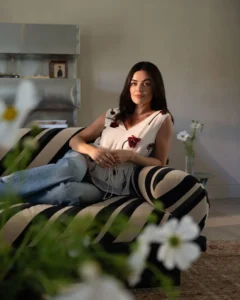
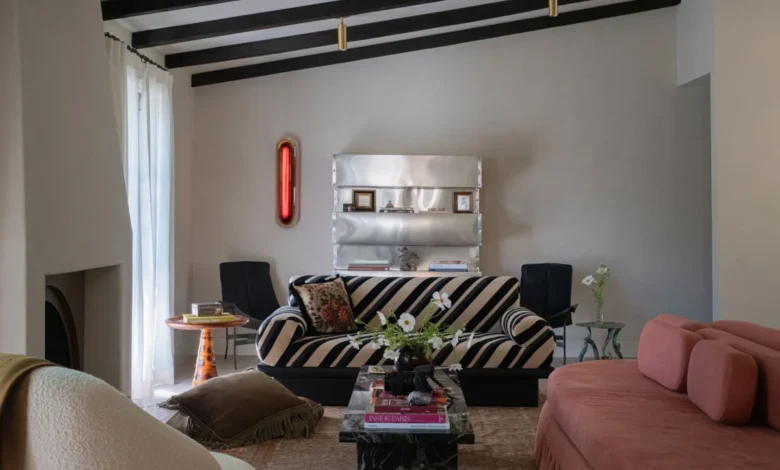
In the case of Hale’s home, the pillows serve as structural anchors. The living room provides a primary example: a dusty-rose pink couch sits adjacent to a black-and-white striped sofa designed by Kelly Wearstler. On the surface, the pairing of a graphic, high-contrast stripe with a soft, muted pastel would typically be discouraged by conventional design rules. However, the introduction of a fringed, floral Gucci pillow acts as a visual mediator. The floral print introduces organic shapes that soften the rigid geometry of the stripes, while the fringe echoes the textures found in other parts of the home, creating a cohesive visual language out of disparate elements.

Chronology of the Design Concept
The development of the home’s interior followed a distinct, three-phase trajectory:
- Phase One (Conceptualization): The design team identified the "witchy" and "fun" motifs as the primary directives. This involved selecting base furniture that could withstand high-contrast styling.
- Phase Two (The Move-in Experiment): During the transition period, the team utilized a "trial-and-error" method. The Gucci pillow, now a focal point of the living room, was placed on the Wearstler sofa almost by accident during the initial move-in. The team recognized that the friction between the two patterns—floral vs. stripe—created a tension that felt intentional and, more importantly, "personal."
- Phase Three (Refinement): The final phase focused on layering textures. For instance, in the entertainment room, Hale insisted on circular, leopard-print pillows. While the designers initially expressed hesitation, fearing the print would clash with the watercolor-themed upholstery, they ultimately conceded. The result validated Hale’s instinct; the animal print added depth and served as a grounding element for the lighter, more ethereal watercolor palette.
Psychological and Aesthetic Implications
Design analysts often note that the "eclectic home" is a reflection of the occupant’s desire for a curated sense of identity. By mixing high-fashion pieces (Gucci) with vintage textiles and pastoral-inspired embroidery, the project avoids the sterility of mass-produced design.
The use of pastoral, landscape-embroidered pillows on the bed, for instance, represents a pivot away from the initial plan of installing a formal Aubusson tapestry. By translating the texture and history of a tapestry into a functional pillow, the designers achieved the same level of historical gravitas but with a more approachable, tactile quality. This choice speaks to a broader shift in residential design: the movement away from "museum-quality" display toward "functional comfort."

Expert Analysis: The "Layering" Phenomenon
Interior design experts suggest that the success of Hale’s space relies on "controlled chaos." The application of gold, ornate pillows on a deep gray tufted daybed in the meditation room is an example of contrast as a design tool. The gold acts as a warm light source, reflecting and diffusing the ambient light, while the silken fabric provides a sensory contrast to the velvet base.
From an economic standpoint, this project demonstrates the value of investing in high-quality, distinctive textiles. While furniture frames often represent the largest capital expenditure in a home renovation, the pillows represent the "branding" of the space. As noted by the design team at Proem, the pillows were not merely selected to match; they were selected to provoke. This philosophy of "irreverent design" allows for a more flexible home environment, one that can evolve as the owner’s tastes change, rather than remaining static and tied to the trends of a specific year.
Broader Industry Trends and Consumer Takeaways
The design choices made in the Hale residence are reflective of a larger industry shift toward "Personalized Maximalism." As the real estate market in major metropolitan areas like Los Angeles remains competitive, homeowners are increasingly viewing their living spaces as sanctuaries that must be deeply expressive. The reliance on textiles to accomplish this shift is a practical and effective strategy.

For the average consumer, the takeaways from this project are threefold:
- Embrace Pattern Mixing: Do not fear placing a graphic stripe next to a vintage floral. The key is to ensure there is a shared color or a common tonal base that links the two.
- Prioritize Texture: If a color palette is limited to a single hue—such as the gray of the meditation daybed—the use of metallic fabrics or intricate embroidery can prevent the room from feeling monotonous.
- Trust the Instinct: The "accident" of the Gucci pillow placement serves as a reminder that design is often improved by intuition rather than strict adherence to a mood board.
Conclusion: A Blueprint for Individual Expression
The home of Lucy Hale, designed in collaboration with Proem, stands as a testament to the idea that interior design should be an iterative, personal process. By treating throw pillows as essential components of the home’s architecture rather than mere afterthoughts, the team successfully created a space that feels both glamorous and intimate.
The inclusion of varied styles—from pastoral landscapes to bold animal prints—serves as a reminder that a well-designed home is not one that follows a specific style guide, but one that effectively narrates the life and personality of its inhabitant. As we move further into a design era that prioritizes individuality over uniformity, the "instinctive" approach demonstrated here is likely to become a benchmark for future residential projects. Whether through the inclusion of a two-foot-tall sheep statue or the placement of an unexpected floral accent on a designer sofa, the message is clear: design is most successful when it is willing to be a little bit "witchy," a little bit irreverent, and entirely, authentically, personal.