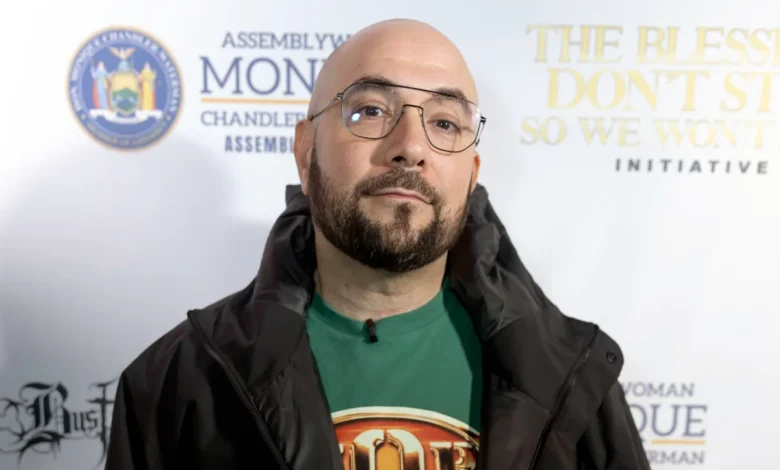
The intersection of the American entertainment industry, cultural identity, and Middle Eastern geopolitics has increasingly become a volatile space for public figures, media personalities, and artists alike. In recent months, public discourse surrounding the ongoing Israel-Hamas war has permeated popular culture, leading to high-profile controversies, cancelled concert tours, and difficult conversations regarding free speech and political expression. Among those observing and experiencing this cultural shift firsthand is veteran media personality Peter Rosenberg. Known for his long-standing career in hip-hop radio, including his tenure at Hot 97 and his current role co-hosting the Ebro Laura Rosenberg Show, Rosenberg has offered candid reflections on how the shifting sociopolitical landscape has impacted Jewish figures within the music industry.
The discussion surrounding these tensions gained renewed urgency following a series of events involving pop superstar Ed Sheeran’s North American Loop Tour. Eight months into the tour, Sheeran found himself at the center of a political firestorm after his opening act, Macklemore, utilized the stage to voice support for the Free Palestine movement. Following two performances in New Jersey that featured Macklemore, the remainder of the tour’s North American leg faced sudden uncertainty. The situation escalated when Robert Kraft, owner of the New England Patriots and proprietor of Gillette Stadium, publicly categorized Macklemore’s onstage comments as hate speech. In response, Macklemore stood by his position, citing the devastating civilian toll of the war in Gaza, which prompted several other supporting acts and members of Sheeran’s backing band to withdraw from the tour in solidarity.
The Root and Rise of Modern Antisemitism in Entertainment
To understand the current climate within the entertainment sector, industry analysts often point to a broader timeline of rising tensions that predates the events of October 7, 2023. In the years and months leading up to the escalation of the conflict in the Middle East, public figures like Kanye West (Ye) engaged in a series of highly publicized antisemitic outbursts, including expressions of admiration for Adolf Hitler and the promotion of harmful tropes regarding Jewish influence in media and finance.

For many Jewish professionals working in entertainment, these moments marked a tangible shift in public discourse. Rosenberg has noted that the normalization of antisemitic rhetoric during this period created a noticeably harsher environment on social media and within public forums. According to media analysts, the convergence of celebrity endorsements of antisemitic tropes and the hyper-polarized discourse surrounding foreign policy has left many Jewish artists, executives, and media personnel navigating a complex and frequently hostile landscape.
Chronology of a Cultural Flashpoint
The trajectory of the current debate involves several key milestones that have altered how public figures address the conflict:
- Pre-October 2007–2022: A gradual increase in polarized online discourse, punctuated by public controversies involving prominent celebrities making inflammatory statements regarding Jewish people and institutions.
- October 7, 2023: The Hamas-led attacks on southern Israel, resulting in the mass casualties of civilians, including attendees at the Nova Music Festival, which triggered widespread grief and trauma within the global Jewish community.
- Post-October 7 Operations: The subsequent military campaign in Gaza led by the Israeli government, which drew intense international scrutiny, widespread protests, and a significant shift in public opinion regarding Israeli state policy.
- Late 2024–2025: Incidents within the live entertainment industry, such as the Ed Sheeran tour controversy and venue cancellations, highlighting the collision between commercial music tours and geopolitical activism.
The Clash of Free Speech and Corporate Accountability
The decision by venue operators to cancel or restrict performances based on political commentary has ignited a fierce debate regarding the boundaries of free speech, censorship, and corporate responsibility. Critics of venue interventions argue that silencing artists who speak out on humanitarian issues suppresses legitimate political discourse and conflates criticism of government policy with bigotry. Conversely, proponents of restrictions maintain that certain political slogans and onstage remarks can create a hostile environment for specific communities, effectively crossing the line from political dissent into hate speech.

Legal and industry experts have pointed out that the involvement of major venue owners, such as Robert Kraft, introduces complex commercial variables into touring schedules. Contracts between artists, promoters, and stadium proprietors typically do not account for sudden geopolitical flashpoints, leaving tour operators in a precarious legal and public relations dilemma. Observers note that when venue owners take unilateral action to bar specific opening acts, it places primary headliners—such as Ed Sheeran—in the difficult position of having to choose between contractual obligations, ideological solidarity, and commercial viability.
The Middle Ground and the Future of Public Discourse
Amid these polarized extremes, many cultural commentators argue that the rational middle—individuals attempting to balance empathy for Israeli victims of terrorism with concern for Palestinian civilians—is frequently drowned out by partisan rhetoric. Rosenberg and other media figures have emphasized the necessity of holding multiple truths simultaneously: acknowledging the historical trauma and ongoing reality of antisemitism while maintaining the right to criticize state-sanctioned military actions and government policies.
As the music and entertainment industries continue to grapple with these divisions, the impact on public figures is expected to persist. Whether through changes in touring protocols, heightened security measures, or continued public debates on social media, the intersection of pop culture and international politics remains one of the most defining challenges for contemporary media professionals.