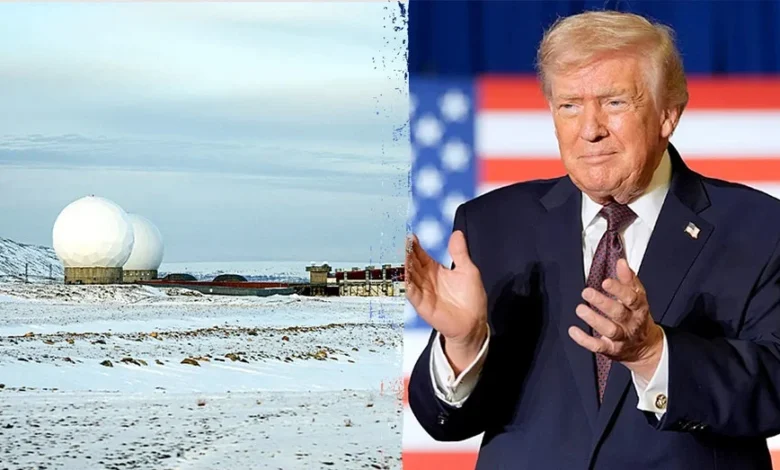
In a move that fundamentally reshapes the geopolitical landscape of the High North, President Donald Trump has finalized a sweeping defense agreement with the governments of Denmark and Greenland. The pact grants the United States permanent military rights, basing privileges, and overflight authority across the strategically vital Arctic territory. While the deal stops short of transferring sovereignty, it establishes an "infinite life" framework that ensures an enduring American military presence, effectively checking the influence of global adversaries in the Arctic Circle.
The agreement marks the culmination of months of discreet, high-stakes diplomacy led by Secretary of State Marco Rubio and White House advisor Stephen Miller. By securing these rights, the United States aims to fortify its northern perimeter, ensuring that Greenland remains firmly anchored within the Western security architecture.
A Strategic Pivot in the Arctic
The Arctic has increasingly become a theater of great power competition. As climate change renders the region more accessible, the opening of new shipping lanes and the potential for resource extraction have drawn the attention of both Moscow and Beijing. For the United States, Greenland—the world’s largest island—serves as an unsinkable aircraft carrier. Its location provides critical early-warning capabilities and a staging ground for power projection that covers much of the Northern Hemisphere.
Under the new terms, the United States retains the right to establish additional military installations as deemed necessary for national security. Crucially, the agreement grants Washington the autonomy to proceed with these developments after consultation with Greenlandic and Danish authorities, removing the need for local approval that had previously hampered expansion efforts.
Chronology of the Diplomatic Breakthrough
The road to this agreement began in earnest following renewed tensions in the Arctic in early 2026. While the Trump administration’s interest in Greenland was first publicized during his initial term, the current administration transitioned from speculative overtures to a formal, multi-lateral negotiation process.
- February 2026: Secret negotiations commence between Washington, Copenhagen, and Nuuk. The talks are characterized by strict confidentiality to prevent domestic political backlash in Denmark and Greenland.
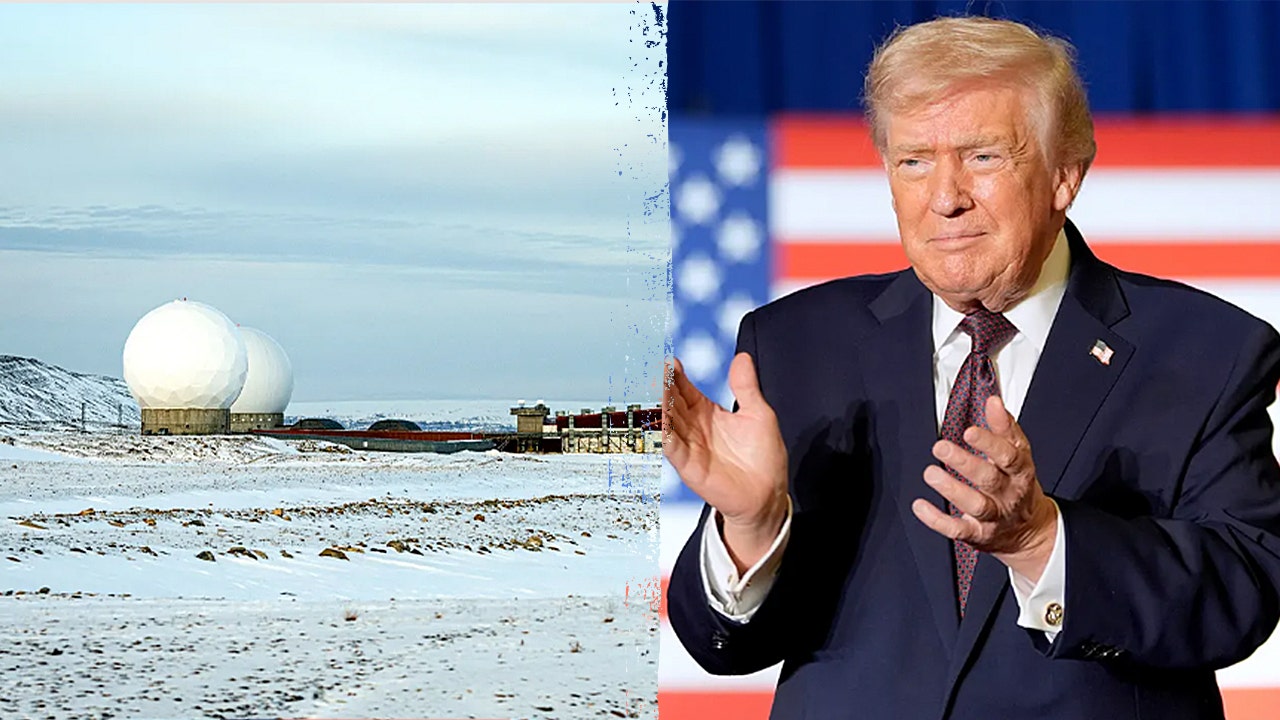
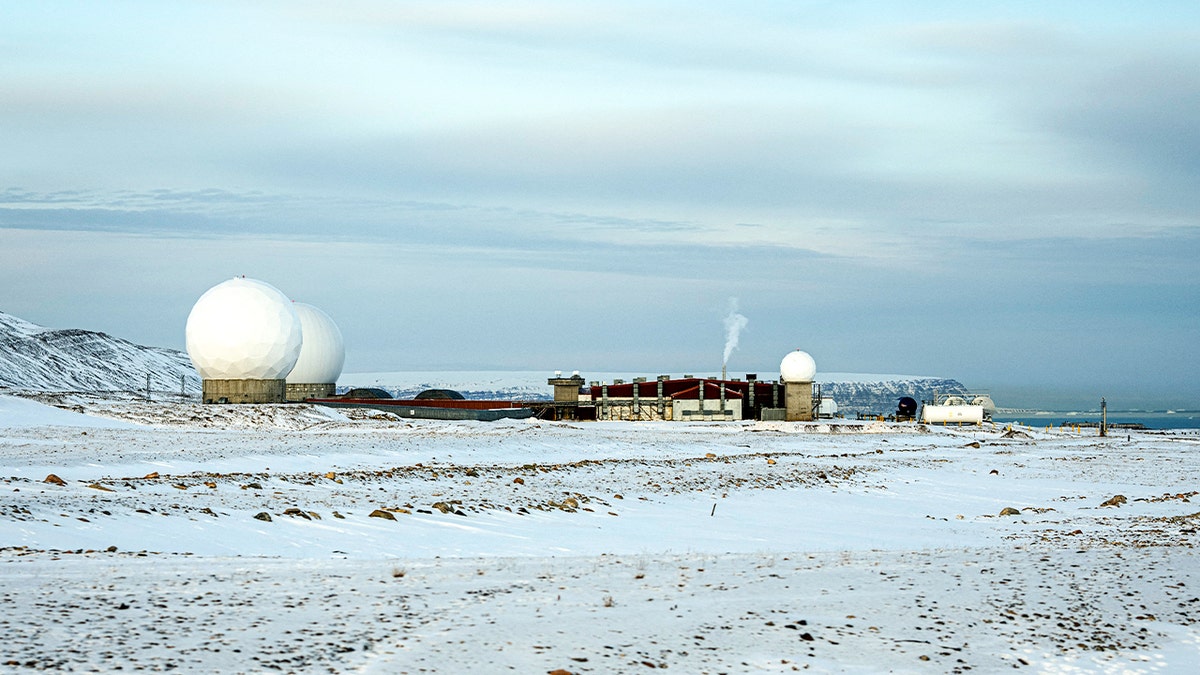
- Spring 2026: Technical teams from the State Department and the National Security Council map out specific security needs, including the expansion of the Pituffik Space Base.
- Summer 2026: During the NATO Leaders Summit in Ankara, Turkey, friction between the U.S. and Denmark briefly surfaced in public, with Danish Prime Minister Mette Frederiksen expressing concern over sovereignty. However, behind-the-scenes negotiations reached a breakthrough as the administration framed the deal as a collective security necessity rather than an acquisition.
- January 2027: The final agreement is signed, codifying permanent U.S. access and exclusionary rights for non-NATO military entities.
Excluding Strategic Adversaries
A centerpiece of the agreement is a robust exclusionary clause. The treaty explicitly prohibits China, Russia, and other non-NATO nations from establishing military bases or maintaining any permanent troop presence on the island. Furthermore, the deal imposes strict limitations on "sensitive investments."
This provision is designed to prevent the "Panama Canal scenario," where foreign powers gain influence through the development of critical civilian infrastructure—such as undersea data cables, deep-water ports, and telecommunications networks—which can be repurposed for military surveillance or intelligence gathering. By restricting these sectors to U.S. and allied investment, the administration intends to insulate Greenland from foreign economic coercion.
Economic and Defense Implications
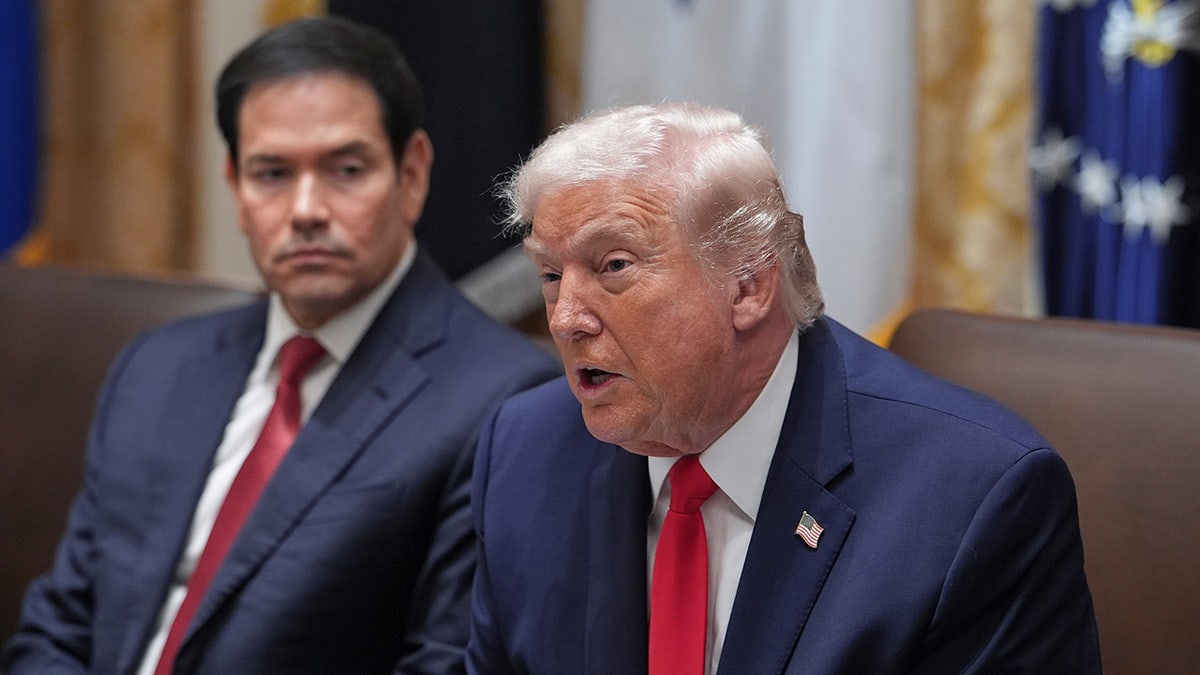
The agreement is being hailed by the administration as a masterclass in cost-effective national security. Secretary of State Marco Rubio emphasized that the United States achieved these permanent rights without the burden of direct fiscal compensation to the taxpayer, arguing that the security guarantee provided to Greenland is the primary value proposition of the deal.
"Greenland will forever be part of the strategic defense area of North America," Secretary Rubio stated. "This deal permanently and completely addresses our national security concerns, ensuring that our adversaries cannot gain a foothold in our backyard."
For Greenland, the deal provides a security umbrella that the territory could not realistically afford on its own. While Greenland is a self-governing territory within the Kingdom of Denmark, its small population and limited economic base make it vulnerable to external pressures. By aligning with the U.S. military, Greenland secures a permanent protector, while Denmark retains its sovereign oversight, albeit with a redefined military relationship with Washington.
The Future of Missile Defense
One of the most significant technical aspects of the agreement is the potential for the integration of the "Golden Dome" missile defense system. The administration has signaled that the expanded U.S. footprint in Greenland will facilitate the deployment of advanced sensor arrays and interceptor platforms. This would provide the U.S. with a superior "top-down" defense capability against long-range ballistic missiles, filling a critical gap in the North American Aerospace Defense Command (NORAD) network.
Experts in defense policy note that this capability is vital as Russia continues to modernize its fleet of quiet, long-range nuclear submarines. These vessels, capable of operating beneath the Arctic ice, pose a persistent threat to the U.S. mainland. An expanded, permanent presence in Greenland allows for persistent monitoring and rapid response capabilities that were previously intermittent or reliant on aging infrastructure.
Reactions and Global Response
The international community has monitored these developments with significant interest. While the governments of Denmark and Greenland have yet to release a comprehensive post-signing statement, the shift in tone from the summer of 2026 suggests a pragmatic acceptance.
In Washington, the agreement is viewed as a victory for the "America First" foreign policy, demonstrating the ability to project power through strategic alliances rather than traditional annexation. Critics of the deal, however, may point to the long-term diplomatic costs of potentially alienating European partners, though the administration maintains that the security benefits outweigh these risks.
Analytical Perspective: The Arctic’s New Status Quo
The long-term implication of this deal is the definitive "Westernization" of the Arctic security apparatus. By locking in permanent rights that survive even potential future independence for Greenland, the United States has effectively "future-proofed" its Arctic posture.
The strategy reflects a departure from the reactive policies of previous decades. Instead of merely responding to foreign incursions, the U.S. has preemptively secured the terrain. The "Infinite Life" clause, as characterized by President Trump, signals to Beijing and Moscow that the Arctic is no longer a vacuum awaiting opportunistic development.
Furthermore, by linking the security of Greenland to the economic security of the region—through the restriction of foreign control over critical infrastructure—the U.S. is signaling that its definition of national security now includes the prevention of economic sabotage in the civilian sphere.
Conclusion
As the 21st century progresses, the importance of the Arctic will only grow. The rapid melting of sea ice, the rise of new, viable shipping routes, and the escalating competition for rare earth minerals found in Greenland make the island a focal point of global power.
President Trump’s agreement effectively secures the northern flank of the United States for the foreseeable future. By balancing the sovereign rights of Denmark and the autonomy of Greenland with the imperative of U.S. national security, the administration has established a framework that will likely define Arctic relations for generations to come. Whether the agreement will successfully deter the expansionist ambitions of adversaries remains to be seen, but for the present, the United States has secured a clear and decisive strategic advantage in the high north.