In an unexpected convergence of microbiology, materials science, and gerontology, researchers have unveiled a revolutionary biological approach to combating the physiological decline associated with aging. A scientific team led by Professor An Xu at the Hefei Institutes of Physical Science, operating under the umbrella of the Chinese Academy of Sciences, has demonstrated that a specific strain of magnetotactic bacteria can significantly extend the healthy lifespan of the laboratory model organism Caenorhabditis elegans.
The peer-reviewed study, which sheds light on entirely uncharted territories of microbial gerontology, indicates that Magnetospirillum magneticum AMB-1—commonly referred to as AMB-1—can boost the average lifespan of these nematode worms by an impressive 43.39 percent. Beyond merely prolonging survival, the bacterial intervention successfully preserved vital physiological markers of youth in the aging organisms, including neurological function and intestinal integrity. The findings, which represent a significant leap forward in understanding the complex dynamics between host organisms and specialized bacteria, were recently detailed and published in the esteemed scientific journal Free Radical Biology and Medicine.
The Quest for Novel Gerontological Interventions
Aging is universally characterized by the progressive deterioration of normal physiological functions, accompanied by a steep, exponential escalation in the risk profile for a myriad of chronic, debilitating diseases. These include cardiovascular disorders, neurodegenerative conditions, metabolic syndromes, and malignancies. For decades, the biomedical research community has heavily invested in identifying pharmaceutical compounds, such as rapamycin and metformin, as well as genetic modifications that might slow the inexorable ticking of the biological clock.
Despite encouraging breakthroughs in laboratory settings, translating these pharmacological and genetic anti-aging strategies into safe, practical, and clinically viable therapies for humans remains fraught with challenges. Issues concerning systemic toxicity, chronic off-target side effects, and the difficulty of safely delivering interventions over decades of human life have motivated scientists to explore unconventional alternative avenues. Among the most promising of these is the harnessing of beneficial microorganisms that can naturally interface with host biology.
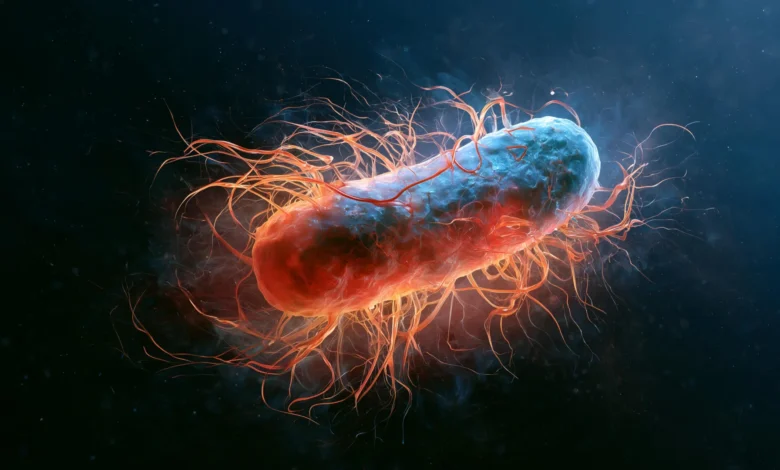
Enter magnetotactic bacteria, a fascinating and physiologically unique group of aquatic microorganisms. What sets these bacteria apart is their remarkable ability to navigate along geomagnetic field lines, a capability driven by internal, membrane-bound organelles known as magnetosomes. These specialized structures are rich in magnetic iron crystals. Because of their inherent biocompatibility, high stability, and unique structural properties, magnetotactic bacteria have previously captured the imagination of nanotechnologists and oncologists alike. They have been extensively investigated for their potential deployment in targeted drug delivery systems, hyperthermia cancer treatments, and biomedical imaging diagnostics.
However, until this breakthrough by Professor Xu and his colleagues at the Hefei Institutes, the potential influence of magnetotactic bacteria on systemic aging and longevity had remained virtually unexplored. Recognizing the untapped potential, the research team designed a series of controlled experiments to observe how the introduction of AMB-1 might impact the physiological trajectory of Caenorhabditis elegans, a microscopic nematode that serves as a cornerstone model organism in aging research due to its short life cycle, well-mapped genome, and clear physiological aging markers.
Dramatic Longevity and Healthspan Extension
The empirical results of the study exceeded initial hypotheses. When Caenorhabditis elegans subjects were treated with the AMB-1 bacterial strain, not only did they experience a substantial extension in maximum longevity, but their average lifespan surged by 43.39 percent compared to untreated control groups.
Crucially, the researchers observed that longevity was not achieved at the expense of vitality. In human terms, extending lifespan without a corresponding extension in healthspan—the period of life spent in good health—can lead to an extended burden of frailty and disease. In this study, however, AMB-1 treatment successfully defended the biological machinery of the nematodes against age-related degeneration. Older worms treated with the bacteria exhibited well-preserved neurological functions, maintaining normal locomotion and sensory responses long past the age when their untreated peers experienced severe motor decline. Furthermore, microscopic analysis revealed that the structural integrity of the intestinal epithelial barrier—a critical organ system in C. elegans that frequently breaks down during senescence—remained remarkably intact.
To determine whether the unique magnetic properties of the bacteria were responsible for these profound biological benefits, the team conducted comparative trials utilizing mutant strains of the same species. They evaluated wild-type AMB-1 against reversibly non-magnetotactic mutants known as RNM-AMB-1, and completely non-magnetotactic mutants designated as NM-AMB-1.
The comparative data provided definitive evidence: the capacity to synthesize functional magnetosomes is a core driver of the longevity-promoting effect. While the wild-type AMB-1 produced robust lifespan extension, the reversibly non-magnetotactic strain showed a significantly diminished longevity effect. Most tellingly, the non-magnetotactic NM-AMB-1 mutant failed entirely to extend the lifespan of the nematodes. This critical comparative milestone confirmed that the physical and chemical properties tied to magnetosome production are intimately linked to the anti-aging mechanism.
Unlocking the Mechanism: The Suppression of Ferroptosis
To unravel the molecular pathways underlying the life-extending properties of AMB-1, the Hefei Institutes research team embarked on an exhaustive biochemical and genetic investigation. Their findings pointed directly toward the mitigation of a specific, highly destructive form of cell death known as ferroptosis.
Ferroptosis is a regulated form of cell death driven by the iron-dependent accumulation of lethal lipid peroxides within cellular membranes. Unlike apoptosis, which is a clean and orderly programmed cell death process, or necrosis, which is typically driven by acute physical trauma, ferroptosis is fundamentally intertwined with systemic iron overload and unchecked oxidative stress. As organisms age, iron dysregulation frequently occurs, leading to the gradual accumulation of free iron ions within tissues. This excess iron catalyzes the generation of reactive oxygen species via Fenton reactions, which subsequently attack polyunsaturated fatty acids in cell membranes, initiating a catastrophic cascade of lipid peroxidation that compromises cellular integrity and drives tissue degeneration.
The researchers discovered that administration of AMB-1 actively counteracted this destructive biological sequence within the nematode models. Biochemical assays revealed that the bacterial treatment successfully reduced excessive iron accumulation and lowered overall levels of lipid peroxidation in the treated worms. By dampening these oxidative and iron-driven pathways, AMB-1 effectively suppressed aging-related ferroptosis, shielding vital cells from premature structural collapse and functional failure.
To confirm these observations at the genetic level, the team performed comprehensive transcriptomic and genetic analyses. The results demonstrated that several key ferroptosis-related regulatory pathways and specific genes—namely ftn-1, bli-3, and ads-1—played an instrumental role in mediating the longevity-regulating effects induced by AMB-1. These genes are known regulators of iron storage, oxidative stress responses, and lipid metabolism in C. elegans, serving as the biological conduits through which the bacteria exert their protective influence.
Implications for Geriatric Medicine and Future Outlook
The publication of these findings in Free Radical Biology and Medicine marks a conceptual shift in how scientists view the intersection of microbiology and aging. By establishing that a magnetotactic bacterium can fundamentally alter the cellular aging trajectory through the targeted suppression of ferroptosis, the research team has laid the groundwork for an entirely new paradigm in anti-aging interventions.
Independent gerontologists and biogerontologists reviewing the study have noted that while translating findings from nematode models to mammalian systems is a complex, multi-step endeavor, the mechanistic clarity of the Hefei Institutes study provides a compelling roadmap. Ferroptosis is increasingly recognized as a universal driver of pathology not only in normal aging but also in severe human pathologies, including neurodegenerative disorders such as Alzheimer’s and Parkinson’s diseases, ischemic stroke, and acute kidney injury.
The biocompatibility of magnetotactic bacteria, combined with their unique responsiveness to external magnetic fields, suggests futuristic clinical applications where engineered microbial agents could be precisely guided to specific tissues within the human body to combat localized oxidative stress and iron accumulation. While human clinical trials remain a distant horizon requiring rigorous safety and efficacy testing, this foundational research opens unprecedented vistas in geriatric medicine.
Ultimately, the work led by Professor An Xu demonstrates that nature may have already evolved sophisticated microbial tools to combat the fundamental molecular drivers of aging. As research progresses from simple invertebrate models to mammalian test systems, the scientific community moves incrementally closer to unlocking safe, durable, and highly innovative strategies to preserve human healthspan in an increasingly aging global population.