
Mastering Tag App Store Optimization: Your Definitive Guide to Visibility and Downloads
Tag App Store Optimization (ASO) is the critical discipline of enhancing your app’s visibility within app stores like Apple’s App Store and Google Play Store, ultimately driving organic downloads and user acquisition. It’s the digital equivalent of search engine optimization (SEO) but tailored for the unique ecosystem of mobile app marketplaces. Effective tag ASO involves strategic keyword research, compelling metadata optimization, continuous performance monitoring, and an understanding of user search behavior. Neglecting this crucial aspect of app marketing can leave even the most innovative and functional app buried in a sea of competitors, invisible to its target audience. The primary goal is to rank higher in search results for relevant keywords, appear in curated lists, and attract more organic traffic that converts into installs. This comprehensive guide will delve into the core components of tag ASO, offering actionable strategies to improve your app’s discoverability and download rates.
Keyword research is the bedrock of successful tag ASO. Without understanding what terms your target audience uses to search for apps like yours, your optimization efforts will be largely ineffectual. Begin by brainstorming broad categories and features associated with your app. For instance, if you have a meditation app, initial keywords might include "meditation," "mindfulness," "sleep," "stress relief," and "anxiety." Next, employ a variety of tools to uncover more specific, long-tail keywords. These are phrases that users often type when they have a clear intent, such as "guided meditation for sleep," "anxiety relief exercises," or "daily mindfulness journal." Tools like Sensor Tower, App Annie (now data.ai), TheTool, and ASOdesk provide valuable insights into keyword search volume, competition levels, and estimated download potential. Google Play Keyword Tools and Apple Search Ads (for the App Store) are also invaluable resources. Analyze competitor app descriptions and reviews to identify keywords they are leveraging or that users are mentioning in their feedback. Prioritize keywords that have a decent search volume but a manageable level of competition. A balanced approach is key: targeting high-volume, highly competitive terms might be too challenging initially, while focusing solely on obscure, low-volume keywords will yield minimal results. Aim for a mix of broad, mid-tail, and long-tail keywords to capture a wider range of search intent.
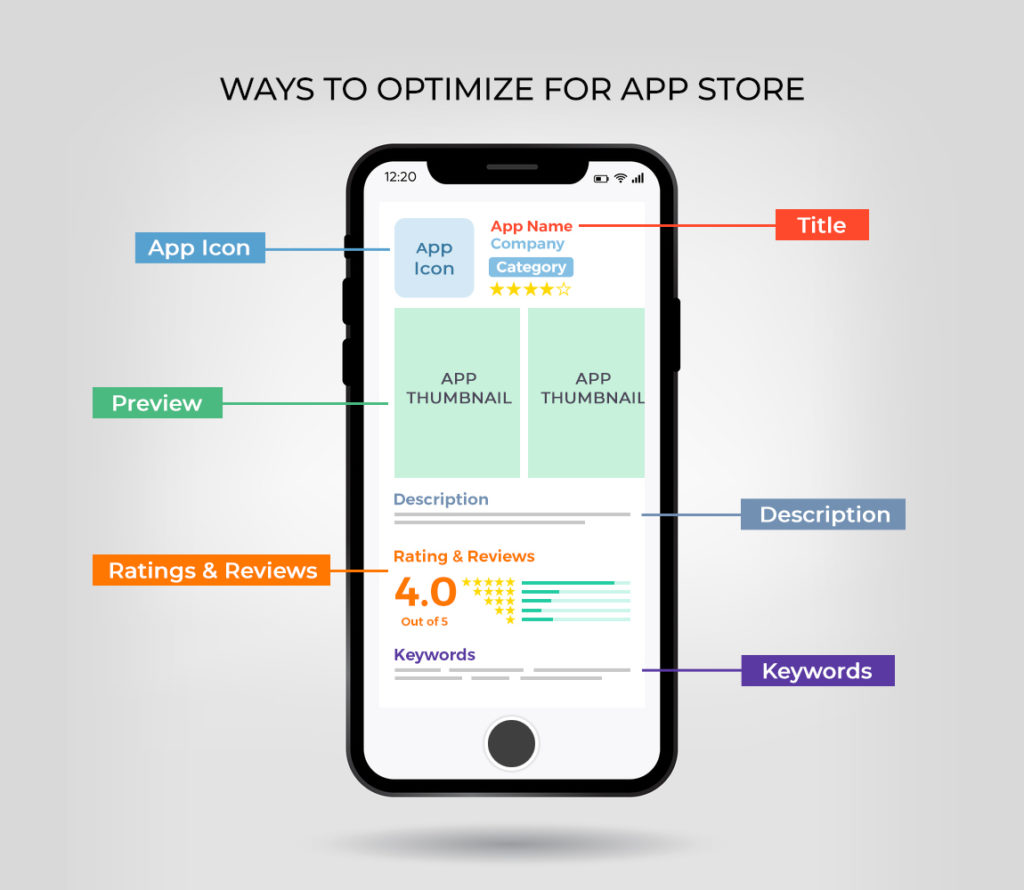
Once you’ve identified your core keywords, the next step is to strategically integrate them into your app’s metadata. This includes the app name, subtitle (iOS), short description (Android), and the full description. For the app name, while it should be descriptive and brandable, it’s also an excellent opportunity to include your primary keyword. For example, instead of just "Zen," consider "Zen: Guided Meditation & Sleep." On iOS, the subtitle offers another precious character count to incorporate secondary keywords, such as "Zen: Guided Meditation & Sleep | Stress Relief & Mindfulness." The short description on Google Play serves a similar purpose, allowing for a concise, keyword-rich summary that entices users to read more. The full description is where you can elaborate on your app’s features, benefits, and use cases, naturally weaving in your researched keywords. Avoid keyword stuffing, which is the practice of cramming keywords unnaturally into your text. This can negatively impact user experience and be penalized by app store algorithms. Instead, focus on creating compelling, readable copy that flows logically and highlights the value proposition of your app, while subtly incorporating your target keywords. Think from the user’s perspective: what information would convince them to download your app?
App icons and screenshots are powerful visual elements that play a significant role in ASO, impacting both discoverability and conversion rates. Your app icon is the first visual impression users have of your app. It should be visually appealing, memorable, and representative of your app’s functionality or brand. A well-designed icon can stand out in crowded search results and entice users to click. Consider using vibrant colors, clear imagery, and a simple, recognizable design. Screenshots are your opportunity to showcase your app’s interface, key features, and unique selling propositions. Design your screenshots to tell a story about your app. The first few screenshots are the most crucial, as they are often displayed in search results or before a user has even clicked into your app listing. Use these to highlight your app’s most compelling benefits and user experience. Employ call-to-action text overlays on screenshots to guide users and inform them about specific features. For example, a screenshot of a fitness app might have text like "Track Your Workouts" or "Achieve Your Fitness Goals." Regularly test different icon designs and screenshot layouts to see what resonates best with your target audience and leads to higher conversion rates.
The app store review and rating system is a critical factor in both user trust and app store algorithms. Positive reviews and high ratings signal to app stores that your app is valuable and well-received, leading to improved search rankings. Conversely, negative reviews can severely damage your app’s reputation and visibility. Actively encourage satisfied users to leave reviews. This can be done within the app itself, through in-app prompts that appear after a positive user experience, or via email campaigns. Respond to all reviews, both positive and negative, in a professional and constructive manner. Addressing negative feedback shows that you are committed to improving your app and value your users’ opinions. For negative reviews, offer solutions or explanations, and if appropriate, invite users to contact your support team directly to resolve their issues. Building a community around your app and fostering positive user engagement can lead to a virtuous cycle of better reviews, higher rankings, and more downloads.
App store localization is essential for expanding your app’s reach to a global audience. This goes beyond simply translating your app’s text; it involves adapting your app’s metadata, visuals, and even its functionality to suit the cultural nuances and language preferences of different markets. Localizing your app name, descriptions, and keywords for each target region can significantly boost your visibility in those specific app stores. Research popular keywords in different languages and understand local search trends. For example, a keyword that performs well in English might have a different translation or a completely different set of preferred terms in Spanish or Japanese. Consider localizing screenshots and icon imagery if there are cultural sensitivities or preferences that might influence user perception. Tools like OneSky and Lokalise can assist with the translation and management of your app’s localized assets. A well-localized app not only ranks higher in local search results but also creates a more personalized and engaging experience for international users, leading to increased downloads and retention.
App Store Analytics and continuous monitoring are non-negotiable aspects of effective tag ASO. The app store ecosystems are dynamic, with algorithms constantly evolving and competitor strategies shifting. Regularly tracking your app’s performance metrics is crucial for identifying what’s working and what needs improvement. Key metrics to monitor include keyword rankings, download volumes, conversion rates (impressions to downloads), uninstall rates, and user reviews. Utilize the analytics dashboards provided by the app stores (App Store Connect and Google Play Console) as well as third-party ASO tools to gain deeper insights. Pay close attention to how changes you make to your metadata or visuals impact your rankings and download numbers. Conduct A/B testing on various elements of your app listing, such as icon variations, screenshot order, or description wording, to scientifically determine which approaches yield the best results. This iterative process of testing, analyzing, and refining is what separates highly successful apps from those that languish in obscurity.
Leveraging in-app purchase (IAP) optimization and subscription strategies can also indirectly influence your ASO. While not directly part of the metadata optimization, a strong in-app monetization strategy can lead to higher user engagement and retention. Apps that retain users longer and have a strong revenue model are often favored by app store algorithms. This is because app stores want to promote apps that provide value to users and contribute to their ecosystem. Ensure your IAPs are clearly described, easily accessible, and offer genuine value to your users. For subscription models, focus on providing consistent value and a seamless user experience to minimize churn. A positive user experience driven by well-designed monetization strategies can translate into better reviews and higher retention rates, which are strong signals for improved ASO.
Understanding the nuances of Apple’s App Store and Google Play Store algorithms is beneficial, though they remain largely proprietary. However, general principles apply to both. Both platforms prioritize user experience, relevance, and app quality. For Apple, keyword relevance in the app name and keyword field (though less prominent now) was historically significant. Today, the focus is more on the overall quality of your metadata and user engagement signals. Google Play, on the other hand, heavily emphasizes keyword relevance in the title, short description, and full description, along with user ratings, reviews, and download velocity. Both platforms reward apps that are consistently updated and show signs of active development. Staying informed about algorithm updates and best practices shared by ASO experts and the app stores themselves is crucial for maintaining a competitive edge.
In conclusion, tag App Store Optimization is a multifaceted and ongoing process that is fundamental to the success of any mobile application. It demands a strategic approach to keyword research, meticulous optimization of app metadata, compelling visual presentation through icons and screenshots, active management of user reviews and ratings, thoughtful localization for global markets, and continuous performance analysis. By diligently implementing these strategies and adapting to the ever-evolving app store landscape, you can significantly enhance your app’s discoverability, attract a larger and more relevant user base, and ultimately drive sustained organic growth and downloads. Neglecting any of these core components is an invitation to be overlooked in a fiercely competitive market.

