The architectural and cultural landscape of Hong Kong is undergoing a profound metamorphosis, evolving from its historical roots as a hyper-efficient financial hub into a multifaceted global nexus for the creative arts. This transition has been catalyzed by a strategic infusion of world-class infrastructure and a persistent, grassroots commitment to preserving the city’s unique, layered heritage. As the city continues to solidify its reputation as an international destination for design, it is effectively balancing the rapid rise of iconic, state-of-the-art landmarks with the preservation of its traditional, high-density urban fabric.

The Architectural Renaissance
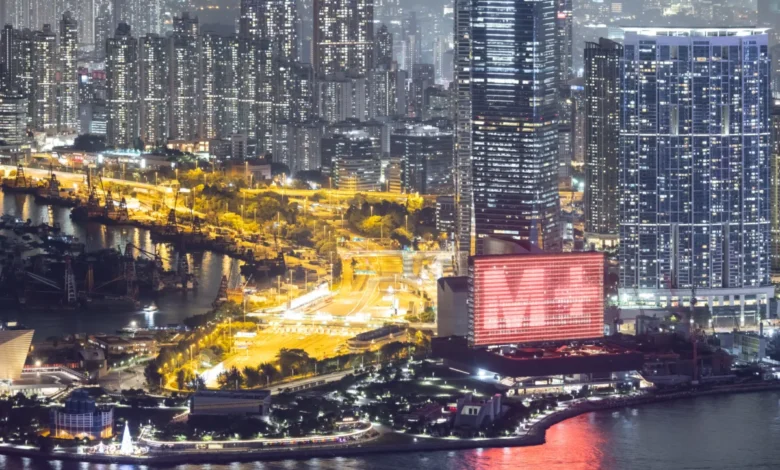
The recent evolution of Hong Kong’s skyline and cultural venues represents a deliberate effort to pivot toward the creative economy. A cornerstone of this shift was the late 2021 opening of the M+ museum in the West Kowloon Cultural District. Designed by the Swiss firm Herzog & de Meuron, M+ has become an architectural benchmark, housing one of the world’s most significant collections of 20th- and 21st-century visual culture. The institution serves not merely as a museum, but as an anchor for the region’s growing influence in the global art market.

This momentum is sustained by a series of ongoing developments. The imminent unveiling of the WestK Performing Arts Centre, also designed by UNStudio, promises to further bolster the district’s cultural footprint. Parallel to these institutional projects is the rise of commercially driven, design-forward skyscrapers. Notable among these is "The Henderson," a tower designed by Zaha Hadid Architects. Its completion signals a new era for premium commercial space in the city, providing a home to major entities like Christie’s Hong Kong. The integration of high-end lifestyle amenities—such as the vibrant, lime-green cocktail lounge Peridot—within these structures demonstrates an industry-wide trend toward blurring the lines between workplace, hospitality, and public art space.

The Duality of the Urban Fabric
Despite the rapid ascent of these glass-and-steel monoliths, Hong Kong’s design identity remains deeply rooted in its idiosyncratic "layering." Vincent Lim, a prominent interior designer and Hong Kong native, notes that the city’s true allure lies in the friction between the hyper-modern and the traditional. "There is the impression of Hong Kong as a hyper-efficient financial capital," Lim explains. "But the Hong Kong we love is more textured than that."

This texture is defined by the coexistence of high-flying commerce and long-standing local institutions. Within the shadow of shimmering towers, one finds traditional wet markets, family-run hardware stores, and cha chaan tengs—colonial-era cafés that remain essential to the city’s culinary and social life. This juxtaposition creates a unique urban experience, where a visitor might step through a nondescript, decades-old alleyway to find a sophisticated, hidden speakeasy or a boutique design gallery.

A Curated Guide to the City’s Creative Pulse
To navigate this city of contradictions, local design experts offer a curated perspective on the spaces that define contemporary Hong Kong.

Hospitality and Refuge
The city’s hotel sector has successfully synthesized luxury with a deep sense of place. The Rosewood Hong Kong is frequently cited for its granular attention to detail, seamlessly integrating harbor views with a residential, warm aesthetic. Similarly, The Upper House, designed by André Fu, has garnered acclaim for its ability to manufacture serenity in the heart of the city’s busiest districts through a restrained, minimalist palette. For those seeking a bridge to the past, The Peninsula Hong Kong remains an unmatched icon, representing the historical intersection of British colonial elegance and Asian hospitality. The newly inaugurated Kimpton Tsim Sha Tsui adds a modern, artistic flair to the waterfront, utilizing local photography and ceramics to root its international brand in local culture.

Culinary and Social Institutions
The gastronomic scene mirrors the city’s architectural diversity. From the precision-focused izakaya culture at Sheung Wan’s Yardbird to the legendary roast goose at the long-standing institution Yung Kee, food remains a primary vehicle for understanding Hong Kong’s social history. For a more "local" experience, insiders point toward Ju Xing Home in Prince Edward, a site favored by the city’s culinary professionals for its authentic, down-to-earth seafood preparations.

Café culture, too, serves as a time capsule. Mido Café in Yau Ma Tei remains a protected environment, where mosaic floors and timber booths evoke the 1950s. Conversely, modern establishments like Halfway Coffee represent the new guard, repurposing vintage materials and salvaged furniture to create a contemporary space that respects the local vernacular.

Strategic Neighborhoods for Exploration
The city’s design density varies by district, each offering a distinct chapter of the Hong Kong story:

- Tsim Sha Tsui East: Often overlooked, this district offers a "90s nostalgia" aesthetic, characterized by the unique architecture of buildings like the Royal Garden hotel and the enduring presence of traditional, high-quality restaurants.
- Ap Lei Chau & Wong Chuk Hang: Formerly industrial zones, these areas have transformed into the city’s primary art gallery hub. The conversion of freight elevators and industrial floors into high-end exhibition spaces is a testament to the city’s adaptive reuse capabilities.
- Sheung Wan: As the gateway to historic Hong Kong, Sheung Wan provides the most direct contact with the city’s past, centered around the Man Mo Temple and the surrounding antique-lined streets of Hollywood Road.
- Sham Shui Po: Long the heart of the city’s textile and leather industries, this working-class district has become an incubator for independent design shops and creative studios, offering a raw, unfiltered look at the creative economy in motion.
Broader Economic and Cultural Implications
The concerted effort to elevate Hong Kong’s status as an art and design destination is a strategic response to regional competition. As other Asian hubs like Singapore and Tokyo compete for the same international creative capital, Hong Kong is leveraging its unique history as a bridge between East and West.

Data from the region’s auction houses and galleries suggest that despite global economic headwinds, the demand for high-end art and collectible design in Hong Kong remains robust. The city’s ability to host major events like Art Basel Hong Kong, supported by a year-round ecosystem of satellite fairs and gallery exhibitions, ensures a continuous influx of international collectors and professionals.

The ongoing renovation of heritage sites and the integration of these into the modern, high-tech urban plan suggests that the city’s planning authorities are increasingly aware of the value of cultural capital. By prioritizing the "layering" of the city—preserving the street-level, family-run, and artisanal shops while simultaneously promoting world-class institutional architecture—Hong Kong is attempting to build a sustainable model for future urban development.

Expert Insights on Future Trends
Industry experts emphasize that the future of the city lies in its "upstairs" culture. As space remains at a premium, the most innovative design, dining, and retail experiences are rarely found at ground level. "The best of Hong Kong hides upstairs—never judge a building by its street level," notes Pak Man Lee, CEO of the Nuovo gallery.

This philosophy encourages a more inquisitive, intentional form of tourism and urban engagement. Whether it is the adaptive reuse of the Asia Society Hong Kong Center or the integration of contemporary arts into the restored colonial buildings of Tai Kwun, the city is signaling a shift toward a more nuanced appreciation of its environment.

As Hong Kong continues to integrate these diverse elements, it remains a unique case study in urban evolution. It is a city that, rather than erasing its past to make way for the future, is finding ways to stack them together, creating a density of experience that is difficult to replicate elsewhere. For the designer, the architect, and the cultural observer, Hong Kong stands not just as a financial market, but as an ongoing experiment in how a 21st-century city can remain tethered to its identity while reaching for the horizon.