The current climate landscape is being reshaped by a meteorological phenomenon of historic proportions, as a "super" El Niño event continues to disrupt global weather patterns with unprecedented intensity. Characterized by a dramatic shift in Pacific Ocean trade winds and a surge in sea surface temperatures, this event has triggered a cascade of extreme weather, from devastating droughts in parts of Asia and Central America to catastrophic flooding in other regions. As ocean temperatures in the critical Niño 3.4 region have climbed to a staggering 3.11 degrees Celsius above the historical norm, the global scientific community is increasingly alarmed, not only by the immediate weather impacts but by what this event signals regarding the trajectory of anthropogenic climate change.
The Mechanics of a Global Disruption
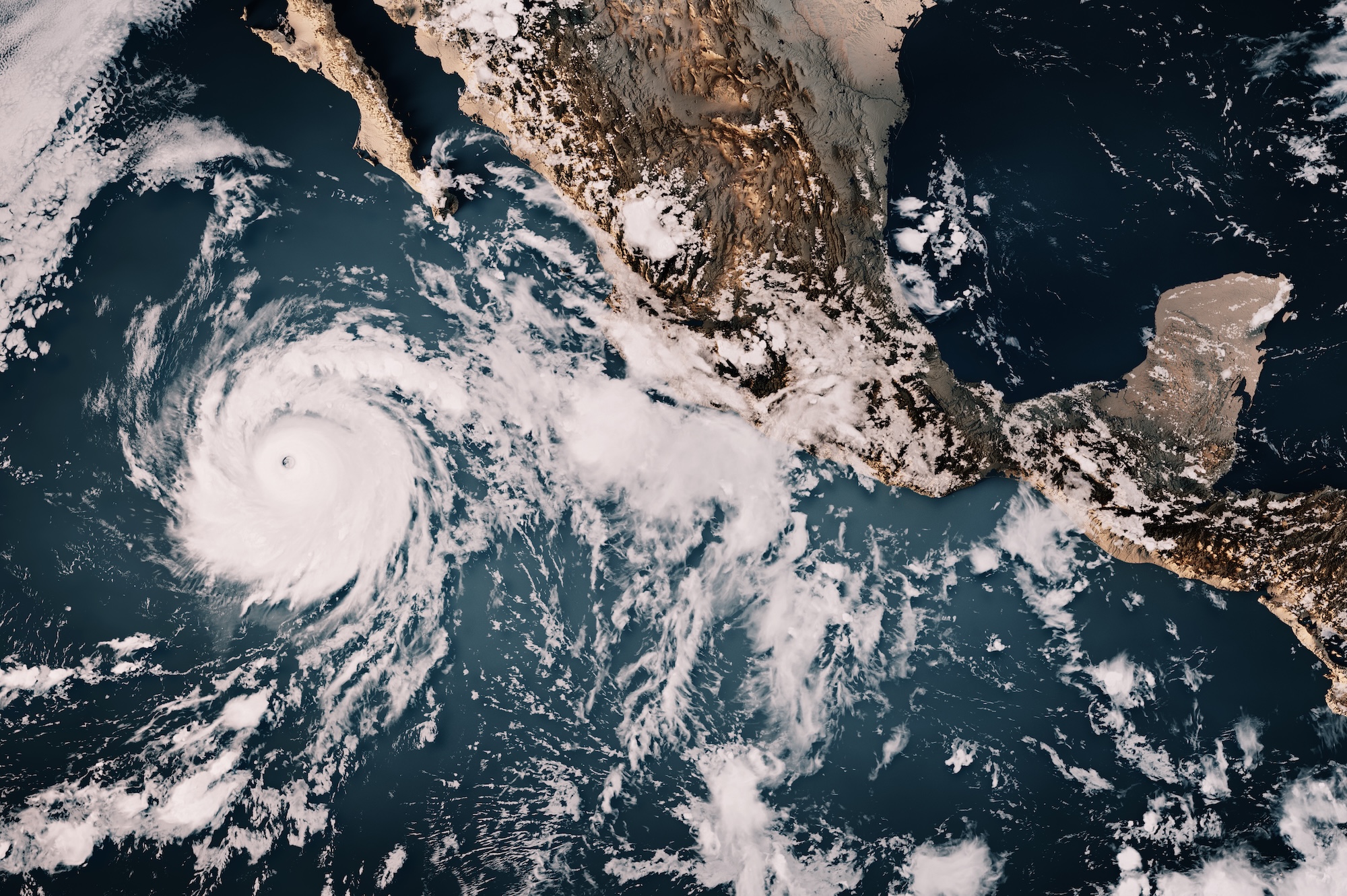
El Niño is a naturally occurring climate pattern, yet its interaction with a warming planet is creating a feedback loop that defies previous historical precedents. In a neutral state, trade winds blow steadily from east to west across the equatorial Pacific, pushing warm surface waters toward Indonesia and Australia, while allowing cooler, nutrient-rich water to rise to the surface along the coast of South America. During an El Niño event, these trade winds weaken or, in extreme cases, reverse direction entirely. This allows the vast pool of warm water that normally sits in the western Pacific to slosh back toward the Americas.
This redistribution of heat alters the atmospheric circulation patterns, shifting the jet streams that dictate weather across the globe. The result is a chaotic redistribution of rainfall and temperature. Regions that typically experience high precipitation may suddenly face prolonged droughts, while arid zones can be subjected to intense, life-threatening storms. The current event is distinguished by its sheer magnitude; while moderate El Niño events are common, the threshold for a "super" event—typically defined by sea surface temperature anomalies exceeding 2 degrees Celsius—has been decisively breached, reaching levels that suggest a new era of climate volatility.
Chronology of the 2026 Climate Surge
The escalation of this event began early in the year, with satellite data and oceanic buoys indicating that the Pacific was trending toward a significant phase shift. By mid-summer 2026, the scientific community had begun to coalesce around the term "super El Niño" as the only descriptor capable of capturing the intensity of the recorded data.
- Early 2026: Initial monitoring of sea surface temperatures in the equatorial Pacific reveals a departure from historical averages, signaling the early stages of a strong El Niño.
- June–August 2026: Global ocean temperatures reach their highest recorded levels. Forecast models increasingly suggest that the event will not merely be "strong," but historic.
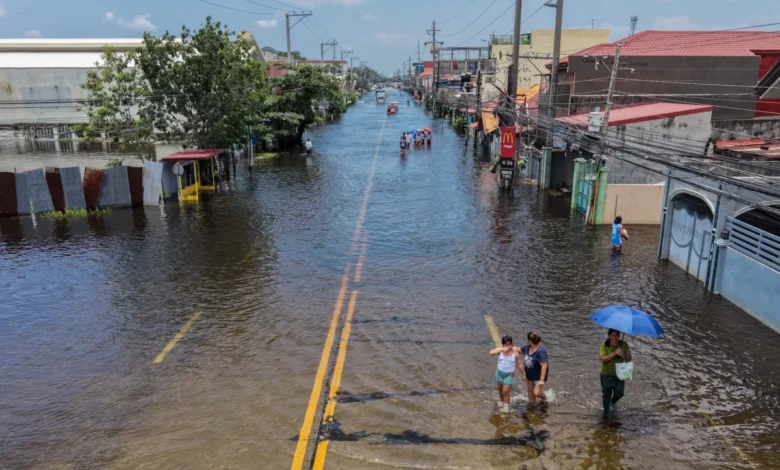
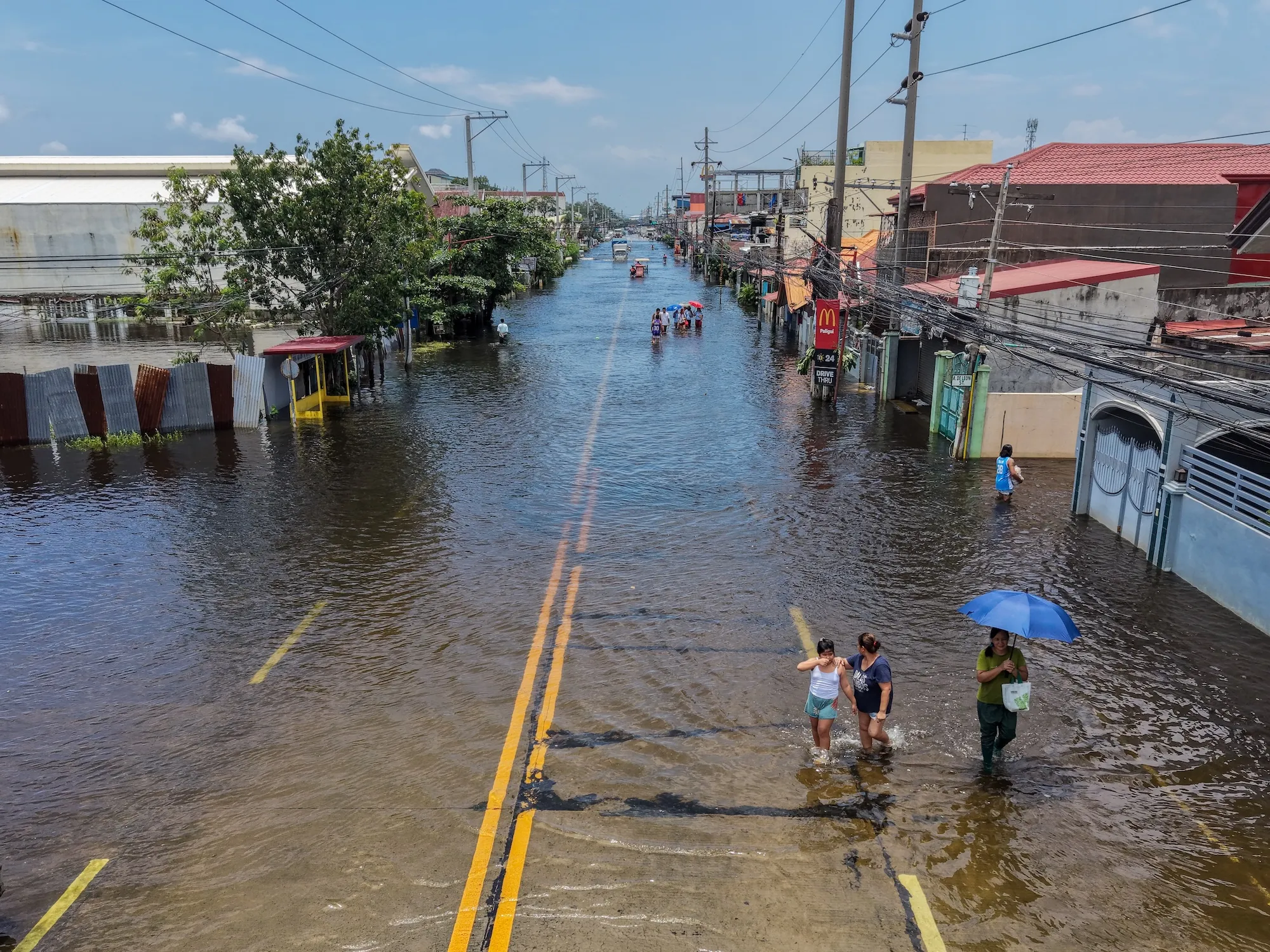
- August 20, 2026: Severe monsoon-driven flooding impacts the Philippines, providing an early indicator of the intensity of the altered atmospheric circulation.
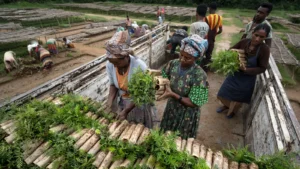
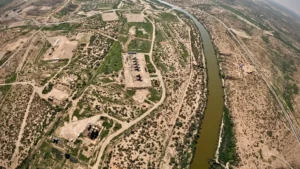
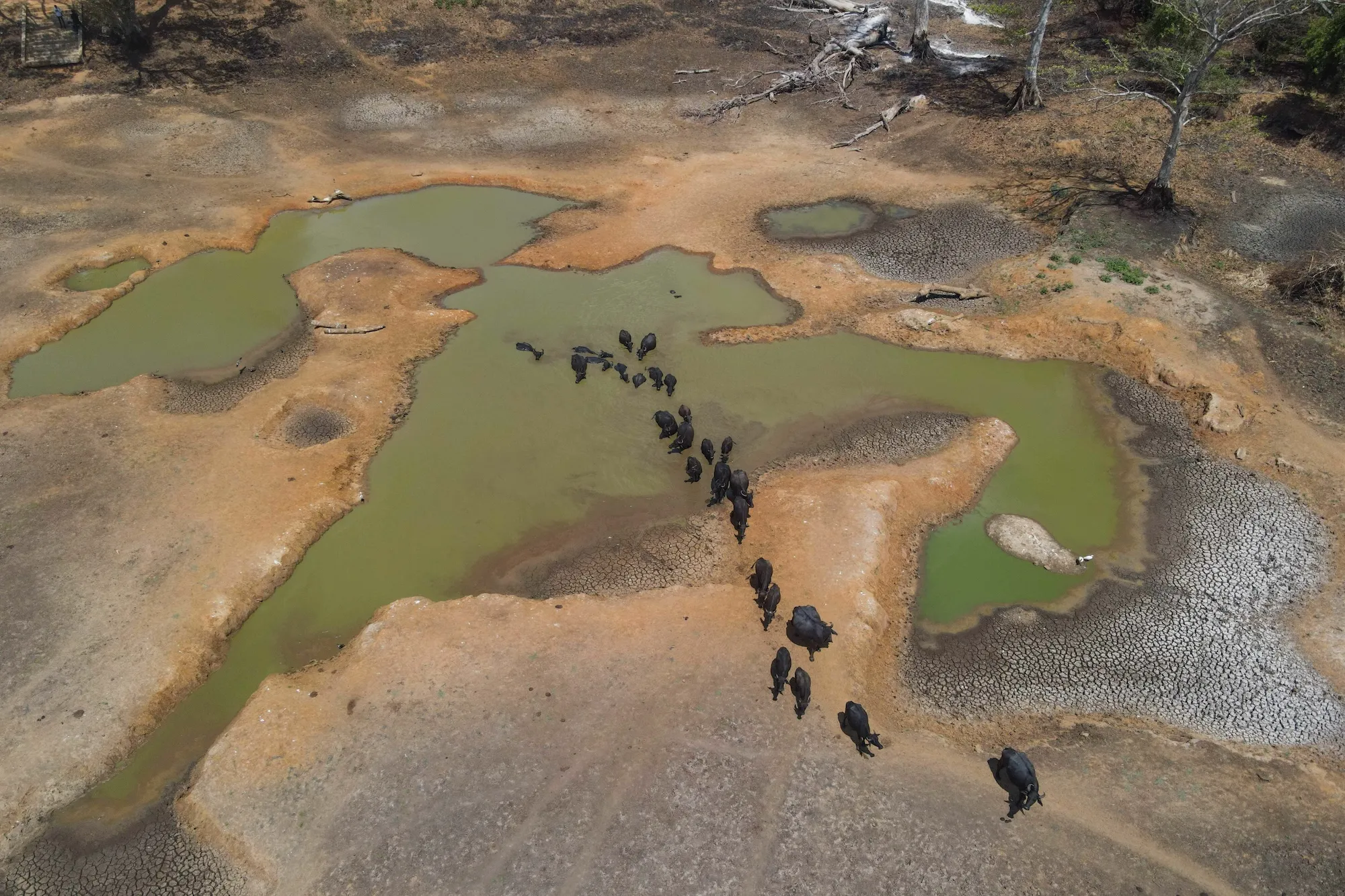
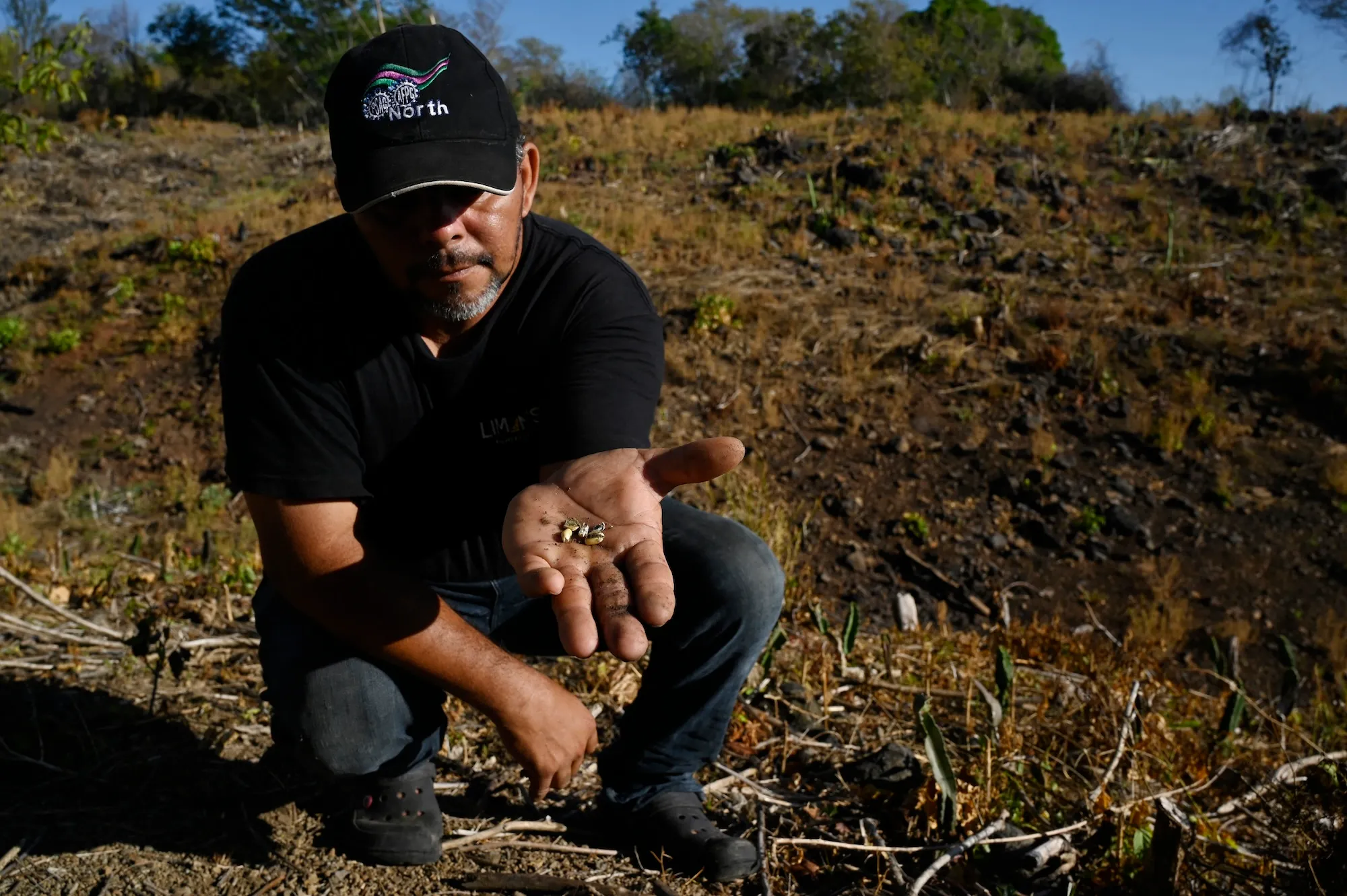
- September 4, 2026: Reports emerge from Honduras and Sri Lanka detailing agricultural failure and water scarcity, as the drying effects of the phenomenon take hold in sensitive ecosystems.
- September 21, 2026: California Governor Gavin Newsom declares a formal state of emergency, citing the need to mobilize resources to bolster defenses against the predicted winter impacts, including coastal erosion and extreme precipitation events.
Data-Driven Perspectives on Intensity
The quantification of this event relies heavily on the Niño 3.4 index, which measures sea surface temperature anomalies in a specific sector of the central-eastern Pacific. According to an analysis released by Carbon Brief, the current anomaly hit 3.11 degrees Celsius as of late September 2026. To put this in perspective, the previous record-holding event in 2015 peaked at a significantly lower intensity.
The implications for human life are stark. Epidemiological modeling has suggested a potential for up to 451,000 heat-related deaths worldwide by February 2027. These projections are based on the synergistic effect of the El Niño-driven warmth and the underlying upward trend in global mean surface temperature caused by the burning of fossil fuels. Climate scientists emphasize that while it is difficult to isolate the exact percentage of warming attributable to El Niño versus long-term climate change, the two forces are acting in tandem to "fast-forward" the climate experience by nearly a decade.
Official Responses and Public Policy
Governments worldwide are scrambling to adapt to the cascading risks posed by this weather pattern. In the United States, the California state of emergency represents a proactive effort to secure infrastructure, particularly focusing on flood mitigation and water management in a state already accustomed to climate extremes. Peruvian authorities have also initiated multi-hazard drills, recognizing that their coastline is historically among the most vulnerable to the shifting Pacific currents.
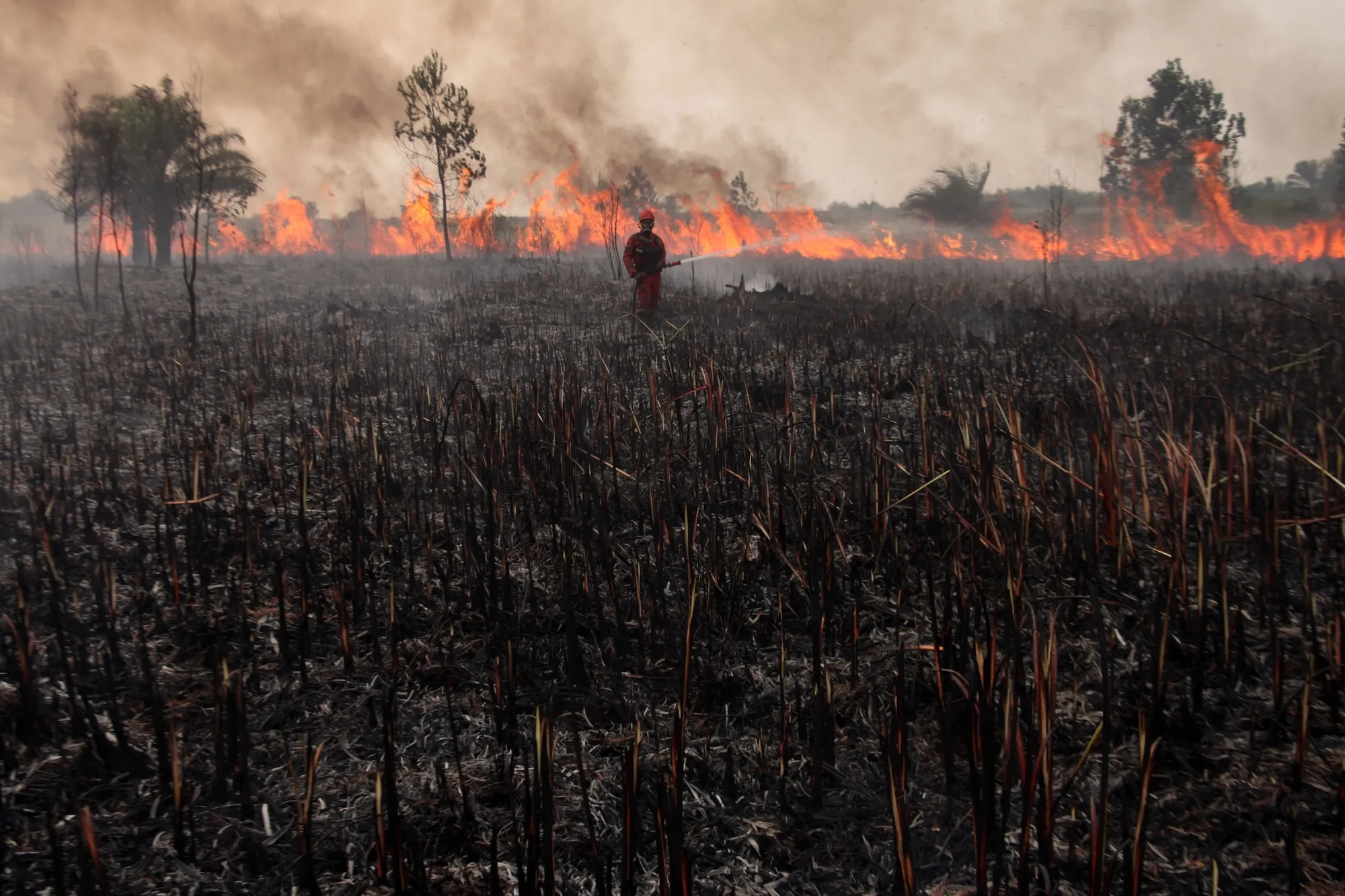
Public health organizations are monitoring the risk of waterborne diseases in flooded regions and heat-stroke risks in drought-stricken areas. The economic fallout is also a primary concern, as international supply chains—most notably through the Panama Canal—face disruptions. Reduced water levels in the canal, which are exacerbated by the drought conditions linked to the current event, are forcing shipping companies to curtail transit loads, creating ripple effects in global trade and food security.
The Evolution of Scientific Language
The term "super El Niño" has sparked a debate within the scientific and linguistic communities regarding the adequacy of current terminology. Jo Vurdelja, an expert in ecolinguistics, notes that the adoption of "super" was not originally a product of media hype, but rather an evolution in scientific discourse. Originating in a 2003 academic paper, the term has gained traction because it provides a necessary shorthand for a phenomenon that exceeds standard classification.
However, researchers like Zeke Hausfather have suggested that we are reaching a linguistic ceiling. When events consistently break records, the traditional labels—moderate, strong, very strong—begin to lose their capacity to communicate the severity of the threat. This has led to the usage of more visceral descriptors such as "Godzilla" El Niño or even more colloquial phrases like "mind-bogglingly crazy" when referring to the resultant climate records. The concern is that while such language may effectively convey urgency, it also risks causing desensitization or fatalism among the general public.
Broader Implications: A Preview of 2040
The most critical takeaway from the 2026 event is its role as a harbinger of the future. By demonstrating the impact of a multi-degree shift in Pacific temperatures against the backdrop of a warming world, the current El Niño provides a glimpse of the conditions that may become the global norm by 2040.
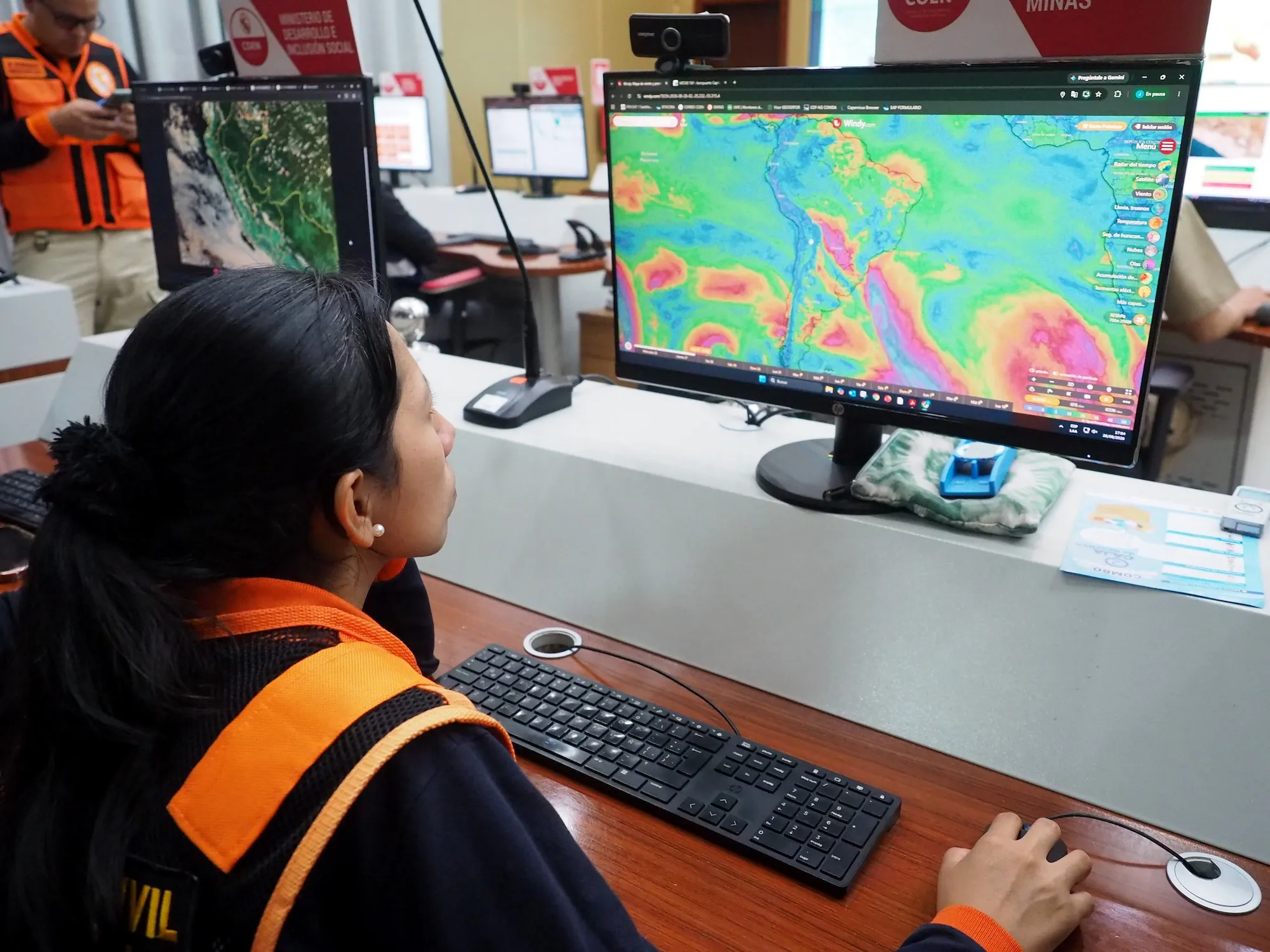
The agricultural, infrastructure, and public health sectors are now forced to reckon with the reality that historical climate averages are no longer reliable predictors for the future. The challenge facing policymakers is twofold: they must manage the immediate crises of the current "super" event while simultaneously accelerating structural changes in energy policy to mitigate the long-term, human-induced warming that is intensifying these natural cycles.
As the world heads into the winter months, the focus remains on the persistence of these anomalies. Forecasts indicate a 90 percent probability that the current "very strong" conditions will remain in place through the end of the year. For the international community, the coming months will serve as a definitive test of global resilience and the ability of nations to collaborate on complex, transboundary environmental challenges. Whether the current event is a temporary anomaly or a permanent shift in global weather, it has firmly established the necessity for more robust, data-informed, and language-accurate climate preparedness. The era of the "super" event has arrived, and the global response will define the climate security of the coming generation.