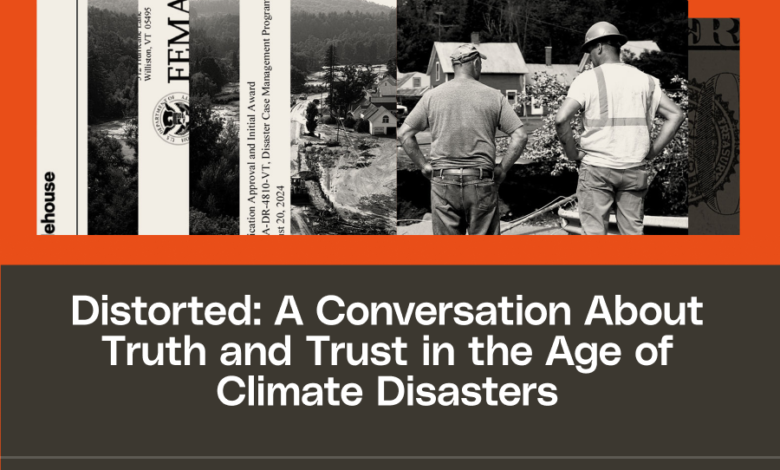
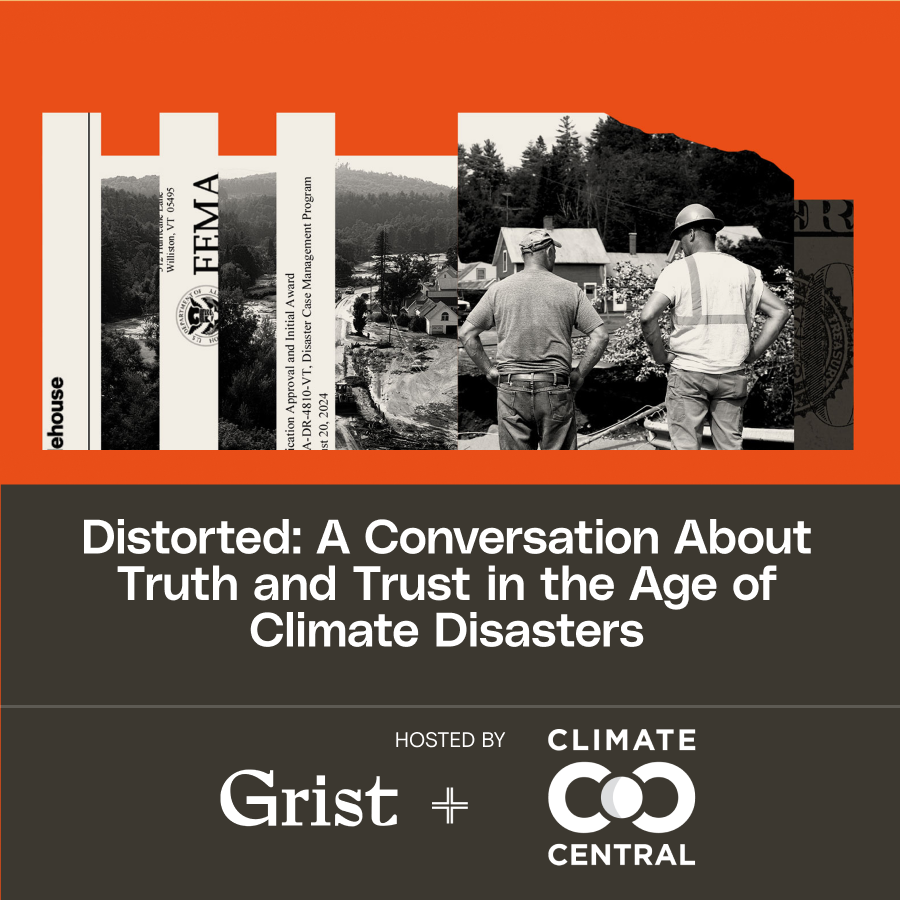
In an era defined by accelerating climate change, extreme weather events have become both more frequent and more intense, creating a volatile environment where public safety often hinges on the quality of information reaching the citizenry. However, alongside the physical devastation caused by hurricanes, wildfires, and floods, a secondary crisis has emerged: the rapid proliferation of misinformation. When telecom lines go down and communities are thrust into states of high anxiety and fear, social media platforms frequently become breeding grounds for rumors, conspiracy theories, and alarmist content that can impede emergency response efforts and undermine public trust. To address this growing threat to disaster management, Grist and Climate Central are hosting a virtual symposium on October 28 at 1 p.m. ET, bringing together leading meteorologists, investigative journalists, and communication researchers to establish a framework for more accurate and resilient public discourse.
The Anatomy of Disaster Misinformation
The phenomenon of "disaster misinformation" is not merely a byproduct of internet culture but a functional obstacle to crisis management. During major atmospheric events, the demand for real-time information often outstrips the capacity of official channels. When residents are cut off from reliable power or cellular networks, they turn to peer-to-peer sharing on platforms like X (formerly Twitter), Facebook, and Nextdoor.
Research indicates that false information spreads significantly faster than verified data during emergencies, largely because misinformation is often engineered to trigger emotional responses—specifically anger and fear. These emotions drive engagement, which in turn causes social media algorithms to amplify the content, creating a feedback loop that can lead to dangerous outcomes, such as residents ignoring evacuation orders or flocking to areas where emergency services are already overwhelmed.
Chronology of Recent Information Crises
The urgency of the upcoming discussion is rooted in a series of high-profile incidents over the past several years. In the wake of major hurricanes in the Atlantic basin, for instance, localized rumors—such as false claims regarding the manipulation of weather patterns or the deliberate withholding of relief funds—have gained significant traction.
- Initial Impact Phase: As a storm or fire approaches, confusion is common. Misinformation often centers on the severity of the threat or the efficacy of government response plans.
- The "Blackout" Period: When telecommunications fail, rumor mills fill the vacuum. During the 2023 wildfire season, for example, social media users shared misattributed photos of fire damage, causing unnecessary panic in neighboring jurisdictions.
- The Recovery Phase: Misinformation shifts toward political blame and conspiracy, often targeting climate science itself. This phase is particularly damaging, as it hinders long-term public support for climate resilience and infrastructure investment.
Supporting Data on the Digital Landscape
According to recent studies by organizations like the Reuters Institute for the Study of Journalism, the trust gap between official meteorological agencies and the public has widened in recent years. Data suggests that nearly 40% of users who primarily source their news from social media report difficulty in distinguishing between verified weather reports and anecdotal, unverified claims.
Furthermore, economic impact studies have shown that misinformation can delay recovery efforts by hours or even days. In one instance involving regional flooding, the spread of a false map of road closures caused widespread congestion on primary evacuation routes, effectively trapping residents who might otherwise have reached safety. The cost of such misinformation is measured not just in dollars, but in the time and resources wasted by emergency management agencies that are forced to divert staff to debunking rumors rather than coordinating life-saving rescue operations.
Expert Perspectives on Communication Strategy
The symposium will feature a multi-disciplinary panel aimed at providing actionable tools for both professionals and the public. Meteorologists are expected to highlight the importance of "precision messaging"—the ability to convey complex atmospheric data in a way that is accessible but resistant to misinterpretation.
Journalists, meanwhile, will address the ethics of reporting during a crisis. The tension between the "breaking news" cycle and the need for verified information has never been higher. Reporters are increasingly being trained to provide context to weather events, explaining the link between human-caused climate change and the intensity of specific storms without succumbing to sensationalism. Researchers in the field of communication will present strategies for "pre-bunking"—the act of educating the public on how to identify misinformation before it reaches them—and how to communicate effectively in private, interpersonal settings, which remains one of the most trusted forms of information dissemination.
Broader Implications for Climate Resilience
The problem of misinformation is inextricably linked to the broader challenge of climate adaptation. If the public cannot trust the data provided by climate scientists and civil authorities, the political and social consensus required to build resilient infrastructure—such as hardened power grids, improved drainage systems, and sustainable housing—will remain out of reach.
The upcoming event is designed to move beyond the abstract problem of "fake news" and into the practical realm of community resilience. By equipping citizens with the tools to verify information, the organizers hope to foster a more "information-resilient" society. Whether through formal journalism or casual daily conversations, the way we speak about weather is becoming a critical component of survival.
Participation and Logistics
The session is intended for a diverse audience, including climate professionals, journalists, students, and any member of the public concerned about the intersection of technology and the environment. By providing a platform for this discussion, Grist and Climate Central aim to build a bridge between scientific expertise and the digital public square.
Event Details:
- Date: October 28
- Time: 1 p.m. ET
- Format: Virtual Webinar
- Registration: Interested parties can secure their attendance through the official Climate Central registration portal.
As the frequency of extreme weather events continues to climb in the coming decades, the ability to discern truth from noise will become a vital life skill. This conversation serves as a foundational step in ensuring that when the next disaster strikes, the information provided to the public acts as a lifeline, not an obstacle.
Related Context: The Michigan Energy Transition
In tandem with the discussion on information integrity, the broader climate discourse often touches upon structural regional issues. For those tracking the evolution of energy policy, a separate upcoming event on October 20, 2026, will explore "Michigan’s Energy Future: Affordability and Climate Resilience." This event highlights that the conversation regarding our climate future is multi-faceted, requiring not only accurate communication but also deep, systemic reform in how we generate and distribute energy. By focusing on both the narrative of climate change and the physical infrastructure of the grid, stakeholders are attempting to create a comprehensive strategy for a rapidly changing world. The synthesis of these efforts—better information and better energy—is the cornerstone of 21st-century disaster preparedness.