A comprehensive new assessment of the planet’s vital signs has delivered a stark warning regarding the trajectory of global climate stability. Published in the peer-reviewed journal BioScience, the seventh annual State of the Climate report provides a granular examination of 16 planetary indicators, revealing that 44 percent of these metrics have reached record-breaking extremes. The findings suggest that the Earth is no longer merely experiencing the early warning signs of a changing climate; rather, it is undergoing a profound and potentially irreversible diagnostic shift.
The report, compiled by an international team of leading scientists, underscores a grim reality: the fundamental systems that sustain life on Earth are being pushed toward critical tipping points. From the accumulation of heat-trapping gases in the atmosphere to the alarming depletion of polar ice, the data paints a portrait of a planet struggling to regulate its own energy balance. As the authors emphasize, the current state of affairs is not a projection of a distant, theoretical future, but an urgent account of the environmental degradation occurring in real-time.
A Chronology of Declining Indicators
The downward trend in planetary health is supported by a longitudinal analysis of key metrics that have been tracked over the past several decades. The current crisis is the culmination of years of escalating greenhouse gas emissions and environmental mismanagement.
In the 1970s and 1980s, the focus of climate science was primarily on establishing the link between industrial activity and rising global temperatures. By the 1990s, the scientific community had reached a consensus that anthropogenic climate change was underway. The early 2000s marked a period of rapid acceleration in emissions, leading to the current decade, which has seen unprecedented spikes in global mean temperatures and the breach of several atmospheric thresholds.
According to the latest data, concentrations of carbon dioxide, methane, and nitrous oxide—the primary drivers of the greenhouse effect—reached record highs in 2024. Simultaneously, glacier thickness and the total mass of the Greenland ice sheet have reached record lows. These figures are corroborated by satellite imagery and ground-level monitoring stations, which confirm that the planet’s ability to reflect solar radiation is diminishing as ice cover retreats, creating a positive feedback loop that accelerates regional warming.
The Science of Planetary Energy Imbalance
At the heart of the report is the concept of the Earth’s energy imbalance. This metric tracks the net difference between the solar energy the planet absorbs and the thermal energy that escapes back into space. Under stable conditions, these two values are roughly equal, maintaining a consistent global temperature.
However, current measurements indicate that the Earth is absorbing significantly more energy than it is releasing. This excess heat is not merely accumulating in the atmosphere; it is being absorbed by the oceans, which serve as the planet’s primary heat sink. While this has masked the full extent of surface warming for years, it has simultaneously triggered marine heatwaves, disrupted aquatic ecosystems, and contributed to sea-level rise through thermal expansion.
The report also highlights the role of "feedback loops"—phenomena that, once triggered, become self-sustaining. For instance, as temperatures rise, permafrost begins to thaw, releasing trapped methane—a greenhouse gas significantly more potent than carbon dioxide in the short term. Similarly, an increase in the frequency and intensity of wildfires releases vast amounts of stored carbon back into the atmosphere, further exacerbating the initial warming that caused the fires in the first place.
The Agricultural Nexus: Food Systems and Climate Pressures
A significant portion of the report is dedicated to the impact of human food production systems. Agriculture, transportation, and energy consumption remain the primary levers of human influence over the climate. The authors identify the global livestock sector, particularly the expansion of ruminant populations, as a critical area for immediate intervention.
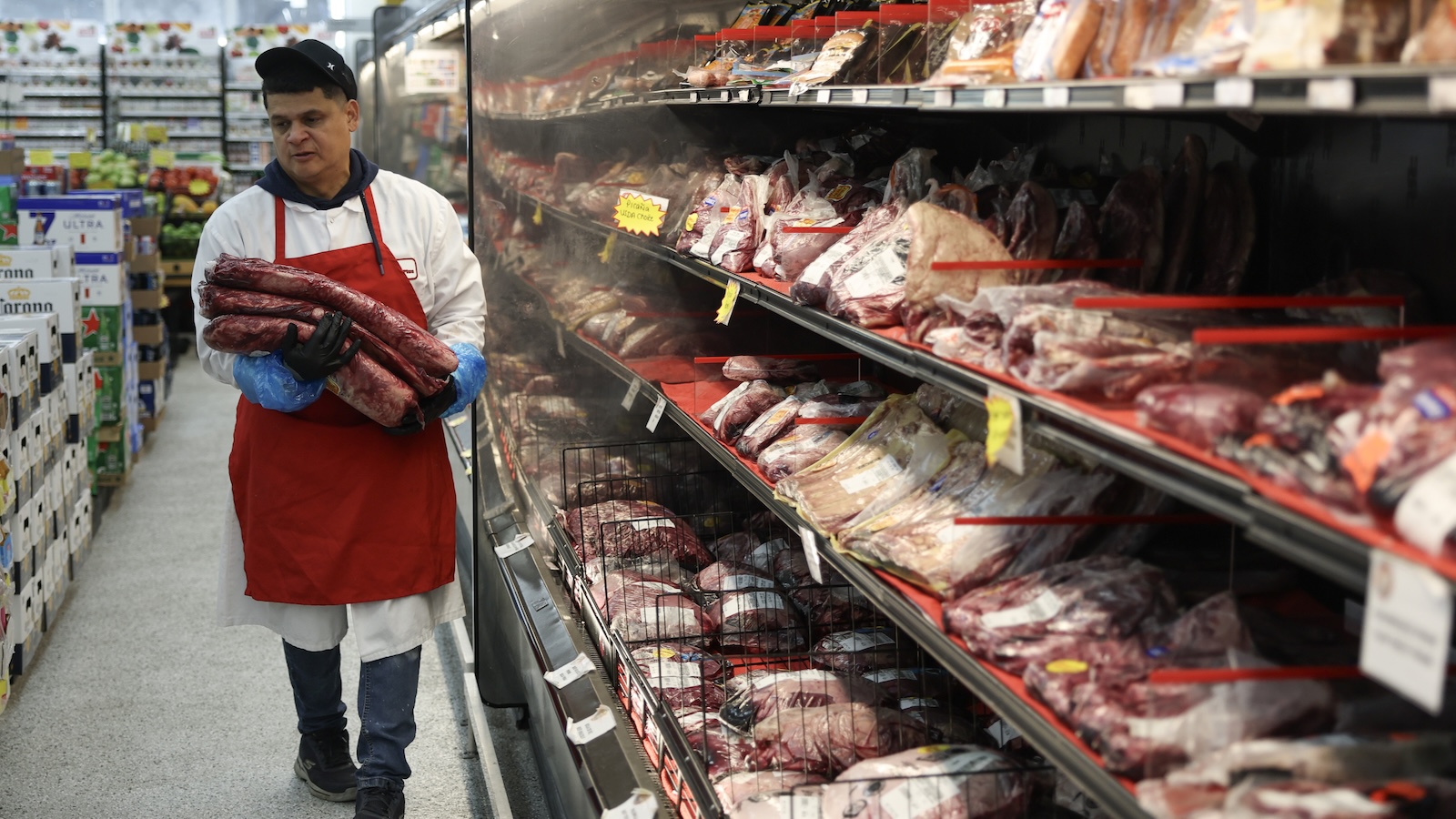
Ruminant animals, such as cattle, sheep, and goats, emit methane as a byproduct of their digestion. While methane has a shorter atmospheric lifespan than carbon dioxide—breaking down in approximately a decade—its capacity to trap heat is roughly 28 times greater. The report notes that in 2024, the global population of ruminant livestock reached its highest level since the 1960s, a trend mirrored by record-high per capita meat production.
William Ripple, a professor of ecology at Oregon State University and a lead author of the study, identifies this shift in dietary habits as a major, yet often overlooked, driver of environmental strain. "The data clearly indicates that our global food system is exerting immense pressure on the climate, land, and water resources," Ripple stated. He suggests that shifting toward plant-based diets, particularly in affluent nations with high meat consumption, represents a high-leverage opportunity to mitigate short-term warming.
Deforestation and the Land-Use Crisis
Beyond direct emissions from livestock, the report addresses the indirect environmental costs associated with current agricultural models. Raising cattle requires vast tracts of land, which often necessitates the clearing of forests. This deforestation has a dual negative impact: it destroys carbon-sequestering habitats and releases stored carbon into the atmosphere.
Timothy Searchinger, a senior research scholar at Princeton University, emphasizes the necessity of preserving these carbon-rich ecosystems. "We cannot effectively address the climate crisis without halting the destruction of forests for agricultural expansion," Searchinger observed. He notes that such a goal is unattainable unless the global demand for beef in wealthier nations is significantly reduced.
Searchinger offers a pragmatic path forward for individual consumers, noting that reducing beef intake by even modest amounts—such as shifting from three servings a week to one and a half—could have a measurable impact on the agricultural footprint. This reduction would also alleviate the pressure on land currently dedicated to growing feed crops like corn and soy, allowing for more efficient land-use strategies, such as reforestation or the cultivation of crops for direct human consumption.
Broader Implications and Future Trajectories
The report serves as a diagnostic tool for policymakers, offering a sobering view of what happens when human behavior remains decoupled from the physical realities of the planet. The inefficiency of the current food system is a central concern; in an era where climate change threatens global food security, the use of vast, productive land areas for animal feed rather than human-grade food is described as an unsustainable luxury.
The analysis concludes that there is no credible path to mitigating global warming that does not include a fundamental transformation of food systems and land management. The pressure exerted by high meat consumption is a multi-dimensional crisis, impacting water scarcity, biodiversity loss, and atmospheric chemistry simultaneously.
As the scientific community continues to refine these indicators, the message remains consistent: the window for effective, systemic change is narrowing. The report authors argue that the focus must now shift from passive awareness to active, large-scale policy implementation. This includes incentivizing sustainable agricultural practices, investing in renewable energy infrastructure, and fostering a global transition toward dietary patterns that are more compatible with the planet’s carrying capacity.
While the "diagnosis" of the Earth’s health is severe, the report maintains that the climate is not yet beyond the reach of human influence. By addressing the most significant drivers of warming—fossil fuel dependency and inefficient land use—society may still be able to stabilize the vital signs of the planet. However, as the record-breaking data of 2024 demonstrates, the margin for error is effectively zero, and the time for delay has passed. The path forward requires a coordinated effort across governments, industries, and individual households to realign human activity with the biological requirements of a stable, habitable Earth.