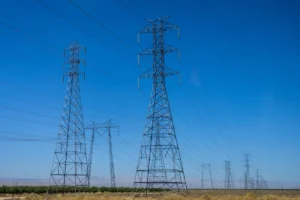
The central paradox of the global climate transition is that it requires a dual-track strategy: the aggressive dismantling of fossil fuel infrastructure and the rapid, unprecedented deployment of renewable energy technologies. For years, the United States climate movement has maintained a delicate, if often strained, consensus on these two priorities. However, the introduction of the Bipartisan American Affordability and Jobs Act (BAAJA) has brought these competing strategies into open conflict, triggering a de facto civil war among environmentalists, policy experts, and clean energy developers.
At the heart of the controversy is a 400-page legislative package designed to modernize the nation’s power grid. BAAJA seeks to overhaul the regulatory framework governing energy infrastructure, specifically by narrowing the scope of the National Environmental Policy Act (NEPA). The bill aims to accelerate the permitting timeline for power plants, transmission lines, and fossil fuel pipelines while simultaneously restricting the ability of stakeholders to challenge these projects in court. To supporters, this is a pragmatic evolution necessary to meet mid-century decarbonization goals; to opponents, it is a catastrophic surrender of essential legal safeguards.
A Chronology of Policy Conflict
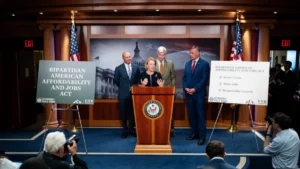
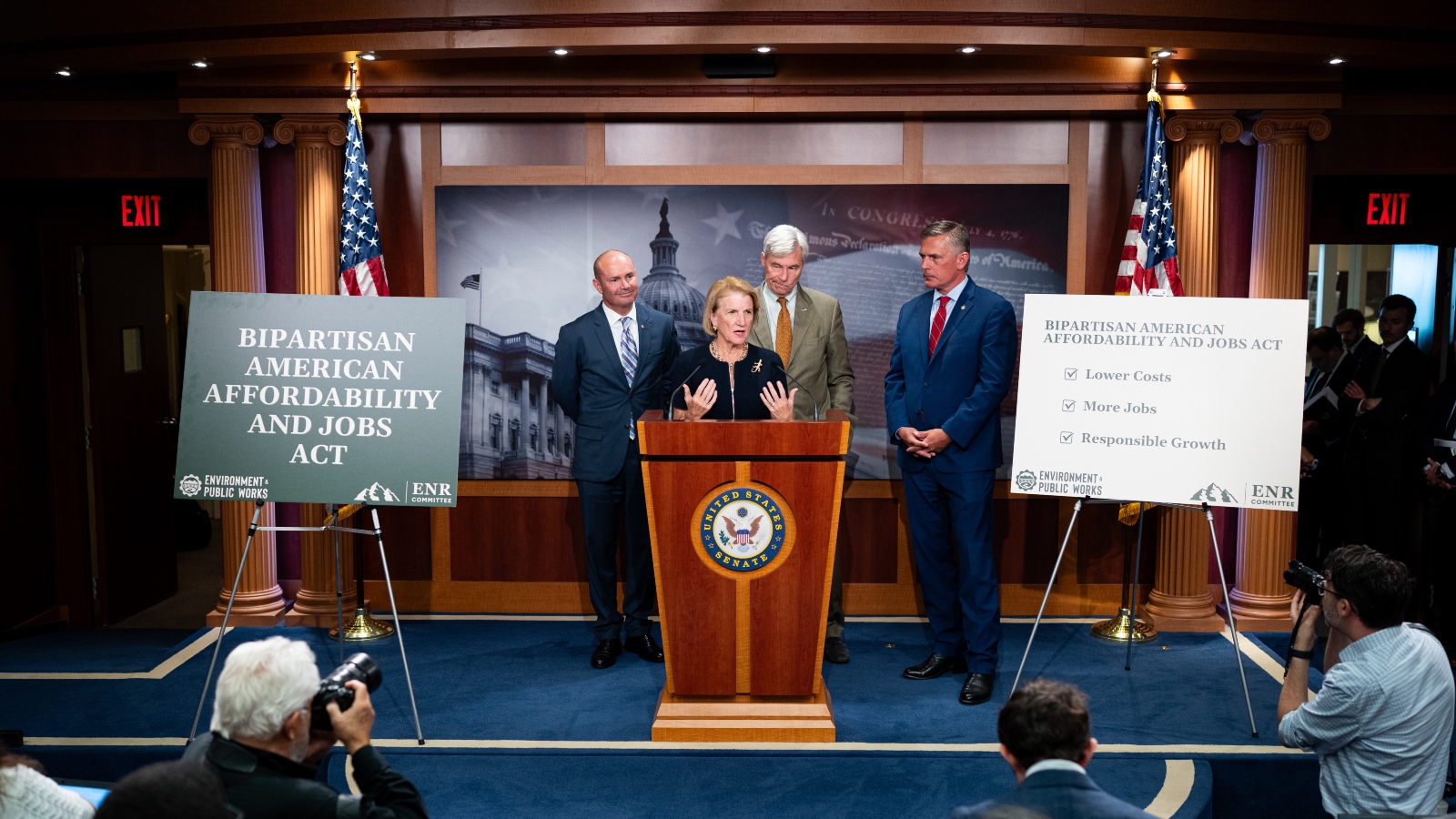
The legislative genesis of BAAJA stems from a bipartisan "four-corners" negotiation involving Senators Sheldon Whitehouse (D-RI), Martin Heinrich (D-NM), Mike Lee (R-UT), and Shelley Moore Capito (R-WV). This group, representing a rare intersection of climate-hawk Democrats and fossil-fuel-aligned Republicans, spent months crafting the bill. The timing of its release, just before the fall congressional recess, has set the stage for a high-stakes lobbying battle following the midterm elections.
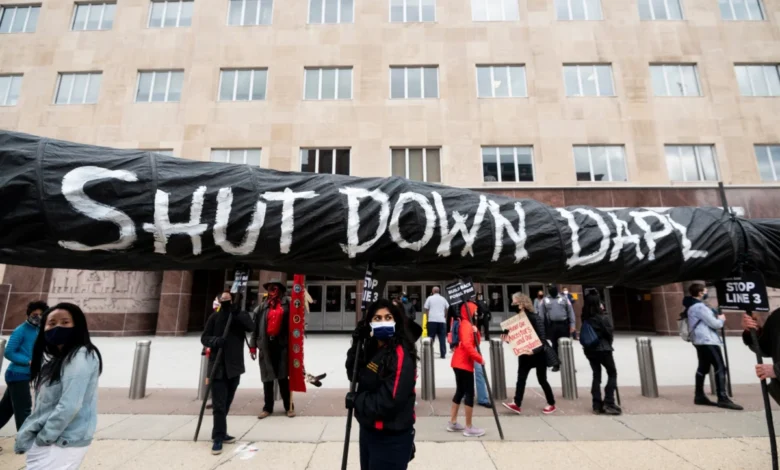
This legislative effort follows a turbulent decade of energy policy. The 2010s were defined by grassroots resistance to pipeline projects like Keystone XL and the Dakota Access Pipeline. During this period, the environmental movement found its strength in "blocking" tactics. However, the 2020s shifted the focus toward the "build" philosophy, spurred by the realization that even with record-low costs for solar and wind power, the U.S. grid remains incapable of scaling up rapidly enough to meet climate targets. The introduction of BAAJA marks the formalization of this transition from a defensive stance to an offensive, construction-oriented posture.
Data-Driven Realities of the Permitting Bottleneck
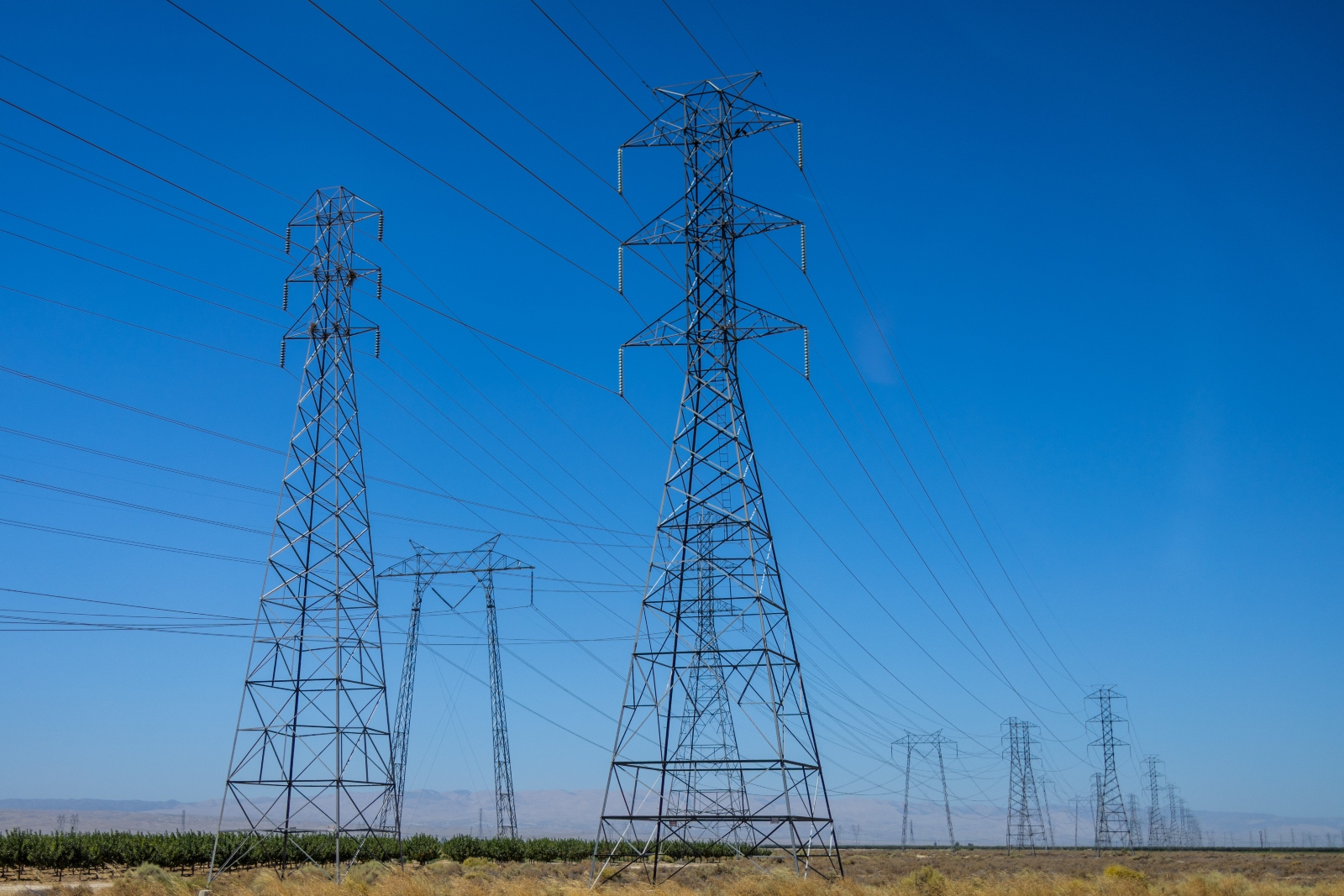
The impetus for BAAJA is rooted in the current state of U.S. energy development. According to a 2025 research study, the U.S. energy sector faces a significant litigation burden: 64 percent of solar projects, 38 percent of wind projects, and 31 percent of transmission lines currently encounter legal challenges under NEPA. These lawsuits frequently delay projects for years, if not decades, causing capital costs to balloon and threatening the viability of private investment.
The current legal framework allows for challenges to be brought up to six years after a federal agency completes its environmental review. BAAJA proposes shortening this window to 150 days. Furthermore, the bill shifts the judicial remedy: courts would be empowered to order a federal agency to redo its analysis while construction continues, rather than issuing a permanent injunction that halts work entirely. Proponents argue this is the only way to meet the projected electricity demand of the next decade, while opponents argue it effectively strips communities and Indigenous nations of the legal tools required to prevent environmental degradation.
Voices from the Divide
The professional climate community is now fractured. Ray Long, president of the American Council on Renewable Energy (ACORE), has lauded the bill as a vital step toward energy security. "We need to build a massive amount of infrastructure over the next four years to prevent price spikes," Long stated. His sentiment is echoed by researchers like Zeke Hausfather of Berkeley Earth, who argues that while community input is essential, the climate crisis precludes giving every local stakeholder a de facto veto over regional infrastructure projects.
Conversely, the resistance is led by groups such as the Center for Biological Diversity and the Southern Environmental Law Center. Liz Zepeda, director of federal policy at the latter, warns that the bill disproportionately impacts the Gulf South and other marginalized regions. "We are seeing the erosion of the very protections that have shielded our communities for years," Zepeda said. Indigenous organizations, represented by the National Association of Tribal Historic Preservation Officers, have voiced particular alarm, noting that the shortened timelines will prevent meaningful tribal consultation regarding the protection of sacred lands.
Implications for the Future of U.S. Energy
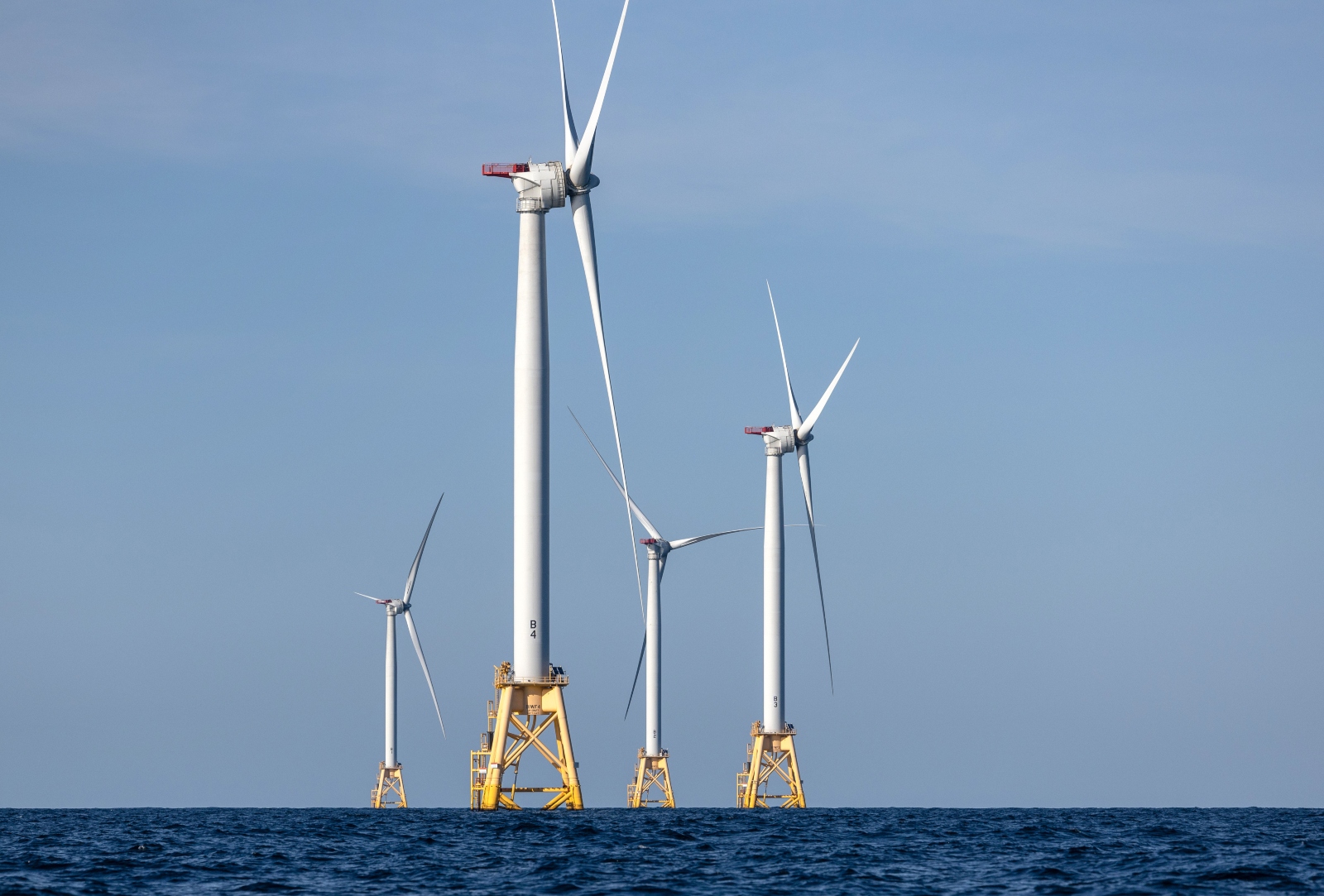
The broader implications of BAAJA extend beyond environmental law and into the fundamental structure of the American economy. The bill’s "permitting certainty" provisions are a double-edged sword. By prohibiting federal agencies from discriminating against energy sources, the bill seeks to protect wind and solar from executive overreach—such as when a future administration might attempt to halt offshore wind leases. However, this same provision would legally constrain future administrations from pausing fossil fuel infrastructure, such as liquefied natural gas (LNG) export terminals.
Critics argue that this creates a "lock-in" effect, ensuring that the fossil fuel industry maintains its market dominance by preventing the executive branch from exercising regulatory restraint. Erich Pica, president of Friends of the Earth, frames the bill as a dangerous gamble: "We are being asked to hope that renewables grow fast enough to offset the damage caused by locking in fossil fuel infrastructure for the next several decades."
The Political Outlook
The fate of BAAJA remains uncertain. While major green organizations like the Sierra Club and the Natural Resources Defense Council have been notably measured in their public statements, acknowledging the bill’s benefits for clean energy while noting their "hard questions," others have taken a hardline stance against the legislation.
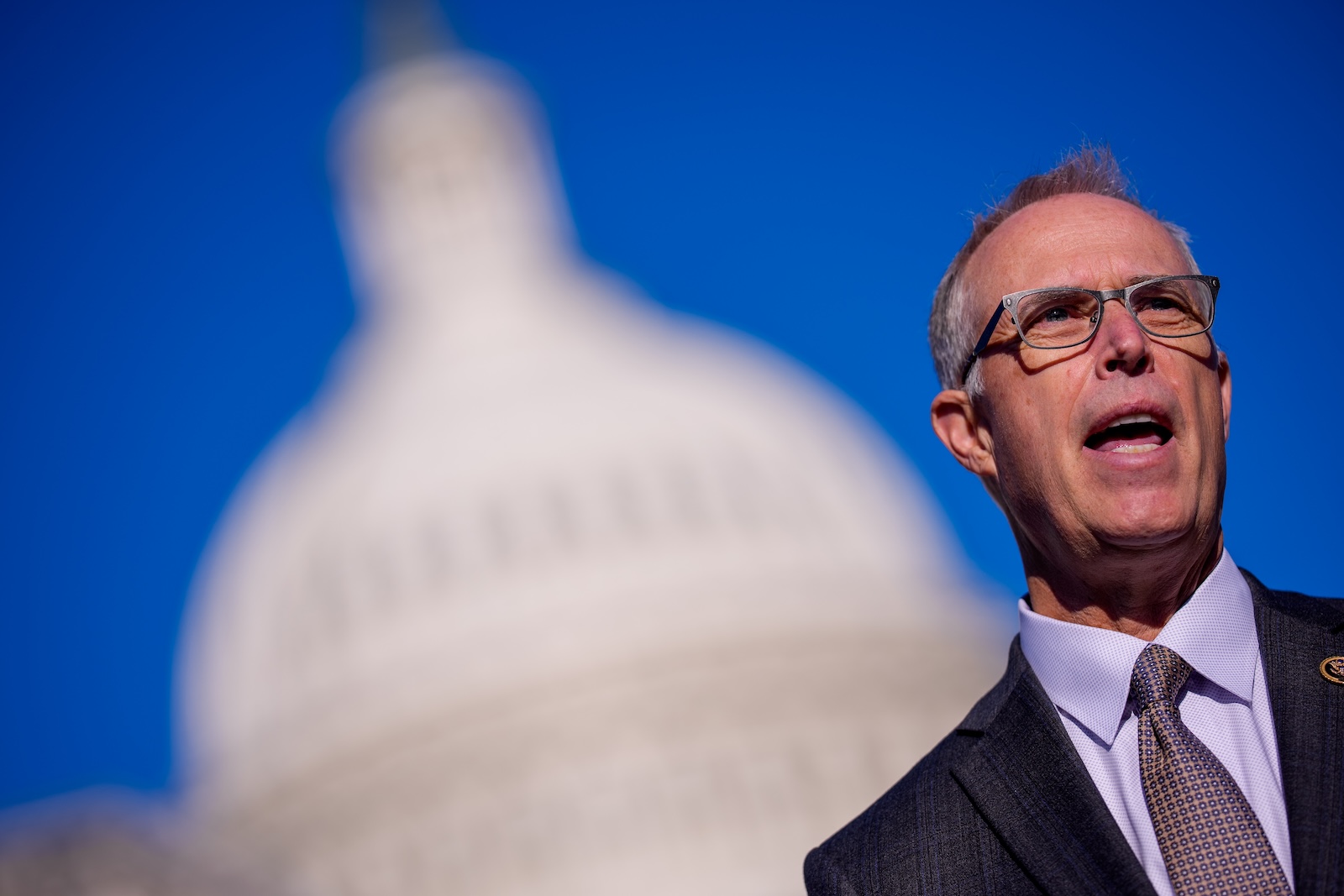
Representative Jared Huffman, a Democrat from California, has emerged as a key critic in the House, dismissing the notion that this is a "now or never" opportunity. Huffman suggests that if Democrats secure a stronger legislative position after the elections, they could negotiate a more balanced bill that prioritizes clean energy expansion without dismantling bedrock environmental protections. However, legislative analysts note that any meaningful reform—particularly regarding interstate transmission lines—will inevitably require Republican support.
The struggle over BAAJA represents a critical inflection point for the climate movement. For decades, the movement was unified by the common enemy of fossil fuel dependence. Now, it must grapple with the logistical realities of building a green economy. Whether the movement can reconcile its commitment to local environmental justice with the urgent, large-scale requirements of grid decarbonization will likely define the effectiveness of American climate policy for the next generation. As the debate continues, the "builders" and the "blockers" remain at an impasse, highlighting a deepening rift that may prove as challenging to bridge as the climate crisis itself.