The future of Louisiana’s offshore wind energy sector is currently defined by a singular, immovable deadline: January 21, 2029. As the administration of President Donald Trump systematically dismantles the federal framework for renewable energy development in the Gulf of Mexico, industry leaders, engineering firms, and workforce development advocates have adopted a strategy of endurance. By treating the current policy environment as a temporary "pause button," stakeholders are attempting to preserve the supply chain and technical expertise built over the last decade, hoping for a resurgence in federal support once the current administration’s term concludes.
The current federal stance represents a stark reversal of the momentum seen during the early 2020s. Following a series of executive orders issued on the first day of his presidency last January, the Trump administration effectively withdrew federal waters from new offshore wind leasing and halted the permitting process for all pending projects. The shift was not merely regulatory but financial; the federal government has moved to offer approximately $4 billion in compensatory payouts to developers to induce them to abandon their existing leases, effectively removing 21 gigawatts of potential renewable energy capacity from the national grid—enough to power over 5 million homes.
A Chronology of the Wind Energy Standstill
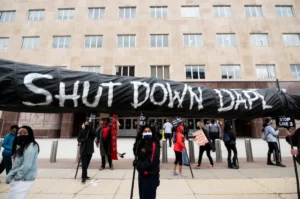
The tension between the Trump administration and the wind industry is not a new development, but its current manifestation is unprecedented in scale. The administration’s opposition to offshore wind can be traced back nearly two decades. In 2006, then-businessman Donald Trump initiated a protracted legal and public relations battle against the Scottish government regarding an offshore wind farm proposed near his golf course in Aberdeenshire. He argued that the turbines would aesthetically degrade the coastline. Over the subsequent years, this personal opposition evolved into a central pillar of his energy platform, characterized by hyperbolic claims regarding the impact of wind power on property values, wildlife, and even public health.
Upon taking office in January 2025, these views were codified into federal policy. The administration’s primary tool for de-escalation became the "stop-work" order, applied to projects currently under construction. When these orders faced immediate legal challenges from developers, the Department of the Interior—under the current administration—pivoted to a strategy of voluntary termination, providing massive federal settlements to companies willing to relinquish their rights to wind energy areas in the Gulf of Mexico and elsewhere.
This policy shift has had a cascading effect on Louisiana’s industrial landscape. For years, the state had successfully positioned itself as a "wind energy hub," leveraging the legacy of its offshore oil and gas industry to capture a significant share of the nascent renewable energy market. By 2024, nearly 25 percent of all offshore wind contracts in the United States were held by Gulf-based firms, driving roughly $1 billion in capital investment into the region’s specialized shipyards and fabrication facilities.
The Economic Ripple Effect
The impact of the current federal crackdown extends far beyond the boardroom. It has directly affected the livelihoods of thousands of workers who pivoted from traditional fossil fuel sectors to the burgeoning green economy. Companies like Gulf Wind Technology, based in Avondale, invested heavily in the research, development, and testing of specialized wind turbine blades.
"It’s been a big pause button on what was a sleeping giant of an industry," said James Martin, CEO of Gulf Wind Technology, during the recent Future of Energy Forum at Tulane University. Martin noted that the uncertainty has forced his firm to pivot toward the aerospace and defense sectors simply to retain its staff. "There are huge layoffs in the wind space, and some of the best engineers on the planet are giving up," he added.
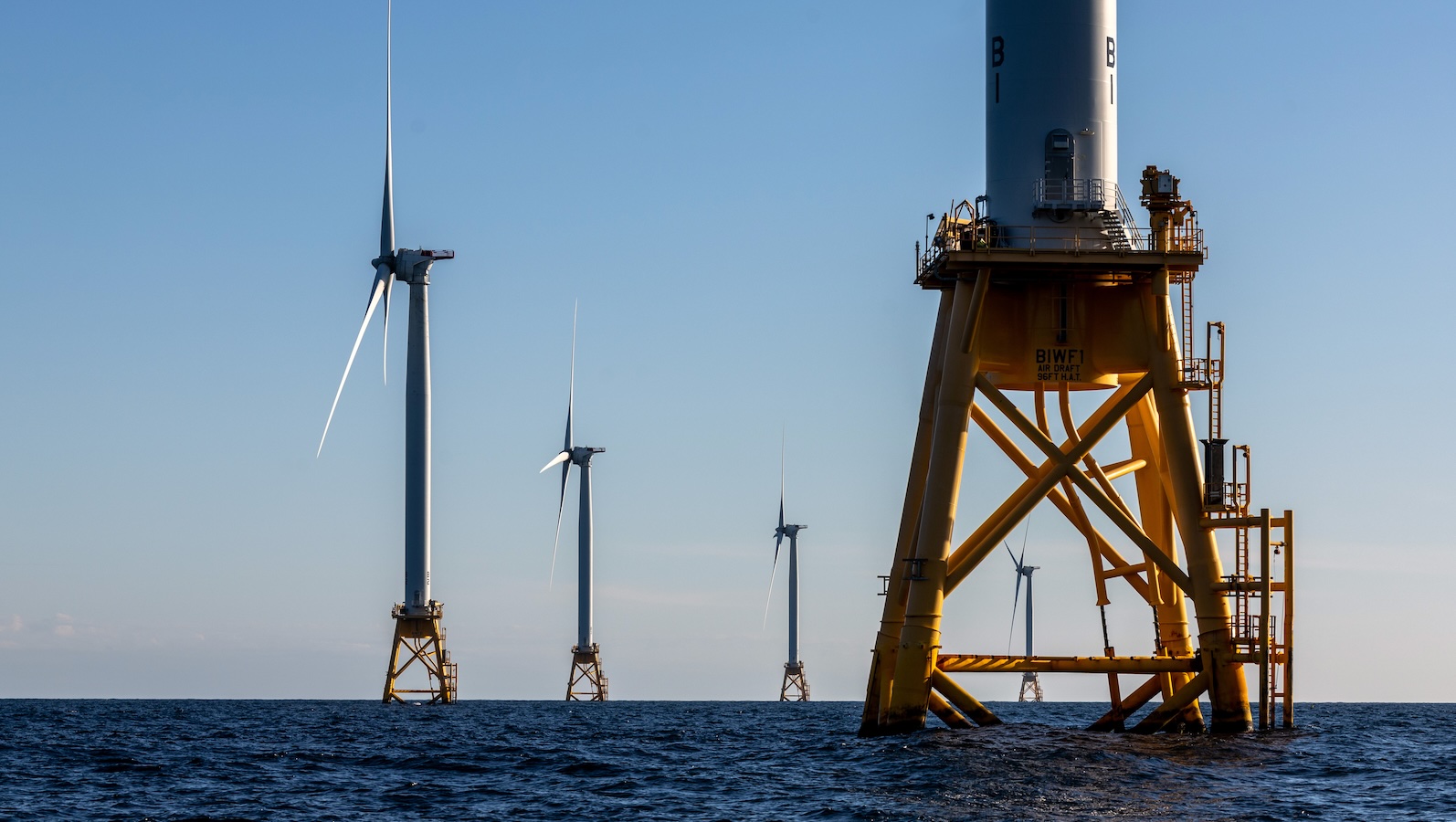
The educational infrastructure in Louisiana, which had been meticulously aligned with industry projections, is also feeling the strain. Nunez Community College in Chalmette had launched a specialized turbine technician program, while the University of New Orleans established a Wind Energy Hub to provide engineering scholarships and industry internships. With the major projects they were designed to serve—most notably a massive 2-gigawatt wind farm planned south of Lake Charles by the German energy giant RWE—now in limbo or terminated, these institutions face the prospect of a "brain drain" as students and recent graduates migrate to states or sectors with more stable job prospects.
Analytical Perspectives: The Cost of Disruption
Industry analysts point out that the $4 billion in payouts to developers, while seemingly a win for the administration’s stated policy goals, represents a significant loss of long-term infrastructure investment. The 21 gigawatts of capacity that have been canceled were not merely theoretical; they represented concrete plans for energy diversification, including a significant power purchase agreement between RWE and Entergy intended to supply electricity to 350,000 households in Louisiana and Texas.
Madelyn Smith, a program manager with the Southeastern Wind Coalition, highlighted the difficulty of the developers’ position. "For many reasons, the payout offers are very compelling," Smith said. "There is no real pathway for progress in the next two to three years, and some of these leases are quite expensive." For a private corporation, the cost of carrying a lease in a hostile regulatory environment often exceeds the value of the potential, albeit delayed, return on investment. Consequently, companies are choosing to cut their losses, even if it means abandoning the supply chains they helped cultivate in the Gulf.
Political Calculations and the 2029 Horizon
State Representative Joe Orgeron, a Republican and a veteran of the offshore wind supply industry, remains one of the most vocal proponents of the "wait-and-see" approach. His perspective underscores a unique political reality in Louisiana, where the traditional oil and gas industry and the emerging wind industry are increasingly seen as complementary, rather than mutually exclusive, components of a comprehensive energy portfolio.
"Come January 21st, 2029, we all get to wave goodbye," Orgeron stated at the Tulane forum. His outlook is shared by a coalition of regional leaders who believe that the domestic demand for energy, coupled with the specialized skills of the Louisiana workforce, will eventually force a federal policy realignment, regardless of who occupies the White House.
However, the strategy of waiting is not without its risks. The global wind energy market is highly competitive. Capital investment that is driven away from the U.S. Gulf Coast today may not return to the region tomorrow, as international developers and supply chains look toward more stable markets in Europe or Asia. Furthermore, the specialized knowledge required to build, install, and maintain offshore wind infrastructure is perishable. If the current workforce is dispersed into other industries, rebuilding the "human infrastructure" could take years, even if the regulatory "green light" is eventually turned back on.
Looking Toward the Future
As the current administration maintains its course, the offshore wind industry in Louisiana is effectively in a state of suspended animation. The companies that remain are lean, focusing on survival and minor contracts in peripheral sectors. The academic programs are scaling back, and the specialized shipyards that once hummed with the construction of turbine support vessels are turning back to maintenance of existing oil platforms.
The underlying tension remains: the United States has the technical potential to lead the global offshore wind market, yet it is currently constrained by a policy environment that views the technology as a geopolitical or ideological liability rather than an economic asset. Whether the "pause" in Louisiana will result in a successful revival in 2029 or the permanent evaporation of the industry’s regional footprint depends on the intersection of global energy prices, the persistence of local advocacy, and the outcome of the next national election cycle. For now, the calendars in boardrooms from Lake Charles to New Orleans remain focused on a single date, with industry veterans holding onto the hope that the "sleeping giant" can still be awakened.