Hypertension remains one of the most pervasive global health challenges of the modern era, functioning as a silent driver of cardiovascular morbidity and mortality. Millions of individuals worldwide live with elevated blood pressure that resists conventional pharmaceutical interventions, leaving clinicians searching for innovative, non-pharmacological modalities. A recent clinical trial led by esteemed researchers at Queen Mary University of London has introduced a compelling, patient-administered therapeutic avenue: a compact, non-invasive device that delivers gentle electrical pulses through the outer ear. Published in Hypertension, a prestigious journal of the American Heart Association, the findings from the SCRATCH-HTN trial mark a significant milestone in the exploration of transcutaneous autonomic neuromodulation. While the primary endpoint across all participants did not yield a statistically significant reduction compared to a sham device, striking and encouraging signals emerged among patients suffering from more severe forms of hypertension. This breakthrough sets the stage for a new chapter in cardiovascular medicine, where targeted neuromodulation could soon complement traditional drug regimens for those hardest to treat.
The Mechanics of Transcutaneous Autonomic Neuromodulation
At the core of this experimental approach is the autonomic nervous system, a complex, self-regulating network that governs involuntary physiological processes, including heart rate, vascular tone, digestive activity, and blood pressure. In chronic hypertension, this system often becomes dysregulated, maintaining an overactive sympathetic tone that constricts blood vessels and drives blood pressure persistently upward. Traditional medical management relies heavily on oral medications such as ACE inhibitors, beta-blockers, diuretics, and calcium channel blockers. However, a significant subset of the patient population experiences treatment resistance, drug intolerance, or inadequate control despite multi-drug therapy.
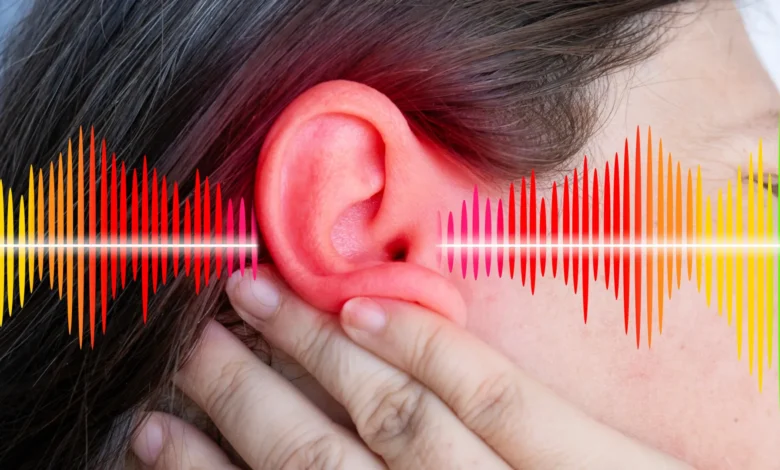
To address this gap, researchers have increasingly turned to bioelectronic medicine, seeking ways to modulate neural pathways without resorting to invasive surgical procedures like renal denervation. The investigational device evaluated in the SCRATCH-HTN trial, developed by Afferent Medical Solutions, leverages transcutaneous autonomic neuromodulation (tAN). By targeting the auricular branch of the vagus nerve—which is densely represented in the tragus, the small cartilaginous prominence just outside the ear canal—the device delivers precisely calibrated, low-level electrical impulses. This external stimulation is hypothesized to rebalance autonomic signaling, dampening sympathetic nervous system hyperactivity and encouraging a more favorable cardiovascular profile. Because the intervention is delivered via small, comfortable clips attached directly to the tragus, patients can independently administer the therapy in the comfort of their own homes, entirely bypassing the need for clinical oversight during daily usage.
Chronology and Design of the SCRATCH-HTN Trial
The trajectory of the SCRATCH-HTN trial reflects rigorous clinical methodology, adhering to the stringent standards required for peer-reviewed cardiovascular research. Funded substantially by the National Institute for Health and Care Research (NIHR), the study was meticulously structured to evaluate both the safety profile and the efficacy of the ear-stimulation technology in a controlled environment.
The trial successfully enrolled 63 human participants, all of whom shared a common clinical profile: diagnosed uncontrolled hypertension despite ongoing maintenance therapy with at least one anti-hypertensive medication. Upon entering the study, these individuals were randomly allocated into two distinct cohorts through a double-blind design. One cohort received active electrical nerve stimulation, while the control cohort was equipped with a sham device engineered to mimic the physical sensations and operational characteristics of the active unit without delivering therapeutic current. This rigorous blinding mechanism was essential to isolate the true biological effects of tAN from any potential placebo effects stemming from the novelty of using a medical device.
The interventional protocol was divided into two distinct phases to assess both short-term adaptation and medium-term adherence. During the initial two weeks of the trial, participants were instructed to use their assigned devices for a duration of 30 minutes every single day. Following this intensive induction period, the regimen transitioned into a maintenance phase lasting the subsequent 10 weeks, during which treatment sessions were reduced to once per week. Throughout this timeline, researchers continuously monitored participant compliance, adverse events, and serial blood pressure measurements. The operational data revealed that the intervention was exceptionally well tolerated, demonstrating a pristine safety record with negligible adverse side effects. Furthermore, high adherence rates underscored the remarkable practicality of integrating home-based bioelectronic therapies into daily routines.
Unpacking the Data: Overall Results Versus Subgroup Findings
When the trial data was aggregated and analyzed across the entire unselected study population, the primary statistical findings indicated no significant overall divergence in blood pressure reduction between the active stimulation group and the sham control group. This outcome underscores the inherent complexity of treating heterogeneous patient populations, where variations in baseline pathology, arterial stiffness, and medication compliance can obscure subtle treatment effects.
However, scientific inquiry often yields its most profound insights beneath the surface of primary endpoints. Recognizing the diverse nature of hypertension, the research team had pre-specified a subgroup analysis focusing on participants who entered the trial with baseline severe hypertension—representing the sickest and most treatment-resistant fraction of the cohort. When investigators isolated this specific demographic, a compelling narrative emerged. Participants with severe hypertension exhibited a clear, clinically meaningful reduction in blood pressure when exposed to active nerve stimulation compared to their counterparts in the sham group.
This divergence suggests that while mild or moderately elevated blood pressure may be adequately managed by conventional therapies or subject to high placebo responsiveness, severe, entrenched hypertension may involve distinct autonomic pathways uniquely susceptible to auricular neuromodulation. While these subgroup findings are robustly encouraging, the scientific community maintains a cautious stance, noting that the relatively small sample size of the trial necessitates larger, adequately powered confirmatory studies before definitive clinical guidelines can be rewritten.
Expert Insights and Scholarly Perspectives
The publication of the SCRATCH-HTN trial in Hypertension has drawn substantial commentary from leading figures in cardiovascular research and clinical practice. Dr. Ajay Gupta, Chief Investigator, Clinical Reader at Queen Mary University of London, and Consultant Physician at Barts Health NHS Trust, provided vital context regarding the implications of the study.
"This is an exciting, highly patient-acceptable technology that could ultimately provide a cheap, scalable solution for millions," Dr. Gupta remarked. He elaborated on the dichotomy between the broader cohort and the severe hypertension subgroup, noting, "Although the trial did not achieve significance across the broad unselected group, those with more severe hypertension exhibited a clear blood pressure reduction in the active group compared to sham." Dr. Gupta further emphasized the pioneering nature of the research, describing the study as the first and most thorough investigation of its kind. He asserted that the findings illuminate critical new research trajectories, helping the medical community discern precisely which patient phenotypes stand to gain the most from non-invasive neuromodulation.
Independent cardiologists and epidemiologists not directly involved in the trial have echoed these sentiments, pointing out that the shift toward bioelectronic medicine represents a paradigm evolution. As pharmaceutical pipelines face diminishing returns in discovering novel mechanisms for refractory hypertension, medical device engineering offers a fresh frontier. Experts emphasize that the convergence of wearable technology, neuroscience, and cardiology holds immense promise for personalized medicine, where therapies can be tailored to individual neuro-vascular profiles.
Broader Implications for Global Cardiovascular Health
The societal and economic burdens of hypertension cannot be overstated. As the leading preventable risk factor for global cardiovascular disease, persistent high blood pressure accelerates arterial damage, precipitating catastrophic medical events such as myocardial infarctions, ischemic and hemorrhagic strokes, chronic kidney disease, and heart failure. Despite decades of pharmacological advancements, a stubborn percentage of the global hypertensive population remains outside of recommended blood pressure targets, placing an immense strain on healthcare systems worldwide.
The validation of a non-invasive, home-based neuromodulation therapy could fundamentally alter this landscape. If subsequent, larger-scale clinical trials substantiate the efficacy observed in patients with severe hypertension, the implications for public health would be profound. Unlike invasive surgical interventions—which carry inherent procedural risks, high costs, and limited accessibility—an external ear-stimulation device could be deployed at scale, prescribed by general practitioners, and managed directly by patients. This democratization of care could dramatically reduce hospital admissions, lower the long-term economic costs associated with cardiovascular complications, and improve the quality of life for millions of individuals who currently live under the shadow of uncontrolled hypertension.
Looking Ahead: The Roadmap for Future Research
While the SCRATCH-HTN trial represents a major leap forward, it must be contextualized as a foundational stepping stone rather than the final destination. The research team and international regulatory bodies agree that translating these preliminary insights into approved clinical therapies requires a methodical, scaled approach.
The immediate priority for the scientific community is the design and execution of larger, multi-center randomized controlled trials. These future studies will need to focus specifically on patients with severe or treatment-resistant hypertension, ensuring adequate statistical power to definitively confirm the blood pressure-lowering efficacy of tAN. Additionally, researchers aim to explore the physiological mechanisms underlying the response, utilizing advanced neuroimaging and autonomic function testing to understand why certain patients respond robustly while others show minimal change.
Another crucial area of investigation will be the optimization of stimulation parameters—such as frequency, pulse width, intensity, and duration—to maximize therapeutic efficacy while minimizing patient adaptation or habituation. Furthermore, long-term follow-up studies will be required to assess whether the blood pressure reductions achieved through auricular neuromodulation are sustained over years of continuous or intermittent use.
In summary, the Queen Mary University of London clinical trial has opened a promising new window into the management of resistant hypertension. By demonstrating that gentle electrical pulses delivered through the ear are safe, well-tolerated, and capable of reducing blood pressure in severe cases, the research provides a vital blueprint for future innovation. As science continues to bridge the gap between neurology and cardiology, non-invasive bioelectronic devices may soon transition from experimental concepts to everyday clinical tools, offering renewed hope for patients whose blood pressure has long refused to yield.