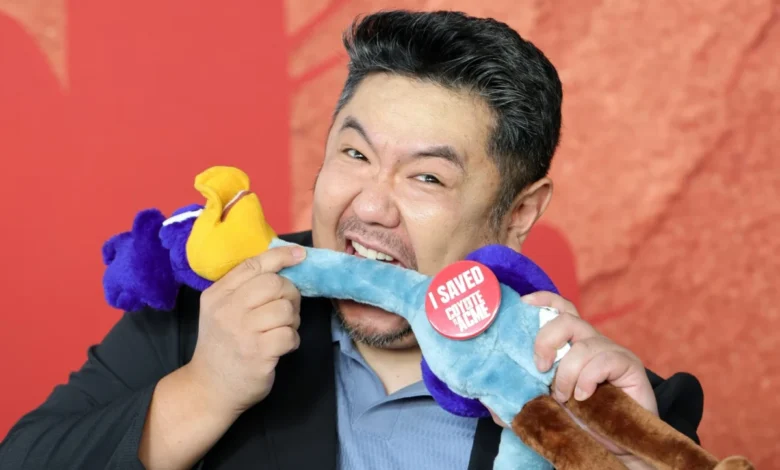
The animation industry is in deep mourning following the sudden passing of Eric Bauza, the definitive modern voice behind Warner Bros.’ most iconic animated characters, including Bugs Bunny, Daffy Duck, Porky Pig, and Marvin the Martian. Bauza’s unexpected death has sent shockwaves through Hollywood, prompting an outpouring of grief, tributes, and reflections from colleagues, executives, and fans worldwide. Among those honoring his monumental contributions is veteran film producer and former Warner Bros. executive Chris DeFaria, who worked closely with Bauza on upcoming and recent projects, most notably the hybrid feature film Coyote vs. Acme.
In a heartfelt remembrance detailing Bauza’s unparalleled work ethic, profound reverence for animation history, and singular talent, DeFaria painted a vivid picture of a performer who was far more than a voice actor. Bauza was a dedicated custodian of a cultural legacy, carrying the torch of animation royalty into the 21st century with unmatched grace, humor, and technical brilliance. His passing marks the end of an extraordinary era for classic animation, leaving behind an irreplaceable void in the hearts of those who knew him and the millions who grew up listening to his work.
Main Facts and the Legacy of a Master Voice Artist
Eric Bauza’s career stands as a rare and towering achievement in the history of voice acting. For decades following the 1989 passing of Mel Blanc—the legendary "Man of a Thousand Voices" who originally breathed life into the core roster of the Looney Tunes universe—the task of voicing these beloved characters was largely decentralized. Warner Bros. divided the extensive stable of characters among multiple talented performers to fill the shoes left by Blanc.
However, Bauza achieved the nearly impossible. Through relentless self-taught practice, sheer dedication, and a boundless passion for the craft, he eventually rose to voice almost the entire core Looney Tunes ensemble. DeFaria noted that Bauza did not merely mimic the iconic sounds established by Blanc; rather, he internalized them. Bauza learned to think like Bugs Bunny, scheme like Daffy Duck, and squirm and stutter like Porky Pig. This deep psychological and emotional connection to the roles is precisely why his performances never felt like mere impressions. To generations of modern viewers, Bauza was not just doing the voices—he was the characters.
His commitment to the institutional memory of animation was equally profound. Bauza frequently spoke of his deep reverence for Mel Blanc, famously describing his tenure voicing the characters as merely "borrowing Mel’s Cadillac" and promising to "return the keys when he was done." This philosophy defined his career: he viewed his extraordinary gift not as a personal trophy, but as a sacred trust handed down to him, one that he was obligated to protect, honor, and pass on to future generations in better shape than he found it.
Chronology of a Storied Career
Bauza’s journey to becoming the preeminent voice of classic animation is a testament to perseverance and lifelong dedication.
Early Beginnings and Rise to Prominence
Before cementing his legacy at Warner Bros., Bauza honed his craft through various animation and voice-over roles, cultivating an expansive vocal range through curiosity and constant experimentation. His undeniable talent quickly caught the attention of casting directors and animation studios, leading to breakout roles in major television series and feature films.
Becoming the Modern Voice of Looney Tunes
As Bauza gradually took on more characters within the Warner Bros. Animation ecosystem, he solidified his status as the primary steward of the studio’s classic comedy shorts library. He brought timeless icons into contemporary television series such as The Looney Tunes Show, New Looney Tunes, and Looney Tunes Cartoons, earning critical acclaim and a Daytime Emmy Award nomination. His vocal versatility allowed him to seamlessly transition between theatrical shorts, streaming series, and high-profile feature films.
Recent Projects and Final Contributions
In recent years, Bauza’s career reached new heights as he collaborated with top-tier creators on major cinematic ventures. His work with Chris DeFaria on the highly anticipated hybrid live-action/animation feature Coyote vs. Acme showcased his ability to elevate major studio productions with his signature wit, impeccable comedic timing, and deep understanding of character dynamics. Even amid high-stakes studio environments, Bauza retained his trademark mischievous spark, famously maintaining a reputation for being perpetually fashionably late—a quirk affectionately remembered by his colleagues as part of his singular charm.
Industry Reactions and Official Responses
The news of Bauza’s sudden passing has elicited a wave of grief and tributes from across the entertainment industry, highlighting the profound impact he had on his peers. Animation studios, directors, writers, and fellow voice actors have taken to public platforms to share memories of his kindness, professionalism, and unmatched artistic generosity.
Colleagues have emphasized that Bauza was a champion for traditional animation culture within corporate boardrooms, consistently advocating for the integrity, preservation, and continued relevance of classic cartoon characters in modern media. DeFaria’s remembrance encapsulated the sentiment shared by many who worked alongside him: Bauza approached his profession with a rare combination of reverence and mischief, making every recording session and production meeting an unforgettable experience.
While formal statements from studio executives and guild representatives continue to pour in, the collective grief of the global animation community underscores just how deeply integrated Bauza was into the cultural fabric of family entertainment. He was a mentor to younger artists, a reliable professional for producers, and a beloved ambassador for the golden age of animation adapted for modern audiences.
Broader Impact and Implications for the Animation Industry
The loss of Eric Bauza raises critical questions regarding the future stewardship of some of the world’s most recognizable intellectual properties. In an era where legacy characters are continuously rebooted for streaming platforms and theatrical releases, finding talent capable of carrying the dual burden of technical precision and heartfelt reverence is exceptionally difficult.
Bauza’s ability to anchor multiple iconic roles simultaneously was an operational and artistic luxury for Warner Bros. and other major studios. His passing forces the industry to confront the fragility of oral traditions in character performance. Unlike physical props or digital assets, the distinct vocal stylings and comedic timing required to keep characters like Bugs Bunny and Daffy Duck alive depend entirely on the unique physiology, intuition, and dedication of rare master artists.
Furthermore, Bauza’s career serves as a blueprint for the modern voice-acting profession. By demonstrating that self-taught dedication and an obsessive love for animation history could bridge the gap between past legends and contemporary audiences, he elevated the status of voice actors within the broader cinematic hierarchy.
As the entertainment world processes this tragic loss, the focus remains on celebrating his monumental body of work. Bauza’s voice will continue to echo through living rooms, theaters, and digital platforms for generations to come, ensuring that the keys to Mel Blanc’s metaphorical Cadillac were utilized to drive the vehicle of classic animation to unprecedented new heights. In the poignant words of Chris DeFaria, reflecting on Bauza’s trademark tardiness and unmatched charm: "Take your time, Eric. You always did."