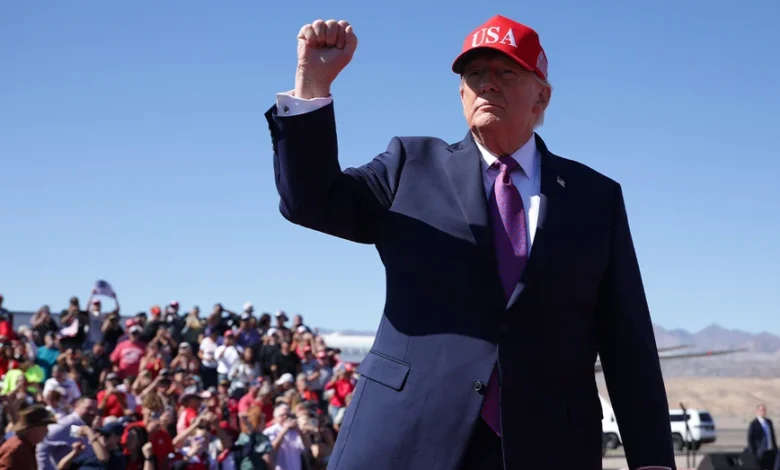
With exactly nine days remaining until the 2026 midterm elections, the political landscape across the United States has reached a fever pitch. Both the Republican and Democratic parties are currently engaged in a high-stakes, cross-country mobilization effort designed to secure or retain control of Congress. The outcome of these contests will prove decisive for the legislative trajectory of the remainder of President Donald Trump’s second term, making the final stretch of the campaign cycle arguably the most significant period of the year.
The current atmosphere is defined by aggressive scheduling and strategic targeting. President Trump, supported by Vice President JD Vance, has maintained a rigorous pace, crisscrossing the country to host rallies aimed at cementing the GOP’s hold on the House and Senate. Simultaneously, Democrats have deployed their most prominent political assets, including former President Barack Obama and former Vice President Kamala Harris, to shore up support in key battleground states.
A Chronology of the Final Push
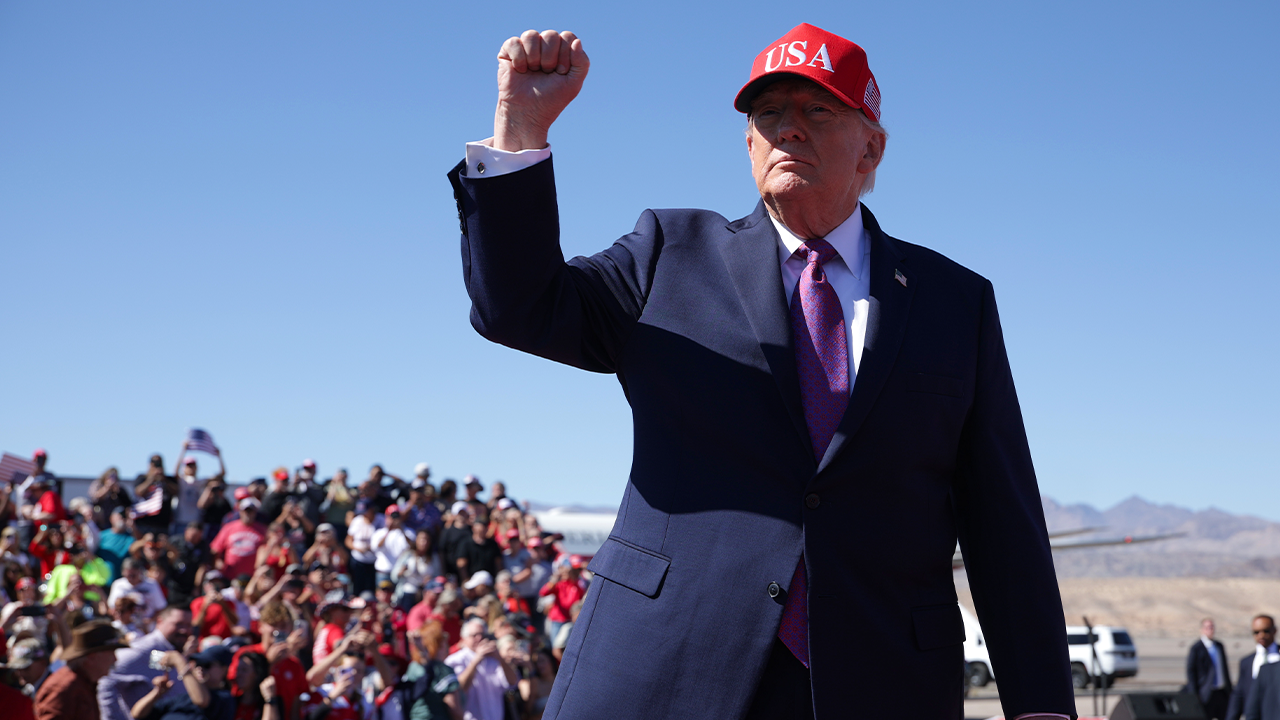
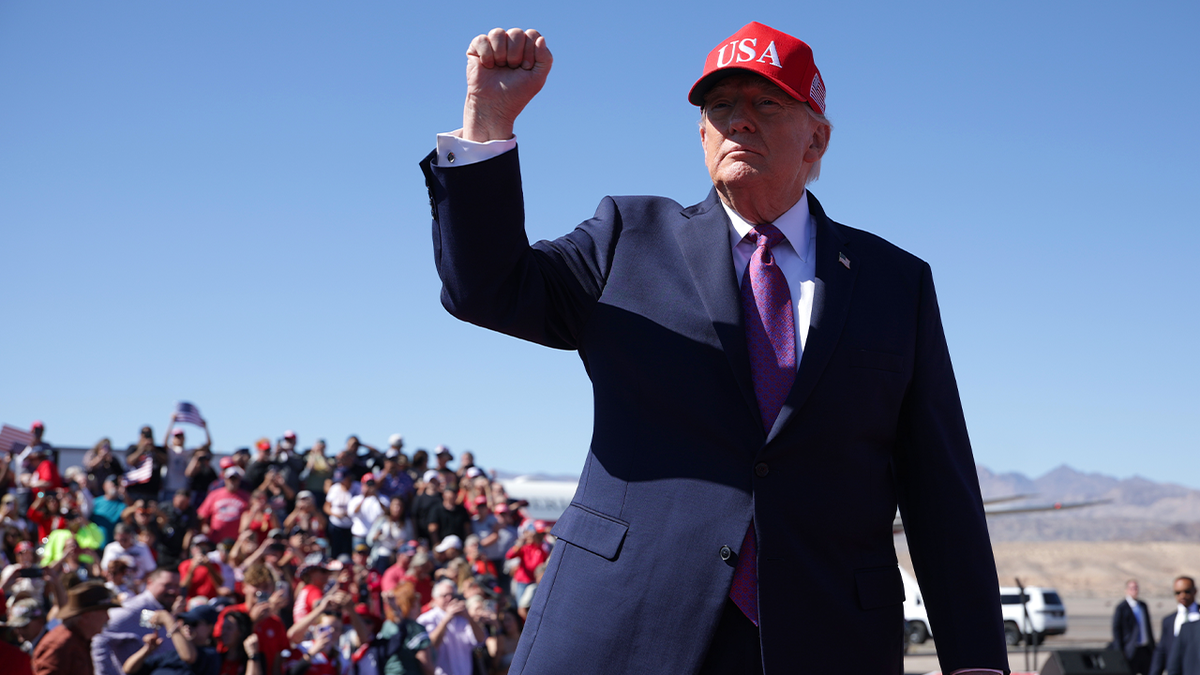
The intensity of the 2026 campaign cycle is best understood through the travel logs of the party leaders. Since the beginning of October, the campaign map has been painted with constant movement. President Trump signaled his intent early in the month to hold between five and seven rallies per week, a pace he has largely maintained. This past weekend alone, the President conducted a whirlwind tour, visiting Florida on Friday, Georgia on Saturday, and Michigan on Sunday.
For the Republicans, these stops serve a dual purpose: energizing the base in deep-red strongholds like Oklahoma and Alabama, while simultaneously attempting to sway undecided voters in volatile battleground states. These rallies are intended to serve as a physical manifestation of momentum, designed to drive early voting turnout and ensure that voter enthusiasm translates into actual ballots cast.
The Democratic response, led by former President Obama and former Vice President Harris, has been equally tactical. Obama has focused his energy on states with critical Senate contests, including appearances in Ohio and Michigan. Meanwhile, Vice President Harris has targeted diverse electoral landscapes, ranging from Nevada to Mississippi and New Hampshire. This division of labor underscores a broader Democratic strategy: deploying high-profile surrogates to states where the party’s coalition needs the most consolidation.
Economic Factors and the Legislative Stakes
Central to the Republican narrative in these final days is the state of the national economy. As voters prepare to head to the polls, the persistent challenge of high prices and inflation remains a dominant issue. The GOP argument centers on the necessity of a legislative check on the current administration’s policies, positing that a Republican-controlled Congress is essential to reversing current economic trends and curbing government spending.
This economic focus is particularly visible in the competitive Senate races across the country. In states like Ohio, Texas, and Iowa, the margins are razor-thin. Recent polling from the Cook Political Report indicates that while these states have historically leaned toward certain party alignments, the current electoral climate is fluid. In several of these jurisdictions, Democratic candidates have maintained narrow leads, prompting the Trump campaign to prioritize them in their final travel schedule.
The legislative implications are profound. A shift in congressional control would fundamentally alter the final two years of the Trump presidency. With a favorable legislature, the President could advance a robust policy agenda, including potential tax code adjustments, regulatory reforms, and shifts in federal spending priorities. Conversely, a divided government would likely lead to legislative gridlock, forcing the administration to rely more heavily on executive actions to achieve its policy goals.
The Geography of the Midterms
To analyze the strategic focus of both parties, it is helpful to categorize the states being targeted. The map of the 2026 midterms is divided into three primary zones:
- The Base-Retention States: These include states such as Alabama and Oklahoma. While the outcome in these states is rarely in doubt, the frequency of rallies here is intended to boost voter turnout percentages, which are crucial for down-ballot contests and overall party morale.
- The Senate Battlegrounds: States like Michigan, Ohio, and Texas represent the frontline of the fight for the upper chamber. These states are seeing the highest concentration of advertising spend and candidate visits.
- The Periphery States: These include Nevada and New Hampshire, where Democrats are working to maintain thin margins of support. The appearances by Vice President Harris in these areas suggest a defensive posture aimed at preventing the erosion of key segments of the Democratic base.
Analysis of Campaign Strategy
Political analysts observing the 2026 cycle note that the strategy of "rally-driven mobilization" has evolved. In previous cycles, campaign visits were largely about media exposure. Today, they serve as the anchor for sophisticated data-driven efforts to identify, contact, and transport voters to the polls.
For the Republican party, the goal is to leverage the "Trump factor"—the ability of the President to attract large, enthusiastic crowds that can be used to generate localized media coverage and recruit volunteers for "get out the vote" (GOTV) operations. By hitting states like Michigan and Georgia, the President is not only attempting to secure Senate seats but also to signal to the national electorate that the GOP is on the offensive.
For the Democrats, the reliance on Obama and Harris is a calculation regarding voter turnout among key demographics. Obama remains one of the most effective messengers for the Democratic party, particularly among suburban voters and younger cohorts who may be otherwise disengaged from the midterm process. Harris’s travel to states like Mississippi is a nod toward the necessity of protecting the party’s standing with its most loyal voting blocs.
Voter Sentiment and Projections
As of late October, the national sentiment is characterized by intense polarization. Independent voters, who typically determine the outcome of midterm elections, appear to be weighing the impact of persistent inflation against their general satisfaction with the current political trajectory.
Polling data, while subject to fluctuation, suggests that the "enthusiasm gap" between the two parties is negligible. This implies that the election will likely be decided by voter turnout operations rather than broad shifts in public opinion during the final nine days. Both parties have invested heavily in ground games, utilizing phone banks, door-knocking campaigns, and digital advertising to ensure their voters are informed about early voting locations and mail-in ballot deadlines.
The Broader Impact on American Governance
The results of the November 3rd elections will reverberate far beyond the Capitol. The midterms serve as a referendum on the administration’s performance and act as a bellwether for the 2028 presidential cycle.
If the Republicans succeed in capturing both the House and the Senate, the administrative state will likely face a wave of oversight investigations and a significant shift in judicial and executive appointments. If the Democrats manage to hold one or both chambers, the legislative landscape will remain contested, likely leading to further periods of intense partisan debate over budget appropriations and the scope of federal authority.
As the final countdown begins, the logistical focus for both campaigns will shift entirely to voter mobilization. The rallies will become shorter and more focused on the mechanics of voting. Both parties have made it clear: the campaign is no longer about persuading the undecided, but rather about ensuring that their respective bases show up in record numbers. With the nation’s legislative future at stake, the next nine days will be defined by the relentless pursuit of every remaining vote, as the parties prepare for the final electoral reckoning.