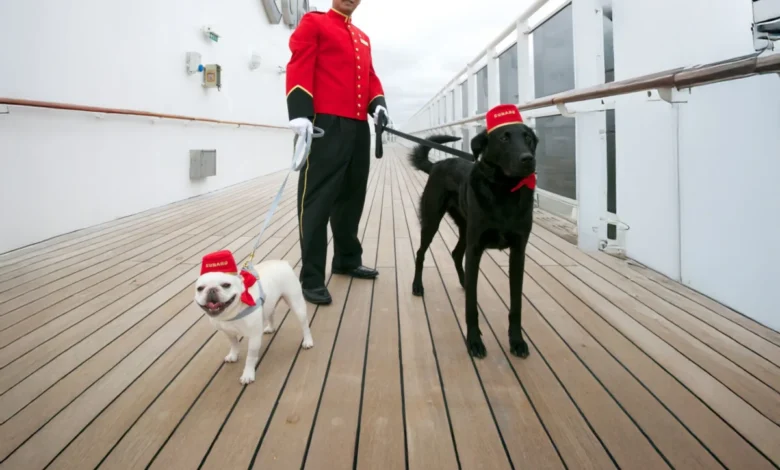
The global cruise industry is defined by luxury accommodations, world-class gastronomy, and exotic ports of call. Yet, nestled within the sprawling architecture of the world’s most famous ocean liners lies a niche amenity that sets a single vessel apart from the rest of the global fleet. Aboard Cunard’s flagship Queen Mary 2, a unique maritime operation unfolds on every transatlantic voyage: the operation of the only dedicated, full-service shipboard animal kennel in existence. Managing this floating sanctuary is Oliver Cruz, a veteran kennel master whose professional trajectory from Philippine wildlife conservation to high-seas animal husbandry highlights a remarkably specialized corner of the hospitality sector.
As the cruise sector continues to post record passenger numbers—with the Cruise Lines International Association projecting passenger volumes to exceed pre-pandemic highs—amenities catering to multi-generational travelers and pet owners are undergoing heightened scrutiny and expansion. Amid this landscape, the Queen Mary 2 maintains a singular status, operating as a floating bridge between continents that accommodates not just human passengers, but their canine and feline companions as well.
The Unique Logistics of Transatlantic Animal Travel
Operating a kennel facility at sea involves navigating a complex matrix of international maritime laws, strict agricultural regulations, and veterinary compliance standards. The Queen Mary 2, which has been conducting scheduled transatlantic crossings between Southampton, England, and New York City since its maiden voyage in 2004, features 24 dedicated spaces reserved for dogs and cats.
For animal owners, securing a space in the shipboard kennel requires months of advanced planning. Compliance with the UK Pet Travel Scheme and United States Department of Agriculture regulations demands exact synchronization of microchipping, rabies vaccinations, titer testing, and tapeworm treatments. A single clerical error in documentation can result in denied boarding or mandatory quarantine upon arrival, making the pre-voyage document cross-check conducted by Cruz and his team a critical operational safeguard.
The facility itself is engineered to replicate mainland creature comforts while adhering to rigorous maritime safety and sanitation codes. The accommodation area features individual enclosures—affectionately termed "houses" by the staff—where pets are bedded down. To mitigate the sensory disruption of travel, owners are encouraged to supply familiar items such as unwashed garments, blankets, and toys infused with home scents. Additionally, if two animals from the same household travel together and demonstrate compatibility, partitions between enclosures are removed to allow shared sleeping arrangements.
Outdoor exercise areas are similarly tailored to cultural sensibilities. The dedicated deck space, colloquially known among crew and passengers as the "poop deck," features a distinct architectural nod to the vessel’s Anglo-American route: an authentic American fire hydrant for domestic arrivals and a traditional British lamppost for travelers hailing from the UK.
Culinary Operations and Specialized Care
Nutrition aboard the Queen Mary 2’s kennel matches the high culinary standards of the passenger dining rooms, albeit with entirely different dietary parameters. Meals are prepared in the primary ship kitchens, utilizing premium ingredients ranging from grilled beef tenderloin, steamed salmon, and fresh poultry to assorted vegetables and specialized grains.
However, the dietary protocols brook no deviation. Cruz enforces a strict ban on sodium, chemical additives, and spices. This meticulous oversight is essential, as the clientele spans an enormous range of biological requirements and physical dimensions. Over the years, Cruz has ministered to animals ranging from delicate teacup Yorkshire Terriers to a massive Bernese Mountain Dog whose regimen demanded three daily meals, each composed of roughly three pounds of minced meat and more than ten distinct nutritional components.
Medical and behavioral management form another cornerstone of the kennel master’s daily duties. Close confinement, the unfamiliar hum of shipboard machinery, and the presence of unfamiliar animals can induce anxiety in domestic pets. Addressing this requires a nuanced understanding of canine and feline psychology. Cruz notes that behavioral approaches must be highly individualized, emphasizing that management techniques effective for a resilient working breed like a Siberian Husky are entirely inappropriate for a sensitive toy breed like a Shih Tzu.
This hands-on approach carries inherent occupational risks. Over more than a decade of maritime service, Cruz estimates he has sustained over 50 minor bites, nearly all incurred while physically intervening to separate dogs during moments of stress or territorial friction. "Nobody bites me intentionally," Cruz observes, attributing the incidents to defensive reactions in high-stress environments rather than genuine aggression.
Evolution of the Role: From Wildlife Handler to High-Seas Kennel Master
Cruz’s journey to the helm of the Queen Mary 2’s kennel division is rooted in a professional background far removed from luxury cruising. Prior to joining Cunard in 2011, Cruz spent eight years in the Philippines working as a professional wildlife guide and animal handler, managing species that ranged from reticulated pythons to saltwater crocodiles. This extensive experience with exotic and potentially dangerous fauna provided him with an advanced foundation in animal behavior, stress recognition, and containment safety.
Initially hired by Cunard as a spa attendant within the vessel’s hospitality division, Cruz transitioned to the kennel department after housekeeping personnel discovered his extensive zoological background. The alignment of professional expertise with personal passion—Cruz maintains 15 dogs at his home in the Philippines and is an active affiliate of the Philippine Animal Welfare Society—proved ideal for the unique demands of the post.
The longevity of the service is underscored by repeat clientele. Long-haul passengers frequently book sequential crossings, with certain dogs logging dozens of transits across the Atlantic. Cruz maintains a detailed mental index of the animals under his care, recalling specific behavioral quirks, dietary modifications, and preferred sleeping quarters across voyages spanning over a decade.
Broader Implications for Pet-Inclusive Travel Sectors
The enduring popularity of the Queen Mary 2’s kennel service reflects a broader macroeconomic shift within the tourism and transportation sectors: the explosive growth of pet-inclusive travel. Driven by demographic changes, including higher rates of pet ownership among younger demographics and a post-pandemic prioritization of companion animals in daily life, travelers increasingly demand options that eliminate the need for traditional boarding kennels or pet sitters during extended vacations.
While airlines have incrementally adjusted cabin and cargo pet policies—often accompanied by strict weight limitations, carrier dimensions, and escalating fee structures—maritime travel offers a fundamentally different paradigm. For passengers relocating internationally or those hesitant to subject pets to the cargo holds of commercial aircraft, ocean liners represent a viable, albeit premium-priced, alternative. A transatlantic crossing aboard the Queen Mary 2 effectively transforms a necessary logistical transit into a shared vacation experience, though capacity constraints (capped at 24 animals per voyage) ensure that demand vastly outstrips supply year-round.
Challenges and Cultural Dynamics Aboard
Despite the high level of professional organization, managing a floating animal facility presents unique operational hurdles. Chief among these, according to operational staff, is the management of human owners rather than the animals themselves. Separation anxiety often manifests acutely in pet parents, leading to infractions such as unauthorized provisioning. Despite explicit prohibitions against supplemental feeding, staff frequently intercept owners attempting to smuggle high-fat items, such as cured meats from the passenger breakfast buffets, into the kennel area.
Furthermore, public interest in the facility poses logistical challenges. Given the novelty of the amenities, numerous passengers without booked pets routinely attempt to tour the kennel area daily. Strict access controls must be maintained to protect the resident animals from sensory overload and preserve a calm therapeutic environment as they acclimate to the marine crossing.
For Cruz and his small team, however, the professional challenges are offset by the relational dynamics of the voyage. The seven-day crossing from Southampton to New York establishes an intense cycle of bonding, adaptation, and eventual separation. As the maritime industry continues to innovate in response to evolving consumer expectations, operations like the Queen Mary 2 kennel stand as a testament to the specialized infrastructure required to accommodate passengers and their animal companions across the world’s oceans.