The race for a pivotal U.S. Senate seat in Minnesota has intensified as Lieutenant Governor Peggy Flanagan, the Democratic nominee, faced scrutiny regarding her capacity for bipartisan governance. During a recent interview with Fox News’ Bill Melugin, Flanagan touted her legislative history in the Minnesota statehouse as evidence of her ability to work across party lines. However, when pressed to identify specific policy areas where she would be willing to collaborate with the Trump administration, she declined to provide a concrete example, instead focusing her critique on what she characterized as the "continued grift" of the current administration.
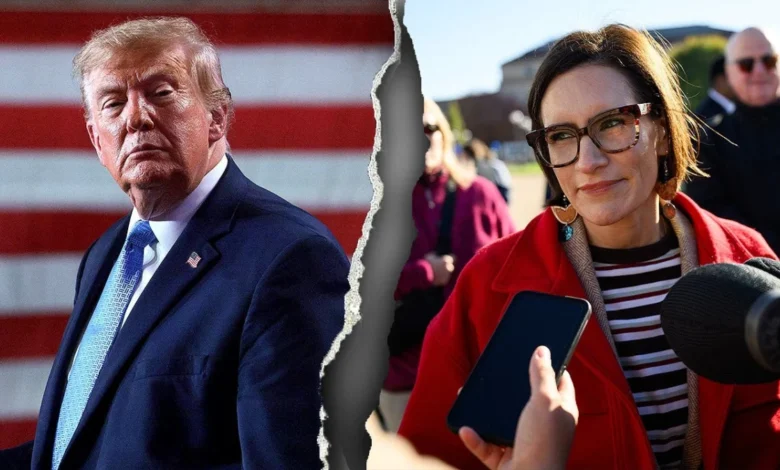
This exchange highlights the stark ideological divide defining the contest between Flanagan and her Republican challenger, Michele Tafoya. While Flanagan has centered her platform on acting as a staunch check on President Donald Trump’s policies, Tafoya is attempting to position herself as a pragmatic, independent-minded conservative capable of bridging the gap in a traditionally Democratic-leaning state.
A Legislative Record Under the Microscope
Flanagan’s defense of her bipartisanship centers on her tenure in the Minnesota Legislature and her previous work with the Children’s Defense Fund-Minnesota. She argues that her history of navigating a Republican-controlled legislature proves her aptitude for compromise. "I just want to be really clear that I’ve got a long track record of working with folks on the other side of the aisle," Flanagan stated. "I think that proves that I have the ability to work with folks."
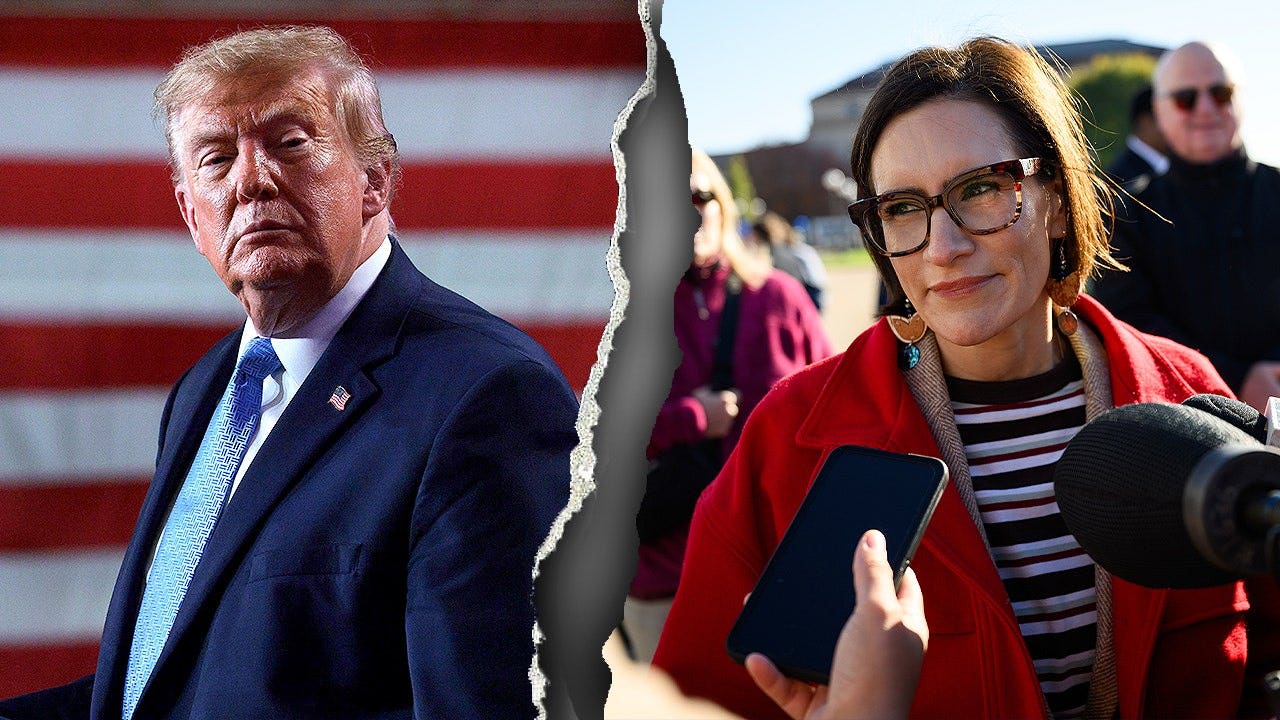
However, her inability to name a single area of potential synergy with the Trump administration suggests that her legislative experience at the state level may not translate easily into the current federal political climate, which is defined by intense partisan polarization. Analysts note that for a candidate running for the U.S. Senate, the ability to articulate a vision for federal cooperation is often a key metric for moderate and independent voters. By doubling down on her opposition to the administration, Flanagan is clearly prioritizing the mobilization of the progressive base, potentially at the cost of broader crossover appeal.
Contextualizing the Minnesota Battleground
Minnesota, once considered a reliable "blue" wall in national politics, has seen its political landscape shift significantly in recent cycles. The current Senate race has drawn national attention, with observers noting that the state is increasingly becoming a swing-state battleground. The Democratic Party’s hold on the state has been challenged by growing concerns over inflation, public safety, and, most notably, a series of high-profile fraud scandals that emerged during the administration of Governor Tim Walz.
As the second-in-command to Governor Walz, Lieutenant Governor Flanagan has found her record under intense scrutiny. Her opponent, Michele Tafoya—a former NBC Sports sideline reporter turned political candidate—has leveraged these controversies to build a campaign narrative centered on government accountability and the need for new leadership. Tafoya’s campaign has successfully framed the election as a referendum on the state’s current administration, accusing the status quo of failing to address systemic issues.
The Rise of Michele Tafoya
Michele Tafoya’s transition from media personality to political candidate has been marked by an aggressive strategy aimed at disaffected Democrats and independent suburban voters. She has taken a calculated approach to the Republican brand, often attempting to distance herself from the more polarizing aspects of national party politics while maintaining a firm stance on conservative principles.
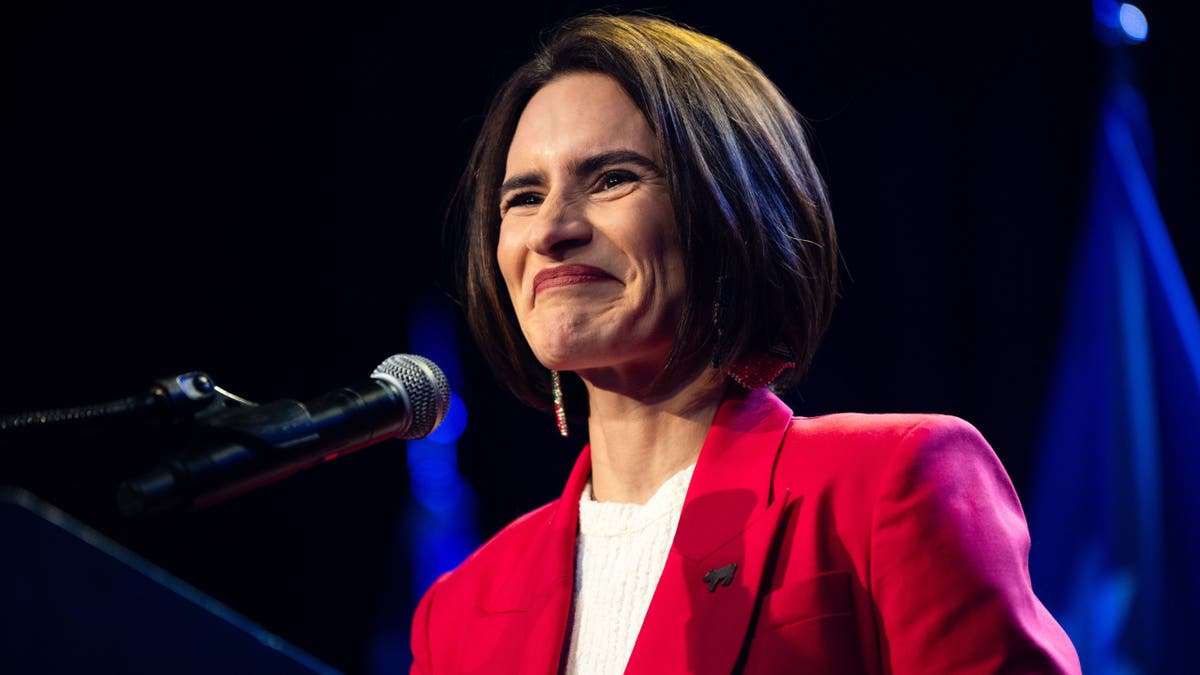
One of the most notable aspects of Tafoya’s campaign is her willingness to break with Republican orthodoxy on certain social issues. In a recent campaign advertisement, she declared herself a "pro-choice Republican," a move designed to appeal to moderate voters who might otherwise be alienated by the national GOP platform. This strategy has drawn both praise and criticism, with some conservative figures expressing skepticism. However, President Trump’s recent endorsement at a rally in Ohio has provided Tafoya with a significant boost, signaling that the national party is willing to support a candidate who charts a slightly independent path to secure a victory in a competitive state.
Policy Proposals and Campaign Rhetoric
The ideological gap between the two candidates is profound. Flanagan has run on a platform that includes some of the most progressive policies in the Democratic lexicon, such as:
- Dismantling Immigration and Customs Enforcement (ICE): A move she claims is necessary to address systemic issues within the federal immigration apparatus.
- Medicare for All: A comprehensive overhaul of the American healthcare system that would shift the country toward a single-payer model.
- Reversal of Federal Cuts: A commitment to undoing recent changes to SNAP and Medicaid benefits that were enacted during the current administration.
Conversely, Tafoya has focused on economic growth, school choice, and government transparency. Her critiques of the Walz-Flanagan administration have focused heavily on the mismanagement of state funds, framing it as a symptom of a larger, broken bureaucratic culture that she promises to fix if elected.
The Role of the Trump Factor
The influence of Donald Trump on the Minnesota race cannot be overstated. For Flanagan, the President serves as a primary foil. By tying Tafoya to Trump at every opportunity, she hopes to keep the focus on the President’s national approval ratings, which remain a point of contention in Minnesota. "Michele Tafoya is all in for Donald Trump — and he’s all in for her," Flanagan stated in a recent social media post.
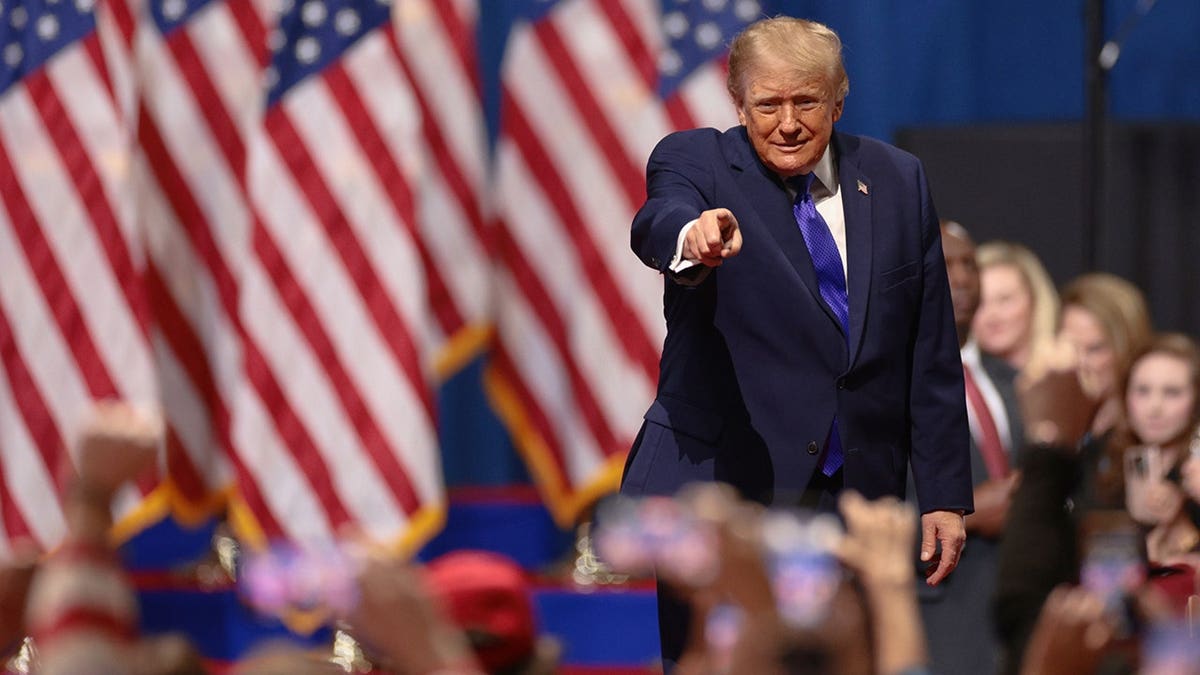
Tafoya, meanwhile, is attempting a "tightrope walk." By stating, "When Trump is right, I will work with him. When he is wrong, I will stand up for Minnesota," she is signaling to voters that she will not be a "rubber stamp" for any national leader. This approach is a direct response to the political reality of Minnesota, where voters historically value a degree of independence in their federal representatives.
Data and Electoral Implications
Recent polling and the decision by major political analysts to shift the race from "Likely Democrat" to "Lean Democrat" reflect a tightening contest. The shift is not merely symbolic; it reflects a broader trend of increased Republican engagement in suburban and rural precincts that were previously considered safely Democratic.
Data from the state’s most recent fiscal reports also underscore the gravity of the fraud investigations that Tafoya is highlighting. The scale of the alleged misappropriation of funds has become a central talking point that has forced the Democratic ticket onto the defensive. As the campaign enters its final phase, the ability of both candidates to control the narrative regarding these scandals—and their respective visions for the future—will likely determine the outcome.
Analysis: The Path Forward
The fundamental challenge for Peggy Flanagan is to maintain her progressive coalition while reassuring the moderate center that she is prepared to engage in the give-and-take of the U.S. Senate. Her refusal to identify a common ground with the Trump administration may solidify her support among the base, but it also provides a clear opening for Tafoya to portray her as an ideologue unwilling to prioritize the needs of the entire state.
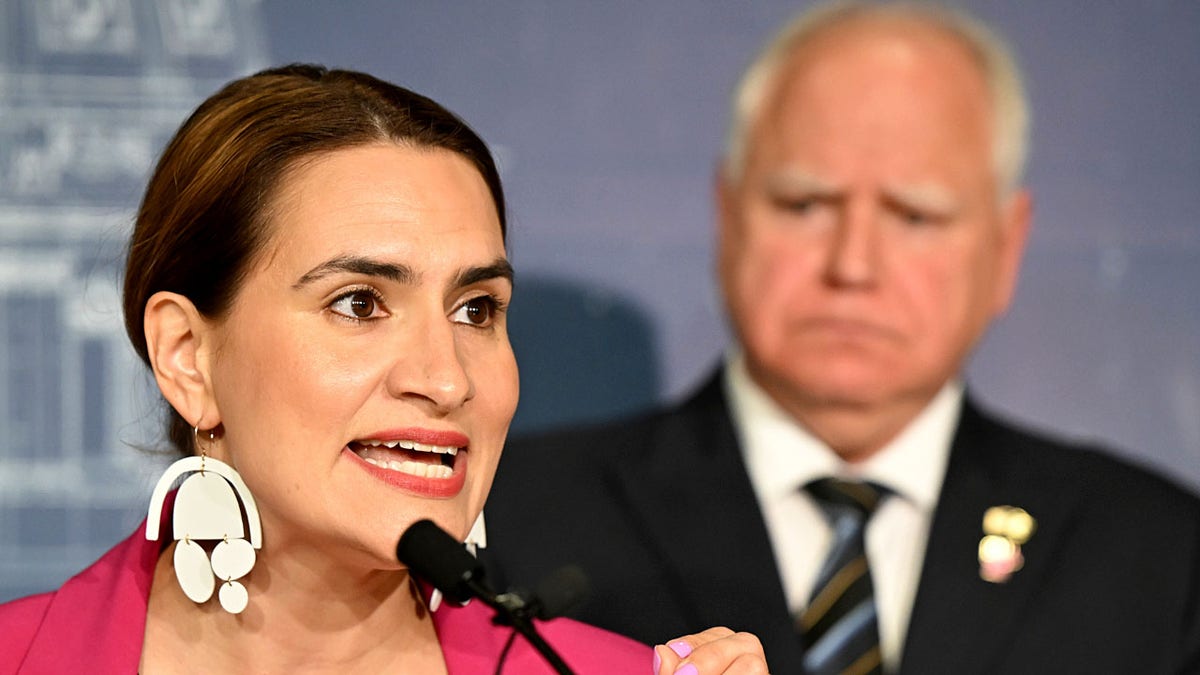
For Michele Tafoya, the challenge remains to keep the focus on local issues and government accountability while managing the volatility of the national political environment. If she can continue to thread the needle between supporting the Republican agenda and asserting her independence, she may well pull off one of the most significant upsets of the election cycle.
As both candidates prepare for the final weeks of the campaign, the voters of Minnesota are presented with two distinct visions for the future: one that advocates for a continuation and expansion of current progressive policies, and another that calls for a clean break from the status quo in favor of a new, more independent approach to governance. The result will serve as a bellwether for the broader political health of the Midwest and the efficacy of the current Democratic and Republican campaign strategies.