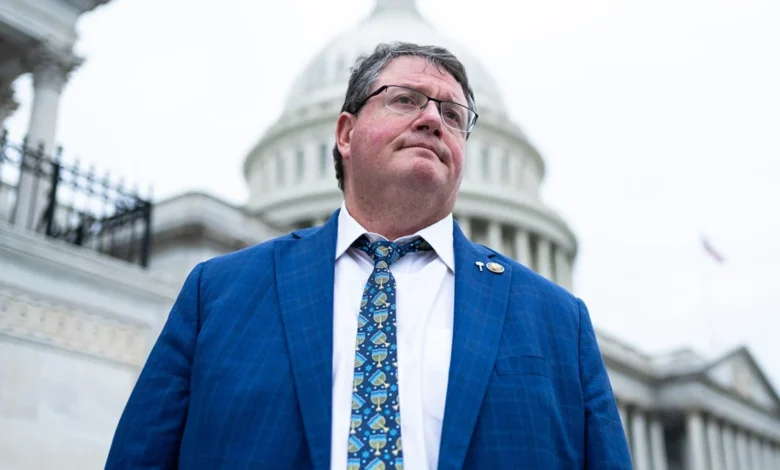
As the dust settles on a seismic shift in American politics, the Republican Party is currently grappling with the aftermath of a general election that saw the Democratic Party secure commanding majorities in both chambers of the United States Congress. While the national electoral landscape shifted sharply toward the left, creating what many analysts have described as a "blue tsunami," a notable counter-narrative emerged from Florida. Amidst the broader Republican retreat, Representative Randy Fine stands out as a rare exception, having expanded his winning margin by five percentage points compared to his previous electoral performance.
In an exclusive interview, Representative Fine provided a critical assessment of the factors that led to the GOP’s national underperformance, while articulating a roadmap for how the party might position itself during what he characterizes as an "ugly two years" of legislative opposition.
The Anatomy of a National Set-Back
The 2026 midterm cycle concluded with a decisive rejection of the Republican platform in numerous battleground states. Preliminary results indicate that the Democratic Party succeeded in capturing key suburban districts that were previously considered safely Republican. For the GOP, the loss of both the House and the Senate represents a profound challenge to their legislative influence and necessitates a fundamental re-evaluation of their outreach strategies.
While the national party struggled to connect with a shifting electorate, Florida remained a stronghold for conservative candidates. The state saw Republicans maintain their 20-8 advantage in the U.S. House delegation, successfully retaining the governor’s mansion and securing critical victories in statewide races. Analysts point to the Florida GOP’s unified branding and candidate quality as significant factors in their localized success, contrasting sharply with the fragmented messaging that plagued the national campaign.
Fine’s Strategic Methodology
Representative Fine’s ability to buck the national trend is rooted in a specific, localized campaign strategy that prioritized direct constituent engagement and a "fighter" persona. Following a high-stakes special election in which approximately $14 million was deployed against him, Fine secured a 14-point victory. He improved upon that success in the most recent cycle, winning by a 19-point margin.
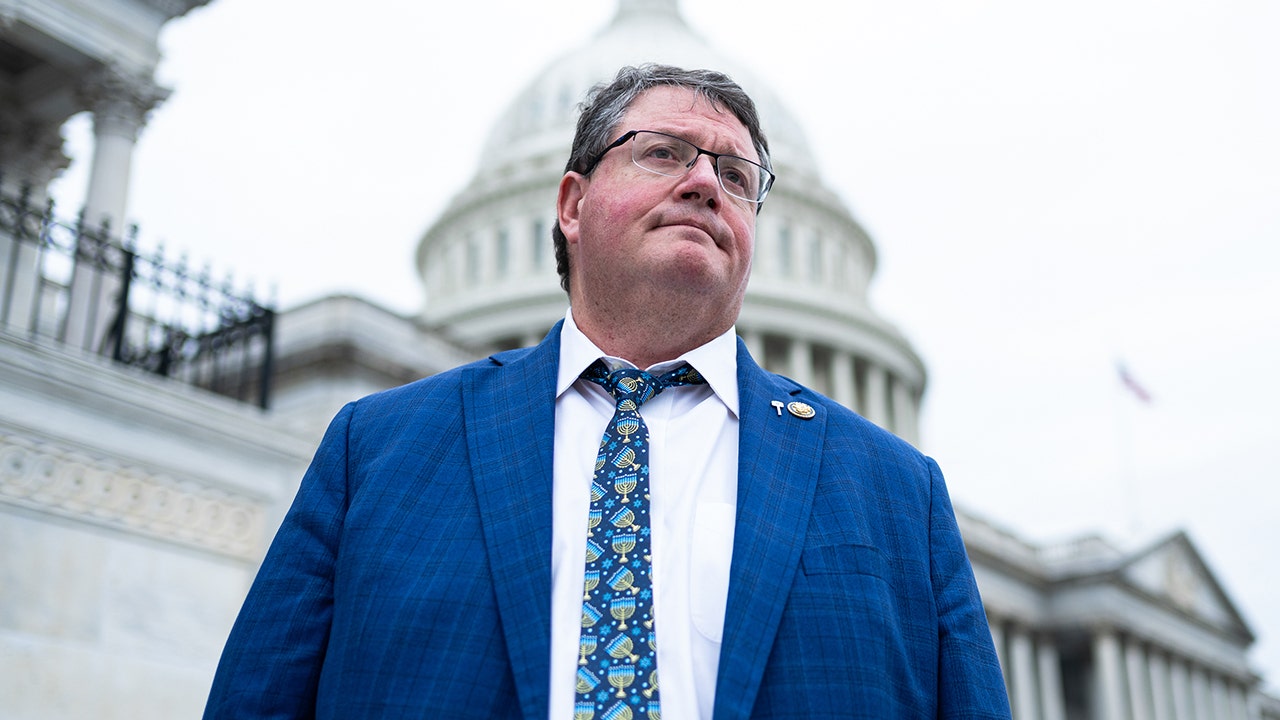
"My constituents want a fighter, someone who says what they believe," Fine stated during the interview. "They know it’s not driven by polls or anything else and fights for them, whether it’s fighting for their constituent service issue or fighting on illegal immigration or fighting to bring money to the district."
Fine emphasizes that his success was not the result of a national wave, but rather a deliberate effort to address local grievances and maintain a consistent ideological stance. He suggests that Florida voters, having experienced the economic and social outcomes of conservative governance in the state, were incentivized to reject the national trend to protect their current status quo.
A Unified Party in Crisis
Despite his own success, Fine declined to cast blame on specific members of the national GOP leadership. Instead, he framed the loss as a collective failure of the party to resonate with the broader American public. He argued that the Republican Party struggled to communicate its values effectively, leading to a perception among voters that the party was disconnected from their primary concerns.
"We’re a team and the team lost. And so then the whole team bears responsibility and that includes me," Fine remarked. "I think that what we did is we failed to understand what the American people wanted. I think we failed to make them think we cared about them."
This perspective highlights a growing divide within the GOP regarding the efficacy of their messaging. While some factions within the party advocate for a pivot toward more moderate positions to capture suburban voters, others, including Fine, believe the solution lies in a more authentic and aggressive communication of core conservative principles.
Policy Implications: Two Years of Defense
With the Democrats now holding the legislative reins in Washington, the focus for the Republican minority is expected to shift toward oversight and defensive maneuvers. Fine anticipates that the next two years will be defined by constant clashes over the legislative agenda. He identifies immigration as the most critical issue, warning that a Democrat-controlled Congress will likely move to reverse border security measures, pursue mass amnesty, and diminish the emphasis on cultural assimilation.

"I think they will seek to reopen the border and allow illegals to flood in," Fine said. "I think they will seek mass amnesty, rewarding all of the illegals that are here. And I think they will stop any requirement for people who come to this country to assimilate. They believe in the ‘third worldification’ of America."
This defensive posture suggests that the GOP will prioritize investigations and procedural delays to stall the Democratic legislative agenda. The effectiveness of this strategy, however, remains to be seen, as the party must navigate the reality of having no veto power over policy changes.
Regional Divergence: Florida vs. Texas
Fine’s analysis also extended to the performance of the Republican Party in other conservative states, specifically noting a stark contrast between Florida and Texas. He suggested that while Florida’s leadership—including rising conservative figures like Byron Donalds—successfully fended off electoral headwinds, Texas experienced a "slide" due to an influx of illegal immigration and a failure to address cultural issues with the same vigor as the Florida delegation.
"Demographics are destiny," Fine observed, noting that Texas may have been uniquely susceptible to shifts that the Florida GOP had already prepared for. This assessment underscores the growing importance of state-level demographics in national electoral calculations.
Controversies and Ideological Battlegrounds
The election also brought to the forefront heated ideological battles, including the rise of figures such as Senator-elect Abdul El-Sayed in Michigan. Fine, an outspoken critic of El-Sayed, expressed profound concern regarding the implications of this victory for the country, characterizing it as a "historically bad thing" and citing concerns regarding foreign policy and national security.
These comments reflect the increasingly polarized nature of American politics, where candidates are often defined by their stance on cultural and international issues as much as their economic platforms. For voters, the election was not merely a contest of policy, but a referendum on the cultural direction of the nation.

The Path Forward for GOP Leadership
As the party begins to look toward its future, discussions regarding House leadership have already commenced. Following the transition of power, the Republican caucus is expected to select a new Minority Leader. While Representative Fine confirmed that neither Jim Jordan nor Steve Scalise has yet secured his support, he emphasized that the process is ongoing. He notably excluded former Speaker Mike Johnson from the list of viable candidates, noting that Johnson has removed himself from consideration.
The selection of a new leader will be a litmus test for the Republican Party’s direction. Whether the party chooses to double down on the populist rhetoric that has defined recent years or seeks to broaden its appeal, the decision will have long-term consequences for the party’s viability in the 2028 cycle.
Conclusion: Preparing for the Struggle
The 2026 election cycle serves as a sobering reminder of the volatility inherent in the American political system. For Representative Randy Fine and his colleagues, the challenge ahead is twofold: they must reconcile their own successful strategies with the failure of the national brand, and they must determine how to effectively serve as a check on a government that is now entirely under the control of their political rivals.
As the political calendar turns to the next session of Congress, the national conversation will likely remain centered on the tension between the country’s competing visions for its future. For Fine, the way forward is clear: a committed, unapologetic defense of conservative values, regardless of the political cost or the electoral headwinds. Whether this strategy will be sufficient to reclaim the legislative majority in future cycles remains the central question for the Republican Party as it enters this difficult transition.