Colorado has long commanded a dominant position within the North American tourism and hospitality sectors, functioning as a premier destination for both domestic and international travelers. From the glitzy, high-altitude streets of Aspen to the culturally vibrant, culinary-forward landscape of Denver, and the myriad historic mountain towns nestled between, the Centennial State offers a geographic and cultural diversity that continuously defies exhaustion. Despite welcoming millions of visitors annually, the state retains an expansive frontier appeal, underpinned by four distinct national parks, thousands of miles of multi-use hiking and biking trails, world-renowned alpine ski resorts, and thriving urban economies fueled by independent commerce.
As consumer preferences within the travel sector evolve, the demand for alternative accommodations—particularly unique vacation rentals—has experienced unprecedented growth. Travelers increasingly seek immersive, localized experiences that traditional hotel settings often struggle to replicate. Consequently, securing the ideal Airbnb has become an integral component of the modern Colorado itinerary. The state’s short-term rental market reflects its geographic dichotomy, featuring secluded timber cabins with direct access to backcountry powder, sprawling architectural estates engineered for multi-family reunions, and design-forward urban lofts situated in the heart of burgeoning metropolitan cultural districts.
The Evolution of Colorado’s Tourism and Short-Term Rental Economy
To understand the current prominence of Colorado’s vacation rental market, one must examine the broader historical trajectory of the state’s tourism industry. For over a century, tourism has served as a foundational pillar of the local economy. In the late 19th century, the expansion of the railway system opened the Rocky Mountains to miners turned leisure travelers, seeking the restorative mineral springs of Glenwood and the rugged vistas of the front range. By the mid-20th century, the establishment of commercial skiing in destinations like Aspen, Vail, and Steamboat Springs transformed Colorado into a premier winter sports capital.
The subsequent decades witnessed continuous infrastructure investment, culminating in record-breaking tourism metrics in the 21st century. According to data compiled by the Colorado Tourism Office (CTO), the state’s visitor volume surpassed 84 million travelers annually in the pre-pandemic era, generating billions of dollars in direct visitor spending and supporting hundreds of thousands of local jobs. Concurrently, the lodging landscape underwent a structural shift. While iconic properties such as the historic Brown Palace in Denver or luxury alpine lodges set the standard for traditional hospitality, the proliferation of platforms like Airbnb democratized access to residential neighborhoods and remote wilderness locations.
This shift has not occurred without regulatory scrutiny. Over the past decade, municipal governments across Colorado—most notably in resort-heavy counties such as Pitkin, Eagle, and Summit—have instituted rigorous licensing frameworks, zoning restrictions, and occupancy taxes to balance the economic benefits of short-term rentals with the housing needs of local workforces. Despite these regulatory measures, the demand for high-caliber, rigorously vetted vacation rentals remains exceptionally robust, driven by travelers seeking privacy, autonomy, and architectural distinction.
Methodology for Curating Elite Colorado Accommodations
Navigating the vast inventory of short-term rentals in Colorado requires a discerning evaluative framework. The properties highlighted in elite travel curation are selected based on a stringent matrix of qualitative and quantitative metrics. These include verified Superhost or Guest Favorite status, sustained high review ratings, exceptional amenities, strategic geographic positioning, interior design merit, editorial site inspections, and verifiable historical guest satisfaction.
The resulting portfolio of properties caters to a wide spectrum of seasonal itineraries, ranging from high-velocity winter ski excursions to tranquil summer alpine retreats and vibrant autumn foliage tours. Below is an analytical breakdown of the 13 premier Airbnbs in Colorado, categorized by their regional settings and distinctive architectural profiles.
The High-Altitude Luxury of the Rocky Mountain Resorts
Aspen, Vail, Telluride, and Crested Butte represent the pinnacle of Colorado’s alpine luxury. Properties in these markets are defined by their proximity to world-class ski infrastructure, dramatic topography, and elevated interior finishes.
-
The Modern Timber Chalet in Aspen
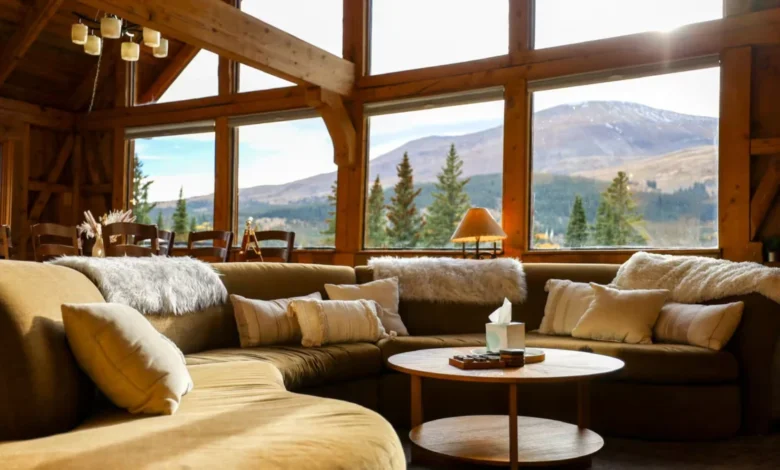
Situated within minutes of downtown Aspen yet completely enveloped by mature aspen groves, this architectural masterpiece merges contemporary industrial design with traditional mountain rusticity. Featuring floor-to-ceiling glass walls, radiant floor heating, a state-of-the-art chef’s kitchen, and an expansive outdoor deck complete with a commercial-grade hot tub, this property is engineered for travelers seeking uncompromising luxury following a day on the slopes of Ajax Mountain or Snowmass. -
The Historic Mining Town Loft in Telluride
Nestled in the historic district of Telluride, this carefully restored 19th-century brick building offers a seamless blend of heritage preservation and modern interior curation. Exposed brick walls, reclaimed hardwood floors, and bespoke ironwork complement high-end entertainment systems and luxury bedding. Its central location places guests within walking distance of the Telluride Gondola, providing direct access to world-class skiing and hiking without the need for an automobile. -
The Ski-In/Ski-Out Retreat in Vail
Positioned directly adjacent to premier trail networks in Vail, this expansive mountain home eliminates the logistical friction typically associated with ski vacations. Designed with massive timber trusses, stone fireplaces, and vaulted ceilings, the residence offers direct slope access, a private ski locker room with boot warmers, and panoramic views of the Gore Range. -
The Crested Butte Alpine Sanctuary
Known as the wildflower capital of Colorado, Crested Butte hosts travelers year-round in properties that emphasize immersion in the surrounding wilderness. This secluded A-frame cabin has been meticulously modernized, featuring minimalist Scandinavian decor, a wood-burning Jotul stove, and expansive picture frames capturing Mount Crested Butte. It serves as an ideal basecamp for backcountry skiing in the winter and mountain biking in the summer.
Urban Sophistication: Denver and the Front Range
While the mountain peaks capture global headlines, Colorado’s urban centers along the Front Range possess dynamic cultural, culinary, and architectural identities.
-
The RiNo Industrial Loft in Denver
Located in the River North (RiNo) Arts District—Denver’s epicenter for street art, craft breweries, and avant-garde dining—this converted warehouse loft exemplifies urban industrial chic. High ceilings, exposed ductwork, original concrete pillars, and curated mid-century modern furnishings create an inspiring environment. Guests are steps away from some of the city’s finest galleries, cocktail bars, and culinary incubators. -
The Historic Victorian Home in Capitol Hill, Denver
For travelers drawn to architectural heritage, this late-19th-century Victorian residence in Denver’s historic Capitol Hill neighborhood provides a masterclass in preservation. Featuring ornate woodwork, stained glass windows, and period-appropriate antiques paired with modern smart-home amenities, the property offers an authentic window into Denver’s storied past while remaining centrally located to museums, parks, and downtown commerce. -
The Boulder Foothills Modernist Escape
Perched on the edge of the Flatirons in Boulder, this modernist glass-and-steel home offers immediate access to world-class climbing and trail running while remaining minutes from Pearl Street Mall. The property emphasizes indoor-outdoor living, with retractable glass walls opening onto multi-tiered stone patios that overlook the sprawling plains below.
The Untamed Wilderness: Cabins and Ranches Beyond the Crowds
For travelers prioritizing solitude, wildlife observation, and dark skies, Colorado’s less-commercialized counties offer extraordinary rustic retreats.
-
The Steamboat Springs Riverside Cabin
Located along the banks of a rushing trout stream just outside Steamboat Springs, this classic log cabin provides a quintessential Colorado river experience. Equipped with a wraparound porch, a private fly-fishing access point, and a wood-fired sauna, it delivers a deeply restorative environment far removed from urban congestion. -
The Granby Ranch Panoramic Vista Lodge
Positioned near Grand County’s vast outdoor recreation areas—including Rocky Mountain National Park—this sprawling timber lodge accommodates large groups with ease. Featuring multiple living areas, a game room, a massive stone hearth, and unobstructed views of the Continental Divide, it serves as a strategic hub for snowmobiling, cross-country skiing, and summer wildlife expeditions. -
The San Juan Mountain Backcountry Outpost
Situated near Ouray—often referred to as the Switzerland of America—this rugged yet refined cabin is surrounded by towering jagged peaks and historic mining ruins. Ideal for off-road enthusiasts and ice climbers, the property features robust winterization, a powerful backup generator, and an interior finished in rich local pine. -
The Red Rock Desert Retreat in Gateway
Demonstrating Colorado’s surprising geological diversity, this desert property near the Utah border places guests amidst dramatic red sandstone monoliths. The architecture utilizes rammed-earth construction and passive solar design, harmonizing with the arid landscape while offering luxurious modern interiors and unmatched stargazing opportunities. -
The Pikes Peak Foothills Eco-Cabin
Located near Manitou Springs, this sustainable tiny-home community rental proves that environmental consciousness and luxury are not mutually exclusive. Powered entirely by solar arrays and utilizing rainwater catchment systems, the cabin offers high-end finishes, heated tile floors, and direct hiking access to the base of Pikes Peak. -
The Salida Creative Arts Haven
Positioned in the heart of Salida’s historic downtown creative district, this renovated industrial workshop functions as a live-work space for traveling artists and design aficionados. Featuring polished concrete floors, abundant natural light from restored industrial windows, and an extensive collection of contemporary art, the property highlights the vibrant creative class shaping rural Colorado communities.
Economic Implications and Market Trends
The sustained popularity of these diverse accommodations underscores a broader transformation within Colorado’s tourism economy. According to recent economic analyses from the Leeds School of Business at the University of Colorado Boulder, alternative lodging platforms contribute significantly to regional tax bases while dispersing economic activity beyond traditional commercial hotel districts into residential neighborhoods and smaller municipalities.
However, industry stakeholders continue to navigate complex challenges. Municipal policy debates regarding workforce housing availability, neighborhood character preservation, and environmental sustainability remain at the forefront of local governance. Destination management organizations are increasingly emphasizing responsible tourism initiatives, encouraging short-term rental operators and guests alike to adhere to strict Leave No Trace principles, wildfire prevention protocols, and community integration guidelines.
As Colorado looks toward future tourism cycles, the short-term rental market remains an essential component of the state’s hospitality infrastructure. By successfully bridging the gap between rugged wilderness exploration and sophisticated residential comfort, these premier properties ensure that the Centennial State will continue to captivate travelers seeking both adventure and sanctuary for generations to come.