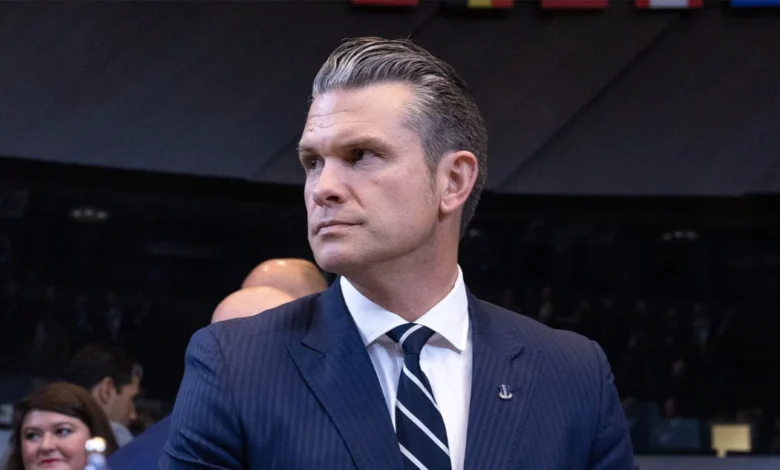
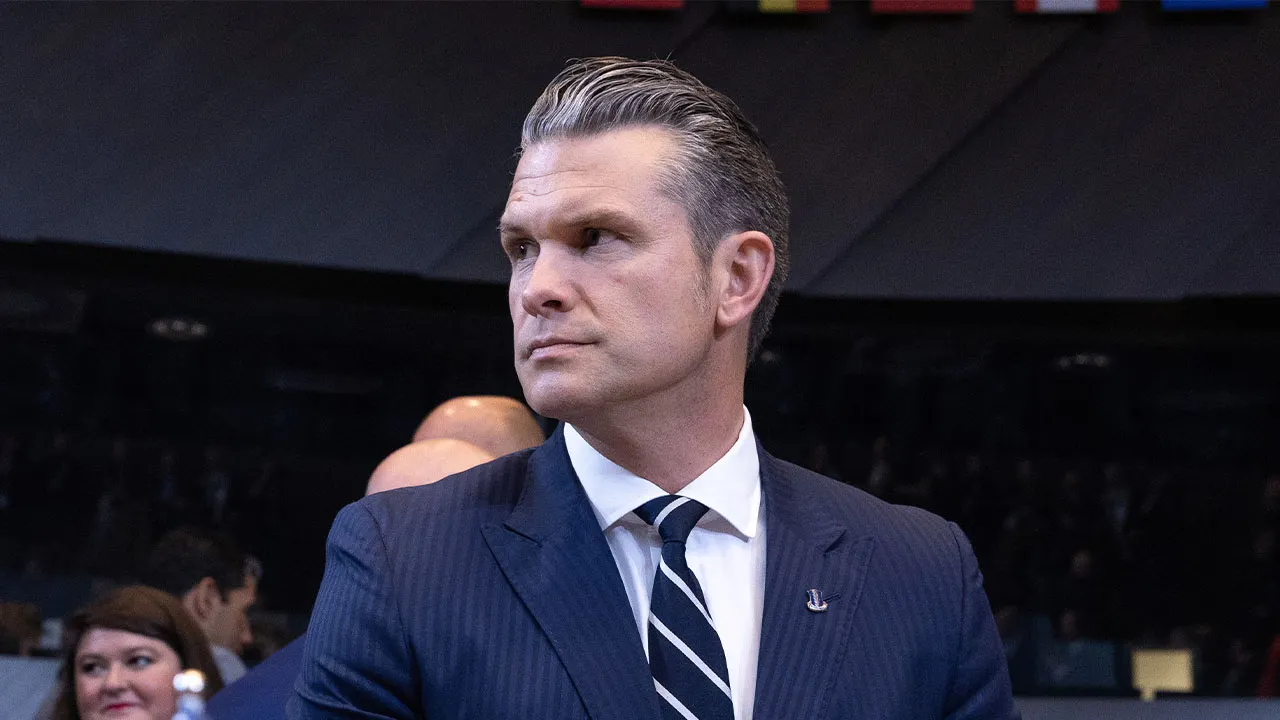
President Donald Trump reaffirmed his support for Defense Secretary Pete Hegseth on Wednesday, dismissing mounting speculation regarding the Pentagon chief’s future in the wake of significant Republican losses during the recent midterm elections. Despite a chorus of concern from administration insiders and political analysts questioning whether Hegseth can retain his position as the administration pivots to address a shifting congressional landscape, the President remained steadfast. "I think he’s doing a very good job," Trump stated during a press appearance when pressed on whether he intended to replace the embattled official.
The public endorsement comes at a precarious moment for the White House. With Democrats securing majorities in both chambers of Congress following Tuesday’s electoral results, the legislative branch is poised to transition into a new power dynamic come January. This shift in momentum has intensified scrutiny over the administration’s handling of the Iran war—a conflict that served as a central campaign issue and an economic burden throughout the midterm cycle. Hegseth, a former television personality, has been the face of this military campaign, making him an inevitable focal point for political fallout.
A Timeline of Escalation and Electoral Impact
The controversy surrounding the Pentagon’s leadership did not materialize overnight. It is the culmination of a months-long period of heightened military activity and internal administration friction.
- Early 2026: The conflict with Iran escalates, with Hegseth serving as the primary advocate for a robust and sustained military response.
- March 2026: Hegseth publicly declares that the U.S. is executing "our retribution" against Tehran, signaling a hardline approach that initially garnered strong support within the President’s base.
- Summer 2026: Reports of internal infighting, unauthorized leaks regarding sensitive military operations against Houthi militants, and the dismissal of key Pentagon aides begin to erode public confidence in the Department’s stability.
- October 2026: The midterm election results are finalized, showing a clear swing toward the Democratic Party, which leadership attributes to the ongoing economic and political costs of the Iran campaign.
- November 2026: Following the election, House and Senate Democrats formally announce their intention to prioritize oversight and investigations into the Pentagon, with some members calling for Hegseth’s resignation or impeachment.
The Strategic Debate: Policy vs. Personnel
Behind the scenes, the conversation within the White House is far more nuanced than the President’s public posture suggests. While Trump has publicly lauded Hegseth’s performance, multiple administration sources suggest that the "lame duck" period before the next Congress takes office will be a definitive testing ground for the Secretary’s tenure.
One primary concern among the President’s inner circle is the efficacy of the "Operation Economic Outcast" sanctions campaign, led by Treasury Secretary Scott Bessent. When the campaign failed to produce a decisive "victory" or the swift collapse of the Iranian regime that was once promised, the political calculus shifted. An administration official noted that while Trump is known for his loyalty, he is equally famous for his unpredictability, stating, "Trump can turn on a dime."
There is, however, a counter-argument within the Pentagon favoring stability. With the administration currently evaluating the possibility of renewed military strikes against Iran, removing a leader who is already intimately familiar with the operational directives could be seen as counterproductive. Hegseth has demonstrated a high degree of compliance with presidential orders, a trait that the President values highly in his military cabinet.
Congressional Pressure and the Specter of Impeachment
The legislative landscape is rapidly turning hostile. House Minority Leader Hakeem Jeffries has been vocal about his party’s determination to challenge Hegseth’s leadership. Beyond the standard oversight hearings, the threat of impeachment has moved from a fringe suggestion to a formal discussion point among Democratic leadership.

Representative Thomas Massie (R-Ky.) has further complicated the situation for the GOP by pledging to force a vote on articles of impeachment during the current lame-duck session. For Republican lawmakers, particularly those eyeing competitive reelection bids in 2028, this creates a "toxic" voting scenario. Supporting a embattled Secretary could alienate moderate voters, while abandoning him could trigger a backlash from the President’s loyalist base.
The Cultural and Structural Agenda at the Pentagon
Hegseth’s tenure has been defined not only by the war in Iran but by a radical restructuring of military culture. His policy goals—many of which have been implemented through executive directive—include:
- Personnel Restrictions: The prohibition of transgender service members and the removal of various diversity, equity, and inclusion (DEI) initiatives.
- Combat Standards: The mandate for uniform combat fitness requirements across all service members, regardless of gender.
- Bureaucratic Overhaul: The consolidation of various Army commands, the reduction of senior-level military leadership, and the accelerated integration of artificial intelligence into the military’s tactical arsenal.
These initiatives have consistently placed Hegseth at odds with institutionalists within the military establishment. Critics argue that these moves have weakened the morale and recruitment capabilities of the armed forces, while supporters view them as a necessary return to traditional martial values.
Historical Precedent and Future Outlook
Political observers have been quick to draw comparisons between the current situation and the 2006 transition. In November 2006, following substantial GOP losses in the midterms, President George W. Bush accepted the resignation of Defense Secretary Donald Rumsfeld. The parallel, while not exact, highlights a recurring trend in American politics: when a specific military conflict becomes a drag on a president’s political capital, the defense secretary often becomes the primary casualty of the resulting house-cleaning.

The Pentagon’s official position remains one of defiance. Chief spokesperson Sean Parnell has maintained that Hegseth is "100% committed to leading the Department until the end of President Trump’s term." In a statement, the department dismissed the ongoing criticism as "partisan point-scoring" and "phony investigations," reinforcing that the Secretary intends to remain at his post to continue driving the President’s agenda.
Ultimately, the future of the Secretary of Defense rests on a delicate balance. If the administration perceives that Hegseth’s presence is a barrier to achieving its final policy objectives or if the electoral fallout proves more damaging than the current, brief period of post-election reflection suggests, a departure may be inevitable. However, as long as the President continues to characterize the Secretary’s performance as "very good," the institutional pressure may be insufficient to force a change. The coming weeks, characterized by intense congressional activity and potentially renewed military posturing, will reveal whether this defense of the Secretary is a permanent commitment or merely a temporary buffer against political volatility.