For decades, Thanksgiving has occupied a central place in the American cultural calendar, serving as a pillar of national identity defined by family gatherings, historical reflection, and seasonal gratitude. However, a growing movement within the American education system—ranging from primary schools to elite universities—is actively seeking to dismantle or reframe this tradition. As the nation approaches the holiday, an increasing number of institutions are designating the day as a moment for mourning rather than celebration, framing the event through the lens of historical trauma, settler colonialism, and the systemic displacement of Indigenous populations.
This ideological shift, which has gained significant momentum over the past several years, is no longer confined to niche academic circles. It has moved into student life programming, official school board curricula, and diversity, equity, and inclusion (DEI) initiatives. Critics argue that these efforts are an attempt to rewrite national history, while proponents maintain that acknowledging the darker realities of American history is a necessary component of modern education and cultural competency.
The Academic Shift: Reframing National Holidays
At the collegiate level, the push to re-evaluate the origins of Thanksgiving has moved from the classroom into the realm of organized student activities. On November 18, George Washington University hosted a forum titled "Breaking Bread: The Cost of Celebration." The event invited students to analyze Thanksgiving, alongside Christmas and Independence Day, through an "intersectional lens." According to university literature, the goal was to facilitate dialogue regarding "belonging, exclusion, cultural erasure, and historical harm," aiming to address the complexities of celebrating traditional milestones within a modern, diverse society.
Similar initiatives have appeared across the country. On November 17, the University of Wisconsin at Milwaukee hosted an "AlterNative Giving" event. Organized by the American Indian Student Center and the Electa Quinney Institute for American Indian Education, the gathering served as a direct rejection of the traditional Thanksgiving narrative. Participants were encouraged to shift their focus away from colonial history and toward what organizers described as "Indigenous ways of knowing, being, and giving."
This trend is not limited to isolated events. Institutional policies are increasingly reflecting this perspective. Salem State University has publicly labeled Thanksgiving a "National Day of Mourning." In its communications, the university explicitly acknowledges that the land it occupies is the ancestral territory of the Massachusett tribe, referencing the "genocide and forced removal" of Indigenous people from their traditional summer home in Nâmkek.
Chronology of a Changing Narrative
The transformation of the Thanksgiving discourse has evolved in distinct phases over the last decade:
- 2015–2018: Rise of Land Acknowledgments. Major public and private universities began implementing formal "land acknowledgments" at the start of public events, setting the stage for more critical inquiries into the history of American holidays.
- 2020–2021: The DEI Expansion. Following a national period of social unrest, many institutions expanded their DEI departments. This led to the creation of "teaching toolkits" designed to provide educators with resources to discuss "decolonizing" the classroom, particularly around historical holidays.
- 2022–2024: Official Institutional Integration. Holiday calendars at institutions like the University at Albany and the Pratt Institute began officially listing the holiday as "National Day of Mourning/Thanksgiving," marking a shift from grassroots activism to formal administrative recognition.
- 2025: Widespread Administrative Adoption. The phenomenon has reached a point where public school districts, such as the Bethel School District in Oregon, now link directly to "Decolonizing Thanksgiving" toolkits as part of their official curriculum resources.
Broadening the Scope: K-12 Education and Public Policy
The debate has moved beyond the university gates and into the K-12 sector, where parents and educators are grappling with how to present these historical concepts to children. In Loudoun County, Virginia, a school district that has frequently been at the center of national debates regarding parental rights and curriculum content, parents have raised concerns about lesson plans that characterize the holiday as a "Day of Mourning." These parents argue that such instruction is age-inappropriate and presents a biased, singular view of American history.
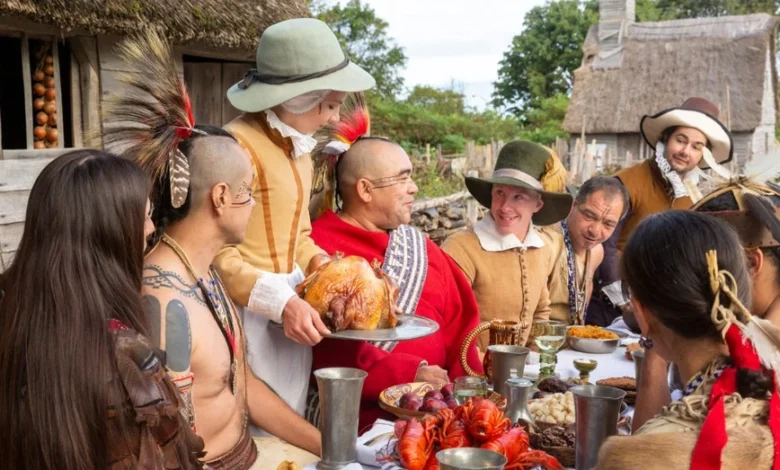
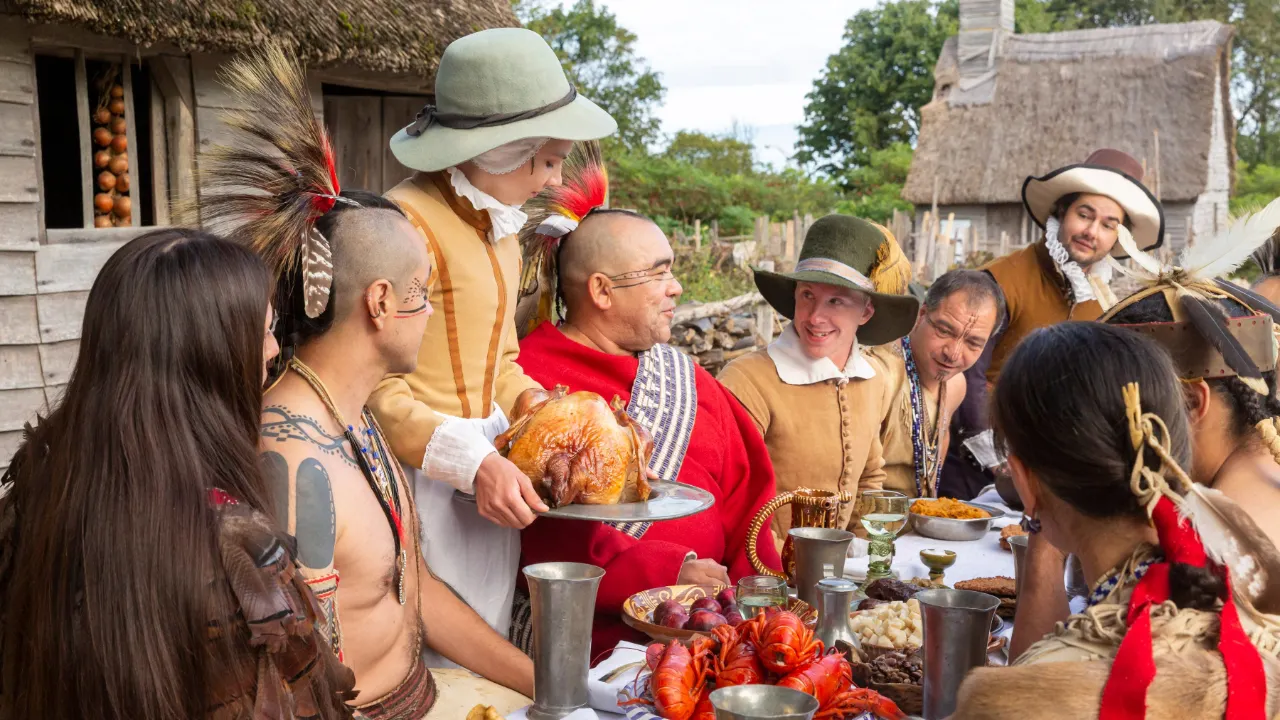
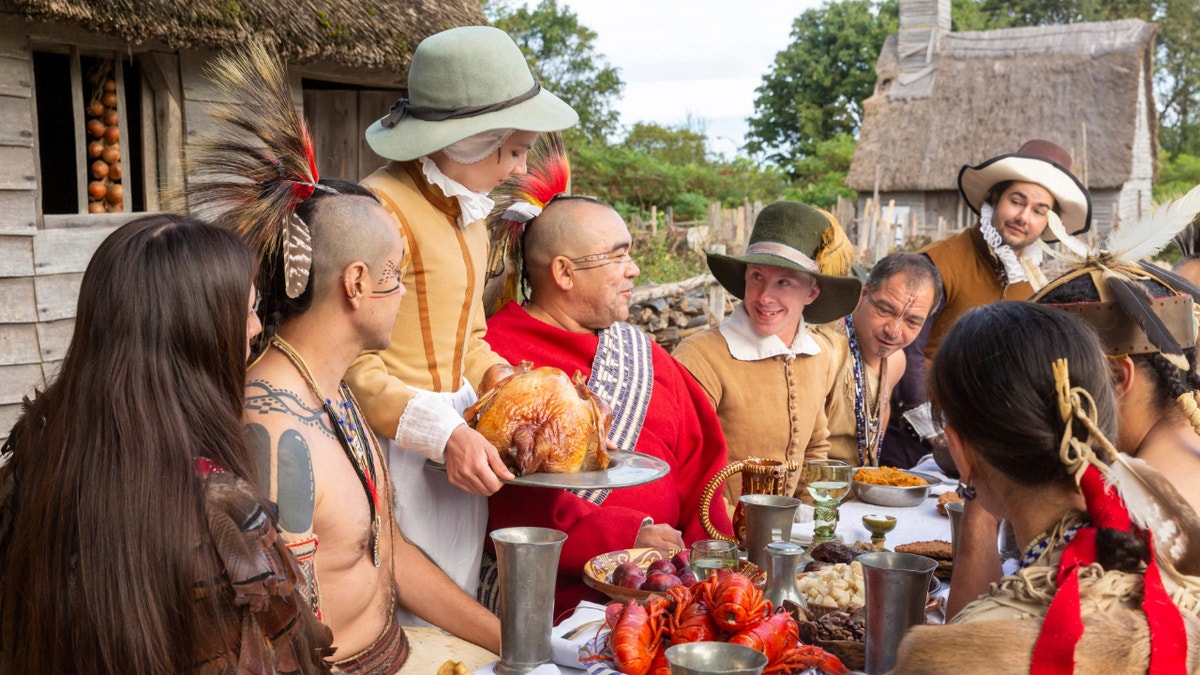
The San Diego County Office of Education has similarly framed the month of November as a time for "honoring the diversity, history, and living cultures of Native peoples," while simultaneously noting that the holiday carries "very different meanings for different people." These initiatives often suggest that traditional Thanksgiving imagery—pilgrims, harvest feasts, and the narrative of peaceful cooperation—is historically inaccurate and promotes a harmful myth that obscures the realities of colonization.
Data and Implications: The Impact of Historical Revisionism
The implications of this shift are significant, both in terms of social cohesion and the future of historical education. A review of institutional calendars and online resources reveals that at least a dozen major universities and several large public school districts have moved to provide "alternative" historical interpretations of the late autumn holiday.
From an educational standpoint, proponents of these initiatives argue that historical accuracy is paramount. By highlighting the Wampanoag experience and the subsequent conflict between European settlers and Indigenous populations, educators argue they are providing a more complete picture of the American founding. They point to the 1637 massacre of the Pequot people as a historical reality that stands in stark contrast to the harmonious imagery often associated with the holiday.
However, critics suggest that the move toward "decolonization" carries the risk of creating a culture of perpetual grievance. There is a concern among some policymakers and parents that by focusing exclusively on "settler colonialism" and "genocide," schools may inadvertently undermine a sense of shared national identity. This conflict has fueled recent legislative efforts at the state level to curtail the influence of DEI departments on public college campuses, with proponents of such legislation arguing that ideological training is replacing objective historical instruction.
The Role of External Watchdogs and Public Reaction
The ongoing debate has drawn the attention of various watchdog groups that monitor campus culture. Organizations that track the influence of DEI on higher education have warned that the shift in holiday messaging is merely a symptom of a broader "core ideology" that permeates university administration. These groups argue that simply renaming a holiday or hosting a seminar is not enough to address the deeper philosophical divide regarding how American history should be taught.
Public reaction remains deeply polarized. On one side, Indigenous advocacy groups argue that the "National Day of Mourning" is a vital opportunity to correct centuries of erasure. On the other side, many Americans view these developments as a rejection of their cultural heritage and a destabilizing influence on the educational system.
Future Outlook
As the academic and administrative focus on "decolonizing" holidays continues to grow, it is likely that the debate will intensify. The divide between those who see Thanksgiving as an essential celebration of unity and those who view it as a symbol of historical injustice shows little sign of narrowing.
For the American education system, the challenge remains in balancing the need for historical rigor with the preservation of cultural traditions. Whether these "alternative" events will become a permanent fixture of the holiday season or if there will be a future pushback against the deconstruction of national holidays remains an open question. What is clear, however, is that the way the next generation understands the history of the United States is currently undergoing a profound and rapid transformation, one that is being played out in classrooms and community centers across the country every November.
The movement signifies a deeper shift in the American psyche, as institutions move away from traditional narratives toward a more critical, and often more painful, examination of the nation’s past. This transformation, while viewed by some as necessary progress, is seen by others as an erosion of the foundational myths that have historically bound the country together. As these conflicting viewpoints continue to clash, the traditional Thanksgiving table may increasingly become a place of ideological contention rather than one of unified celebration.