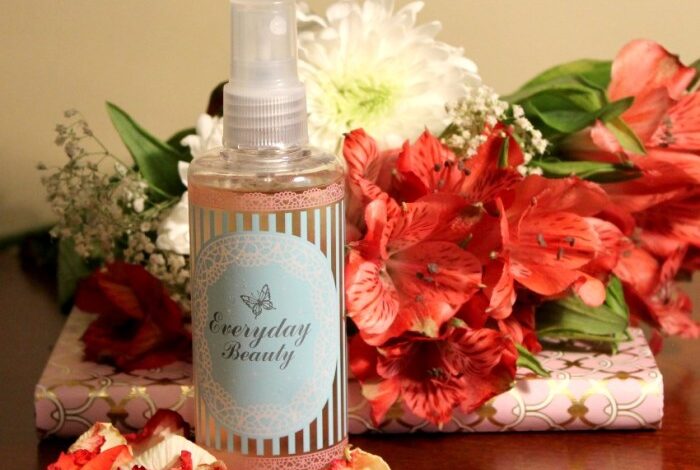
Make your own rose water face mist takes center stage, inviting you to unlock the secrets of this ancient beauty elixir. Rose water, with its captivating aroma and skin-loving properties, has been cherished for centuries. From ancient Roman bathhouses to modern-day skincare routines, rose water has consistently held a place of honor, prized for its ability to hydrate, tone, and soothe the skin.
Imagine crafting your own personalized rose water mist, infused with the essence of fresh roses and tailored to your unique skin needs. This DIY project blends the allure of nature with the power of self-care, offering a refreshing and effective way to enhance your daily beauty routine.
Crafting Your Own Rose Water Mist: Make Your Own Rose Water Face Mist

Rose water is a versatile ingredient that can be used in a variety of ways, from adding a delicate floral scent to your beauty products to soothing your skin. It’s also incredibly easy to make at home, and you can even customize it with different types of roses to create your own unique blend.
Making Rose Water at Home
Making rose water at home is a simple and rewarding process. It allows you to control the quality of the ingredients and create a product that is free from harsh chemicals and artificial fragrances. There are two primary methods for extracting rose water: distillation and infusion.
Distillation
Distillation is the traditional method of extracting rose water. It involves heating rose petals in water and collecting the steam that rises. The steam is then condensed back into liquid, resulting in a concentrated rose water. This method produces a higher quality rose water with a more intense floral aroma.
- Gather fresh rose petals. Choose petals from organic roses that are free from pesticides and herbicides.
- Clean the petals thoroughly. Remove any debris or insects.
- Place the petals in a large pot with water. The water should cover the petals completely.
- Attach a distillation apparatus to the pot. This apparatus will collect the steam and condense it back into liquid.
- Heat the pot slowly. The water will begin to boil and steam will rise.
- Collect the condensed steam. The steam will condense back into liquid and will be collected in a separate container.
- Store the rose water in a cool, dark place. It can be stored in a sterilized glass bottle or jar for up to 6 months.
Infusion
Infusion is a simpler method of extracting rose water. It involves steeping rose petals in hot water for an extended period. This method produces a less concentrated rose water with a milder floral aroma.
- Gather fresh rose petals. Choose petals from organic roses that are free from pesticides and herbicides.
- Clean the petals thoroughly. Remove any debris or insects.
- Place the petals in a glass jar or container. Fill the jar with hot water, ensuring the petals are fully submerged.
- Cover the jar with a lid and let the petals steep for 24 hours. You can adjust the steeping time depending on the desired intensity of the rose water.
- Strain the rose water through a cheesecloth or fine-mesh sieve. Discard the petals.
- Store the rose water in a cool, dark place. It can be stored in a sterilized glass bottle or jar for up to 2 weeks.
Selecting the Right Roses
The type of rose you use will influence the flavor and aroma of your rose water. Some roses are known for their strong fragrance, while others have a more delicate scent.
- Damask Rose:Known for its strong, sweet fragrance. It is a popular choice for making rose water and rose oil.
- Rosa Centifolia:Also known as the “Cabbage Rose,” this rose has a rich, sweet scent and is often used in perfumes and cosmetics.
- Rosa Gallica:This rose has a fruity, slightly spicy scent. It is often used in herbal teas and jams.
It’s important to choose roses that are free from pesticides and herbicides. Organic roses are the best option, but if you can’t find them, be sure to wash the petals thoroughly before using them.
Ingredients for a Perfect Rose Water Mist

Rose water is a versatile and refreshing ingredient that can be used in various skincare routines. When crafting your own rose water mist, you can enhance its benefits by adding other natural ingredients.
Benefits of Essential Oils
Essential oils offer a range of therapeutic and aromatic benefits when added to rose water. For instance, lavender essential oil is known for its calming and relaxing properties, which can help soothe irritated skin and promote sleep. Chamomile essential oil, on the other hand, is renowned for its anti-inflammatory and antioxidant properties, making it ideal for reducing redness and promoting skin healing.
Other Natural Ingredients
Besides essential oils, you can experiment with other natural ingredients to customize your rose water mist.
- Aloe vera: This succulent plant’s gel is rich in vitamins, minerals, and antioxidants, known for its soothing and hydrating properties. It can help reduce inflammation, moisturize the skin, and promote healing.
- Witch hazel: A natural astringent derived from the witch hazel plant, it can help tighten pores, reduce oiliness, and soothe irritated skin.
- Green tea: Rich in antioxidants, green tea can help protect the skin from free radical damage, reduce inflammation, and promote a healthy complexion.
- Glycerin: A humectant that attracts and retains moisture, glycerin can help keep your skin hydrated and supple.
Importance of High-Quality Ingredients
Using high-quality, organic ingredients is crucial for creating a safe and effective rose water mist. Organic ingredients are free from pesticides and herbicides, which can irritate sensitive skin. Additionally, they are often more potent and contain higher concentrations of beneficial nutrients.
Look for ingredients that are certified organic and sourced from reputable suppliers.
Making your own rose water face mist is a simple and refreshing way to pamper your skin. The process is similar to creating a delicious side dish like mashed beets and potatoes , where you combine ingredients to create a delightful result.
Just as those mashed vegetables add a pop of color to your plate, a homemade rose water mist adds a touch of elegance and hydration to your beauty routine.
Applying Your Rose Water Mist
Now that you’ve crafted your very own rose water mist, it’s time to experience its magic! Applying it correctly unlocks its full potential, leaving your skin feeling refreshed and radiant.
Applying Rose Water Mist to the Face and Neck
Start by closing your eyes and gently misting your face and neck from about 6-8 inches away. The key is to create a fine, even layer, avoiding direct spraying onto the eyes. Allow the mist to settle for a few seconds, then gently pat it into your skin with your fingertips.
Incorporating Rose Water Mist into a Daily Skincare Routine
Rose water mist is a versatile addition to any skincare routine. Here are some ways to incorporate it:* After cleansing:Spritz your face with rose water mist before applying your toner or serum. This helps to hydrate and soothe your skin after cleansing, prepping it for the next steps.
Before makeup
Mist your face with rose water before applying makeup to create a dewy, hydrated base that helps your makeup to glide on smoothly and last longer.
Making your own rose water face mist is a simple and rewarding DIY project. It’s a great way to incorporate natural ingredients into your skincare routine and achieve a refreshing, dewy glow. While you’re crafting your mist, you might find inspiration in the intricate details of glass bead jack o lanterns.
The meticulous placement of beads, like petals on a rose, evokes a similar sense of artistry and precision that you can bring to your homemade beauty products.
Throughout the day
Rose water mist is a refreshing pick-me-up for your skin. Spritz it on throughout the day to combat dryness, boost hydration, and give your skin a healthy glow.
Using Rose Water Mist for Various Purposes
Rose water mist can be used in several ways to enhance your beauty routine:* Refreshing the skin throughout the day:The cool, refreshing mist of rose water can revitalize your skin, especially on hot days or after a workout.
Setting makeup
Rose water mist can be used to set your makeup, creating a natural, dewy finish.
Soothing sunburns
Making your own rose water face mist is a great way to add a touch of natural beauty to your skincare routine. The process is simple and involves just a few ingredients, and the results are well worth the effort.
While I was researching the best rose petals for my mist, I stumbled upon news about global uranium corp announcing a change to executive management , which was quite a surprise. Anyway, back to my rose water mist, I’m excited to experiment with different essential oils to add a personalized touch to my homemade mist.
The calming and anti-inflammatory properties of rose water can help soothe sunburns. Apply a cool mist to the affected area for relief.
Storing and Using Your Rose Water Mist

You’ve crafted your rose water mist, and now it’s time to ensure it stays fresh and effective. Proper storage is crucial to maximize the shelf life of your homemade concoction.
Storing Your Rose Water Mist
Storing your rose water mist correctly is essential to maintain its freshness and prevent spoilage. Here are some tips for optimal storage:
- Choose a Clean, Sterile Container:Use a clean glass spray bottle or a dark glass bottle with a pump. Sterilize the bottle with boiling water or rubbing alcohol before filling it.
- Store in a Cool, Dark Place:Avoid storing your mist in direct sunlight or heat, as this can degrade the ingredients. A cool, dark cupboard or drawer is ideal.
- Refrigerate for Extended Shelf Life:Refrigerating your rose water mist can help extend its shelf life significantly. However, be sure to shake well before each use to ensure the ingredients are evenly distributed.
Extending the Shelf Life of Your Rose Water Mist, Make your own rose water face mist
While homemade rose water mist has a shorter shelf life than commercially available products, there are ways to extend its longevity:
- Use Fresh Ingredients:Start with fresh, high-quality ingredients. This is crucial for a longer-lasting mist.
- Add a Preservative:Consider adding a natural preservative like witch hazel or grapefruit seed extract to your rose water mist. These ingredients help inhibit bacterial growth and extend the shelf life.
- Avoid Contamination:Always wash your hands thoroughly before handling your rose water mist and avoid touching the nozzle of the spray bottle.
Expected Shelf Life of Rose Water Mist
The shelf life of your rose water mist will depend on the storage method and the ingredients used. Here’s a general guideline:
| Storage Method | Expected Shelf Life |
|---|---|
| Room Temperature (Dark, Cool Place) | 1-2 weeks |
| Refrigerated | 2-4 weeks |
| With Preservatives | Up to 3 months (Refrigerated) |
Important Note:Always check the ingredients and storage instructions of any preservatives you use.
Beyond the Basics
Now that you’ve mastered the fundamental rose water mist recipe, let’s explore the exciting world of variations! Rose water is a versatile base, allowing you to customize your mist for specific skin needs and preferences. Adding different ingredients can enhance its benefits, creating a personalized elixir for your complexion.
Types of Rose Water Mists
Rose water mists can be tailored to address various skin concerns. Here’s a breakdown of some popular types:
- Calming Rose Water Mist:Ideal for sensitive or irritated skin, these mists often incorporate soothing ingredients like chamomile, lavender, or aloe vera. The calming properties of these botanicals help reduce redness, inflammation, and discomfort.
- Hydrating Rose Water Mist:For dry or dehydrated skin, look for mists enriched with humectants like hyaluronic acid or glycerin. These ingredients attract and retain moisture, leaving your skin feeling supple and hydrated.
- Anti-Inflammatory Rose Water Mist:To combat blemishes and inflammation, opt for mists containing ingredients with anti-inflammatory properties like green tea, witch hazel, or tea tree oil. These components can help soothe irritated skin, reduce redness, and promote healing.
Rose Water Mist Recipes
Here’s a table showcasing various rose water mist recipes, along with their key ingredients and benefits:
| Recipe Name | Ingredients | Benefits |
|---|---|---|
| Calming Chamomile Mist | Rose water, chamomile tea, aloe vera gel | Soothes irritation, reduces redness, promotes relaxation |
| Hydrating Hyaluronic Acid Mist | Rose water, hyaluronic acid, glycerin | Deeply hydrates, plumps skin, improves elasticity |
| Anti-Inflammatory Green Tea Mist | Rose water, green tea extract, witch hazel | Reduces inflammation, controls oil production, fights acne |
Customizing Your Rose Water Mist
To personalize your rose water mist, consider your skin type and concerns:
- Oily Skin:Incorporate ingredients like witch hazel, tea tree oil, or lemon juice to help control oil production and prevent breakouts.
- Dry Skin:Add humectants like hyaluronic acid, glycerin, or aloe vera to deeply hydrate and nourish your skin.
- Sensitive Skin:Opt for gentle ingredients like chamomile, lavender, or cucumber to soothe irritation and reduce redness.
- Acne-Prone Skin:Include ingredients with anti-inflammatory and antibacterial properties like green tea, tea tree oil, or calendula.