DIY Flower Petal and Walnut Body Scrub: A Natural Exfoliant for Radiant Skin
This article provides a comprehensive guide to creating your own natural body scrub using flower petals and walnuts. The DIY approach allows for customizable scents, textures, and ingredient choices, catering to individual skin needs and preferences. Natural exfoliants offer a gentle yet effective way to slough off dead skin cells, revealing brighter, smoother, and healthier-looking skin. The combination of delicate flower petals and finely ground walnuts creates a unique sensory experience while providing therapeutic benefits. We will delve into the specific advantages of each ingredient, the necessary tools and materials, the step-by-step preparation process, and essential tips for optimal results and storage.
The Power of Natural Exfoliation: Why DIY?
Commercial body scrubs often contain synthetic fragrances, preservatives, and harsh chemicals that can irritate sensitive skin or contribute to environmental pollution. Crafting your own scrub offers a compelling alternative, providing complete control over the ingredients. This allows you to avoid potential allergens and opt for ethically sourced, sustainable components. Natural exfoliants, such as finely ground nuts and plant matter, work by physically buffing away dead skin cells. This process not only improves skin texture but also stimulates cell turnover, leading to a more radiant complexion. Regular exfoliation helps unclog pores, preventing acne breakouts and promoting an even skin tone. Furthermore, it enhances the absorption of moisturizers and serums, maximizing their effectiveness. The DIY process itself can be a mindful and rewarding practice, offering a moment of self-care and connection with natural ingredients.
Ingredient Spotlight: Flower Petals – Gentle Astringents and Antioxidant Powerhouses
Flower petals offer a delicate yet potent addition to any DIY skincare formulation. Their inherent beauty translates into subtle yet significant benefits for the skin. Many flower petals possess natural astringent properties, meaning they can help to tighten pores and reduce excess oil production. This makes them particularly beneficial for individuals with oily or combination skin. Common choices for DIY scrubs include:
- Rose Petals: Rich in antioxidants like vitamin C and lycopene, rose petals combat free radical damage, which contributes to premature aging. They also possess anti-inflammatory properties, soothing redness and irritation. Their delicate scent provides a calming aromatherapy experience.
- Lavender Petals: Renowned for their calming and relaxing effects, lavender petals also offer antibacterial and antiseptic qualities, aiding in the prevention of breakouts. Their gentle nature makes them suitable for most skin types, including sensitive skin.
- Chamomile Petals: Similar to lavender, chamomile is celebrated for its soothing and anti-inflammatory properties. It can help alleviate redness, itching, and minor skin irritations, making it an excellent choice for sensitive or reactive skin.
- Calendula Petals: Known for their wound-healing and regenerative properties, calendula petals can be beneficial for skin that is dry, chapped, or prone to irritation. They possess anti-inflammatory and antioxidant compounds that support skin repair.
- Hibiscus Petals: Often referred to as the "Botox plant," hibiscus is rich in alpha-hydroxy acids (AHAs) which gently exfoliate the skin, promoting cell renewal and improving skin texture. They also contain anthocyanins, powerful antioxidants that protect against environmental damage.
When selecting flower petals, it’s crucial to ensure they are organically grown and free from pesticides or chemical treatments. Washing them thoroughly before use is paramount to remove any residual contaminants. The drying process for the petals is also important; air-drying in a well-ventilated area away from direct sunlight is recommended to preserve their beneficial compounds.
Ingredient Spotlight: Walnuts – Natural Exfoliation with Essential Fatty Acids
Walnuts provide the foundational exfoliating element for this DIY scrub. When finely ground, their shells offer a robust yet effective texture for buffing away dead skin cells. Beyond their physical exfoliating properties, walnuts also contribute valuable nutrients to the skin. They are a rich source of:
- Omega-3 Fatty Acids: These essential fats are crucial for maintaining skin barrier function, helping to lock in moisture and prevent dryness. They also possess anti-inflammatory properties, which can help to calm and soothe irritated skin.
- Vitamin E: A potent antioxidant, vitamin E protects the skin from damage caused by free radicals and environmental stressors. It also plays a role in skin repair and regeneration.
- Antioxidants: Walnuts contain a variety of antioxidants that help to combat oxidative stress, contributing to a more youthful and radiant complexion.
The key to using walnut shells as an exfoliant lies in the grinding process. The shells should be ground to a fine, consistent powder. Overly coarse shells can be too abrasive and cause micro-tears in the skin, leading to irritation. Conversely, if ground too finely, they may lose their exfoliating effectiveness. Therefore, using a coffee grinder or a high-powered blender specifically for this purpose is recommended, with a focus on achieving a texture similar to coarse sand. It’s essential to use clean, food-grade walnut shells. If you’re cracking your own walnuts, ensure the shells are thoroughly cleaned and dried before grinding.
The Supporting Cast: Carrier Oils and Other Beneficial Additives
To create a balanced and nourishing scrub, the dry ingredients need to be combined with a suitable carrier oil. Carrier oils act as a base, binding the exfoliating particles together and delivering beneficial nutrients to the skin. They also provide lubrication, preventing the scrub from being too harsh.
- Coconut Oil: A popular choice for its moisturizing properties, coconut oil is rich in fatty acids that help to hydrate and soften the skin. It also possesses antibacterial and antifungal qualities. For this scrub, fractionated coconut oil is often preferred as it remains liquid at room temperature.
- Sweet Almond Oil: Light and easily absorbed, sweet almond oil is rich in vitamins A and E, as well as monounsaturated fatty acids. It is known for its ability to soothe and moisturize dry and irritated skin.
- Jojoba Oil: Closely resembling the skin’s natural sebum, jojoba oil is an excellent moisturizer that can help to balance oil production. It is non-comedogenic, making it suitable for all skin types, including acne-prone skin.
- Olive Oil: Extra virgin olive oil is packed with antioxidants and healthy fats that nourish and protect the skin. It can be particularly beneficial for very dry or mature skin.
Other beneficial additives can further enhance the scrub’s properties:
- Honey (Raw): A natural humectant, honey draws moisture to the skin, leaving it hydrated and plump. It also possesses antibacterial and anti-inflammatory properties, aiding in wound healing and acne prevention.
- Essential Oils (Optional): A few drops of skin-safe essential oils can be added for aromatherapy benefits and to target specific skin concerns. For example, lavender oil for calming, tea tree oil for acne, or citrus oils (used with caution and avoiding sun exposure) for brightening. Always use essential oils sparingly and ensure they are properly diluted in the carrier oil.
- Vitamin E Oil (Topical): A concentrated form of vitamin E can be added to boost the antioxidant power of the scrub, further protecting the skin from environmental damage.
Tools and Materials You’ll Need:
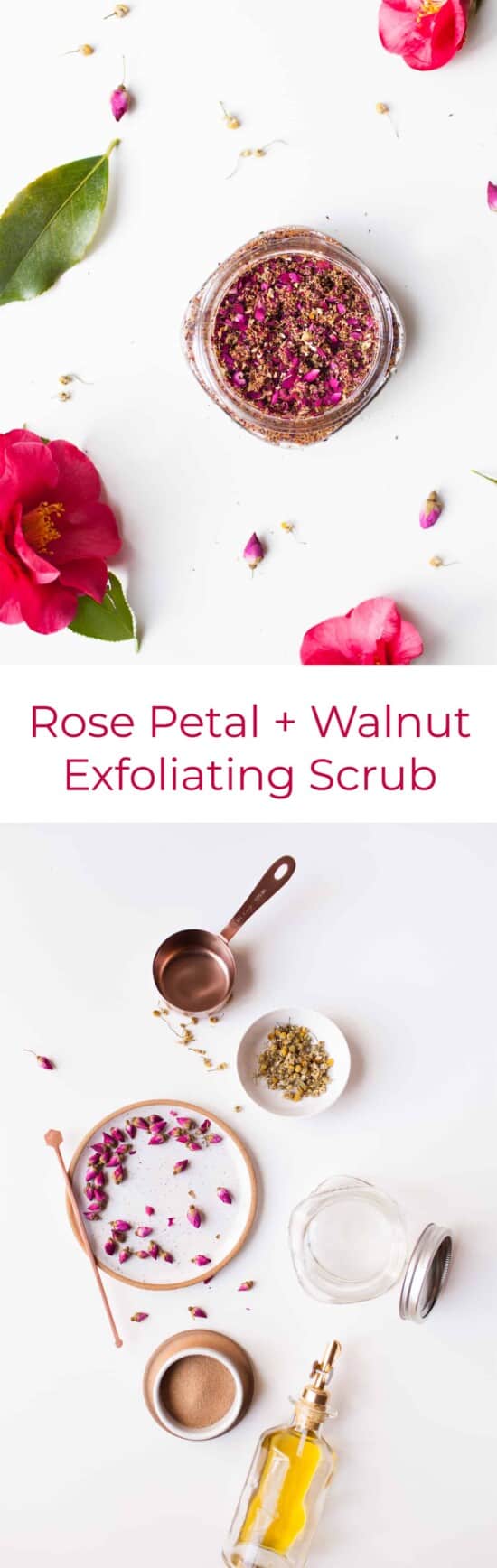
- Dried Flower Petals: (e.g., organic rose, lavender, chamomile, calendula, hibiscus) – about 1/2 cup, dried and lightly crushed.
- Walnut Shells: (cleaned and dried) – about 1/2 cup, finely ground into a powder.
- Carrier Oil: (e.g., fractionated coconut oil, sweet almond oil, jojoba oil) – about 1/4 cup.
- Measuring Cups and Spoons.
- Airtight Storage Container: (glass jar is ideal).
- Grinder: (coffee grinder or spice grinder) for grinding walnut shells.
- Bowl: For mixing ingredients.
- Spatula or Spoon: For stirring.
- Optional: Raw honey, essential oils, vitamin E oil.
The DIY Process: Step-by-Step Creation of Your Flower Petal and Walnut Scrub
-
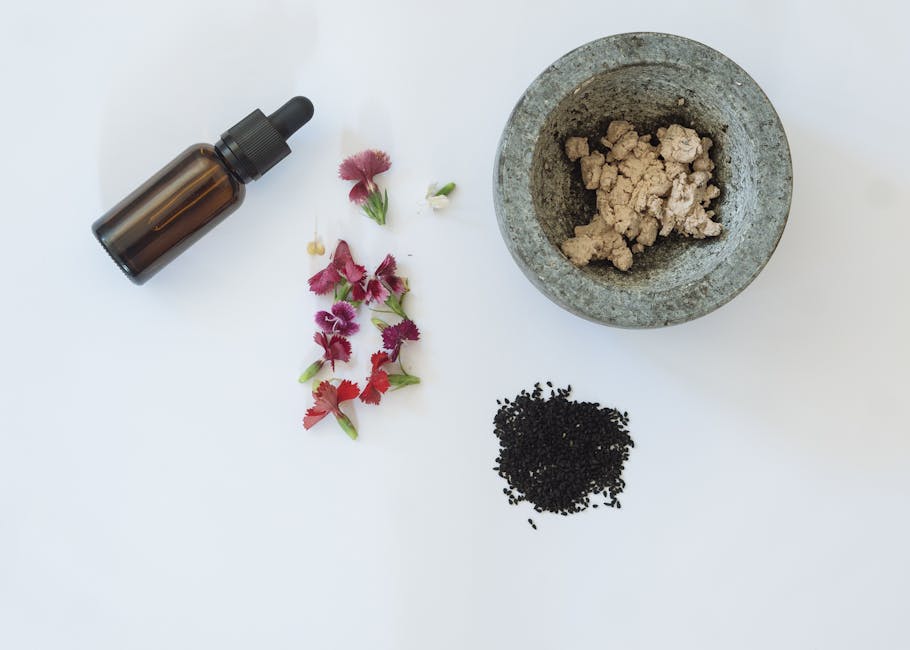
Prepare the Flower Petals: Ensure your flower petals are completely dry. If you’ve purchased them dried, gently crush them with your fingers or a mortar and pestle to release their fragrance and break them down slightly. If you are drying your own, ensure they are thoroughly air-dried in a single layer on a clean surface for several days until they are brittle. Store dried petals in an airtight container away from light and moisture.
-
Grind the Walnut Shells: Take your clean, dried walnut shells and place them in a dedicated grinder. Grind them to a fine, consistent powder. The texture should feel like coarse sand – not too rough to be abrasive, but with enough grit to effectively exfoliate. You may need to grind in batches depending on the size of your grinder. Sift the ground shells to remove any larger pieces if necessary. Discard any overly coarse fragments.
-
Combine Dry Ingredients: In a clean bowl, combine the prepared dried flower petals and the finely ground walnut shells. Mix them gently to ensure an even distribution.
-
Add Carrier Oil: Gradually add your chosen carrier oil to the dry ingredients. Start with about 1/4 cup and mix thoroughly. The consistency of the scrub should be like wet sand – not too oily and not too dry. You want it to hold together when squeezed but not be runny. Add more carrier oil, a teaspoon at a time, if needed, until you achieve the desired consistency.
-
Incorporate Optional Additives (if using):
- Honey: If adding honey, stir in 1-2 tablespoons of raw honey. This will make the scrub slightly stickier but will add significant moisturizing benefits.
- Essential Oils: Add 5-10 drops of your chosen skin-safe essential oils. Remember to dilute them properly within the carrier oil before adding to the scrub, or ensure they are mixed well with the carrier oil you’ve already added.
- Vitamin E Oil: Add 1 teaspoon of topical vitamin E oil for an extra antioxidant boost.
-
Mix Thoroughly: Stir all the ingredients together until they are well combined. Ensure there are no dry pockets and that the oil is evenly distributed throughout the mixture.
-
Transfer to Storage Container: Carefully spoon the finished scrub into a clean, airtight glass jar. Jars with wide mouths are easiest to work with.
Tips for Optimal Results and Longevity:
- Patch Test: Before using the scrub all over your body, perform a patch test on a small, inconspicuous area of your skin to check for any adverse reactions.
- Gentle Application: When applying the scrub, use gentle, circular motions. Avoid pressing too hard, as this can cause irritation. Focus on areas prone to dryness or roughness, such as elbows, knees, and heels.
- Frequency of Use: For most skin types, exfoliating 1-2 times per week is sufficient. Over-exfoliation can strip the skin of its natural oils and lead to irritation.
- Rinse Thoroughly: After scrubbing, rinse your skin thoroughly with lukewarm water. Ensure all scrub particles are removed.
- Moisturize Immediately: Apply a nourishing body lotion or oil immediately after rinsing and patting your skin dry. This helps to lock in moisture and enhance the benefits of the scrub.
- Storage: Store your DIY scrub in an airtight container in a cool, dry place, away from direct sunlight and moisture. This will help to prevent the ingredients from degrading and prolong its shelf life.
- Shelf Life: Due to the natural ingredients and absence of synthetic preservatives, this scrub has a shelf life of approximately 3-6 months when stored properly. Discard if you notice any changes in smell, color, or texture.
- Hygiene: Always use clean hands or a clean spoon to scoop out the scrub from the jar to avoid introducing bacteria.
- Customization: Feel free to experiment with different flower petal combinations and carrier oils to create a scrub that is perfectly suited to your skin type and preferences. For example, if you have very dry skin, you might opt for a richer oil like avocado oil and incorporate more hydrating ingredients like honey.
By following this comprehensive guide, you can easily create your own luxurious and effective flower petal and walnut body scrub, harnessing the power of natural ingredients for naturally radiant and healthy-looking skin. This DIY approach not only offers a personalized skincare experience but also promotes a more conscious and sustainable approach to beauty.

