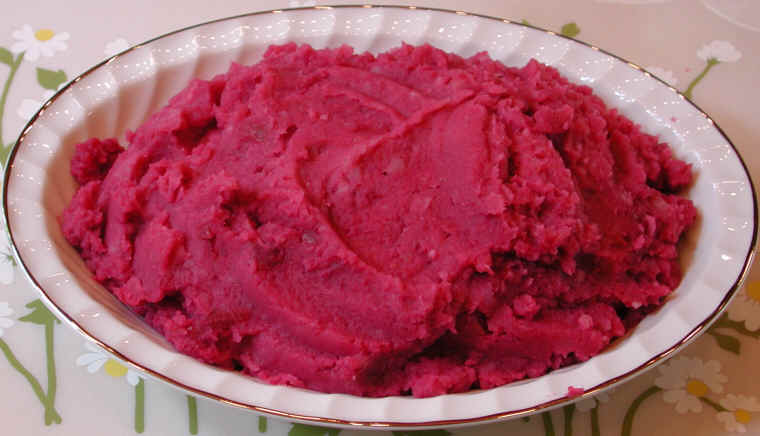

The Culinary Power Duo: A Deep Dive into Mashed Beets and Potatoes
Mashed beets and potatoes, a vibrant and nutritious dish, offer a compelling fusion of earthy sweetness from the beets and comforting starchiness from the potatoes. This combination transcends mere side dish status, presenting a powerhouse of nutrients and a versatile flavor profile adaptable to numerous culinary applications. Understanding the individual components and their synergistic effects is key to appreciating this dish’s potential. Potatoes, a staple carbohydrate source, provide sustained energy and a creamy base when mashed. Their mild flavor acts as a blank canvas, readily absorbing and complementing the more assertive notes of the beet. Beets, on the other hand, are nutritional powerhouses. Rich in betalains, the pigments responsible for their deep crimson hue, these compounds are potent antioxidants with anti-inflammatory properties. Beyond antioxidants, beets offer a significant contribution of fiber, folate, manganese, potassium, and vitamin C. When combined and mashed, these vegetables create a dish that is not only visually striking but also contributes a substantial nutritional value to any meal. The earthy sweetness of the beet, often described as subtly floral or even wine-like, interplays beautifully with the creamy, neutral backdrop of mashed potatoes. This creates a complex yet harmonious flavor profile that can be enhanced or tempered with various seasonings and additions, making it a highly adaptable component in a balanced diet.
The preparation of mashed beets and potatoes is a straightforward process, yet mastering certain techniques can elevate the final dish from good to exceptional. The fundamental steps involve cooking both vegetables until tender and then mashing them together, typically with a liquid and fat. However, the cooking method significantly impacts texture and flavor. Boiling is a common approach; however, it can lead to waterlogged vegetables and a diluted flavor. Roasting or steaming the beets and potatoes separately, or even together after peeling and cubing, offers a more concentrated flavor and a creamier, less watery mash. Roasting, in particular, caramelizes the natural sugars in both vegetables, adding a subtle sweetness and depth. For beets, peeling after roasting or steaming is generally easier than peeling raw. Potatoes should be peeled before boiling or dicing for roasting. The ratio of beets to potatoes is a crucial consideration, dictating the final color, flavor, and texture. A higher proportion of beets will yield a more intense crimson hue and a pronounced sweetness, while a greater potato content will create a lighter color and a more classic mashed potato consistency. Experimentation with this ratio is encouraged to discover personal preferences. Once cooked, the mashing process can be achieved through various implements, from a simple potato masher for a slightly lumpy texture to a ricer or food mill for an ultra-smooth, velvety consistency. Avoid over-mashing, especially with potatoes, as this can release starches and lead to a gummy texture.
The nutritional benefits of mashed beets and potatoes are substantial and contribute to a well-rounded dietary intake. Potatoes, when consumed with their skins (though often removed for this mash), are a good source of potassium, important for blood pressure regulation, and vitamin B6, crucial for brain development and function. They also provide dietary fiber, aiding in digestion and promoting satiety. Beets, as previously mentioned, are exceptional for their betalain content, which has been studied for its potential in reducing oxidative stress and inflammation throughout the body. These compounds may play a role in protecting against chronic diseases. Furthermore, beets are a significant source of folate, essential for cell growth and DNA formation, and manganese, a trace mineral involved in bone health and metabolism. The fiber content in both vegetables contributes to a healthy digestive system and can help regulate blood sugar levels. When prepared without excessive added fats or sodium, mashed beets and potatoes offer a nutrient-dense option. The synergy of these nutrients is also noteworthy. For instance, the antioxidants in beets can work in conjunction with other vitamins and minerals present in potatoes to offer a broader spectrum of health-promoting effects. This dish can be a valuable addition to diets focused on heart health, athletic performance (due to sustained energy release and potassium), and overall well-being, provided it is prepared with moderation in mind regarding accompanying ingredients.
The versatility of mashed beets and potatoes as a culinary component cannot be overstated. Its vibrant color alone makes it an attractive addition to any plate, elevating the visual appeal of even simple meals. Beyond aesthetics, its flavor profile allows for a wide range of adaptations. For a classic, comforting mash, butter, milk or cream, salt, and pepper are the traditional additions. However, the earthy sweetness of the beets readily pairs with a multitude of other flavors. Garlic, either roasted and mashed or finely minced, adds a pungent depth. Herbs such as chives, parsley, or dill introduce freshness and complexity. A touch of nutmeg or allspice can enhance the warm, earthy notes. For a more sophisticated rendition, a swirl of crème fraîche or sour cream can add a creamy tang. Goat cheese or feta cheese, crumbled in or stirred through, provides a salty, tangy counterpoint to the sweetness of the beets. Lemon zest or a squeeze of lemon juice can brighten the overall flavor profile, cutting through the richness and enhancing the vibrant notes. For those seeking a heartier dish, the addition of cooked, crumbled bacon or pancetta offers a savory and smoky element. A drizzle of balsamic glaze can further amplify the sweet and savory dimensions. This mash also serves as an excellent base for other ingredients. It can be used as a filling for pierogi, empanadas, or savory tarts. It can be shaped into patties and pan-fried for a delicious vegetarian burger or fritter. Its smooth texture makes it ideal for creating vibrant dips or spreads, especially when combined with cream cheese or Greek yogurt. Its adaptability makes it a valuable asset for home cooks looking to add color, nutrition, and flavor to their repertoire.
When considering recipe development for mashed beets and potatoes, focusing on optimization for search engines requires an understanding of user search queries and relevant keywords. Terms such as "beet and potato mash recipe," "creamy beet mashed potatoes," "healthy beet side dish," "easy roasted beet mash," and "nutritious vegetable mash" are likely to be frequently searched. Incorporating these keywords naturally within the content, particularly in headings, subheadings, and descriptive text, is crucial. High-quality images of the dish, tagged with relevant alt text (e.g., "Vibrant mashed beets and potatoes with herbs"), further enhance SEO by improving image search visibility. The article should aim to answer common user questions, such as "what to serve with mashed beets and potatoes?" or "how to make beet mash less sweet?" By providing comprehensive information and clear instructions, the article positions itself as a valuable resource, increasing its likelihood of ranking higher in search results. The inclusion of nutritional information, cooking times, and ingredient lists in a structured format (e.g., bullet points) also contributes to user experience and can be parsed effectively by search engines. Cross-linking to related articles on topics like "benefits of beets" or "different potato varieties" can also improve site navigation and user engagement, indirectly boosting SEO. Furthermore, the emphasis on the "power duo" aspect, highlighting the synergistic benefits and flavor combinations, caters to users looking for unique and flavorful culinary ideas. The detailed exploration of preparation techniques and flavor variations directly addresses common user inquiries and provides in-depth information that search engines favor.
The health implications and dietary considerations associated with mashed beets and potatoes warrant a detailed examination. For individuals managing diabetes, the glycemic index of potatoes can be a concern. However, the fiber content in both beets and potatoes, particularly when prepared with the skins on for potatoes, can help moderate blood sugar spikes. The betalains in beets also possess anti-inflammatory properties, which can be beneficial for individuals with inflammatory conditions. When preparing this dish, controlling the amount of added fats and sugars is paramount for maximizing its health benefits. Opting for healthier fats like olive oil or avocado oil over butter, or using plant-based milk alternatives, can reduce saturated fat intake. Minimizing added salt is also advisable, especially for individuals monitoring their blood pressure. The natural sweetness of the beets often negates the need for added sugars. For those following a vegan diet, the recipe can be easily adapted by using plant-based butter and milk. The dish is inherently gluten-free, making it suitable for individuals with celiac disease or gluten sensitivity. Its rich nutrient profile makes it a good option for those seeking to increase their intake of fiber, vitamins, and minerals. However, individuals with specific medical conditions, such as kidney disease (due to potassium content), should consult with their healthcare provider or a registered dietitian regarding appropriate portion sizes and preparation methods. The vibrant color also indicates the presence of phytonutrients, which play a vital role in cellular health and disease prevention. Therefore, incorporating this mash into a balanced diet can contribute to overall health and well-being. The focus on nutrient density and the potential for disease prevention aligns with current dietary trends that emphasize whole, unprocessed foods.
The historical and cultural context of both beets and potatoes, while not always explicitly linked in modern mash recipes, offers a fascinating backdrop to their culinary prominence. Potatoes, native to the Andes region of South America, were introduced to Europe in the 16th century and, after initial skepticism, became a vital food source, particularly among the working class, due to their high yield and nutritional value. Their cultivation played a significant role in population growth and agricultural development across the continent. Beets, on the other hand, have a much longer history, with evidence of their cultivation dating back to ancient civilizations in the Mediterranean and the Middle East. Initially, the leaves were more commonly consumed, with the root being recognized for its sweetness and medicinal properties later on. Over centuries, various beet varieties were developed, including the sugar beet, which revolutionized the production of refined sugar. The fusion of these two staple crops into a single dish, while perhaps a more modern culinary innovation, speaks to the ongoing evolution of cuisine and the creative ways in which chefs and home cooks alike explore and combine ingredients. The earthy depth of the beet, with its ancient roots, and the comforting sustenance of the potato, a global staple, create a dish that bridges culinary traditions and offers a taste that is both familiar and intriguingly complex. This historical perspective adds another layer of appreciation to this seemingly simple yet profoundly satisfying culinary creation, highlighting the enduring importance of these root vegetables in global food systems. The exploration of their individual journeys from ancient cultivation to modern culinary staples underscores their resilience and adaptability, mirroring the versatile nature of their mashed combination.

