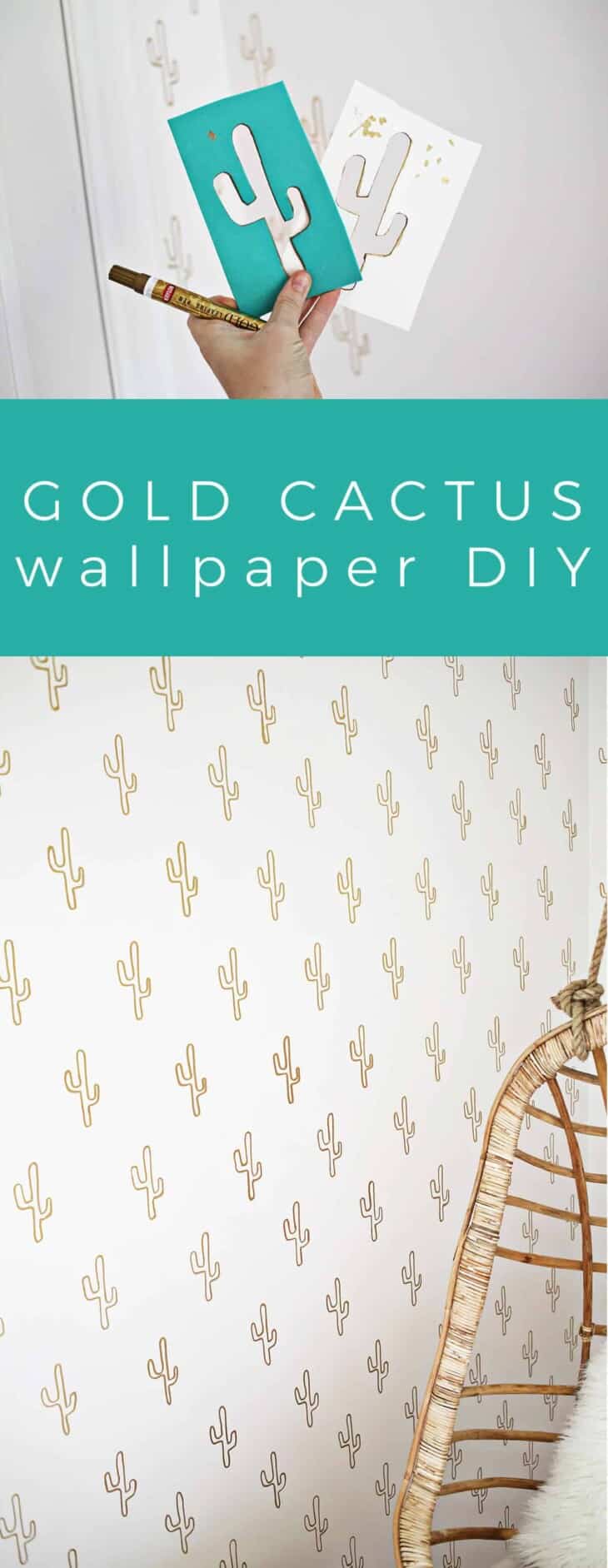

DIY Gold Cactus Wallpaper: A Modern and Chic Home Decor Project
Transforming your living space with a touch of bohemian glamour and desert-inspired chic is more achievable than ever with a DIY gold cactus wallpaper project. This trending decor element offers a unique blend of natural motifs and sophisticated metallics, bringing warmth, personality, and a touch of opulence to any room. Whether you’re a seasoned DIYer or a beginner looking for a rewarding weekend project, creating your own gold cactus wallpaper is a surprisingly accessible and budget-friendly way to elevate your home’s aesthetic. This comprehensive guide will walk you through every step, from selecting your materials to applying your finished creation, ensuring a stunning and professional-looking result. We’ll delve into the best techniques, explore various design possibilities, and offer tips to optimize your project for both visual impact and durability, all while keeping SEO best practices in mind to help others discover this inspiring decor idea.
The allure of gold cactus wallpaper lies in its dual nature. Cacti, symbols of resilience, growth, and the beauty found in arid landscapes, bring an organic, earthy feel. The addition of gold elevates these natural forms, imbuing them with a sense of luxury, light, and modern sophistication. This juxtaposition creates a visually captivating contrast that can act as a stunning focal point or a subtle yet impactful accent in a variety of interior design styles, from minimalist to maximalist, bohemian to contemporary. The DIY aspect empowers you to customize the scale, density, and even the exact shade of gold, ensuring your wallpaper is a perfect reflection of your personal style and perfectly suited to your specific space. Moreover, a custom-designed wallpaper can often be more cost-effective than purchasing pre-made designer options, making it an attractive choice for budget-conscious decorators.
To embark on your DIY gold cactus wallpaper journey, careful material selection is paramount. The foundation of your wallpaper will be a high-quality, adhesive-backed vinyl or paper suitable for wall applications. Consider the texture and weight of the material; a slightly textured vinyl can offer a more luxurious feel and better durability, while a matte paper can provide a softer, more organic look. For the gold element, you have several excellent options, each offering a slightly different aesthetic and application method. Gold leaf is the most traditional and offers an unparalleled luminous, metallic sheen. However, it can be delicate and requires a specific adhesive (gilding size) and sealing technique. Alternatively, metallic gold spray paint provides a quicker and easier application, especially for larger areas, but may not achieve the same depth of shine as leaf. For a more controlled and graphic look, consider using gold metallic paint pens or even stencils with gold acrylic paint. The choice will depend on your desired finish, your comfort level with different materials, and the overall scale of your project. Don’t forget essential tools: a sharp craft knife or scissors for precise cutting, a ruler and measuring tape for accuracy, a smoothing tool (like a squeegee or credit card) to eliminate air bubbles, and a primer if your chosen wall surface requires it.
The design phase is where your creativity truly shines. Before you commit to cutting and applying, spend ample time sketching out your cactus arrangements. Consider the scale of your room and the size of your desired cacti. Will you opt for a dense, all-over pattern of small cacti, or a more spaced-out arrangement of larger, statement pieces? Think about the variety of cactus shapes – prickly pears, saguaros, barrel cacti, and ephemeral flowering varieties – to add visual interest. You can draw inspiration from botanical illustrations, contemporary abstract art, or even geometric interpretations of cactus forms. For a more organic feel, hand-draw your designs, embracing imperfections. For a precise, modern look, consider using digital design tools to create a repeating pattern that you can then print onto your chosen wallpaper material or use as a stencil guide. If you’re using a digital design, ensure it’s high-resolution to avoid pixelation when scaled up. Planning your layout on paper or digitally first will save you time and prevent costly mistakes during application.
For those opting for a simpler approach, stenciling is an excellent method. You can purchase pre-made cactus stencils in various sizes and styles, or create your own using stencil plastic and a craft knife. If you’re using a stencil, you’ll typically apply it to your pre-primed and painted wall, then carefully fill it in with your chosen gold medium. For a more uniform look, use a stencil brush or a foam roller with minimal paint to avoid bleed-through. If you’re aiming for a textured effect with spray paint, consider using multiple thin coats rather than one heavy one. For a truly bespoke design, consider printing your cactus outlines onto a large-format printer and using these as guides for applying gold leaf or paint. Remember to consider the negative space – the unadorned wall – as much as the cacti themselves; it’s an integral part of the overall design composition.
Applying gold leaf requires a specific technique. First, prepare your wall or the pre-cut wallpaper sections by applying a thin, even layer of gilding size. This adhesive is crucial; it needs to be tacky but not wet. The drying time of gilding size varies, so follow the manufacturer’s instructions carefully. Once the size is ready, carefully lay sheets of gold leaf onto the adhesive. Gold leaf is extremely delicate, so handle it with fine-tipped tweezers or a soft brush. Gently press the leaf onto the surface. After the size has dried completely, use a soft brush to gently dust away any excess, loose leaf. This process, while time-consuming, results in a breathtakingly luminous and authentic metallic finish that is difficult to replicate with other methods. For added protection and durability, you can apply a clear, non-yellowing sealant over the gold leaf once it’s fully adhered.
Using metallic gold spray paint offers a faster and more accessible route to achieving a gold cactus effect. If you’re painting directly onto the wall, carefully mask off your cactus shapes using painter’s tape or by creating paper templates. Ensure clean, crisp lines. Apply the spray paint in thin, even coats, allowing adequate drying time between each layer to prevent drips and runs. If you’re spray painting pre-cut wallpaper sections, work in a well-ventilated area or outdoors. You might consider laying down a base coat of paint on your wallpaper material before applying the gold for a more vibrant and opaque finish. Experiment with different spray paint finishes – matte, satin, or gloss – to achieve your desired look.
For a precise and graphic aesthetic, gold metallic paint pens or markers are an excellent choice. These are ideal for outlining pre-drawn cactus shapes or for creating a more illustrative style. Simply sketch your cactus designs directly onto your wall or wallpaper material and then meticulously trace or fill them in with the paint pen. This method offers a high degree of control and is perfect for intricate details or for creating a consistent line weight. If you’re working on a larger scale, be prepared for the possibility of hand fatigue, and consider breaking the project into smaller, manageable sections.
When it comes to application, whether you’re using pre-made adhesive wallpaper or traditional wallpaper that requires paste, proper preparation of your wall surface is non-negotiable. The wall should be clean, dry, smooth, and free of any dust, grease, or old wallpaper residue. If your wall has imperfections, such as minor holes or cracks, fill and sand them smooth. Consider applying a primer; this not only creates a uniform surface for better adhesion but can also prevent the underlying wall color from showing through lighter-colored wallpaper sections and can enhance the longevity of your DIY masterpiece. For adhesive-backed wallpaper, peel back a small section of the backing at the top and carefully align the edge with your ceiling or corner. Slowly peel away the backing as you smooth the wallpaper onto the wall, using your squeegee or credit card to press out any air bubbles. Work from the center outwards.
For traditional wallpaper, follow the manufacturer’s instructions for paste application. Often, you’ll apply the paste to the back of the wallpaper strip or to the wall itself. Carefully align the edges of each strip, ensuring they butt up neatly against each other. Use a damp cloth to wipe away any excess paste that squeezes out at the seams. Patience and precision are key during this stage to achieve seamless results. Trim any excess wallpaper at the ceiling, baseboard, and around outlets or switches using a sharp craft knife. For outlets and switches, it’s often best to turn off the power, remove the cover plates, and then carefully cut away the wallpaper to fit snugly around the opening before replacing the cover plates.
The maintenance of your DIY gold cactus wallpaper is relatively straightforward. For most vinyl-based wallpapers, a gentle wipe with a damp cloth is usually sufficient for cleaning. Avoid abrasive cleaners or harsh chemicals, which can damage the gold finish. If you’ve used gold leaf and applied a sealant, follow the sealant manufacturer’s recommendations for cleaning. Regular dusting with a soft feather duster will help keep your beautiful cactus creations looking their best. The durability of your wallpaper will depend on the quality of the materials you choose, the care you take during application, and the level of traffic in the room.
The SEO value of this DIY gold cactus wallpaper project lies in its inherent appeal to a wide audience searching for unique and stylish home decor solutions. Keywords such as "DIY gold cactus wallpaper," "cactus wall decor," "metallic wallpaper ideas," "bohemian home decor," "modern desert style," "affordable wall art," and "stencil wall design" will resonate with users. By thoroughly explaining each step, providing material suggestions, and offering various techniques, this article directly addresses the informational needs of individuals looking to undertake such a project. Optimizing with these keywords throughout the text, in headings, and in image alt descriptions (if applicable) will significantly improve search engine visibility, making this comprehensive guide a go-to resource for anyone inspired to bring the beauty of gold cacti into their homes. Furthermore, the detailed nature of the instructions caters to users seeking in-depth guidance, increasing dwell time on the page and signaling its authority to search engines.

