The modern landscape of oenotourism has undergone a profound structural evolution over the past two decades, transitioning from simple weekend tasting getaways into immersive, multidisciplinary cultural expeditions. Today, a world-class wine hotel must transcend the traditional parameters of picturesque vineyard vistas and a well-stocked subterranean cellar. The premier properties across the global wine-producing regions are those that successfully demystify the vinification process, allowing guests to comprehend the intricate nexus of terroir, climate, human history, and tradition that defines a specific bottle. Whether this involves participating in the rigorous physical labor of a dawn harvest alongside seasoned crews in Mendoza, residing directly above centuries-old port aging cellars in Portugal, studying ancient missionary-planted vines clinging to the high-altitude slopes of the Himalayas, or experiencing pioneering vinotherapy treatments in France, the contemporary wine traveler demands substantive engagement.
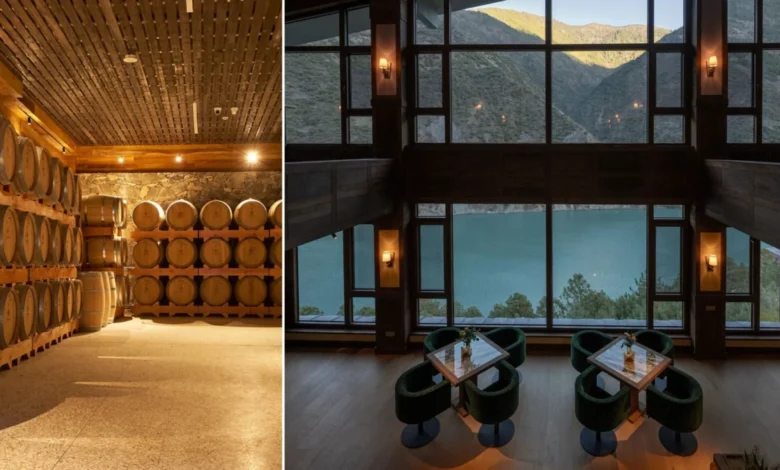
This deep-rooted sense of place serves as the foundational unifying element for the world’s leading wine properties. The architecture of these experiences varies widely: some destinations function as active, working wine estates where state-of-the-art production facilities and barrel rooms are located mere steps from luxury guest accommodations. Others occupy historically significant structures that have actively shaped the trajectory of a celebrated regional wine or preserved indigenous agricultural traditions that might otherwise have been lost to industrial modernization. Integral to this high-end hospitality model are winemaker-led masterclasses, access to rare and archival vintages, custom blending workshops, Michelin-starred gastronomic pairings, and hands-on agricultural participation. Spanning from the fertile valleys of Franschhoek in South Africa to the dramatic terraced slopes of the Douro Valley in Portugal, these properties offer a comprehensive methodology for understanding both the liquid in the glass and the cultural ecosystem that birthed it.
The Evolution of Oenotourism: From Agrarian Tradition to Global Hospitality
To understand the current economic and cultural weight of destination wine hotels, one must examine the historical trajectory of wine tourism. For centuries, visits to wine regions were transactional and utilitarian. Enthusiasts and merchants traveled to Bordeaux, Burgundy, or the Douro strictly to taste barrel samples, negotiate purchases, and arrange freight logistics. Accommodations were largely limited to modest provincial inns, and the concept of leisure travel centered around wine production was virtually nonexistent.
The paradigm shifted significantly in the late 20th century, accelerated by watershed moments such as the 1976 Judgment of Paris, which elevated the international profile of New World wine regions like California’s Napa Valley. As global interest in fine wine surged through the 1980s and 1990s, regional producers recognized an untapped economic opportunity in hospitality. What began as rudimentary tasting rooms with gift shops eventually evolved into sophisticated hospitality complexes featuring boutique hotels, fine-dining restaurants, and wellness facilities.
According to data compiled by global tourism and agricultural research bodies, the global wine tourism market has experienced exponential growth, valued at tens of billions of dollars annually. Industry analysts project that the sector will continue its upward trajectory, driven by an increasing consumer preference for experiential travel, culinary authenticity, and sustainable tourism practices. Modern travelers are no longer satisfied with passive observation; they seek educational, participatory experiences that connect them directly to the producers and the land.
The Anatomy of Immersive Wine Hospitality
The contemporary standard for luxury wine hospitality relies on a multi-tiered approach that integrates agriculture, history, gastronomy, and wellness. Properties that successfully capture the market share of high-net-worth cultural travelers typically incorporate several key operational pillars:
Active Agricultural Integration: The best wine hotels blur the line between guest and laborer, offering structured opportunities for visitors to engage directly with the agricultural cycle. In regions like Argentina’s Mendoza province—nestled against the imposing backdrop of the Andes Mountains—guests at select estates participate in the grueling, rewarding work of the harvest. Working side-by-side with vineyard crews during the cool morning hours provides a visceral understanding of yield management, grape selection, and the physical demands of viticulture.
Architectural and Historical Preservation: Preservation of heritage is a critical metric of authenticity in the luxury wine sector. In Portugal, renowned hospitality concepts have successfully integrated modern luxury accommodations directly above centuries-old port cellars. These spaces preserve the architectural integrity of historical lodges while offering guests immediate sensory proximity to the aging process of fortified wines. Similarly, unexpected frontiers such as the Himalayas feature boutique hospitality projects that highlight missionary-planted vines, demonstrating how viticulture adapted to extreme high-altitude environments historically isolated from traditional European trade routes.
Gastronomic Synergy and Winemaker Access: The dining room has become an extension of the cellar. World-class wine hotels curate culinary programs designed to highlight regional ingredients through the lens of local winemaking traditions. This includes exclusive dinners hosted by estate winemakers, access to rare vertical tastings of archival vintages, and interactive blending workshops where guests compose their own custom cuvées under professional guidance. Furthermore, partnerships with internationally acclaimed culinary figures ensure that food and wine pairings achieve Michelin-level precision.
Wellness and Vinotherapy Innovation: The intersection of wine and wellness represents one of the fastest-growing niches in luxury travel. Pioneered in France, vinotherapy utilizes the polyphenol-rich byproducts of the winemaking process—specifically grape seeds, skins, and vine extracts—in specialized spa treatments. These therapies capitalize on the powerful antioxidant properties of Vitis vinifera, offering guests a holistic wellness experience that remains deeply tethered to the agricultural identity of the surrounding estate.
Regional Spotlight: From Franschhoek to the Douro Valley
The global distribution of elite wine hotels reflects the expanding map of fine wine production. While traditional European strongholds in France, Italy, and Spain continue to set benchmarks for luxury and heritage, New World and emerging regions are redefining the category through innovation and dramatic natural settings.
In South Africa, the Franschhoek Valley serves as a historical and culinary capital. Settled by French Huguenots in the late 17th century, the region combines centuries of European winemaking heritage with distinctive Cape Dutch architecture and breathtaking mountain topography. Hotels in this region often operate on historical working farms where guests can explore biodiversity initiatives, indigenous Cape Floral Kingdom (Fynbos) conservation projects, and world-class culinary destinations that celebrate the unique intersection of Malay, Dutch, and indigenous flavors.
Meanwhile, in Portugal’s Douro Valley—a UNESCO World Heritage site recognized for its dramatic, terraced slate slopes carved out along the Douro River—hospitality has adapted to one of the most challenging viticultural landscapes on Earth. Hotels here must navigate extreme topography, where all vineyard labor, from pruning to harvesting, is performed manually. Properties in the Douro offer visitors a profound appreciation for the sheer human effort required to produce both world-class table wines and historic port. River cruises, helicopter arrivals, and cliffside infinity pools overlooking the river complete an experience that marries ancient traditions with ultra-modern luxury.
Economic and Cultural Implications of Luxury Wine Tourism
The rapid expansion of high-end wine hotels carries significant socioeconomic implications for rural agricultural communities worldwide. Economically, these tourism ventures provide essential diversification for agricultural estates, buffering producers against the volatility of global wine markets, climate anomalies, and supply chain fluctuations. By capturing the high-yield hospitality and direct-to-consumer sales sectors, estates can reinvest capital into sustainable farming practices, advanced cellar technology, and fair labor standards.
Furthermore, the integration of tourism into historic wine regions acts as a powerful catalyst for cultural preservation. Historic dry-stone walls, ancient cellar networks, indigenous grape varieties, and traditional vinification techniques are protected and celebrated through the lens of hospitality. When visitors invest financially in these experiences, they validate the preservation of heritage crafts that might otherwise be economically unviable in a mass-market global economy.
Industry Leaders and Stakeholder Perspectives
Hospitality executives and master winemakers increasingly view the integration of tourism and agriculture not merely as a supplementary revenue stream, but as a critical educational imperative.
"The modern wine consumer is exceptionally knowledgeable, yet they often lack a visceral connection to the land," notes a leading oenology consultant based in Bordeaux. "When a guest spends three days walking the rows, feeling the specific diurnal temperature shifts, and tasting the wine in the exact room where the barrels breathe, their relationship with the product transforms permanently. They transition from being casual consumers to lifelong brand ambassadors."
Estate owners in emerging regions echo this sentiment, emphasizing that hospitality provides a vital platform to showcase terroir that has been historically overlooked by mainstream international markets. By inviting travelers directly into the production process, remote wine regions are able to command respect and market share previously dominated by legacy European appellations.
Future Outlook for the Sector
As the global travel sector looks toward the future, the demand for hyper-local, immersive, and sustainable tourism is projected to intensify. Wine hotels that rely exclusively on superficial luxury—such as generic five-star amenities paired with a standard tasting menu—will likely face increased competition from properties that offer genuine intellectual and physical engagement with agriculture.
The trajectory of the industry points toward deeper commitments to regenerative agriculture, carbon-neutral estates, and cultural storytelling that honors the indigenous and historical roots of winemaking. For the discerning traveler, the ultimate luxury is no longer just comfort; it is understanding. By bridging the gap between the vineyard and the guest room, the world’s best wine hotels ensure that every glass poured tells a complete, unvarnished story of its origin.