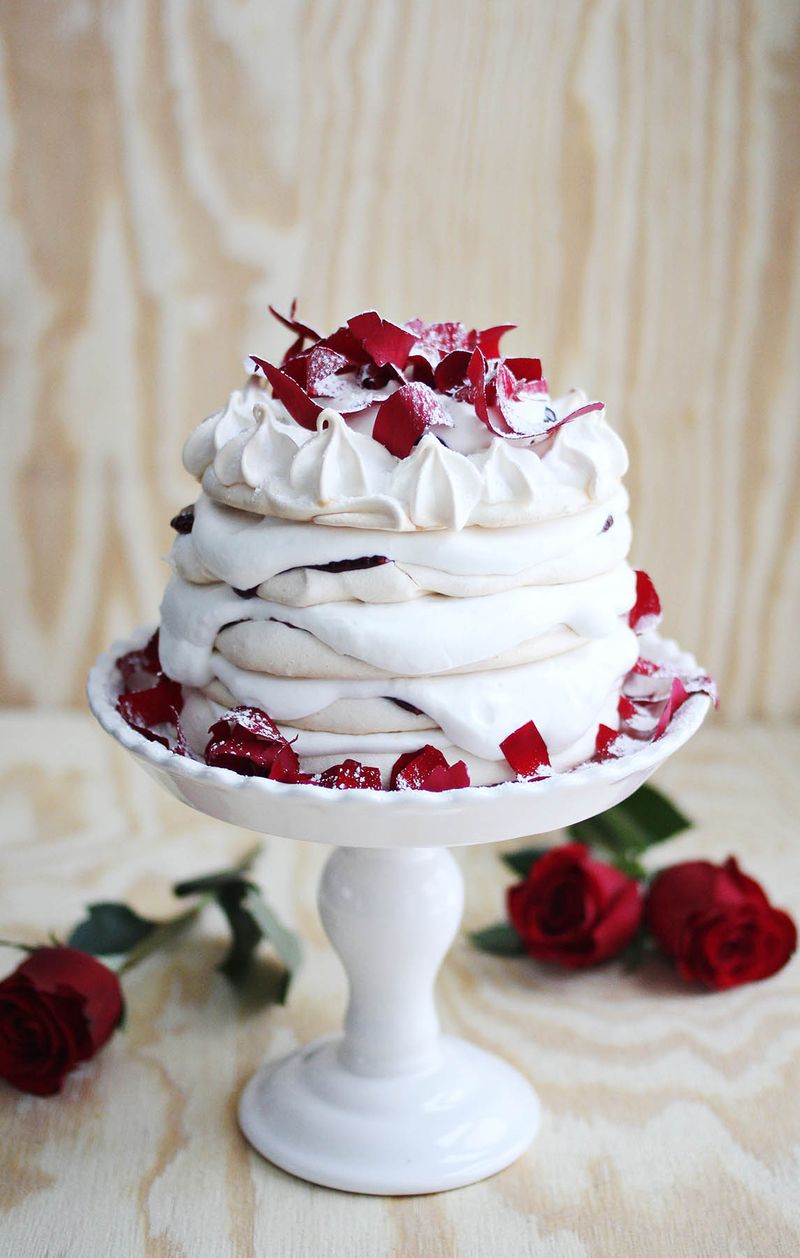

Pavlova Rose Water Whipped Cream: An Aromatic and Elegant Dessert Element
Pavlova, the iconic meringue dessert with its crisp exterior and marshmallow-like interior, finds its perfect accompaniment in a delicately flavored whipped cream. While traditional pavlova often features plain whipped cream or a simple vanilla infusion, the introduction of rose water elevates this classic to a new level of sophistication and sensory delight. Rose water, derived from the petals of roses, imparts a subtle floral aroma and a unique, slightly sweet, and perfumed flavor that complements the sweetness of the meringue and the tartness of accompanying fruits. This article will delve into the intricacies of creating pavlova rose water whipped cream, exploring its components, preparation techniques, flavor profiles, variations, serving suggestions, and its SEO potential.
The foundational element of this exquisite cream is, of course, the whipped cream itself. The key to achieving a stable and luscious whipped cream lies in selecting the right dairy product. Heavy cream, also known as heavy whipping cream, is paramount. It possesses a high fat content (typically 36-40%), which is crucial for creating the air pockets necessary for whipping. Lower fat creams, such as light whipping cream or half-and-half, will not achieve the desired stiffness or texture, resulting in a runny and disappointing outcome. The fat molecules in heavy cream emulsify and trap air when agitated, forming a stable foam. For optimal results, the heavy cream, along with the bowl and whisk attachments, should be thoroughly chilled. This cold temperature helps the fat globules to solidify and hold air more effectively. Placing the bowl and whisk in the freezer for 15-20 minutes before whipping is a highly recommended practice. This simple step significantly contributes to a lighter, fluffier, and more stable whipped cream. The addition of a stabilizer, while not strictly necessary for immediate serving, can enhance the longevity and structure of the whipped cream, particularly if it needs to hold its form for an extended period. Powdered sugar, or confectioners’ sugar, is often preferred over granulated sugar for whipped cream. Its finely milled texture dissolves readily, preventing grittiness and contributing to a smoother consistency. Granulated sugar, if used, might require a longer whipping time to fully dissolve, and even then, can leave a slightly grainy texture.
The star of this particular whipped cream is undoubtedly the rose water. Rose water is a fragrant liquid made by distilling rose petals with steam. Its aromatic qualities have been prized for centuries in perfumery, cosmetics, and culinary applications, particularly in Middle Eastern, Indian, and Mediterranean cuisines. For pavlova rose water whipped cream, a high-quality, food-grade rose water is essential. The concentration of rose water can vary significantly between brands, so it’s crucial to start with a small amount and gradually increase to achieve the desired floral intensity. Overdoing the rose water can result in an overpowering, soapy, or medicinal flavor, which can detract from the delicate balance of the dessert. A common starting point is one teaspoon per cup of heavy cream, adjusting to taste. It’s advisable to sample the whipped cream as you add the rose water to ensure it aligns with your personal preference and the sweetness of your pavlova base and toppings. The subtle perfume of rose water is what distinguishes this whipped cream from its more conventional counterparts, offering a sophisticated and unexpected flavor dimension.
The process of making pavlova rose water whipped cream is relatively straightforward, but attention to detail ensures superior results. Begin by pouring the chilled heavy cream into the chilled bowl. If using an electric mixer, attach the whisk. If whipping by hand, use a balloon whisk. Start whipping on a low speed, gradually increasing to medium-high. As the cream begins to thicken, and soft peaks form (when you lift the whisk, the cream forms a peak that curls over on itself), it’s time to add the sweetener. Gradually add the powdered sugar, a tablespoon at a time, while continuing to whip. Continue whipping until stiff peaks form. Stiff peaks are achieved when the cream stands straight up when the whisk is lifted, holding its shape without collapsing. This is the optimal stage for dolloping and serving. Once stiff peaks are reached, gently fold in the rose water. Start with a small amount, as previously mentioned, and incorporate it evenly with a spatula, being careful not to overmix, which can deflate the whipped cream. Taste and adjust the rose water if necessary, adding a few drops at a time until the desired aroma and flavor are achieved. The goal is a harmonious blend where the rose water enhances, rather than dominates, the creamy sweetness.
The flavor profile of pavlova rose water whipped cream is a delicate interplay of sweetness, creaminess, and floral notes. The inherent sweetness of the whipped cream is balanced by the subtle sweetness of the powdered sugar. The fat content of the heavy cream provides a rich, velvety mouthfeel that coats the palate. The rose water introduces a unique layer of complexity. It’s not a typical fruit or vanilla flavor; instead, it offers a perfumed, slightly exotic, and aromatic quality. This floral essence can evoke feelings of springtime, romance, and a touch of indulgence. When paired with the crisp, airy meringue of a pavlova, the contrast in textures is as delightful as the contrast in flavors. The coolness of the whipped cream against the slightly chewy, marshmallow-like interior of the pavlova is a sensory experience in itself. The rose water adds an unexpected aromatic dimension that lingers pleasantly on the palate, making each bite more intriguing.
There are several variations and enhancements that can be made to pavlova rose water whipped cream to further customize its flavor and appearance. For a richer, more decadent version, a touch of mascarpone cheese can be incorporated. Mascarpone, a soft Italian cream cheese, adds a luxurious creaminess and a subtle tang that can cut through the sweetness. Gently fold a few tablespoons of mascarpone into the whipped cream after it has reached stiff peaks and before adding the rose water. For an added textural element and a complementary flavor, finely chopped pistachios or slivered almonds can be folded in. These nuts provide a pleasant crunch and a nutty undertone that pairs well with rose. A hint of cardamom or a pinch of saffron can also be added for a more complex spice profile, particularly if aiming for a Middle Eastern-inspired pavlova. A tiny amount of edible rose petals, finely chopped, can also be folded in for both visual appeal and a more intense rose flavor. For those who prefer a less intense rose flavor, or for a lighter hue, a few drops of pink food coloring can be added, although the natural color of good quality rose water often suffices.
Serving pavlova rose water whipped cream alongside pavlova is a culinary marriage made in heaven. The classic pairing involves generous dollops of the rose water whipped cream over the meringue base, followed by a cascade of fresh berries such as raspberries, strawberries, or blueberries. The tartness of the berries provides a beautiful counterpoint to the sweetness of the meringue and the cream. Other fruit options include sliced kiwi, passionfruit pulp, or segments of ripe mango. A drizzle of fruit coulis, such as raspberry or strawberry, can add another layer of flavor and visual appeal. For a more sophisticated presentation, the whipped cream can be piped onto the pavlova using a pastry bag and various piping tips, creating elegant swirls and rosettes. Edible flowers, such as rose petals or violas, can be used as a garnish to enhance the floral theme. Consider serving individual pavlova nests topped with the rose water whipped cream and a medley of fruits for an elegant dessert that is both visually stunning and delicious.
The SEO potential of "pavlova rose water whipped cream" is significant, particularly within the niche of dessert recipes and baking. The primary keyword, "pavlova," is a well-established and highly searched term. The modifier "rose water" adds specificity and targets users looking for unique flavor combinations. "Whipped cream" is a fundamental component, ensuring relevance for recipe searches. Other related keywords and phrases that can be incorporated to enhance SEO include: "rose scented cream," "floral whipped cream," "easy pavlova topping," "best pavlova recipe," "berry pavlova with rose cream," "how to make rose water cream," "dessert topping recipes," "elegant dessert ideas," "gluten-free dessert," and "vegetarian dessert." Including these terms naturally throughout the article, in headings, subheadings, and within the body text, will improve search engine visibility. Utilizing descriptive language that appeals to sensory experiences – "aromatic," "fragrant," "delicate," "luscious," "velvety," "perfumed" – can also attract search engine crawlers and users alike. The structured format of this article, with clear headings and digestible paragraphs, aids in readability and improves the chances of being featured in rich snippets on search engine results pages. Focusing on the unique selling proposition of the rose water flavor, its suitability for special occasions like weddings or celebrations, and its ability to transform a classic dessert into something extraordinary will further bolster its SEO appeal. Providing clear, actionable instructions and highlighting the benefits of using rose water in whipped cream for pavlova will encourage user engagement and increase the likelihood of the content being shared, further boosting its online presence.
In conclusion, pavlova rose water whipped cream represents a refined and aromatic evolution of a beloved dessert. By understanding the core components of whipped cream, the delicate nuances of rose water, and mastering the preparation techniques, one can create a topping that is both visually appealing and exquisitely flavored. Its versatility in terms of variations and serving suggestions makes it an adaptable addition to any dessert repertoire. For home bakers and culinary enthusiasts alike, the creation and enjoyment of pavlova rose water whipped cream offer a delightful journey into the world of sophisticated and perfumed desserts, with significant potential to capture the attention of online searchers seeking novel and elegant culinary experiences.
