
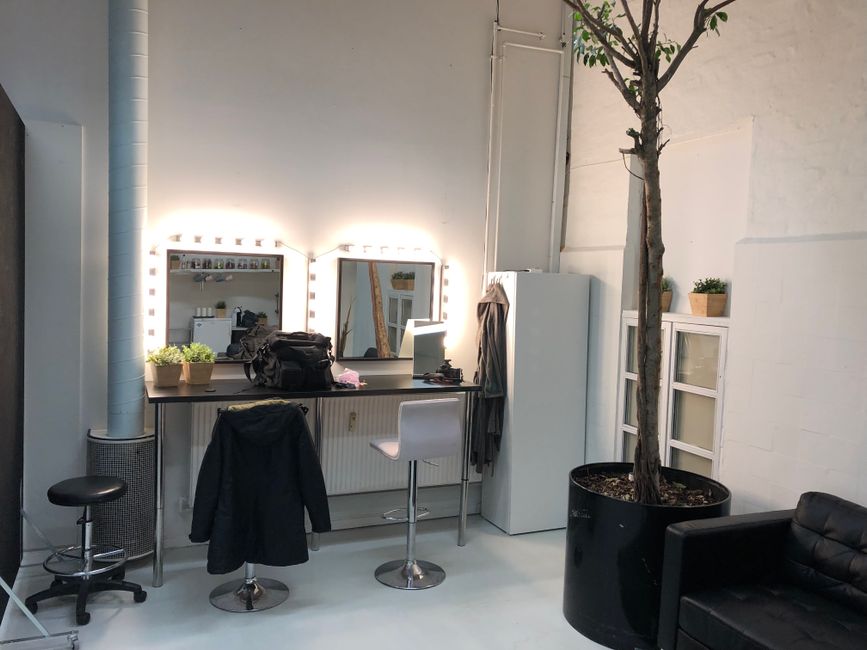
ABM Studio The Styling Room: A Transformation Unveiled
ABM Studio The Styling Room before images offer a compelling glimpse into a space poised for transformation, a canvas awaiting the meticulous artistry of interior design. These pre-renovation snapshots reveal a foundational structure, a blank slate upon which aesthetic and functional improvements will be layered. Understanding the "before" is crucial to appreciating the full scope of the "after," highlighting the challenges and opportunities that informed the design decisions. The initial state of The Styling Room likely presented practical limitations, perhaps a layout that didn’t optimize flow or utilize space efficiently. Lighting conditions might have been suboptimal, impacting the mood and practicality of the environment. Existing finishes, colors, and furniture, if any, would have either served as a starting point to be integrated or as elements to be entirely reimagined. The raw potential, however, is evident, whispering promises of a revitalized and highly functional space. These initial visuals are not merely snapshots of an unadorned room; they are the genesis of a vision, the blueprint for a space that aims to elevate the client experience and reflect the brand’s identity. The focus here is on the tangible aspects: the walls, the floor, the ceiling, the windows, and any existing fixtures. What were the prevailing colors? Was the flooring worn or dated? Were the walls in need of repair? These are the granular details that designers meticulously assess to formulate a strategic approach. The absence of sophisticated styling or high-end finishes in the "before" state underscores the transformative power of professional interior design. It’s a testament to the fact that even the most ordinary of spaces can be elevated to extraordinary levels with thoughtful planning and execution.
The initial assessment of ABM Studio The Styling Room "before" would have involved a detailed spatial analysis. This means scrutinizing the dimensions of the room, the placement of doors and windows, and any architectural features that could either enhance or hinder the design. For a styling room, in particular, the efficiency of movement is paramount. Designers would have evaluated how stylists and clients navigate the space, identifying potential bottlenecks or awkward transitions. The intended use of the room heavily influences these considerations. Is it a dedicated space for hair styling, makeup application, fashion consulting, or a combination of these services? Each function demands specific spatial arrangements and equipment considerations. The "before" state might have revealed a generic layout that lacked dedicated zones for these activities. For example, a lack of distinct areas for shampooing, cutting, coloring, and consultation would present an immediate design challenge. Similarly, the availability and placement of electrical outlets would be a critical factor, especially for a styling room that relies heavily on powered equipment. The "before" images would likely show a relatively undecorated or utilitarian space, perhaps with basic lighting and flooring that doesn’t contribute to a luxurious or professional atmosphere. The walls might be painted in a neutral, uninspired color, or perhaps even require some repair and preparation before a new aesthetic can be applied. The objective of the "before" documentation is to capture the raw reality of the space, acknowledging its current limitations and setting the stage for measurable improvements. This stage is about understanding the existing conditions and identifying the specific problems that the redesign aims to solve.
A crucial element in the "before" assessment of ABM Studio The Styling Room would have been the lighting. Natural light is a valuable asset, and its availability, direction, and intensity would have been meticulously documented. Insufficient natural light can make a space feel dim, cramped, and uninviting. Artificial lighting, in its pre-renovation state, would likely have been functional rather than atmospheric. Think generic overhead fixtures that provide basic illumination but lack the nuances required for detailed work like hair and makeup. The absence of task lighting, accent lighting, or dimmable options would be a significant consideration. For a styling room, the quality of light is not just about aesthetics; it’s about accuracy. Inaccurate color rendering under poor lighting can lead to misjudged color applications in hair and makeup. The "before" images would highlight this deficiency, showcasing a lighting scheme that is likely functional but far from ideal for a professional styling environment. The opportunity to introduce layered lighting – ambient, task, and accent – becomes a key design objective. This would involve selecting appropriate fixtures, considering their placement to avoid glare and shadows, and ensuring that the overall lighting scheme enhances both the functionality and the ambiance of the space. The "before" serves as a stark contrast to the potential of a thoughtfully designed lighting plan.
The choice of finishes and materials in the "before" state of ABM Studio The Styling Room would have played a significant role in its initial aesthetic and practicality. Flooring, for instance, might have been a utilitarian material like standard vinyl or tile, showing signs of wear and tear. Such finishes might be durable but lack the warmth and sophistication desired in a client-facing space. Similarly, wall treatments might have been a basic paint job, perhaps in a bland or outdated color palette. The ceiling might have been a standard drop ceiling, lacking architectural interest. The "before" images would likely reveal a lack of textural variation or visual interest in these foundational elements. The opportunity for transformation lies in selecting new finishes that are not only aesthetically pleasing but also durable and easy to maintain, especially in a high-traffic environment like a styling room. This could involve upgrading flooring to something more elegant yet resilient, introducing feature walls with textured wallpaper or paint, or perhaps even re-imagining the ceiling to add a touch of drama or sophistication. The "before" provides a baseline against which these new material choices can be evaluated for their impact on the overall sensory experience of the space.
The functional elements and existing furniture, if any, in the ABM Studio The Styling Room "before" would have been critical to assess. This might include the presence of sinks, mirrors, storage units, or styling chairs. If these elements were outdated, inefficient, or simply not suited to the desired brand image, they would represent immediate areas for improvement. For example, if existing styling chairs were worn or ergonomically unsound, they would need to be replaced. If mirrors were small or poorly positioned, they would hinder the styling process and the client’s ability to see their transformations. The "before" state would likely be characterized by a lack of cohesive styling or a collection of disparate, non-integrated pieces. The goal of the redesign would be to introduce furniture and fixtures that are not only aesthetically aligned with the brand but also ergonomically sound and highly functional. This might involve custom-built storage solutions to maximize space and organization, strategically placed mirrors that enhance the sense of space and light, and comfortable, stylish seating that elevates the client experience. The "before" images would highlight any deficiencies in these areas, underscoring the need for a comprehensive approach to furniture and fixture selection.
The color palette and overall ambiance of the ABM Studio The Styling Room "before" would have been a key factor in its initial impression. A space that lacks a defined color scheme or relies on dated, uninspiring hues can feel unwelcoming and unprofessional. The "before" images would likely reveal a neutral, perhaps even drab, palette that does little to inspire creativity or create a sense of luxury. The absence of a cohesive color strategy would mean that the space feels disjointed and lacks a strong visual identity. The opportunity for transformation lies in introducing a carefully curated color palette that reflects the brand’s personality and creates the desired mood. This could involve using calming, sophisticated tones for a spa-like atmosphere, or bolder, more vibrant colors to convey energy and creativity. The "before" state, therefore, represents a missed opportunity to leverage color as a powerful design tool. The transformation would aim to imbue the space with a distinct personality through the strategic use of color, creating an environment that is both aesthetically pleasing and conducive to the services offered.
The "before" state of ABM Studio The Styling Room also presents an opportunity to consider the workflow and operational efficiency. A poorly designed space can lead to stylists spending valuable time searching for tools, navigating around clutter, or dealing with inefficient workstations. The "before" images would likely depict a layout that doesn’t actively support a streamlined workflow. This could manifest as a lack of adequate counter space, insufficient storage for products and equipment, or a layout that makes it difficult for multiple stylists to work simultaneously without interfering with each other. The "before" is a tangible representation of these operational challenges. The redesign process, informed by the "before" state, would focus on creating a more intuitive and efficient workspace. This might involve reconfiguring the layout to optimize movement, introducing built-in storage solutions to keep tools and products organized and accessible, and designing workstations that are ergonomically sound and equipped with all necessary amenities. The goal is to transform a potentially chaotic or inefficient space into one that fosters productivity and allows stylists to focus on delivering exceptional service. The "before" images serve as a clear indicator of the areas where such improvements are most needed.
The sensory experience of the ABM Studio The Styling Room "before" would likely have been underwhelming. This encompasses not just visual elements but also the tactile and auditory aspects. The "before" might have a generic, uninspiring feel. The materials used might be cold or uninviting. The acoustics might be poor, leading to an echoey or noisy environment. The "before" images, while primarily visual, can allude to these less tangible aspects. For example, the types of flooring and wall finishes can suggest the potential for sound absorption or reflection. The overall sparseness of the décor in the "before" state would indicate a lack of attention to creating a multi-sensory experience. The transformation would aim to address these shortcomings by selecting materials that offer a pleasant tactile experience, incorporating elements that improve acoustics, and curating a décor that engages multiple senses. This holistic approach, informed by the deficiencies of the "before" state, is crucial in creating a truly memorable and inviting styling room.
The "before" state of ABM Studio The Styling Room, when viewed in its entirety, is a narrative of potential waiting to be unlocked. It is the unpolished gem, the raw material from which a masterpiece will be sculpted. The limitations and imperfections captured in these initial images are not seen as insurmountable obstacles but rather as the very reasons for the design intervention. Each element – the layout, the lighting, the finishes, the functionality – presents a specific challenge that the design team is equipped to address. The "before" serves as a critical benchmark, allowing for a clear and quantifiable measure of the transformation that will ultimately be achieved. It is the foundation upon which innovation, creativity, and professional expertise will build a superior space, a styling room that not only meets but exceeds the expectations of both stylists and clients. The visual record of the "before" is indispensable for showcasing the power of thoughtful interior design.

