The British Broadcasting Corporation (BBC) has secured the broadcast rights to the gripping six-part thriller series "Kabul," a significant acquisition that brings a potent drama, centered on the tumultuous withdrawal of U.S. forces from Afghanistan and the subsequent return of the Taliban, to a wider international audience. The series boasts a compelling cast, featuring the late Eric Dane in a pivotal role alongside Shervin Alenabi, known for his work on the acclaimed series "Tehran." The acquisition was brokered by Mediawan Rights, a prominent player in international content distribution.
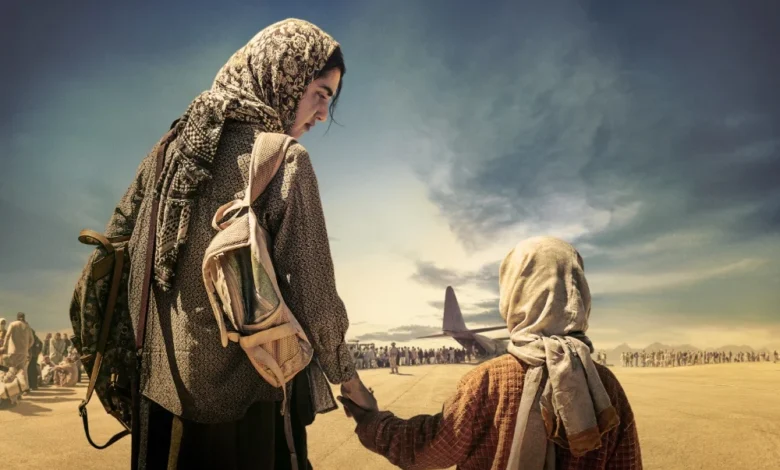
"Kabul" plunges viewers into the heart of the chaotic evacuation of Kabul on August 15, 2021, a date etched into modern history. The narrative unfolds against the backdrop of the swift collapse of the Afghan government and the rapid advance of Taliban forces into the capital city. This critical juncture saw a desperate scramble to extract diplomats, soldiers, and civilians caught in the rapidly deteriorating security situation. The series promises a visceral portrayal of the human cost of such geopolitical upheaval, focusing on the desperate measures taken by individuals and international actors alike to navigate the escalating crisis.
The Heart of the Crisis: A Multifaceted Narrative
The synopsis for "Kabul" paints a vivid picture of the intense pressures and moral quandaries faced by those on the ground. As American troops completed their withdrawal, the Taliban’s re-entry into Kabul signaled a profound shift in power and an immediate threat to many. The Nazany family, a fictional representation of countless Afghan citizens, finds themselves compelled to flee, their lives hanging precariously in the balance due to the fear of reprisal.
This desperate flight occurs amidst an atmosphere thick with tension and uncertainty, further amplified by the looming threat of attacks from ISIS-K (Islamic State – Khorasan Province), a rival militant group that had been active in the region. In this highly volatile environment, the series highlights the extraordinary efforts of a diverse group of international personnel. French police officers, Italian diplomats, German military personnel, and American intelligence services are depicted as being forced to collaborate, often under immense duress, to manage the overwhelming influx of civilians seeking safe passage. The central question posed by the narrative is stark: how will each individual, burdened by their own responsibilities and the urgency of the situation, manage to secure their own survival and that of those under their protection? The series frames this struggle as a race against time, a countdown to an uncertain future.
A Stellar Ensemble and Visionary Direction
The production of "Kabul" is a testament to European collaboration, brought to life by France’s 24 25 Films and Cinétévé. The series further elevates its dramatic impact through a strong ensemble cast, featuring notable performances from Jonathan Zaccaï, known for his role in "Le bureau des légendes" (The Bureau of Legends); Thibault Evrard, who garnered critical acclaim for his performance in "The Night of the 12th"; Vassilis Kukalawi, recognized for his work in "Kandahar"; Jeanne Goursaud from "Pax Massilia"; Gianmarco Saurino of "L’estate più Calda" (The Hottest Summer); and Valentina Cervi, a familiar face from "Medici: Masters of Florence."
The directorial vision for "Kabul" is helmed by Kasia Adamik, whose previous work includes "No Escape," and Olga Chajdas, known for her critically lauded film "Imago." Their combined expertise is expected to translate the intense emotional and political landscape of the evacuation into a compelling visual narrative. The screenplay, a crucial element in bringing such a complex event to life, is penned by Olivier Demangel, celebrated for his contributions to "Atlantics" and "November," alongside Thomas Finkelkraut and Joey Lavy, the writer behind "The Shift." This creative team’s collective experience in crafting sophisticated and thought-provoking narratives suggests that "Kabul" will offer more than just a historical reenactment, aiming instead for a profound exploration of human resilience and the ethical dilemmas inherent in crisis situations.
BBC’s Strategic Acquisition: A Timely Narrative
Nick Lee, the BBC’s Head of Program Acquisition, articulated the significance of "Kabul" for the broadcaster. He described the series as "a tragedy of the highest stakes," emphasizing its profound relevance given that the events depicted occurred only five years prior to the present. Lee highlighted the series’ ability to capture the essence of a warzone through the lens of a deeply personal and human experience, stating, "A warzone story which is propelled by the real ticking clock of the evacuation that was just five years ago this summer. Global politics remain complex, but ‘Kabul’ dramatises the biggest view of history through the smallest window of a human family."
This statement underscores the BBC’s strategic intent to acquire content that not only entertains but also informs and provides critical context on significant global events. The acquisition of "Kabul" aligns with the BBC’s commitment to delivering diverse and compelling programming that resonates with its audience, offering a nuanced perspective on contemporary geopolitical realities. The timing of the acquisition also suggests a deliberate effort to engage with audiences on a subject that continues to hold global relevance and impact.
The Broader Context: Afghanistan’s Shifting Landscape
The withdrawal of U.S. troops and allied forces from Afghanistan in August 2021 marked the end of a two-decade military presence, initiated in the wake of the September 11th terrorist attacks. The swift collapse of the Afghan National Security Forces and the rapid takeover by the Taliban brought to an end a period of attempted nation-building and democratic development. The evacuation efforts that followed were characterized by scenes of desperation and chaos at Kabul’s Hamid Karzai International Airport, as thousands of Afghans, many of whom had worked with foreign governments and organizations, sought to escape the Taliban regime.
The geopolitical implications of this withdrawal were far-reaching, leading to international debate and scrutiny. The humanitarian crisis that ensued, coupled with concerns about human rights, particularly for women and girls, and the potential for Afghanistan to once again become a safe haven for terrorist groups, have remained central to global discussions. The series "Kabul" promises to delve into these complex realities, offering a dramatized account of the human experiences that underpinned these monumental events.
Production Details and Distribution Strategy
"Kabul" is a collaborative effort, with Fabienne Servan-Schreiber and Charlotte Ortiz from Cinétévé, and Matthias Weber and Thibault Gast from 24 25 Films (a Mediawan Company) serving as producers. Sandrine Paquot holds the role of executive producer. The series was developed with the support of the European Alliance, a framework for co-production and collaboration among European broadcasters and producers. Mediawan Rights, as the global sales representative, has played a crucial role in facilitating the international distribution of the series. This collaborative approach to production and distribution is increasingly common in the global television landscape, enabling the creation of ambitious projects with wider reach.
The series is slated for a dual release on the BBC’s platforms. It will be available for streaming on the BBC iPlayer from August 2, allowing viewers to watch at their convenience. Subsequently, it will be broadcast on BBC Four, commencing on August 15, marking the anniversary of the Taliban’s re-entry into Kabul. This staggered release strategy aims to maximize viewership and engagement across different audience segments.
Analyzing the Impact and Significance
The acquisition of "Kabul" by the BBC is a significant development in the international distribution of European television drama. It brings a compelling narrative, grounded in recent historical events of global importance, to a broad audience. The series’ focus on the human element within a large-scale geopolitical crisis offers a powerful opportunity for viewers to connect with the personal stories behind the headlines.
The inclusion of Eric Dane, an actor whose career has spanned significant roles in popular television, adds considerable star power to the project, even in his posthumous appearance. His involvement, coupled with the ensemble of international talent, underscores the ambition of the production. The series’ setting and subject matter are likely to resonate with audiences interested in international affairs, historical drama, and stories of resilience and survival in the face of adversity.
The BBC’s decision to air "Kabul" also reflects a growing trend of broadcasters investing in high-quality, internationally co-produced content that tackles complex and timely themes. By bringing "Kabul" to its platforms, the BBC is not only offering its viewers a gripping thriller but also contributing to a broader international conversation about the human consequences of conflict and political transition. The series has the potential to spark discussion and reflection on the events of August 2021 and their ongoing impact, offering a vital perspective on a pivotal moment in recent history. The detailed exploration of multiple nationalities working together, or sometimes at odds, during the evacuation also sheds light on the complexities of international cooperation and the challenges of multilateral responses to humanitarian crises. This aspect of the narrative could offer valuable insights into diplomatic efforts and the operational difficulties faced by different nations during such a critical period.