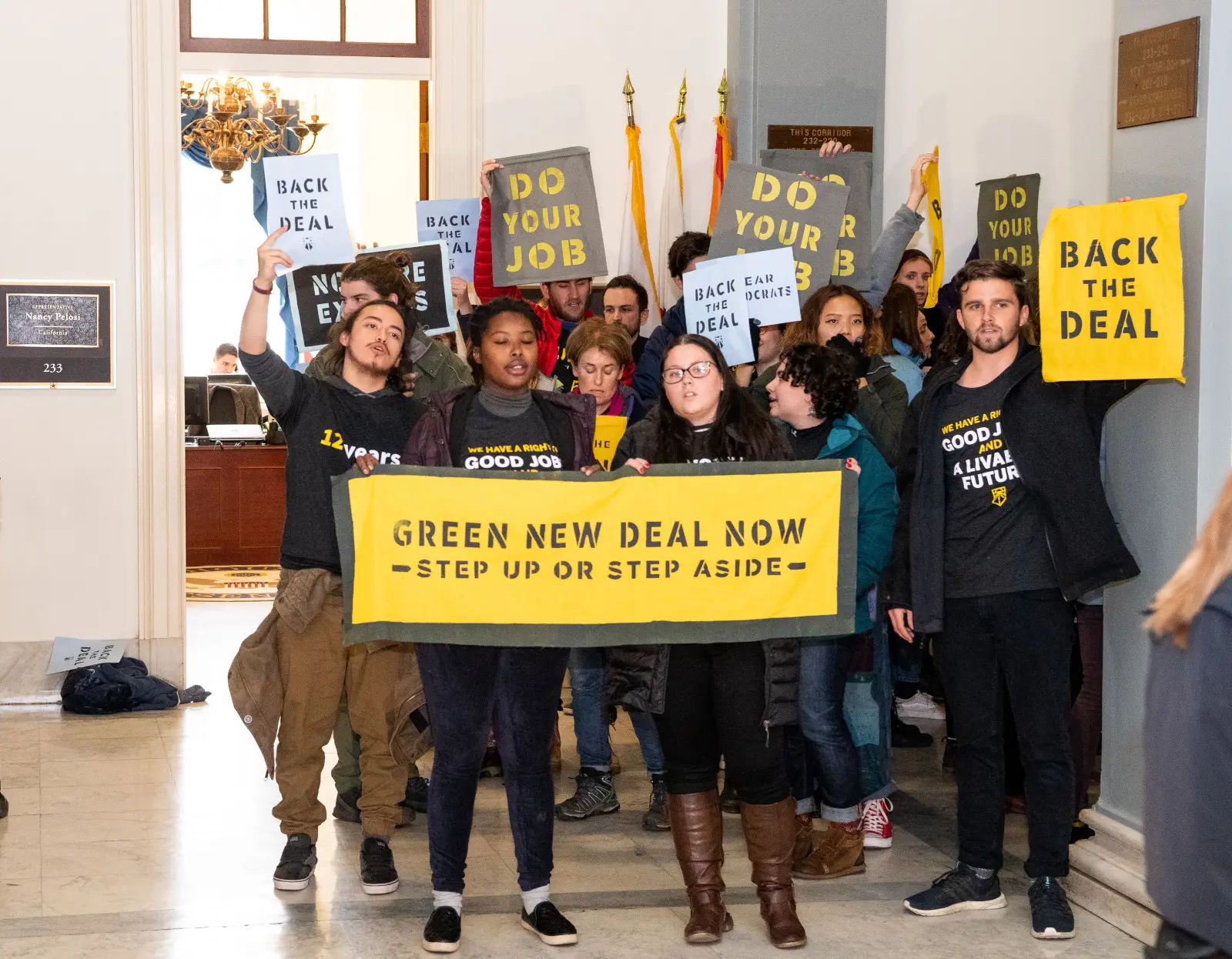
The dissolution of the Green New Deal Network on December 31, 2025, marked the quiet conclusion of a political era that once promised to fundamentally restructure the American economy. For nearly a decade, the coalition—a powerhouse of climate, labor, and social justice organizations—served as the ideological engine for progressive environmental policy. However, as the clock struck midnight on the final day of 2025, the organization officially ceased operations, a casualty of a shifting political landscape and the emergence of a new, more localized threat to the climate: the exponential growth of artificial intelligence data centers.
The demise of the network was not a sudden collapse but a calculated retreat. While the coalition was never intended to be permanent, its exit was accelerated by the political fallout of the 2024 presidential election. The return of Donald Trump to the White House signaled an immediate reversal of the climate momentum seen during the Biden administration. As the federal government launched a broad assault on environmental regulations and clean energy subsidies, the national climate movement found itself in an identity crisis. With the public increasingly preoccupied with the cost of living and a hostile executive branch, the "Green New Deal" brand—once a rallying cry—began to feel like a relic of a different political mood.
A Movement in Transition: From Policy to Resistance
The conditions that birthed the Green New Deal Network have undergone a radical transformation. In a statement posted to its website, the coalition explained that while the mission of "climate, jobs, and justice" remains unfinished, the structural vehicle built to win a specific historical moment was no longer viable for the challenges of the late 2020s. This realization has sparked a mass migration of activists from federal policy advocacy to grassroots resistance against the physical infrastructure of the digital age.
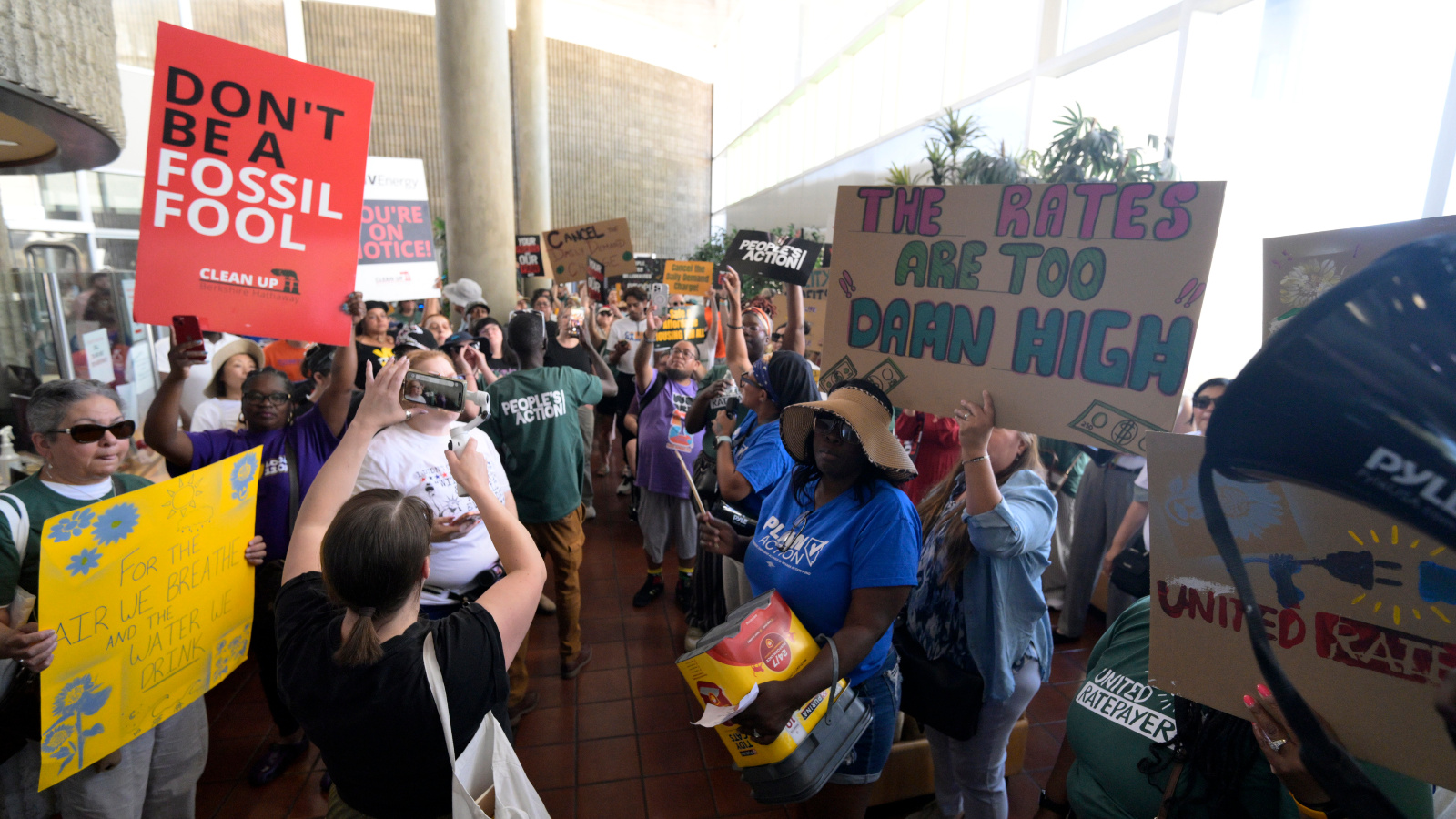
Saul Levin, formerly the director of campaigns and politics for the network, exemplifies this shift. Levin has pivoted his focus to the burgeoning anti-data center movement, organizing a network of concerned citizens via Signal that now spans 40 states and includes over 350 active organizers. Through his podcast, "The Hum," Levin documents a growing national backlash against the giant facilities required to process artificial intelligence. This new movement is not merely a subset of the old climate guard; it is a broader, more ideologically diverse coalition that has found common ground in opposing the energy-intensive "hyperscale" data centers that are popping up in rural and suburban communities alike.
The AI Surge: Supporting Data and Energy Demand
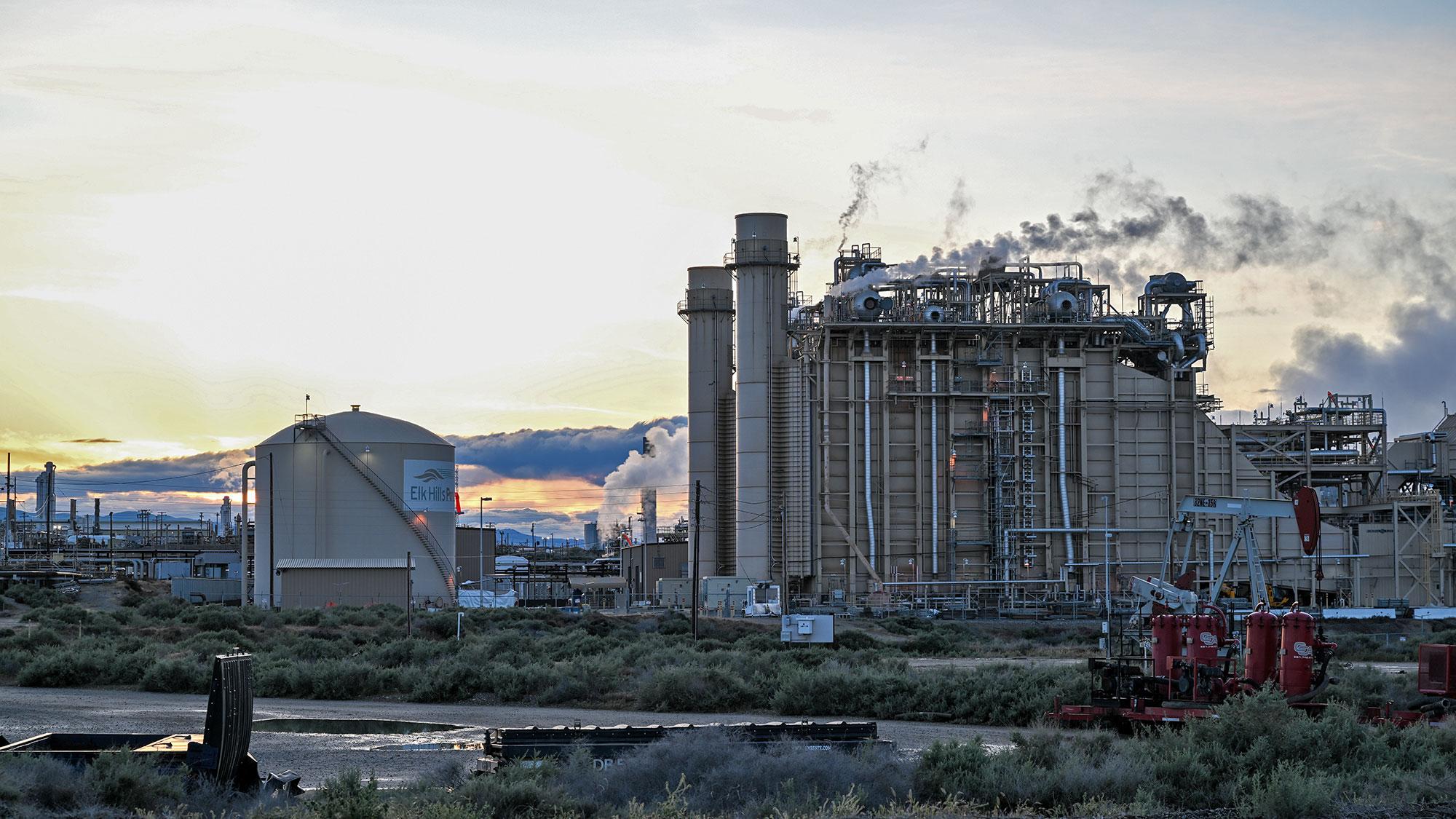
The primary driver of this new activism is the sheer scale of energy consumption required by the AI boom. According to a recent report from the Lawrence Berkeley National Laboratory, data centers could account for approximately one-third of the total growth in U.S. electricity demand between 2024 and 2030. This surge is creating a "perfect storm" for climate activists who fear that the progress made in decarbonizing the grid is being erased by the tech industry’s unquenchable thirst for power.
The International Energy Agency (IEA) has noted that a single AI-driven data center can consume as much electricity as 100,000 households. Some of the largest facilities currently under construction are projected to use up to 20 times that amount. This massive demand is forcing utility companies to extend the life of coal plants and invest heavily in new natural gas infrastructure. In Washington state alone, new gas pipelines designed to supply data centers are projected to produce an additional 13.5 million metric tons of carbon dioxide annually—roughly 14 percent of the state’s total current emissions. Such a spike threatens to derail the state’s Climate Commitment Act, which mandates a 95 percent reduction in greenhouse gas emissions by 2050.
Chronology of the Anti-Data Center Backlash
The timeline of this resistance shows a rapid escalation from local grievances to a coordinated national effort:
- 2018–2021: The Sunrise Movement and other groups focus on the "Green New Deal" as a federal legislative package.
- 2023: As generative AI goes mainstream, tech giants like Amazon, Google, and Microsoft announce massive expansions of data center "campuses."
- Early 2024: Local opposition begins to form in "Data Center Alley" (Northern Virginia) and rural Oregon over concerns regarding water usage for server cooling and rising utility bills.
- May 2025: High-profile activists from the Sunrise Movement begin shifting resources to local hubs in Dallas, Denver, and Pittsburgh to block data center zoning permits.
- June 2026: Seattle becomes the first major U.S. city to pass a unanimous moratorium on new large-scale data centers.
- Late 2026: A coalition of over 500 environmental and social justice groups sends a formal letter to Congress demanding a nationwide moratorium on AI data center construction until environmental standards are established.
Bipartisan Opposition and Local Successes
One of the most striking aspects of the anti-data center movement is its ability to bridge the partisan divide—a feat the Green New Deal never achieved. Polling data from Gallup suggests that data center development is a rare point of agreement across the political spectrum: 75 percent of Democrats and 63 percent of Republicans oppose the construction of these facilities in their immediate vicinity.
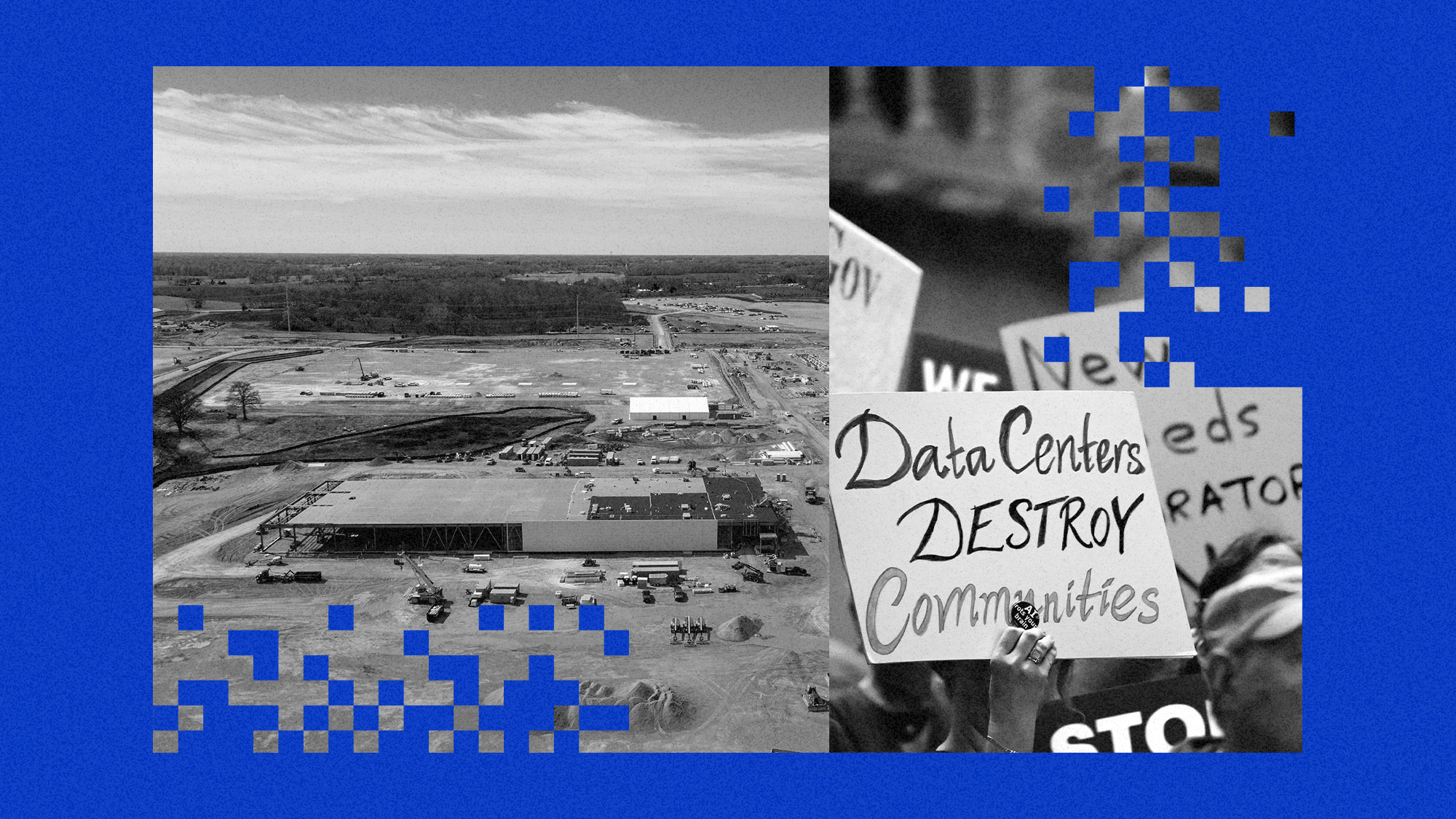
The reasons for this opposition are manifold. While climate activists focus on carbon emissions, conservative and rural residents are often motivated by the aesthetic "blight" of giant warehouses, the strain on local water tables, and the "ratepayer impact"—the phenomenon where utility companies raise prices for ordinary residents to fund the massive grid upgrades required by Big Tech. In states like Maryland and Utah, this has led to unlikely alliances between environmentalists and rural farmers, united by a shared desire for local autonomy over land use.
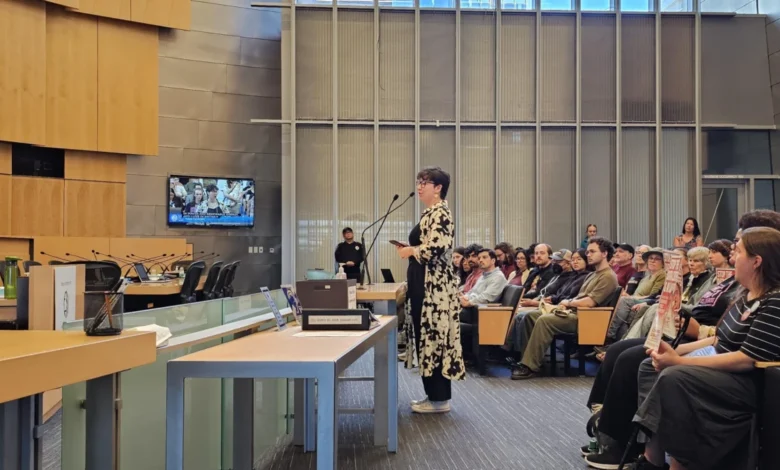
In Seattle, the movement saw its most significant victory to date. When news broke that five major facilities were planned for the city—projects that would have required one-third of the city’s typical daily power load—the group 350 Seattle joined forces with local action groups like the Soapbox Project. The resulting public pressure led to a unanimous City Council vote to suspend approvals. Nivi Achanta, founder of the Soapbox Project, noted that the fight provided a "meaningful on-ramp" for people who felt powerless in the face of global climate change but felt empowered to protect their own local power grid.
Institutional Friction: Grassroots vs. "Big Green"
Despite the groundswell of local activity, the movement faces internal tension within the broader environmental community. While grassroots organizations have been quick to call for a total moratorium on data center construction, established "Big Green" groups like the Sierra Club, the Natural Resources Defense Council (NRDC), and the Nature Conservancy have been more cautious.
Many of these larger organizations have declined to sign on to calls for a nationwide ban. Instead, they advocate for stricter regulations and a requirement that tech companies power their facilities with "new" renewable energy rather than pulling from the existing grid. Jeremy Fisher, a principal advisor for the Sierra Club, stated that while the speculative rush to build is "harming ratepayers and our climate," the focus should be on holding Big Tech to a higher standard of investment in clean energy.
However, grassroots leaders like Thomas Meyer of Food and Water Watch argue that this approach is insufficient. Meyer points to instances where tech companies like Amazon have outbid local utilities for renewable energy projects, effectively "shifting the pie" of clean energy away from the public to serve private AI interests. This disconnect highlights a recurring theme in environmental history: grassroots movements often act as the "early warning system," while institutional organizations follow the lead of mainstream political figures who may be more sympathetic to the economic promises of the tech sector.
Broader Impact and Future Implications
The shift from the "Green New Deal" era to the "AI Resistance" era signifies a maturation of the climate movement. No longer solely focused on aspirational federal policy, activists are increasingly engaged in "hand-to-hand combat" over the physical components of the modern economy. This transition has several long-term implications for American politics and the environment.
First, the movement is forcing a national conversation about the "energy cost" of digital convenience. As AI becomes integrated into every facet of life, the public is beginning to weigh the benefits of these tools against the environmental cost of their operation. Second, the movement is revitalizing local civic engagement. Organizers report that the tangible nature of data center fights—town halls, zoning boards, and utility commission hearings—is drawing in people who had previously checked out of national politics.
As the U.S. continues to navigate a period of political polarization and federal environmental deregulation, the anti-data center movement may serve as a blueprint for future activism. By focusing on local impacts, utility costs, and bipartisan concerns, the movement is building a resilient coalition that can operate independently of the shifting winds in Washington, D.C. The Green New Deal Network may be dead, but its spirit of "climate, jobs, and justice" has found a new, more localized, and perhaps more formidable battleground.