On a humid Thursday morning in Bangkok, the Ramathibodi Poison Center is a hive of urgent activity. Four staff members—a mix of nurses, pharmacists, and paramedics—field a relentless stream of emergency hotline calls, averaging roughly 130 per day. By 11 a.m., the tally has already reached 42. While some callers seek advice on accidental ingestions or drug overdoses, a significant and growing portion of the inquiries involves a more primitive threat: snakebites. Physicians from the furthest reaches of Thailand call in seeking expert guidance on whether a patient requires intubation, how to dress a specific wound, or where to locate life-saving antivenom for a particular species.
The Ramathibodi Poison Center, one of only two such specialized facilities in the country, has operated without pause since 1996. Historically, the center managed approximately 1,000 snakebite-related calls annually. However, over the last four years, that figure has surged to 1,500. More than half of these cases involve highly venomous species, including the king cobra, the Malayan krait, and various pit vipers. This spike is not merely a statistical anomaly; it is a reflection of a changing environment where extreme weather and human expansion are forcing snakes and people into increasingly frequent—and often deadly—encounters.
The Global Burden of a Neglected Tropical Disease
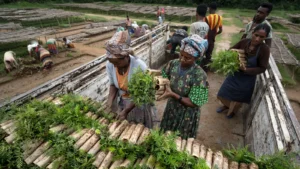
Snakebite envenoming is a devastating health crisis that disproportionately affects the world’s most vulnerable populations. According to the World Health Organization (WHO), as many as 5.4 million people are bitten by snakes every year. Of these, approximately 2.7 million suffer from envenoming—the medical condition where toxins injected by the snake trigger systemic or localized reactions. The consequences are harrowing: nearly 138,000 people die annually, and another 400,000 to 500,000 survivors are left with permanent disabilities, including limb amputations, chronic kidney disease, and severe necrosis (tissue death).
Asia remains the global epicenter of this crisis, with up to 2 million envenomations reported each year. However, experts warn that these figures are likely conservative estimates. Because snakebites primarily occur in rural, impoverished agricultural areas, many victims never reach a formal healthcare facility, and their cases go unrecorded in national health statistics. In 2017, the WHO officially classified snakebite envenoming as a "Priority Neglected Tropical Disease," a designation intended to galvanize international funding and research for a problem that has long been overshadowed by more high-profile infectious diseases.
The Climate Connection: Heat, Floods, and Shifting Habitats
The correlation between rising global temperatures and snakebite frequency is becoming increasingly clear to the scientific community. Research conducted at Emory University has demonstrated that the likelihood of a snakebite increases by approximately 6 percent for every 1-degree Celsius rise in daily minimum temperatures. Snakes are ectotherms, meaning their body temperature and activity levels are regulated by their environment. As the planet warms, snakes become more active over longer periods of the year.
Extreme weather events, which are increasing in frequency and intensity due to climate change, act as primary drivers for human-snake conflict. During periods of severe drought, snakes are forced to abandon their traditional territories in search of water, often leading them to domestic water storage containers, irrigation systems, or cool, damp areas within human dwellings. Conversely, during the monsoon season or extreme flooding events, snakes that typically reside underground or in low-lying brush are flushed out of their habitats. In urban centers like Bangkok, these displaced reptiles seek refuge in sewage systems, shops, and residential gardens.
Furthermore, climate change is altering the very geography of venomous species. Chloe Vasquez, executive director of the Global Snakebite Initiative USA Foundation, notes that several species are being identified in regions where they were historically unknown. The brown spotted pit viper, once confined to India, China, and Taiwan, is now being sighted in Thailand. In India, the "Big Four"—the Indian cobra, common krait, Russell’s viper, and saw-scaled viper—are expanding their ranges into northern territories and higher elevations in the Western Ghats. A study published in The Lancet identified emerging snakebite hotspots in Niger, Namibia, Nepal, and Myanmar, suggesting that as lowlands become too hot or dry, snakes are migrating toward more temperate, higher-altitude regions.
Trends in the Western Hemisphere
While the crisis is most acute in South and Southeast Asia, the United States is not immune to these environmental shifts. The Centers for Disease Control and Prevention (CDC) estimates that roughly 7,000 to 8,000 people are bitten by venomous snakes in the U.S. annually. While the mortality rate is low—averaging about five deaths per year—the morbidity and cost of treatment are significant.
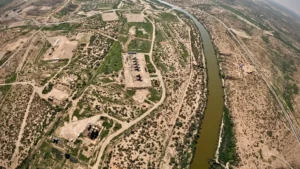
In states like Arizona, unusually warm winters are rousing rattlesnakes from dormancy as early as March, significantly earlier than in previous decades. This shift aligns with increased human outdoor activity, leading to a higher volume of emergency calls. In North Carolina and Georgia, researchers have noted a distinct "uptick" in hospital admissions for snakebites correlating with record-breaking spring temperatures. As urban sprawl continues to eat into the natural habitats of the southeastern U.S., the frequency of "backyard encounters" is poised to rise.
The Science of Survival: Antivenom Production and Challenges
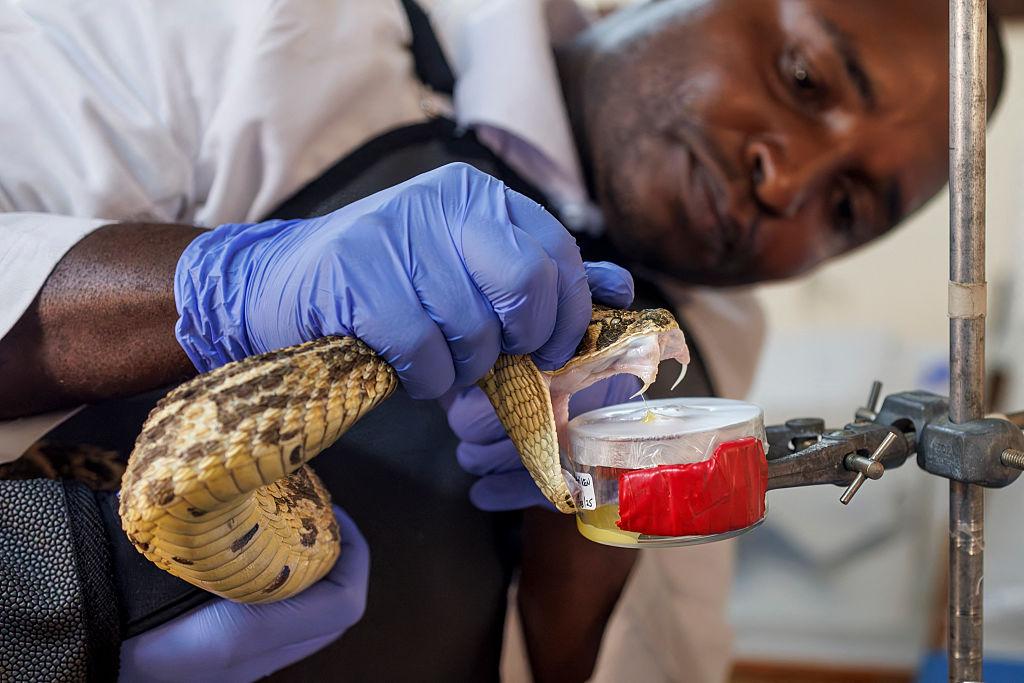
The primary treatment for envenoming is antivenom, a medical product with a production process that has remained largely unchanged for over a century. At the Queen Saovabha Memorial Institute in Bangkok, veterinarians and snake wranglers perform the delicate task of "milking" venom from live snakes. This venom is then injected in small, non-lethal doses into donor animals, typically horses or sheep. The animal’s immune system produces antibodies to neutralize the toxins, which are then harvested from the blood, purified, and bottled for human use.
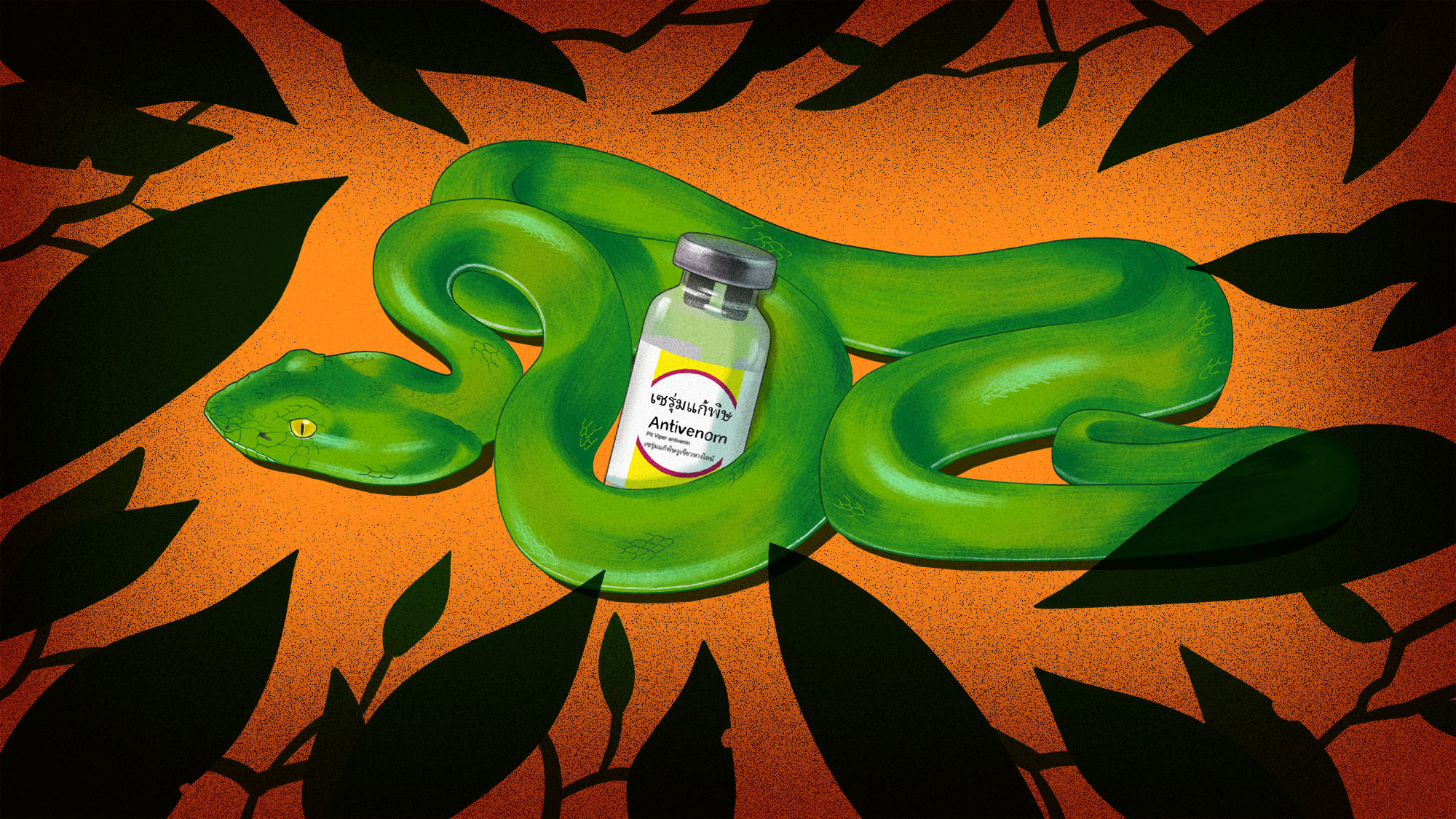
Despite its necessity, the global antivenom supply chain is fragile. Antivenom is expensive to produce, requires specialized refrigeration, and has a relatively short shelf life. Furthermore, antivenoms are highly species-specific and geographically sensitive. An antivenom developed for a cobra in Thailand may be completely ineffective against a cobra bite in sub-Saharan Africa due to regional variations in venom composition.

Economic factors have also hindered availability. In 2015, the pharmaceutical giant Sanofi Pasteur ceased production of Fav-Afrique, a "polyvalent" antivenom that treated bites from ten different African snake species. The company cited a lack of profitability as the primary reason for exiting the market, leaving a vacuum that has yet to be fully filled by other manufacturers. Currently, there are only 46 manufacturers of antivenom worldwide, many of which operate at limited capacity.
Thailand’s Model of Resilience
In contrast to many of its neighbors, Thailand has established a robust national infrastructure to combat snakebites. The Queen Saovabha Memorial Institute, funded by the Thai Red Cross, produces seven different types of antivenom tailored specifically to the country’s most common venomous snakes. This self-sufficiency has made Thailand the only country in Southeast Asia with WHO-approved antivenom production facilities.
In 2011, Thailand launched a national antidote program that strategically stocks antivenoms in major hospitals across all provinces. This initiative ensures that even rural farmers can access treatment within the critical "golden hour" after a bite. Dr. Taksa Vasaruchapong, head of the institute and a veterinarian who has survived three cobra bites himself, emphasizes that education is as vital as medicine. The institute runs a public snake farm and research center, teaching tourists and locals alike how to identify venomous species and how to coexist with them.
Future-Proofing the Global Response
The WHO has set an ambitious goal to reduce the number of snakebite deaths and disabilities by 50 percent by 2030. Achieving this will require a multifaceted approach that goes beyond medical intervention. The agency is calling for "future-proofing" national health systems against the impacts of climate change. This includes:

- Improved Data Collection: Implementing digital platforms to track snakebite incidents in real-time, allowing health ministries to predict where outbreaks might occur following floods or heatwaves.
- Decentralized Stockpiling: Ensuring that antivenoms are stored in rural clinics, not just urban hospitals, to reduce travel time for victims.
- Ecological Conservation: Creating protected corridors for snakes to minimize their encroachment into human agricultural and residential zones.
- Training and Education: Standardizing medical protocols for snakebite treatment to ensure that healthcare workers can manage complications like respiratory failure or acute kidney injury.
As the planet continues to warm, the boundaries between human civilization and the natural world are blurring. The rising number of calls at the Ramathibodi Poison Center serves as a stark reminder that climate change is not just an environmental issue, but a public health emergency. Without sustained investment in antivenom production and a deeper understanding of snake ecology in a changing climate, the "neglected" crisis of snakebites may soon become an unavoidable global reality.