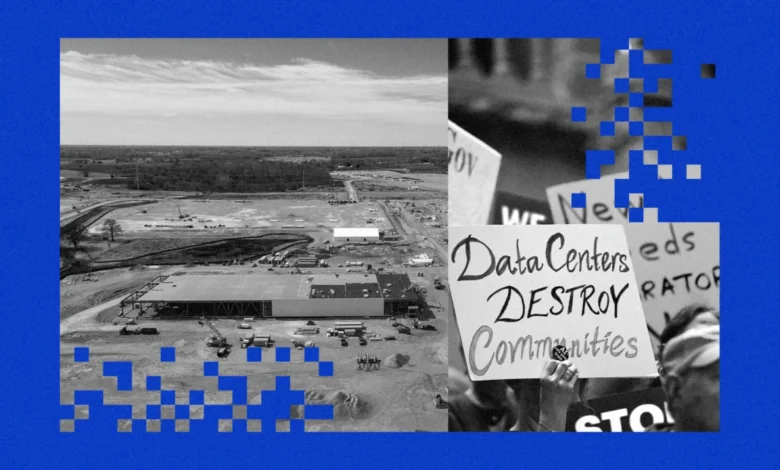
In the rolling landscape of Steuben County, New York, the Lent Hill Dairy Farm operates with a duality that represents the shifting intersection of American agriculture and the digital frontier. While the facility houses approximately 4,000 cows and features the standard architecture of an industrial dairy, its horizon is dominated by two massive, dome-like structures known as anaerobic co-digesters. These machines are the engine of a pioneering experiment: converting livestock waste and local food scraps into the electricity required to fuel an on-site cryptocurrency mining operation.
Operated by the Pennsylvania-based firm Ag-Grid Energy, the Lent Hill project is the first of its kind in the United States to directly link the biological waste of a commercial dairy to the energy-intensive demands of the blockchain. However, the ambitions of the biogas industry extend far beyond localized cryptomining. As the artificial intelligence (AI) revolution accelerates, the world’s largest technology companies are facing a looming energy crisis. Data centers currently account for nearly 5 percent of total electricity consumption in the U.S., a figure the Department of Energy projects could double by 2030. In response, a coalition of agricultural interests, energy providers, and tech giants is positioning "renewable natural gas" (RNG) as the "fuel of the AI age."
The Mechanics of Waste-to-Wattage
Anaerobic digestion is a biological process in which microorganisms break down organic materials—such as cow manure and food waste—in the absence of oxygen. This process takes place inside sealed tanks, or digesters, where it produces biogas, a mixture primarily composed of methane and carbon dioxide. Once captured, this gas can be refined into RNG, a "drop-in" fuel that is chemically nearly identical to conventional fossil-fuel natural gas.

At Lent Hill, the process is operating at a significant industrial scale. The facility claims to recycle more than 45,000 gallons of food waste daily alongside the manure produced by its 4,000-head herd. Rashi Akki, the founder and CEO of Ag-Grid Energy, views this model as a vital economic lifeline for rural regions. By generating power on-site, mid-sized dairies can potentially host small-scale data centers or AI computing clusters, bypassing the constraints of an aging national electrical grid that is struggling to keep pace with the tech sector’s expansion.
The appeal for technology companies lies in the reliability of biogas. Unlike solar or wind energy, which are intermittent and dependent on weather conditions, anaerobic digesters provide "baseload" power—a steady, 24/7 supply of electricity that aligns perfectly with the "always-on" requirements of data centers.
Corporate Alliances and the AI Energy Gold Rush
The push to link manure to microchips is gaining momentum through high-level corporate partnerships. Microsoft has already ventured into the space, partnering with Enchanted Rock in California to utilize RNG for backup power at its San Jose data center. Similarly, Vanguard Renewables—a waste management firm owned by BlackRock—has been vocal about the synergy between RNG and the AI sector.
Strategic alliances are also forming between traditional energy giants and tech "hyperscalers." In late 2025, TotalEnergies signed a 15-year agreement with Google to supply renewable power for the company’s massive data operations in Ohio. While that specific deal focused on solar, TotalEnergies has simultaneously formed joint ventures with Vanguard Renewables to expand biogas production across the United States.
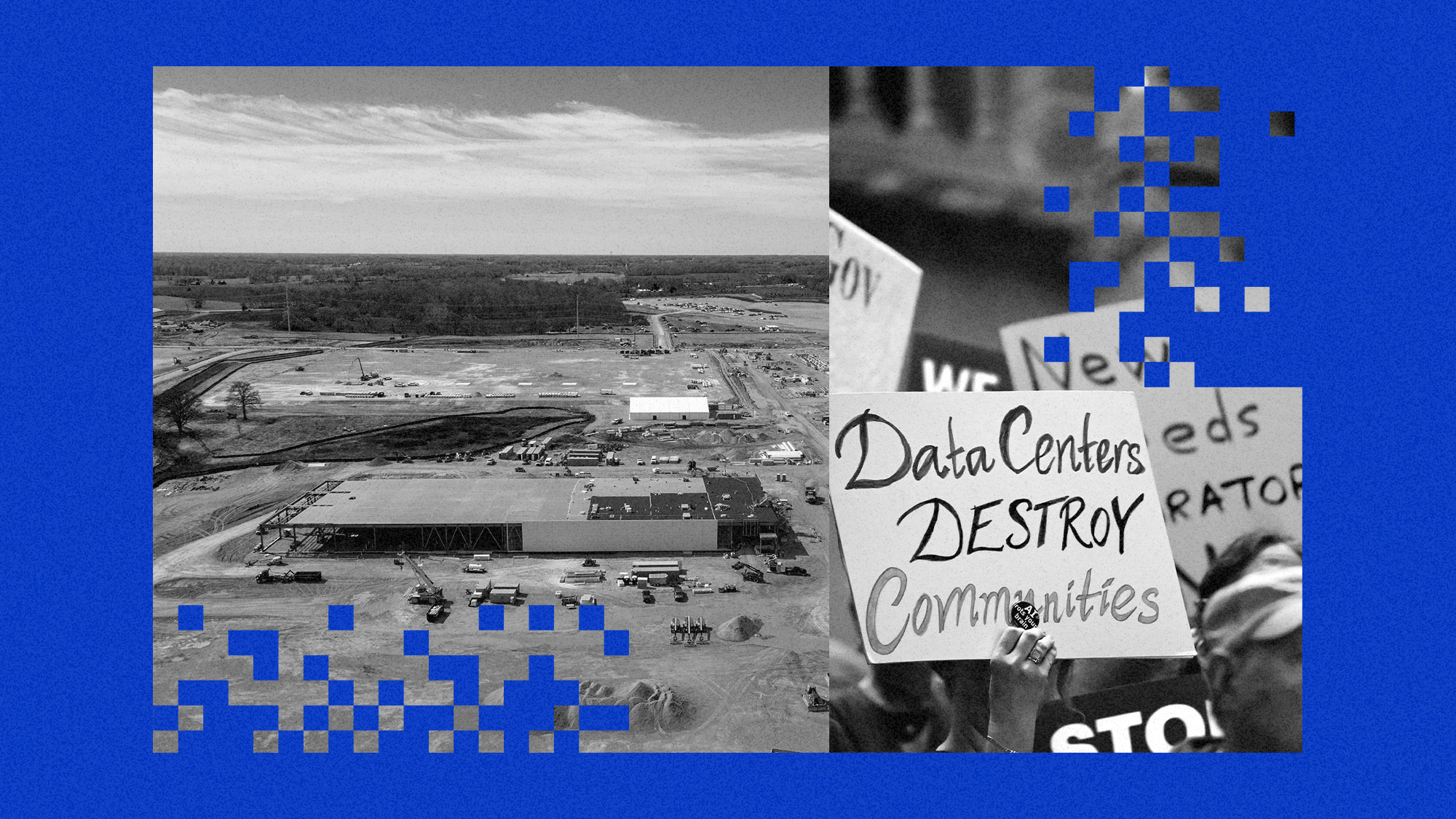
Patrick Serfass, executive director of the American Biogas Council, suggests that the market for this technology is only in its infancy. He estimates that the U.S. has currently realized only 10 to 15 percent of its total biogas potential. "The data centers are going to be so hungry for power that they could eat up pretty much all of the supply that the biogas industry could create," Serfass noted, highlighting a future where the demand for digital processing could drive a massive expansion of industrial agricultural infrastructure.
Environmental Paradoxes and "Pollution Swapping"
Despite the "renewable" label, the proliferation of large-scale digesters has sparked intense criticism from environmental advocates and researchers. The primary concern is that the financial incentives for biogas production create a "perverse incentive" that encourages the expansion of factory farms.
Research conducted by the Johns Hopkins Center for a Livable Future suggests that when manure becomes a profitable energy commodity, the fundamental economics of farming shift. Brent Kim, a researcher at the center, points out that farmers may be incentivized to prioritize waste production over food production. Furthermore, Kim’s research highlights a phenomenon known as "pollution swapping." While digesters are effective at capturing methane—a potent greenhouse gas—the process can lead to an increase in other harmful emissions, such as ammonia and nitrogen-rich byproducts that can contaminate local water tables.
A 2024 report from Friends of the Earth further complicates the sustainability narrative. The study found that dairy farms equipped with digesters saw their herd sizes grow at a rate 24 times faster than those without the technology. In Kewaunee County, Wisconsin, herd sizes surged by 58 percent following the installation of digesters. Critics argue that any climate benefit gained from capturing methane is effectively neutralized by the increased emissions and environmental degradation caused by larger, more concentrated livestock populations.

Community Resistance and the Town of Lind Case Study
The transition of agricultural land into industrial energy hubs has met with significant grassroots opposition. In Lind, Wisconsin, a proposal by Vanguard Renewables to build a large-scale co-digester became a flashpoint for community activism in 2023.
Local residents, led by organizers Victoria Gehrke and Laurie Knutzen, raised alarms over the project’s projected impact. The facility was designed to process 41,000 gallons of waste daily, with plans to discharge treated liquid waste into a tributary of Walla Walla Creek, which feeds into Lake Michigan. Residents cited concerns over hazardous air emissions, heavy truck traffic, and the potential for water pollution.
"These are manure and industrial food-waste processing facilities; they are not agricultural accessories," Gehrke argued during the public hearings. She characterized the trend as turning vulnerable rural communities into "sacrificial dumping grounds" for industrial waste. After a year of sustained opposition, the town of Lind denied the project’s application in early 2024. Despite this local victory, Vanguard Renewables continues to develop more than 50 similar projects nationwide, with a goal of reaching 100 completed sites by 2028.
Policy Shifts and the USDA Moratorium
The rapid expansion of the biogas sector has been fueled by billions of dollars in federal and state subsidies. The California Low-Carbon Fuel Standard (LCFS) currently funds nearly 200 digesters across 16 states. Additionally, the 2023 Inflation Reduction Act allocated over $150 million to biogas projects, while state-level initiatives, such as the Michigan Strategic Fund, have approved over $100 million in private bonds for the industry.
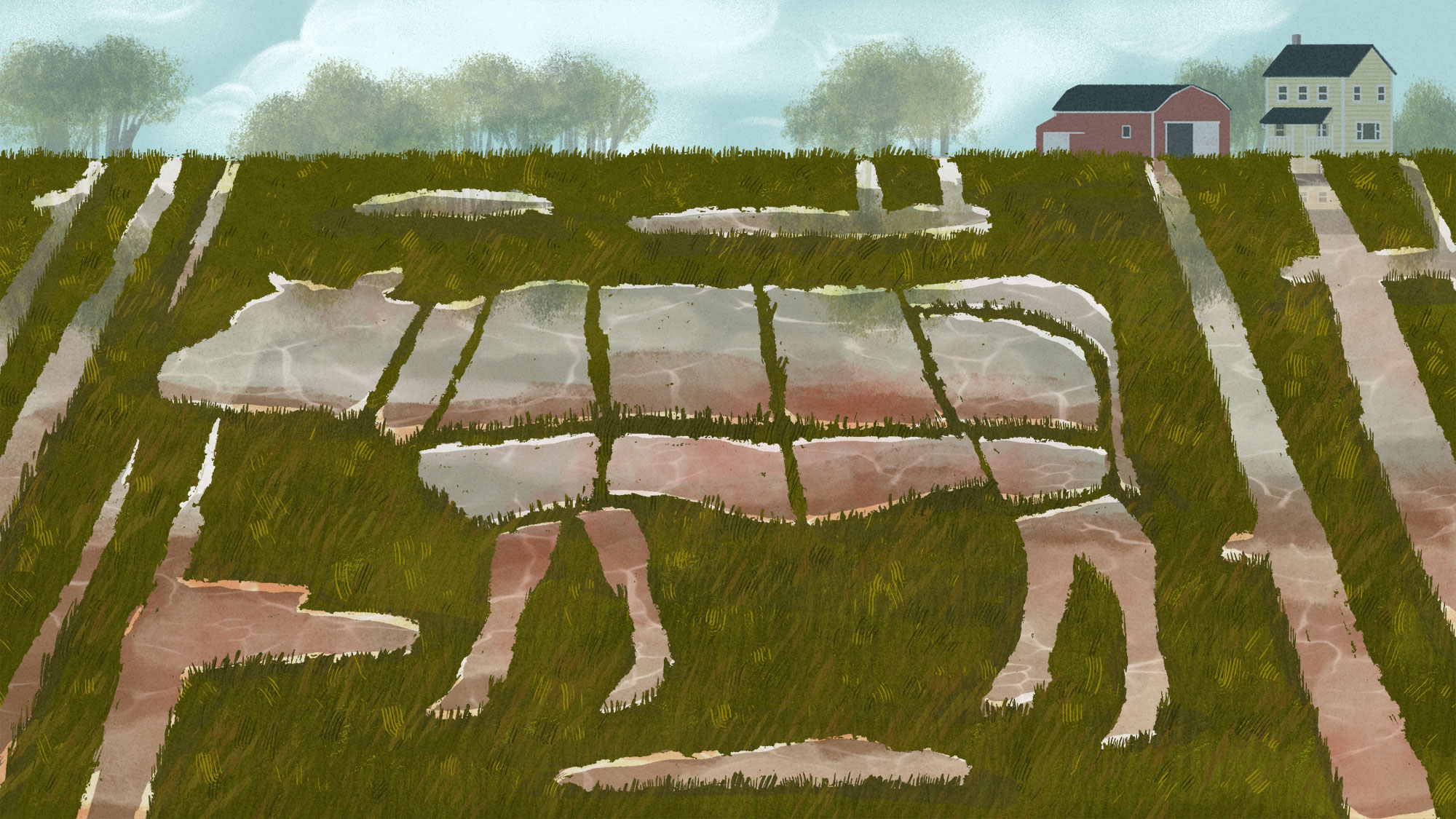
However, the political and economic landscape is shifting. In May 2024, the U.S. Department of Agriculture (USDA) extended a moratorium on loans for anaerobic digesters through the end of the year. This pause was prompted by mounting environmental concerns and a high rate of loan delinquencies. An analysis of USDA data revealed that 11 percent of the 746 project lenders involved in biogas ventures were considered more than 90 days delinquent.
The moratorium signals a growing caution within the federal government regarding the long-term viability and impact of manure-to-energy projects. While proponents like Ag-Grid Energy’s Akki are calling for specific tax credits to support electricity production for AI, federal regulators are increasingly scrutinizing whether these projects deliver the climate benefits they promise.
Analysis of Long-term Implications
The integration of the agricultural waste stream with the high-tech energy grid represents a fundamental shift in how the U.S. manages both its food systems and its digital infrastructure. From a purely technical standpoint, RNG offers a pragmatic solution for tech companies under pressure to meet "net-zero" carbon goals while maintaining 100 percent uptime for their servers. Because RNG utilizes existing pipeline infrastructure, it is a convenient alternative to the massive capital investment required for new green-energy grids.
However, the "manure-to-data" pipeline may entrench a system of industrial agriculture that many climate scientists argue is fundamentally unsustainable. If the profitability of a dairy farm becomes tethered to the energy demands of a data center, the incentive to transition toward more regenerative, smaller-scale farming disappears. Instead, the "concentration of agriculture" becomes an economic necessity for the energy sector.
Furthermore, the effectiveness of digesters as a climate tool remains a subject of intense debate. Research from the World Resources Institute (WRI) indicates that digesters capture only about 25 percent of the total methane emissions from manure storage, calling into question the "carbon-negative" claims often made by industry proponents.
As the AI boom continues to drive an insatiable demand for power, the domes at Lent Hill Dairy Farm serve as a preview of a possible future. Whether that future represents a triumph of circular economy engineering or a dangerous entanglement of industrial waste and digital excess remains the central question for policymakers, environmentalists, and rural communities alike. For now, the smell of digestate and the hum of cooling fans for cryptomines coexist in the New York countryside—a literal manifestation of the old adage that where there is muck, there is brass.