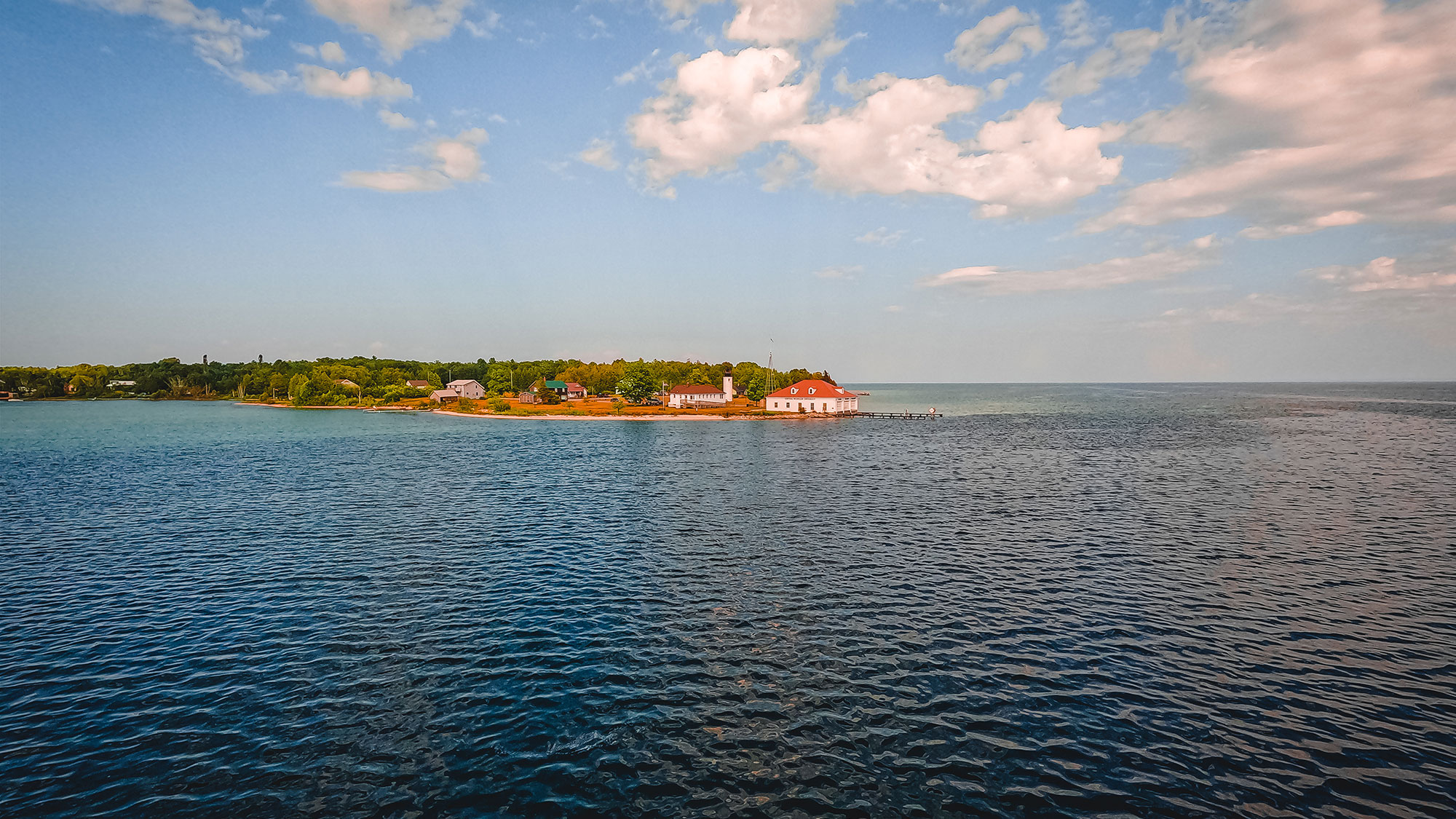
Beaver Island, an emerald stretch of forested land situated in the northern reaches of Lake Michigan, is currently at the center of a technological experiment that could redefine how remote communities across North America achieve energy independence. Located approximately 70 miles from the maritime border with Canada and accessible only by boat or aircraft, the island’s 600 permanent residents have long lived at the mercy of a precarious tether to the mainland. For decades, electricity has been funneled to the island via a 30-mile network of sensitive underwater cables snaking across the lake bed. However, as climate change intensifies weather volatility in the Great Lakes region, this aging infrastructure has proven increasingly inadequate, prompting a shift toward localized, renewable solutions—specifically, the untapped kinetic power of the waves surrounding the island.
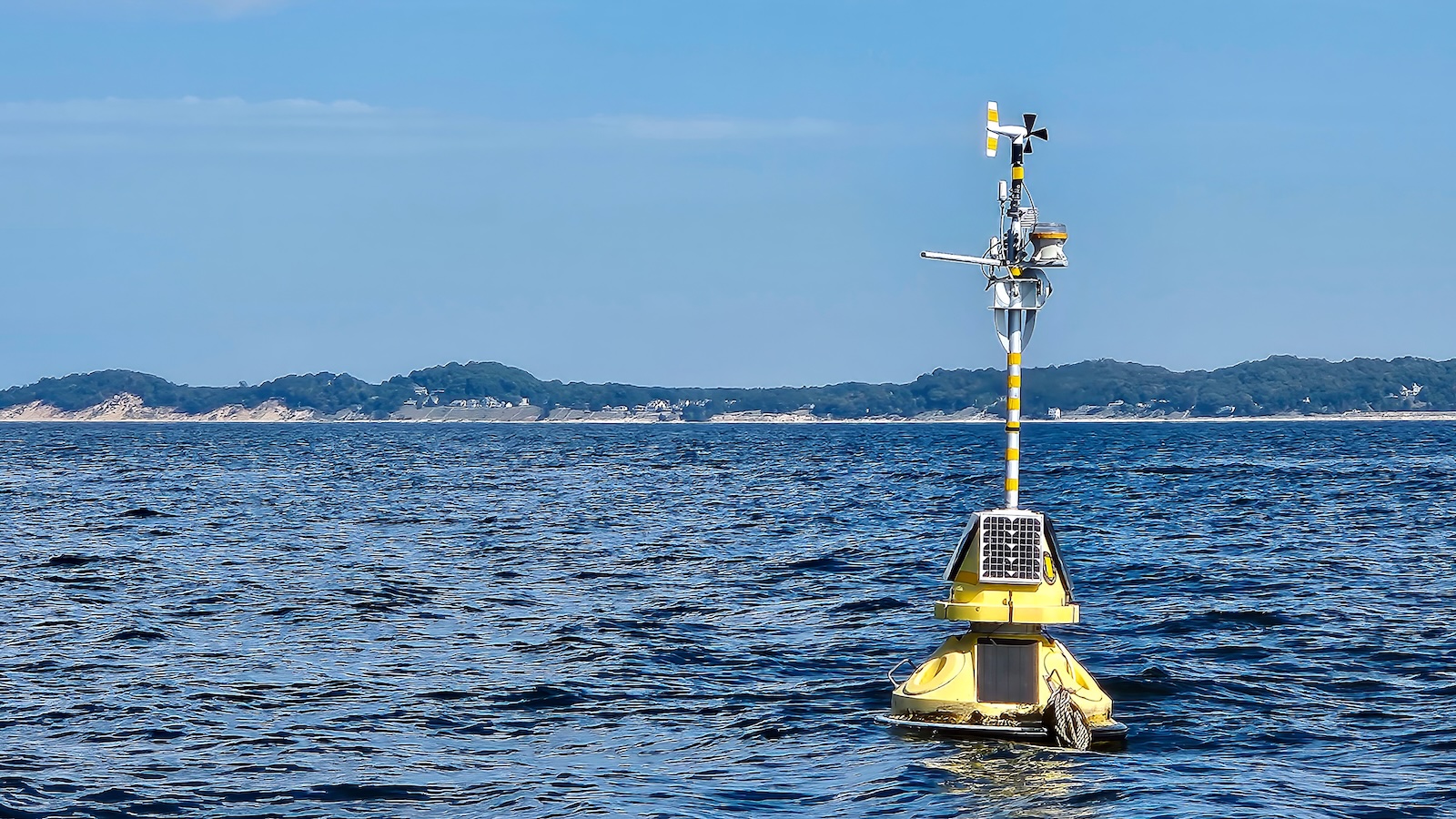
Earlier this month, a team of researchers from the University of Michigan arrived on the Beaver Island shoreline to deploy and test prototype wave energy converters (WECs). These devices, which resemble small, PVC-framed vessels roughly the size of a yoga ball, represent a significant step in the "Blue Economy"—a sector focused on the sustainable use of ocean and lake resources for economic growth and improved livelihoods. During the demonstration, these compact generators successfully converted the rhythmic motion of Lake Michigan’s waves into enough electricity to power LED light bulbs and charge mobile devices, offering a proof-of-concept for a larger, more permanent installation.
The Fragility of the Island Grid: A Chronology of Instability
The push for wave energy on Beaver Island is born of necessity. To understand the urgency of the project, one must look at the island’s historical struggle with grid reliability. While Beaver Island is a popular summer destination, its winter months are characterized by brutal temperatures and heavy ice. The primary vulnerability lies in the 30 miles of lake bed cables that connect the island to the mainland Michigan power grid.
In early 2023, a devastating ice storm swept through the state, coating infrastructure in thick layers of frozen precipitation. On the mainland, the weight of the ice snapped power lines; for Beaver Island, the disruption was even more profound. The island was plunged into darkness for weeks, forcing residents to rely on expensive diesel generators and wood-burning stoves. The incident highlighted a critical flaw: when the mainland grid fails, or when the underwater cables are damaged by shifting ice or anchor drags, the island has no internal fallback system.
This vulnerability led to a two-year collaborative effort between the University of Michigan and the Beaver Island community. Researchers didn’t just bring technology; they brought questions. Through town hall meetings and surveys, they identified the community’s most vital infrastructure. The consensus was clear: the island’s airport, a lifeline for medical evacuations and essential supplies during the winter, needed a dedicated, reliable power source that could operate independently of the mainland.
Engineering the "Experimental Bathtub"
The University of Michigan project, led by engineering professor Lei Zuo, seeks to overcome the traditional hurdles of marine energy. Wave power has historically lagged behind solar and wind due to the sheer mechanical stress of operating in aquatic environments. Saltwater corrosion, high-pressure depths, and the unpredictable force of storm surges have made many ocean-based projects prohibitively expensive.
However, Saeid Bayat, a researcher on the project, notes that the Great Lakes offer a unique "experimental bathtub" for refining this technology. While the waves in Lake Michigan are generally smaller and more seasonal than those in the Pacific or Atlantic, they provide a "real-world" testing ground that is safer and more accessible. By perfecting WEC designs in the Great Lakes, engineers can create more durable, cost-effective units that can eventually be scaled for harsher oceanic conditions.
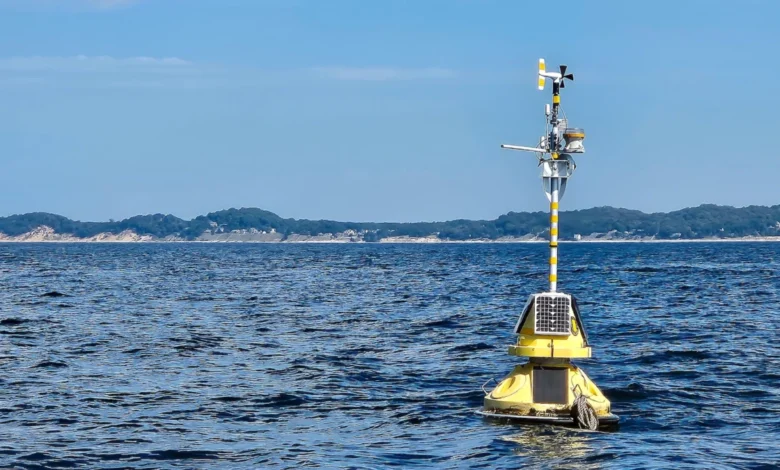
The prototypes tested this month are designed to be "point absorbers." These devices float on the surface and use the vertical motion of waves to drive a linear generator or a hydraulic system inside the unit. This kinetic energy is then converted into electrical energy, which can be stored in batteries or fed directly into a localized microgrid.
Comparative Models of Energy Sovereignty
Beaver Island is part of a growing global movement toward "energy sovereignty," where remote or marginalized communities take control of their power generation to mitigate the impacts of climate change and corporate utility failures.
In the Native village of Galena, Alaska, residents have faced similar challenges with the high cost of imported diesel fuel. To counter this, the community has invested heavily in a mix of solar arrays and biomass energy systems. By burning local wood waste and capturing the long hours of Arctic summer sun, Galena has significantly reduced its reliance on external fuel shipments, which are often delayed by weather.
Similarly, in the wake of Hurricane Maria in 2017, the residents of Adjuntas, Puerto Rico, refused to wait for the reconstruction of the island’s infamously fragile centralized grid. They developed a community-owned solar microgrid that provides power to essential businesses and emergency services. This model of "distributed generation" ensures that even if the main grid collapses, the town square remains powered.
For Beaver Island, wave energy represents the final piece of a diversified renewable portfolio. Many residents have already installed individual solar panels and geothermal heating systems. The addition of wave power provides a "baseload" alternative that continues to function even when the sun isn’t shining, provided the lake isn’t completely frozen over.
Navigating the Political and Financial Landscape
The future of renewable energy projects in the United States currently faces a complex political environment. Under the current administration, there has been a notable shift in federal priorities, with several grants for solar and wind projects facing cancellation or redirection. However, marine and hydrokinetic energy—often categorized under the broader umbrella of "hydropower"—have found a surprising degree of bipartisan support.
In early 2025, the administration prioritized hydropower for regulatory fast-tracking, viewing it as a traditional and reliable form of domestic energy production. The Department of Energy’s (DOE) rebranded Hydropower and Hydrokinetic Office recently announced it would utilize $220 million in Congressional appropriations to continue research into wave and tidal energy.
Dan Hellin, director of PacWave, a major offshore wave energy testing facility in Oregon, suggests that wave energy is currently "under the radar" compared to the politically charged debates surrounding large-scale wind farms. This relative obscurity, combined with its classification as hydropower, has allowed projects like the Michigan experiment to maintain their funding streams through the National Science Foundation and the DOE.
Technical Hurdles and the Path to Commercialization
Despite the optimism on Beaver Island, wave energy is not yet a "plug-and-play" solution. The industry lacks a standardized design—while wind energy has settled on the three-blade turbine model, wave energy developers are still experimenting with dozens of different form factors, from "snakes" that flex with the waves to "buoys" that bob.
Cost remains the most significant barrier. Currently, the Levelized Cost of Energy (LCOE) for wave power is significantly higher than that of wind or solar. To be commercially viable, the technology must reach a stage of mass production where economies of scale can drive down prices. Furthermore, the installation of underwater transmission lines to bring power from offshore buoys to the land requires specialized vessels and divers, adding to the initial capital expenditure.
However, for a community like Beaver Island, the "cost" of energy isn’t just measured in cents per kilowatt-hour. It is measured in the security of knowing the airport lights will stay on during a blizzard and that the island won’t be isolated for weeks at a time.
A Vision for the Future
As the University of Michigan team analyzes the data from their recent deployment, the goal is to move toward a permanent, full-scale installation within the next few years. This system would likely be integrated with the island’s existing infrastructure, creating a hybrid grid that uses solar during the day and wave energy to supplement power needs during the evening or on overcast days.
For residents like Seamus Norgaard, who spends his summers on the island and advocates for environmental stewardship, the project represents more than just a technological upgrade. It is a shift in the island’s identity. "There is that excitement about these new futures and cleaner sources," Norgaard said. "It’s a combination of looking at cost savings and also wanting to be independent and not dependent on the mainland for everything."
The Beaver Island experiment serves as a microcosm for the broader challenges of the energy transition. It demonstrates that while the technology for a carbon-free, resilient future exists, its implementation requires deep community engagement, steady federal support, and the willingness to treat the natural environment—whether it be the winds of the plains or the waves of the Great Lakes—as a partner in progress. If successful, this small forested island in Lake Michigan may provide the blueprint for thousands of other coastal and island communities seeking to turn the tide on energy insecurity.