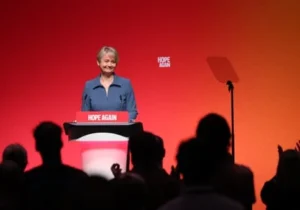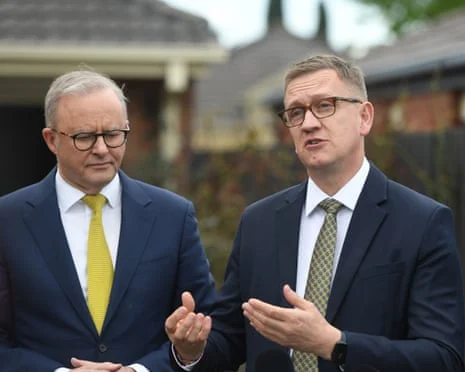
The escalating political stoush, which began with an animated "Please Explain" video labeling Hastie a "traitor," has drawn fierce condemnation from crossbench and coalition figures alike, while triggering broader national debates regarding veteran respect, populist political strategies, and Australia’s migration policies.
The Origin of the Conflict: The One Nation Cartoon
The controversy centers on a digital cartoon produced and promoted by One Nation, featuring party leader Pauline Hanson. The animated video directed personal attacks against Andrew Hastie, a former SAS combat veteran and Liberal member of parliament, labeling him a "traitor."

The digital attack was mounted in direct retaliation for Hastie’s decision to give evidence against decorated soldier Ben Roberts-Smith during his high-profile and ultimately unsuccessful federal court defamation trial. The trial, which scrutinized the conduct of Australian soldiers during the Afghanistan war, saw multiple elite combat veterans step forward to provide testimony under oath.
Hastie immediately pushed back against the characterization, arguing that the video was not merely an attack on his personal reputation, but a dangerous slur against all Australian military veterans. More than 20 SAS combat veterans testified during the legal proceedings, and Hastie questioned whether One Nation viewed the entire group of servicemen as traitors—a question Hanson has consistently refused to answer.
Political Fallout and Condemnation
The public backlash against Pauline Hanson’s video quickly expanded across the political spectrum, uniting unusual allies in fierce condemnation of the One Nation leader.
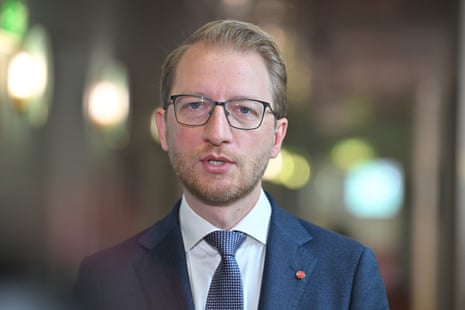
Independent Senator and defence veteran Jacqui Lambie delivered a blistering assessment of the campaign during an appearance on RN Breakfast, pulling no punches as she demanded the video’s immediate removal.
"What she’s doing in those cartoons is absolutely disgusting. They are full of bloody violence. I mean, how people can watch that rubbish is beyond me," Lambie said. "Attacking Andrew Hastie, a veteran that has served in our Afghanistan war, or any other veteran, is the lowest ebb you can possibly do. That woman is nothing less than a bloody coward."
Lambie urged veterans and voters considering supporting One Nation to reconsider their allegiances, arguing that the episode exposed Hanson’s "true colours."
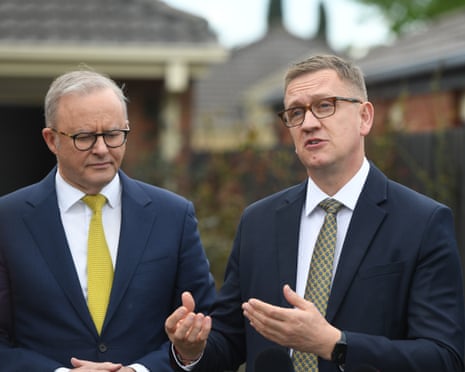
Shadow Defence Minister James Paterson similarly came to his colleague’s defense, labeling the accusation of treason the gravest possible slur that could be leveled against a serving member of the armed forces. Speaking to the media, Paterson criticized Hanson for displaying a "glass jaw" and showing weakness by refusing to take direct ownership of the content during interviews, despite the video being pinned to the top of her official social media profile and featuring her own voiceover.
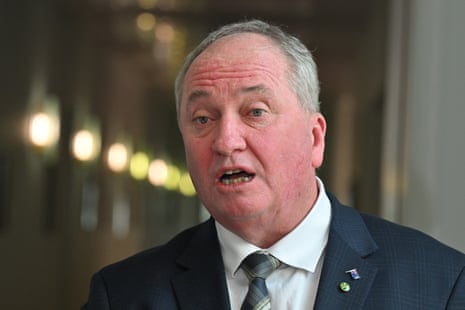
Meanwhile, National Party figure Barnaby Joyce found himself caught in the crossfire. After Hastie accused both Hanson and Joyce of being dishonest about their awareness of the cartoon, Joyce expressed disappointment over being labeled a coward, maintaining that he respects Hastie’s military service while emphasizing the robust nature of Australian democracy.
Despite the severity of the attack, Hastie confirmed he would not pursue legal action against Hanson, noting that her party is backed financially by mining billionaire Gina Rinehart. Instead, Hastie promised to exact a heavy political toll on the party.
The Broader Economic Debate: Migration and Populism
While the federal parliament remains gripped by the fallout from the One Nation video, the broader political arena has been forced to confront the rising tide of populist rhetoric, particularly concerning Australia’s migration and international student programs.
South Australian Premier Peter Malinauskas used a high-profile speech in Sydney to issue a stern warning to the federal Labor government, urging Prime Minister Albanese’s administration to resist the "madness" of cutting migration numbers simply to appease populist pressures from parties like One Nation.
Drawing on his own family history—his grandparents migrated to Australia following the Second World War—Malinauskas argued that the correct response to anti-immigration populism is leadership, not appeasement. He cautioned that a political race to the bottom regarding population caps would result in severe national economic self-harm.
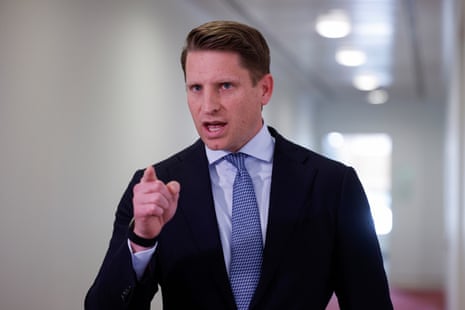
"Imagine if we did this to the mining industry, there would be an ad on every television station and mobile phone about how we’re killing the goose that lays the golden egg. It is crazy," Malinauskas told reporters.
The South Australian premier argued that public anxiety is frequently misdirected. He asserted that Australia does not face a migration crisis, but rather a housing and construction crisis driven by severe nationwide shortages of skilled tradespeople. Rather than setting arbitrary, reactive caps, Malinauskas called for a bottom-up, calibrated approach to skill shortages, particularly as demographic shifts project that Australia will soon have more citizens over the age of 65 than under 15.
International Diplomacy and Global Engagement
Amid the domestic political turbulence, former prime minister Kevin Rudd used his return to Canberra—following his tenure as Australia’s ambassador to Washington D.C.—to outline a strategic path forward for Australian foreign policy.
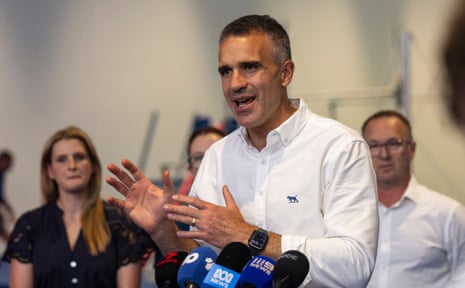
Speaking at the Australian Institute of International Affairs and ahead of his National Press Club address, Rudd emphasized the critical necessity of multilateral diplomacy. As the United States under a shifting political landscape periodically withdraws from vital global institutions, Rudd argued that middle powers like Australia must step up to preserve the international rules-based order.
"There remains an opportunity for Australia, in partnership with other middle powers around the world, to put our shoulders to the wheel in supporting those UN multilateral institutions which now find themselves under financial and institutional pressure as a result of the US withdrawing," Rudd stated.
Highlighting Australia’s ongoing contributions to the United Nations, the International Monetary Fund, the World Bank, the G20, APEC, and regional bodies such as the Pacific Islands Forum, Rudd noted that proactive middle-power diplomacy remains essential for stability across the Indo-Pacific and beyond.

Legislative Agendas and Domestic Concerns
As the final sitting fortnight of the parliamentary term concludes, lawmakers are also managing critical legislative fronts. Foreign Minister Penny Wong announced further targeted sanctions against Israeli government policies and growing settler violence in the West Bank, describing current actions as unconscionable under international law. While the UK has implemented strict trade bans on goods originating from illegal occupied settlements, the Australian government has stopped short of enacting identical trade blocks, citing potential unintended economic consequences for local businesses, though further legal measures remain under active consideration.
Concurrently, the federal government is preparing to introduce robust new legislation aimed at dismantling the burgeoning black market trade in illicit tobacco. Assistant Customs Minister Julian Hill detailed framework proposals that will empower the Australian Border Force and state police divisions with observable indicators—such as packaging anomalies and retail pricing thresholds set below combined excise and GST rates—to prosecute organized crime syndicates dominating the illegal trade.
Conclusion
The convergence of personal attacks on military veterans, populist pressure on immigration policy, and complex international trade dilemmas underscores a highly volatile period for Australian politics. As mainstream parties navigate the pressures of rising populism from minor political entities, the debates over institutional integrity, economic pragmatism, and the defense of public servants and veterans alike will likely remain central fixtures of the national discourse in the lead-up to the next electoral cycle.