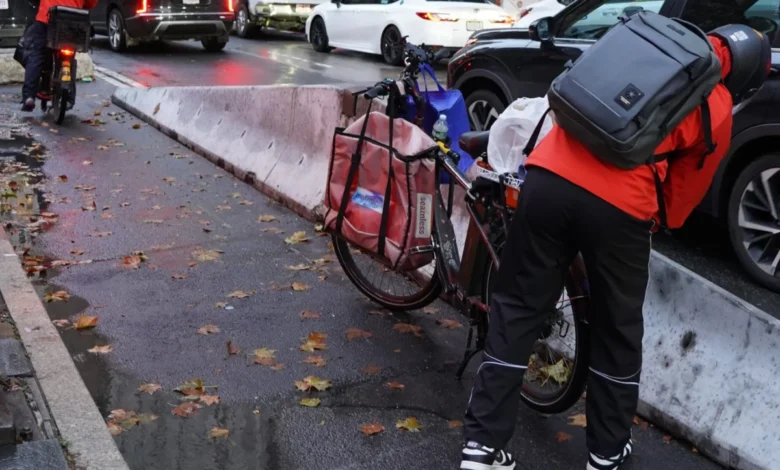
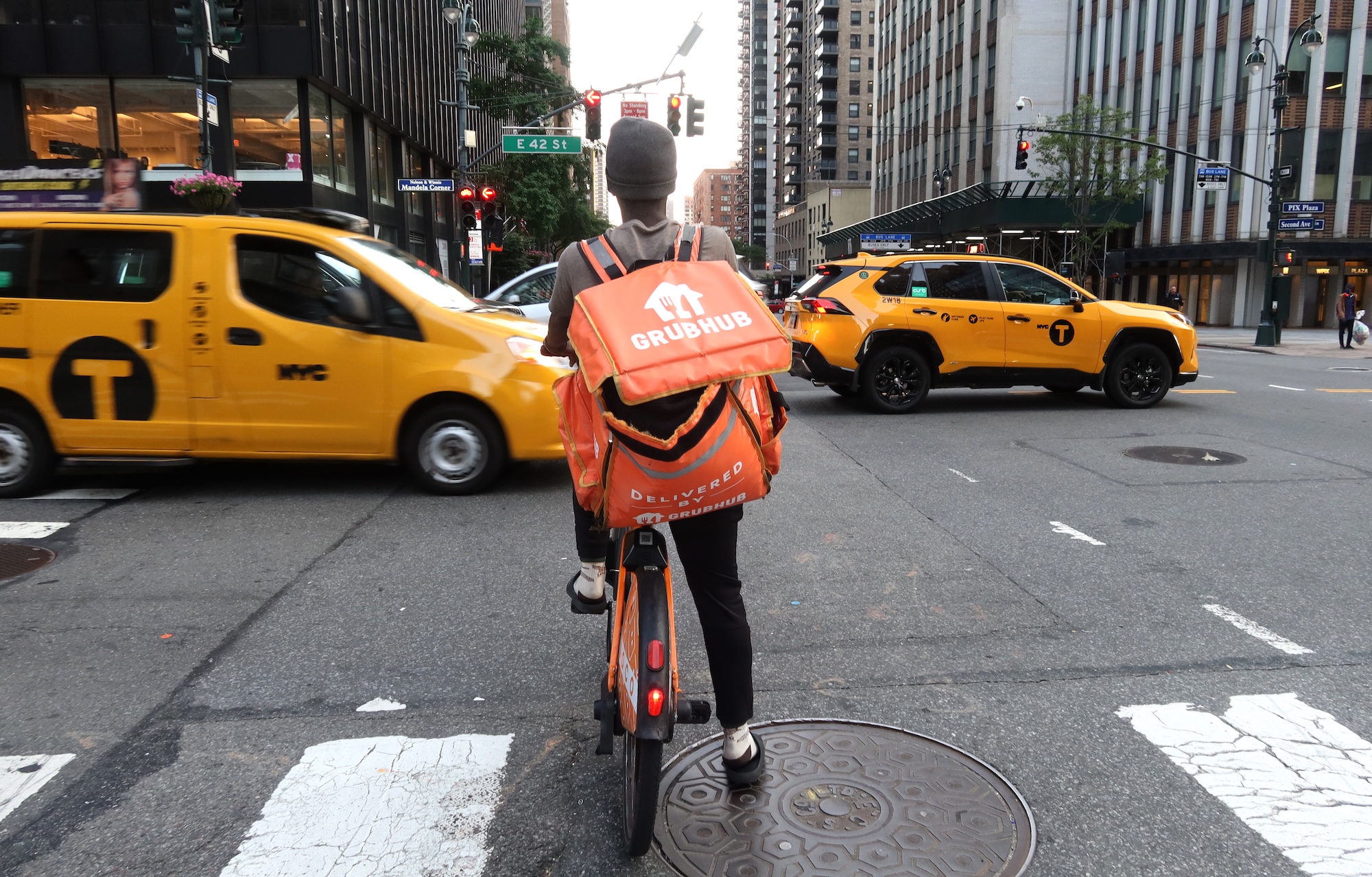
On a sweltering July afternoon earlier this year, the streets of New York City took on an eerie, apocalyptic glow. A thick, orange haze descended upon the five boroughs, the result of wildfire smoke drifting thousands of miles south from Quebec. For 40-year-old José Yos, an app-based delivery worker who relies on his e-bike to navigate the city’s dense traffic, the smoke was not merely an aesthetic concern—it was a health hazard and a professional ultimatum. As the temperature climbed toward 100 degrees Fahrenheit, exacerbated by the hazardous air quality, city officials urged residents to remain indoors. Yet, for Yos and the city’s estimated 70,000 "deliveristas," staying home was a luxury they could not afford. With the pressure of maintaining high in-app ratings and the necessity of securing daily income, Yos pulled a balaclava over his face to filter the soot and continued his rounds.
This intersection of extreme climate events and the precarious nature of gig work has become a defining tension in modern urban labor. As New York City grapples with increasingly frequent heat emergencies, flash floods, and poor air quality, the delivery workforce—largely composed of immigrants from regions most impacted by the global climate crisis—finds itself on the front lines of urban climate adaptation.
A History of Precarity and the Rise of the Gig Economy
The landscape of New York’s food delivery industry shifted dramatically during the COVID-19 pandemic. Prior to 2020, food delivery was largely localized, with workers employed directly by neighborhood restaurants. The subsequent explosion of platforms like DoorDash and Uber Eats transformed the city’s streetscape, as consumer spending via mobile apps skyrocketed from $400 million in late 2019 to over $1.4 billion by 2022.
This rapid expansion brought with it a surge of new workers, many of whom arrived in the U.S. from countries experiencing their own climate-driven instability. For workers like Yos, who emigrated from rural Guatemala, and Hari Sharan Tripathi, who left Nepal, the decision to migrate was often tied to the degradation of agricultural productivity back home. In Guatemala, unpredictable rainfall and cycles of drought and flooding have suppressed crop yields for years, making small-scale farming an unreliable source of survival. Similarly, in Nepal, the recession of glaciers and erratic weather patterns have devastated traditional orchard economies, pushing many to seek economic opportunities in global cities like New York.
The "Stress Multiplier" Effect
Researchers point to the phenomenon of extreme weather acting as a "stress multiplier" for global migration. While migrants often cite economic opportunity as their primary motivation for relocating, environmental factors are frequently the silent, underlying drivers. Data from the Mixed Migration Centre suggests that while only a small percentage of migrants spontaneously mention climate as a reason for moving, 30 to 40 percent acknowledge that environmental risks played a significant role in their decision-making when prompted.
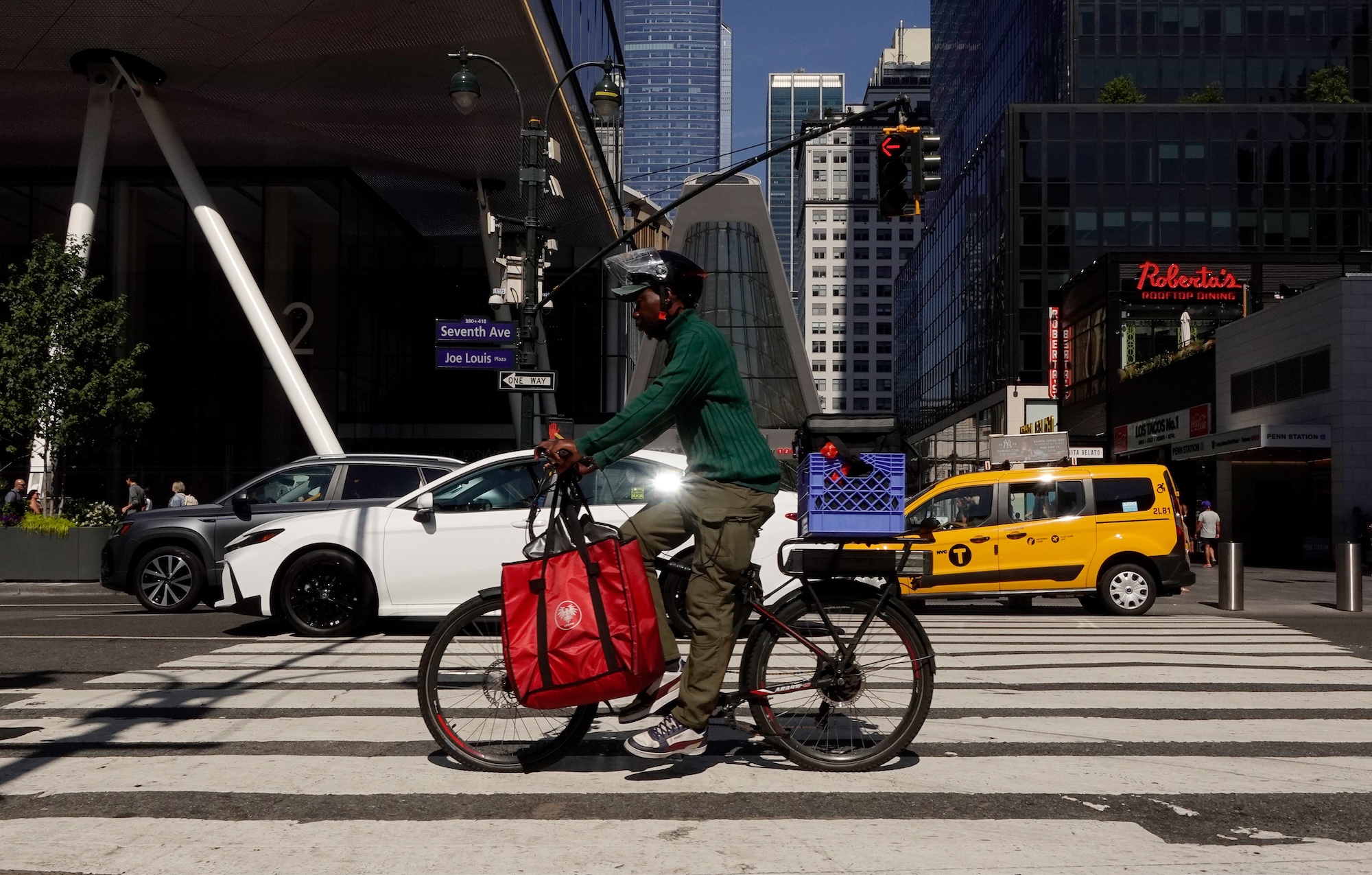
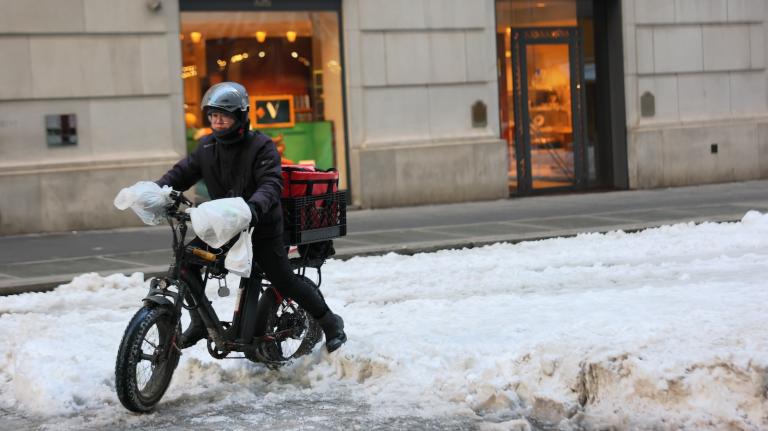
Once these workers arrive in New York, they encounter a different set of climate-related challenges. Unlike office-based workers, deliveristas have no control over their environment. Whether it is the flash flooding caused by "cloudbursts"—sudden, intense downpours that overwhelm the city’s outdated sewer infrastructure—or the extreme heat that puts them at risk of heat stroke, their labor is inextricably linked to the weather. Saliou Ndiaye, a 26-year-old Senegalese worker, experienced the physical toll of these conditions firsthand in 2022 when a driver, blinded by a rainstorm, struck him. His resulting injury left him unable to work for nearly a year, highlighting the profound economic vulnerability inherent in the gig model.
Legislative Milestones and the Fight for Protection
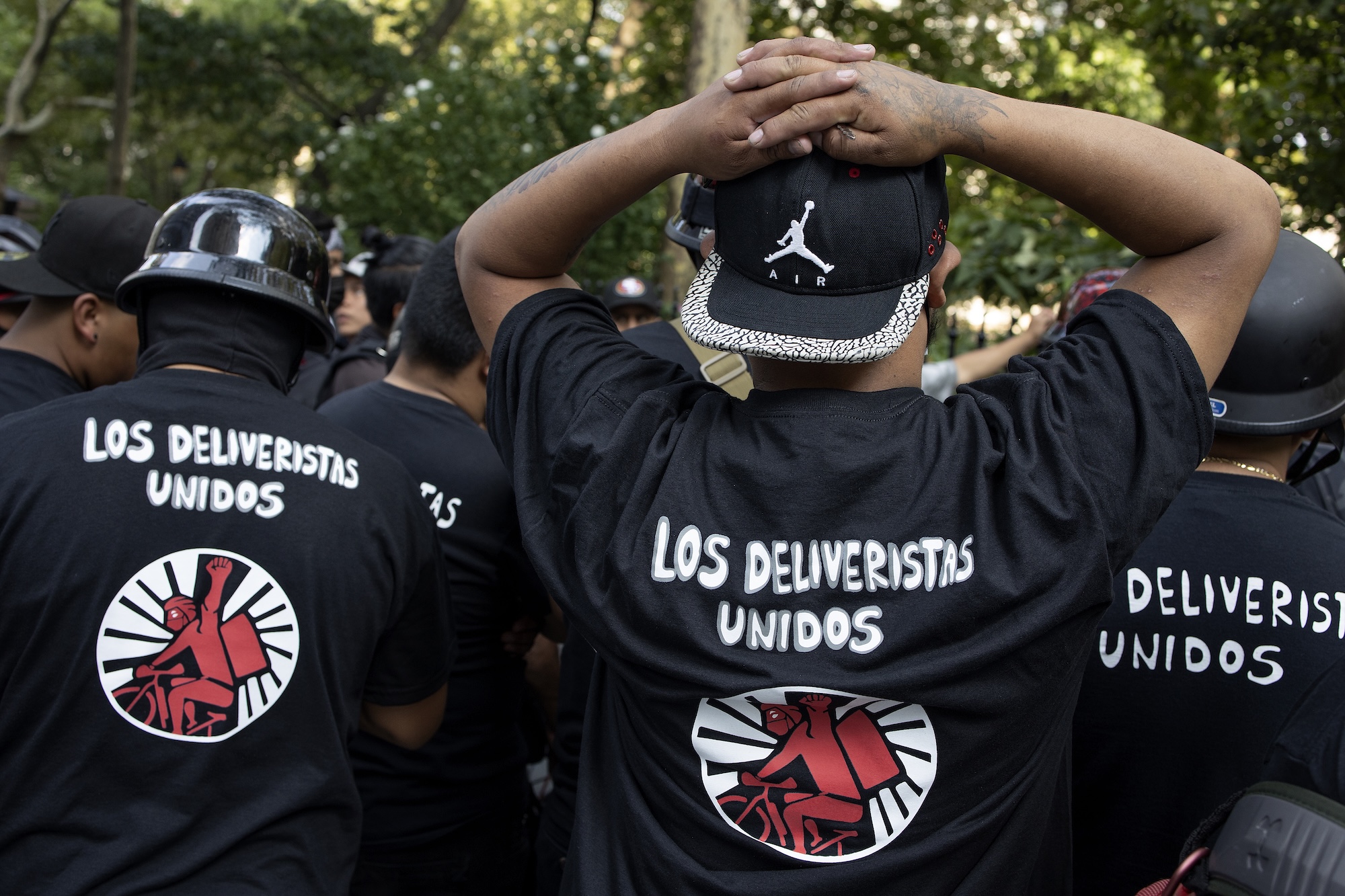
The organization Los Deliveristas Unidos has emerged as a powerful force in advocating for these workers. Since its inception, the group has secured several historic victories, including a 2021 minimum wage law that raised pay for app-based workers to at least $19.56 per hour before tips. Furthermore, in January 2026, the city enacted a deactivation protection bill, requiring companies to provide 72 hours’ notice before closing a worker’s account and ensuring a right to investigation.
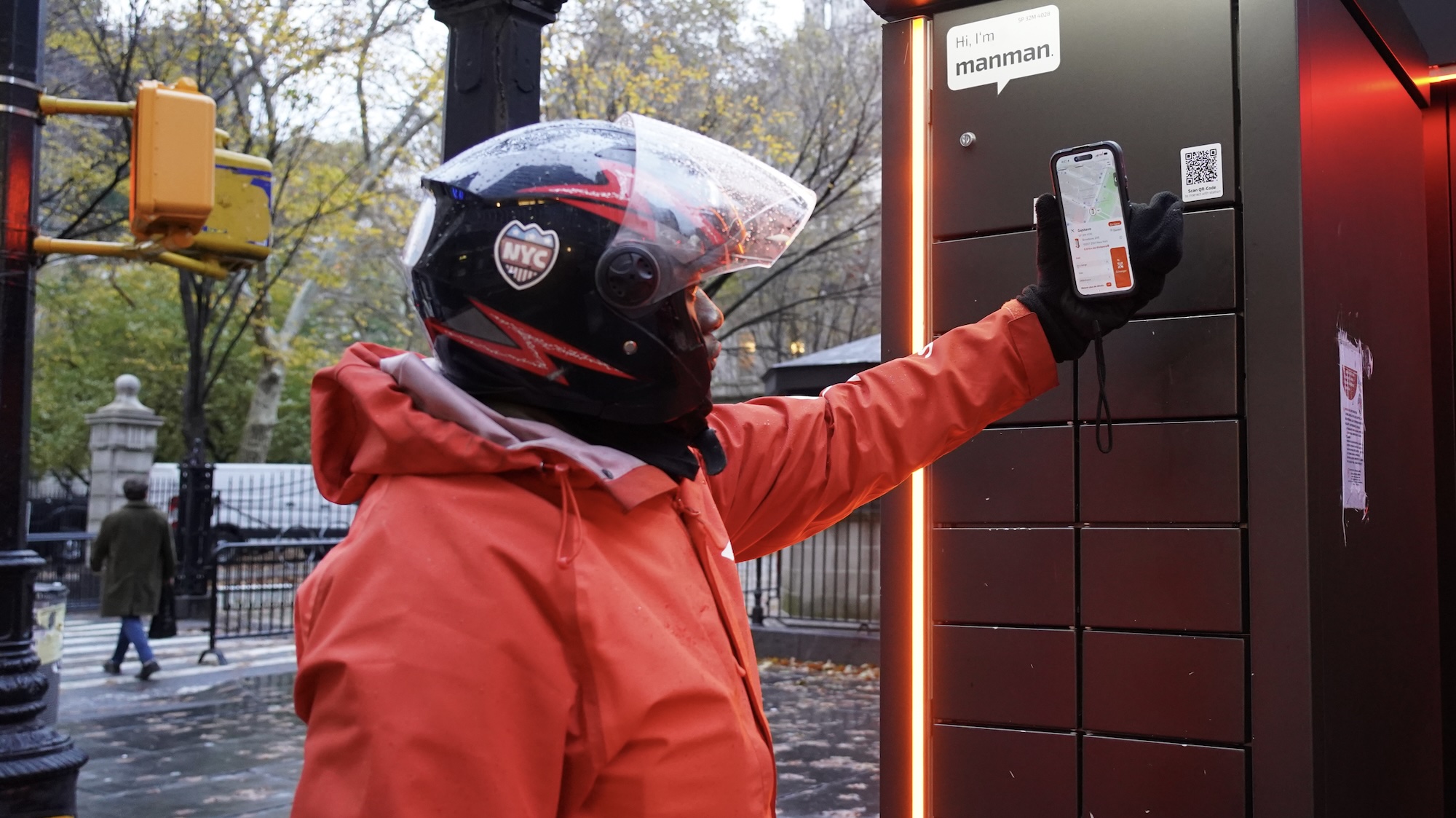
Despite these legal gains, the daily reality remains dangerous. The push for dedicated "rest stops" for delivery workers has faced significant hurdles. Although $1 million in funding was announced in 2022 to convert unused newsstands into hubs, bureaucratic delays and community opposition have slowed progress. Even when hubs have opened—such as the first facility in April 2026—they have been plagued by technical issues, including delays in connecting to the electrical grid.
Industry Responses to Climate Safety
The major delivery platforms have faced growing pressure to account for these environmental risks. DoorDash, in a statement, highlighted its "Severe Weather Protocol," which monitors local conditions and provides safety guidance to its workers, noting that they have the capacity to temporarily suspend operations in extreme cases. Uber Eats, while declining to comment on specific policy shifts, pointed to its partnership with the Governors Highway Safety Association to distribute safety gear, such as helmets and reflective vests, as required by city law.
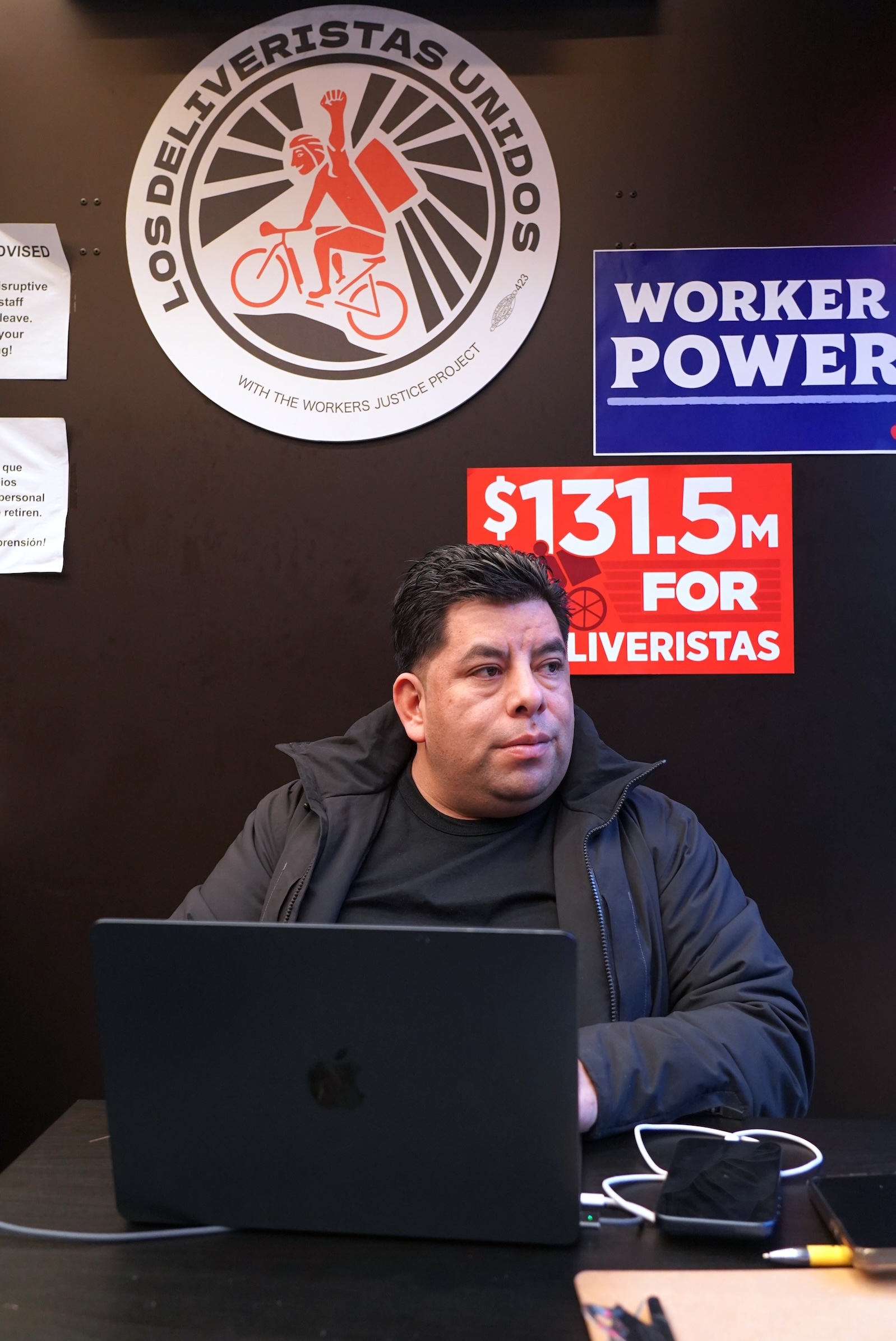
However, advocates argue that these measures are insufficient. Ligia Guallpa, executive director of the Worker’s Justice Project, emphasizes that delivery workers function as "essential responders" during emergencies, delivering medicine and food when the rest of the city is told to stay inside. She argues that the platforms must be held accountable for providing not just safety gear, but hazard pay and genuine flexibility that does not penalize workers for slowing down during dangerous weather.
The Path Forward: Climate Adaptation and Infrastructure
The current legislative landscape reflects a growing recognition of the need for structural change. City Council Member Harvey Epstein has introduced a bill that would mandate that delivery apps provide infrastructure such as secure e-bike charging stations and bathroom access, framing this as a matter of both labor rights and neighborhood safety.
The broader implications of this issue are significant for urban planning. As New York City continues to invest in sewer upgrades—most notably the $108 million allocated by the current administration to improve catch basins and drainage—the focus remains on how these physical improvements intersect with the needs of the most vulnerable road users.
Ultimately, the struggle of workers like Yos, Tripathi, and Ndiaye serves as a barometer for how a city adapts to a changing planet. Whether they are officially classified as "climate migrants" or simply as labor migrants, the reality of their existence is clear: they are the backbone of the convenience economy, bearing the physical and economic brunt of the climate crisis in real-time. As city officials consider new policies, the demand from groups like Los Deliveristas Unidos remains consistent: delivery workers must have a seat at the table in all future climate adaptation plans.
The connection between the weather and the gig economy is no longer a fringe issue; it is a central component of how the city functions. As New York faces more volatile seasons, the ability of its delivery workforce to remain safe and solvent will be a critical measure of the city’s resilience in the face of an uncertain environmental future. The call for systemic change is not just about labor rights—it is about ensuring that the people who keep the city running are not left behind as the climate shifts beneath them.