Essential oils how to get started – Essential oils: how to get started is a question that often arises as people seek natural ways to enhance their well-being. These concentrated plant extracts offer a wide range of potential benefits, from promoting relaxation to supporting immune function. But navigating the world of essential oils can feel overwhelming for beginners.
This guide provides a comprehensive introduction to essential oils, covering everything from basic concepts to practical applications and safety considerations.
Whether you’re intrigued by the calming aroma of lavender or the invigorating scent of citrus, this guide will empower you to confidently explore the world of essential oils and discover their potential to enhance your life.
Understanding Essential Oils: Essential Oils How To Get Started
Essential oils are concentrated, aromatic compounds extracted from plants. They are known for their therapeutic benefits and have been used for centuries in traditional medicine and aromatherapy. These oils capture the essence of the plant, containing volatile compounds that give each oil its unique fragrance and properties.
Extraction Methods
Essential oils are extracted from various parts of plants, including flowers, leaves, roots, bark, and seeds. Different methods are used depending on the plant material and the desired outcome.
Getting started with essential oils can feel overwhelming, but it doesn’t have to be! Start with a few basic oils like lavender for relaxation or tea tree for its antimicrobial properties. And while you’re exploring, don’t forget to check out some cute animal wrapping paper ideas here for a fun touch when you’re gifting your essential oil creations! Once you’ve got the basics down, you can experiment with blends and discover what works best for you.
- Steam Distillation: This is the most common method, where steam is passed through plant material, carrying the volatile oils into a condenser. The condensed liquid is then separated into oil and water.
- Expression: This method is used for citrus fruits, where the oil is extracted by pressing the rind.
- Solvent Extraction: This method uses a solvent to dissolve the essential oils from the plant material. The solvent is then evaporated, leaving behind the oil.
- Enfleurage: This traditional method uses animal fat to absorb the fragrance of flowers. The fat is then washed with alcohol to extract the essential oil.
Chemical Composition
Essential oils are complex mixtures of hundreds of different chemical compounds, including terpenes, esters, aldehydes, ketones, and phenols. The specific composition of an oil determines its aroma, therapeutic properties, and potential benefits.
Each essential oil has a unique chemical profile, contributing to its distinctive scent and therapeutic properties.
Potential Benefits
Essential oils have been associated with a range of potential health benefits, including:
- Stress Relief: Lavender and chamomile are often used to promote relaxation and reduce anxiety.
- Pain Management: Peppermint and eucalyptus can help alleviate headaches and muscle pain.
- Improved Sleep: Lavender and valerian are known for their calming effects and can aid in promoting restful sleep.
- Skin Care: Tea tree oil is known for its antibacterial and antifungal properties, making it effective for treating acne and other skin conditions.
Potential Risks
While essential oils offer potential benefits, it is important to be aware of potential risks:
- Skin Irritations: Some essential oils can cause skin irritation, redness, or allergic reactions. It is essential to dilute oils before applying them to the skin.
- Interactions with Medications: Essential oils can interact with certain medications. Consult a healthcare professional before using essential oils if you are taking any medications.
- Ingestion: Ingesting essential oils can be dangerous and should be avoided.
Essential Oil Categories
Essential oils are categorized based on their botanical origin and aroma profiles.
- Floral: Rose, jasmine, lavender, geranium. These oils often have calming and relaxing properties.
- Citrus: Lemon, orange, grapefruit, bergamot. Citrus oils are known for their uplifting and energizing effects.
- Woody: Sandalwood, cedarwood, vetiver. Woody oils are grounding and calming, often used in aromatherapy blends.
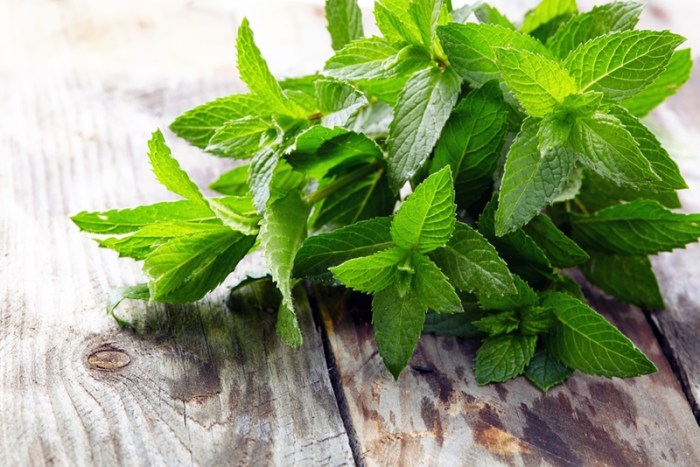
- Herbal: Peppermint, eucalyptus, rosemary. Herbal oils have a range of benefits, including pain relief, respiratory support, and cognitive enhancement.
Getting Started with Essential Oils
Essential oils, extracted from plants, offer a natural way to enhance your well-being. But navigating the world of essential oils can feel overwhelming, especially for beginners. This guide will walk you through the essentials of choosing, using, and sourcing high-quality essential oils.
Choosing the Right Essential Oils
Selecting the right essential oils for your needs is crucial. Consider your goals, preferences, and potential sensitivities.
Essential oils are a great way to add a touch of aromatherapy to your home, but it can be overwhelming to know where to start. One of the best ways to learn about essential oils is to experiment with them in DIY projects.
For example, you could add a few drops of lavender oil to your next batch of DIY splatter painted concrete sphere bookends for a calming scent. As you explore different essential oils, you’ll find new ways to incorporate them into your life, from diffusing them in your home to using them in homemade bath bombs.
- Start with a few versatile oils:Lavender, tea tree, and peppermint are excellent choices for beginners due to their wide range of uses and mild nature.
- Research individual oils:Each essential oil has unique properties and benefits. For example, lavender is known for its calming effects, while peppermint can help with headaches and digestion.
- Consider your skin type:Some oils, like citrus oils, can be photosensitive. Choose oils suitable for your skin type, especially if you have sensitive skin.
- Look for therapeutic grade oils:This ensures the oil is pure and free from adulterants, guaranteeing its efficacy and safety.
Essential Equipment for Safe and Effective Use
Having the right equipment ensures you use essential oils safely and effectively.
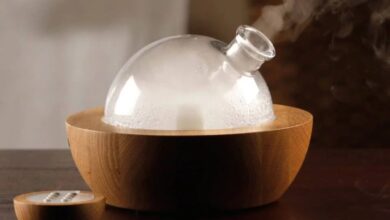
- Diffuser:Diffusers disperse essential oil molecules into the air, creating a pleasant aroma and promoting relaxation. Popular types include ultrasonic diffusers, nebulizing diffusers, and essential oil diffusing jewelry.
- Carrier oil:Essential oils are highly concentrated and should be diluted with a carrier oil before topical application. Popular carrier oils include coconut oil, almond oil, and jojoba oil.
- Dropper bottles:These allow for precise measurement of essential oils, ensuring accurate dilution.
- Glass storage bottles:Store essential oils in dark glass bottles to protect them from light and heat degradation.
Reputable Sources for High-Quality Essential Oils
Purchasing essential oils from reputable sources is essential for safety and efficacy.
- Look for third-party certifications:Certifications from organizations like the National Association for Holistic Aromatherapy (NAHA) or the Essential Oil Association (EOA) indicate quality and purity.
- Research the company:Check the company’s website and read reviews to assess their reputation and commitment to quality.
- Consider sourcing locally:Supporting local businesses that specialize in essential oils can ensure you’re getting high-quality products.
- Avoid buying from unknown sources:Be cautious of online retailers or street vendors that lack transparency about their sourcing and production practices.
Essential Oil Applications
Essential oils can be used in a variety of ways to promote health and well-being. The most common methods include aromatherapy, topical application, and ingestion. However, it’s important to use essential oils safely and responsibly, as some oils can be toxic if not used properly.
Getting started with essential oils can be a bit overwhelming, but it doesn’t have to be! One great place to start is by understanding how essential oils can support your overall well-being. This is where learning about adaptogenic herbs, like those described in this article what are adaptogenic herbs , can be incredibly helpful.
Adaptogens help your body adapt to stress, and some essential oils, like lavender and chamomile, are known for their calming and relaxing properties, which can be beneficial for managing stress. So, as you explore the world of essential oils, remember to consider the power of adaptogens and how they can work in harmony with your chosen oils.
Aromatherapy
Aromatherapy involves inhaling essential oils to promote relaxation, reduce stress, and improve mood. The scent of essential oils can stimulate the olfactory bulb, which is located in the brain and is responsible for processing smells. This stimulation can trigger the release of hormones that can affect mood, emotions, and physical health.
Aromatherapy can be practiced in several ways, including:
- Diffusing:Essential oils can be diffused into the air using a diffuser. Diffusers work by breaking down essential oils into tiny particles that are then dispersed into the air.
- Inhalation:You can also inhale essential oils directly from the bottle or by adding a few drops to a bowl of hot water and inhaling the steam.
- Massage:Some essential oils can be added to carrier oils, such as almond oil or coconut oil, and then used for massage.
Topical Application
Topical application involves applying essential oils directly to the skin. Essential oils can be absorbed through the skin and can have a variety of effects, such as reducing inflammation, relieving pain, and promoting healing.When applying essential oils topically, it is important to dilute them in a carrier oil.
Carrier oils help to dilute the essential oils and prevent skin irritation. Some common carrier oils include:
- Almond oil
- Coconut oil
- Jojoba oil
- Olive oil
It is also important to perform a patch test before applying essential oils to a large area of skin. To perform a patch test, apply a small amount of diluted essential oil to the inside of your elbow and wait 24 hours to see if any irritation develops.
Ingestion
Ingestion involves taking essential oils orally. However, it is important to note that ingesting essential oils is not recommended for everyone, and it is always best to consult with a qualified healthcare professional before doing so.Some essential oils can be toxic if ingested, and it is important to use only high-quality, therapeutic-grade oils that are specifically designed for ingestion.
It is also important to use the correct dosage, as too much can be harmful.
Common Essential Oil Blends
| Purpose | Essential Oil Blend |
|---|---|
| Relaxation | Lavender, chamomile, bergamot |
| Energy Boost | Peppermint, rosemary, lemon |
| Pain Relief | Eucalyptus, tea tree, ginger |
| Sleep Support | Lavender, chamomile, valerian |
Essential Oil Safety
Essential oils are powerful substances that can offer various benefits for your health and well-being. However, it’s crucial to use them responsibly and safely to avoid potential side effects or complications. This section will delve into the important aspects of essential oil safety, providing guidance on proper handling, dilution, and contraindications.
Potential Side Effects and Contraindications, Essential oils how to get started
Essential oils are highly concentrated and can interact with your body in various ways. While many people experience positive effects, some may encounter side effects, especially when used incorrectly. It’s important to be aware of these potential issues and take precautions to minimize risks.
- Skin irritation:Some essential oils can cause skin irritation, especially if applied undiluted. This can manifest as redness, itching, burning, or a rash. Sensitive individuals may experience stronger reactions.
- Allergic reactions:Allergic reactions to essential oils are possible, ranging from mild symptoms like sneezing or watery eyes to more severe reactions like hives or difficulty breathing.
- Interactions with medications:Certain essential oils can interact with medications, potentially altering their effectiveness or increasing the risk of side effects. It’s crucial to consult with your healthcare provider before using essential oils if you are taking any medications.
- Pregnancy and breastfeeding:Some essential oils are not recommended during pregnancy or breastfeeding due to potential risks to the mother or fetus. It’s essential to consult with your healthcare provider for guidance on safe essential oil use during these periods.
- Children and pets:Essential oils should be used with caution around children and pets. Some oils can be toxic to pets, and young children may be more susceptible to adverse effects.
Safe Storage and Handling
Proper storage and handling of essential oils are crucial for maintaining their quality and preventing potential hazards.
- Store in a cool, dark place:Essential oils should be stored in a cool, dark place, away from direct sunlight and heat. High temperatures and exposure to light can degrade the quality of the oils.
- Keep out of reach of children and pets:Always keep essential oils out of reach of children and pets. They can be toxic if ingested or applied directly to the skin.
- Use airtight containers:Store essential oils in airtight containers to prevent evaporation and contamination.
- Label clearly:Label all essential oil bottles clearly with the name of the oil, the date of purchase, and any relevant safety information.
Diluting Essential Oils
Dilution is a crucial step in essential oil safety, especially when applying them topically. It helps reduce the concentration of the oil, minimizing the risk of irritation or adverse reactions.
General Dilution Guidelines:For topical application, essential oils should generally be diluted in a carrier oil like almond oil, jojoba oil, or coconut oil. For adults:A typical dilution ratio is 1-2% (1-2 drops of essential oil per 1 teaspoon of carrier oil). For children:A dilution ratio of 0.5-1% (0.5-1 drop of essential oil per 1 teaspoon of carrier oil) is generally recommended.
- Always perform a patch test:Before applying a diluted essential oil to a larger area of skin, perform a patch test on a small area to check for any sensitivity or allergic reactions.
- Start with a lower dilution:If you are unsure about the appropriate dilution ratio, start with a lower concentration and gradually increase it as needed.
- Avoid sensitive areas:Avoid applying essential oils directly to sensitive areas like the eyes, nose, or mouth.
Essential Oil Recipes
Essential oil recipes offer a wonderful way to harness the therapeutic benefits of these concentrated plant extracts. From promoting relaxation to supporting immunity, these blends can be tailored to address a variety of needs.
Essential Oil Blends for Specific Ailments
Essential oil blends can be effective in addressing various ailments. The following table showcases some popular blends for common conditions:
| Ailment | Essential Oil Blend | Instructions |
|---|---|---|
| Headache | 3 drops Lavender, 2 drops Peppermint, 1 drop Eucalyptus | Dilute 2-3 drops of the blend in 1 teaspoon of carrier oil. Apply topically to temples and forehead. |
| Insomnia | 2 drops Lavender, 1 drop Roman Chamomile, 1 drop Cedarwood | Add 3-4 drops of the blend to a diffuser or add a few drops to a warm bath. |
| Anxiety | 2 drops Bergamot, 2 drops Frankincense, 1 drop Ylang Ylang | Diffuse the blend or add 1-2 drops to a carrier oil and apply to wrists and temples. |
Essential Oil Recipes for Everyday Use
Essential oils can be incorporated into various aspects of daily life. Here are some simple and effective recipes for common uses:
Diffuser Blends
Diffusing essential oils is a popular way to create a calming and aromatic environment.
- Uplifting Blend:3 drops Orange, 2 drops Grapefruit, 1 drop Lemon
- Relaxing Blend:2 drops Lavender, 2 drops Roman Chamomile, 1 drop Sandalwood
- Focus Blend:2 drops Rosemary, 1 drop Peppermint, 1 drop Lemon
Massage Blends
Essential oil massage blends can provide a sense of relaxation and well-being.
- Muscle Soreness Blend:3 drops Eucalyptus, 2 drops Rosemary, 1 drop Ginger
- Stress Relief Blend:2 drops Lavender, 2 drops Frankincense, 1 drop Geranium
- Circulation Blend:2 drops Cypress, 2 drops Juniper Berry, 1 drop Lemon
Skincare Blends
Essential oils can be used to create customized skincare blends.
- Acne Blend:1 drop Tea Tree, 1 drop Lavender, 1 drop Frankincense
- Anti-Aging Blend:1 drop Frankincense, 1 drop Rose, 1 drop Geranium
- Moisturizing Blend:2 drops Lavender, 1 drop Rose, 1 drop Jojoba Oil
Note:Always dilute essential oils in a carrier oil before applying topically. Carrier oils such as jojoba oil, coconut oil, or almond oil help to dilute the essential oils and prevent irritation.