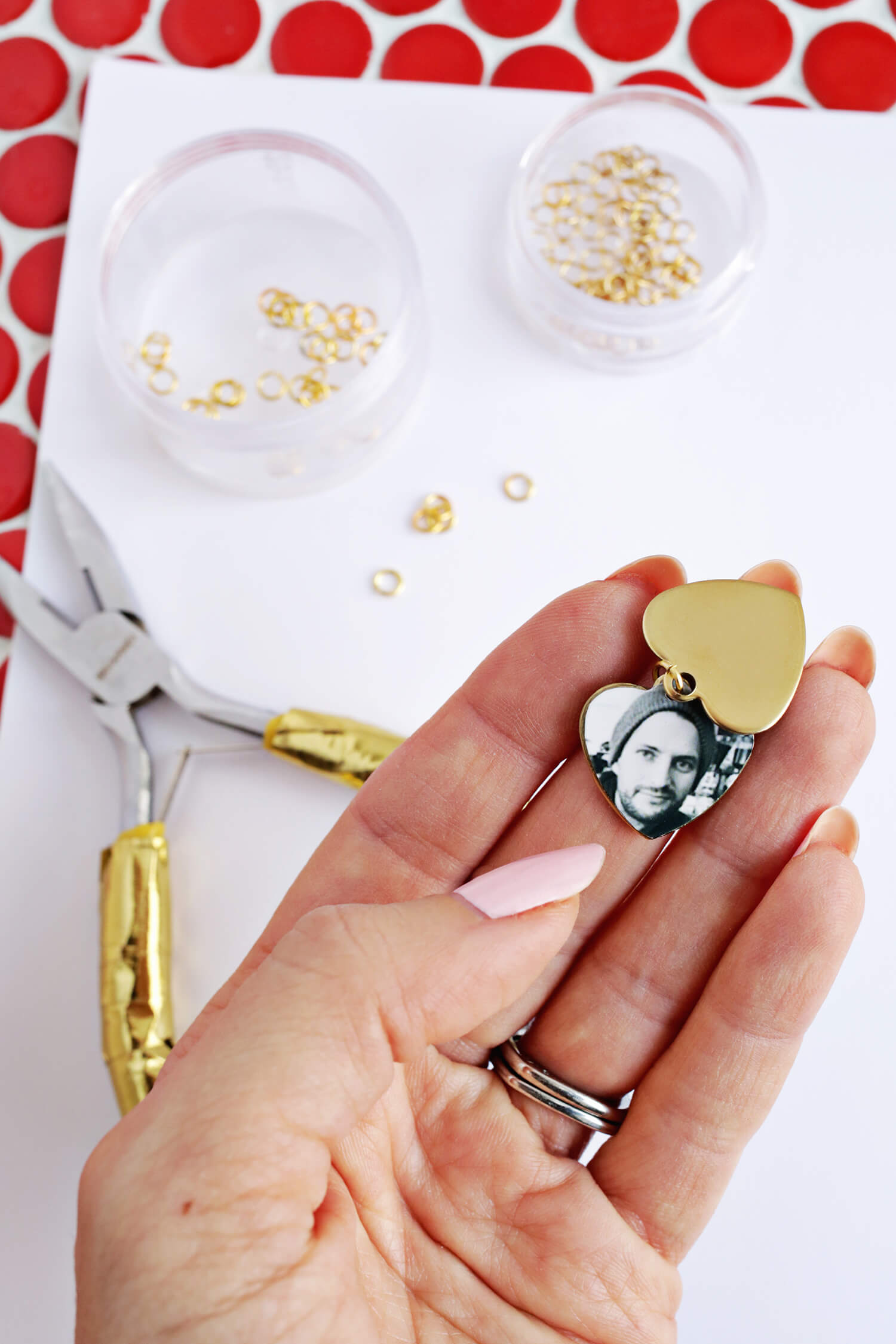

DIY Swinging Heart Photo Locket: A Comprehensive Guide to Crafting Your Own Keepsake
Creating a DIY swinging heart photo locket offers a deeply personal and rewarding crafting experience. This guide provides a comprehensive, SEO-friendly approach, detailing every step from material selection to finishing touches, ensuring you can produce a beautiful and functional locket. The swinging heart element adds a dynamic and sentimental touch, allowing the enclosed photos to be revealed with a gentle sway. This project is ideal for those seeking unique handmade gifts, personalized jewelry, or a creative outlet for memorializing special memories.
The core components of a swinging heart photo locket are a locket base, a swinging heart charm or mechanism, and photo inserts. For the locket base, consider materials like brass, sterling silver, or even high-quality stainless steel. Vintage or antique lockets can be a fantastic starting point, often featuring intricate designs that lend themselves well to customization. Alternatively, pre-made locket blanks are readily available online and at craft stores, providing a clean slate for your design. The key is to select a locket that is large enough to accommodate two small photos and has a sturdy bail or loop for attaching the swinging heart. If you are working with a locket that doesn’t already have a way to attach a charm, you might need to drill a small hole or use a strong adhesive specifically designed for metal.
The swinging heart mechanism is what defines this locket. You can purchase pre-made swinging heart charms that have a loop for attachment. These often come with a small jump ring or clasp. Another option is to create your own swinging element by attaching a heart-shaped charm to a small length of chain or a decorative wire, which is then affixed to the locket. The heart charm itself can be made from metal, resin, wood, or even be a stamped metal piece. The size of the heart should be proportionate to the locket, ensuring it doesn’t overwhelm the piece but is noticeable. For a truly custom look, consider stamping initials, dates, or tiny symbols onto the heart charm. Metal stamping kits are widely available and relatively easy to use with a little practice.
Photo preparation is a crucial step for ensuring your locket tells a story. The photos need to be significantly smaller than the locket’s interior. You’ll typically need to print your chosen images on high-quality photo paper and then carefully cut them to fit the locket’s compartments. A good technique is to trace the inside of the locket onto a piece of paper and then cut out templates for your photos. If your locket has recessed areas for photos, ensure your cutouts fit snugly within these. For added longevity and a polished look, consider sealing your photos. A clear, waterproof sealant like Mod Podge Photo Transfer Medium or a spray sealant designed for photos can protect them from moisture and fading. You can also choose to laminate your photos, though this can add bulk. Some crafters prefer to use digital images printed on transfer paper that adheres directly to a metal surface, offering a seamless and permanent solution, but this requires specialized paper and a printer.
Adhering the photos within the locket requires a delicate touch. A small amount of clear craft glue, such as E6000 or a jewelry-specific adhesive, works well. Apply a thin, even layer to the locket’s photo compartment and carefully press the photo into place. Use tweezers for precision. Avoid using too much glue, as it can seep over the edges and create an unsightly mess. If you’ve chosen to seal your photos with Mod Podge, allow them to dry completely before gluing them into the locket. For a truly professional finish, you can consider adding a clear resin dome over the photos once they are glued in place. This adds a protective and glossy layer, giving the locket a high-end appearance. Resin application requires careful mixing and pouring, and working in a well-ventilated area is essential.
The assembly of the swinging heart mechanism is the next critical step. If you’ve purchased a pre-made swinging heart charm, it will likely come with a jump ring or a small clasp. Open the jump ring carefully using two pairs of jewelry pliers (one to hold the ring, the other to twist it open). Attach the jump ring to the bail or loop on your locket. Then, attach the swinging heart charm to the jump ring. If you’re creating your own swinging heart element, you’ll need to connect your heart charm to a small piece of chain or wire. Attach one end of the chain/wire to the heart charm and the other end to a jump ring, which will then be attached to the locket’s bail. Ensure the length of the chain/wire is sufficient for the heart to swing freely but not so long that it dangles excessively. The connection to the locket needs to be secure. A well-closed jump ring is vital.
For a more integrated swinging heart design, you can create a hinged mechanism directly onto the locket. This is a more advanced technique. It involves creating a small hinge from wire or thin metal strips and soldering or securely attaching it to the locket and a heart-shaped piece. This allows the heart to pivot from a fixed point on the locket. This method requires more specialized tools and skills, including soldering equipment and metalworking knowledge. However, the result is a more robust and aesthetically seamless swinging heart locket.
Adding embellishments can elevate your DIY swinging heart photo locket from simple to stunning. Consider using small gemstones, seed beads, or tiny charms to decorate the exterior of the locket or the swinging heart itself. A bezel-set gemstone on the front of the locket or a tiny charm hanging alongside the heart can add sparkle and personality. For a vintage feel, you can use filigree elements or tiny pearls. If you’re working with a metal locket, you can also explore metal etching or engraving for personalized designs. For painted elements, use acrylic paints designed for metal or glass, followed by a clear sealant to prevent chipping. Enameling is another technique that can add vibrant color and a durable finish to metal lockets, though it requires specialized kilns and materials.
Chain selection is essential for the overall look and wearability of your locket. The chain should complement the locket’s style and weight. For heavier lockets, a sturdier chain, such as a curb chain or a box chain, is recommended. For lighter lockets, a more delicate chain like a cable chain or a snake chain can be suitable. The length of the chain is also a personal preference. Shorter chains sit higher on the neck, while longer chains create a more dramatic statement. Ensure the clasp on the chain is secure and easy to operate. Lobster clasps and spring ring clasps are common and reliable choices.
The process of sealing and protecting your finished locket is important for its longevity. Once all components are assembled and any embellishments are in place, consider applying a clear jewelry sealant to the entire piece. This can protect the metal from tarnishing, prevent decorative elements from falling off, and give the locket a uniform sheen. For lockets with painted or enameled elements, a sealant is particularly important to prevent wear and tear. When using spray sealants, ensure you are in a well-ventilated area and apply thin, even coats.
For SEO purposes, it’s important to use relevant keywords throughout the article. Incorporate terms such as "DIY photo locket," "swinging heart locket," "handmade jewelry," "personalized locket," "crafting tutorial," "jewelry making," "memorial locket," "keepsake jewelry," "vintage locket DIY," "customizable locket," and "photo jewelry." Using these terms naturally within the content will improve search engine visibility.
Consider the types of lockets and hearts that can be used. For instance, "DIY brass swinging heart locket" or "DIY sterling silver photo locket with heart charm" can attract specific searches. Discussing different types of photos, like "DIY vintage photo locket" or "DIY modern photo locket," also broadens the appeal.
The appeal of a swinging heart photo locket lies in its emotional significance. It’s more than just an accessory; it’s a vessel for memories. The act of creating it yourself amplifies this sentiment. This guide emphasizes personalization at every stage, from choosing the photos to selecting the embellishments. The swinging heart element adds an interactive and enchanting quality, making it a captivating piece of wearable art.
When explaining the photo insertion process, detail the importance of precise cutting and proper adhesive. Highlight methods that ensure photos remain flat and protected. Mentioning different locket styles, such as oval, round, or heart-shaped lockets, can cater to a wider audience. Similarly, the swinging heart can be a classic heart shape, a more stylized heart, or even a double heart design.
The project can be adapted for various skill levels. While basic assembly is straightforward, advanced techniques like metal stamping, resin casting, and soldering offer opportunities for seasoned crafters to push their creative boundaries. Each level of complexity can be addressed within the comprehensive guide. For example, a beginner might focus on assembling a pre-made locket with a purchased charm, while an intermediate crafter could try metal stamping the heart charm. An advanced crafter might even attempt to fashion the locket base and swinging mechanism from scratch.
The SEO strategy also involves breaking down the information into digestible sections with clear headings. This improves readability and allows search engines to better understand the content’s structure. Headings like "Choosing Your Locket Base," "Selecting the Swinging Heart Charm," "Preparing Your Photos," "Assembling the Locket," and "Finishing Touches" will guide readers and enhance keyword integration.
The emotional impact of a swinging heart photo locket is significant, making it a popular choice for gifts commemorating anniversaries, birthdays, or as memorial jewelry. The DIY aspect allows for unparalleled personalization, making the gift even more meaningful. This guide empowers individuals to create such heartfelt treasures, providing them with the knowledge and techniques to bring their vision to life. The emphasis on personal touches, from photo selection to unique embellishments, ensures that each locket created is a one-of-a-kind piece, imbued with the love and care of its maker. The swinging heart adds a playful yet poignant dimension, inviting the wearer to engage with their memories in a tangible and beautiful way. The process itself is a journey of creativity and sentiment, culminating in a cherished heirloom.
