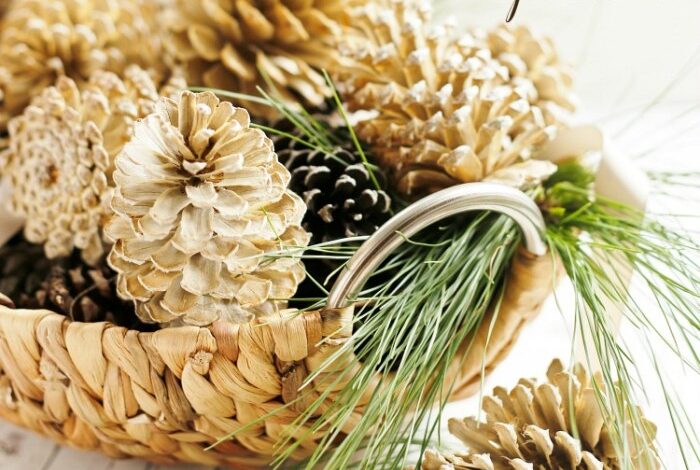
How to bleach pinecones is a question many crafters ask, seeking to transform these natural treasures into a blank canvas for their creative visions. Bleaching pinecones unveils their intricate textures and subtle beauty, lending a touch of elegance to various crafts and decorations.
Whether you’re envisioning a rustic winter wreath, a whimsical centerpiece, or unique ornaments, bleached pinecones offer a versatile element that can elevate your projects.
The process of bleaching pinecones involves a few simple steps, but it’s crucial to understand the different methods and safety precautions. This guide will walk you through everything you need to know, from selecting the right pinecones to achieving the desired whiteness and finishing them for lasting beauty.
Why Bleach Pinecones?
The transformation of natural pinecones into pristine white versions is a popular practice among crafters and home decorators. This process, known as bleaching, brings out the unique beauty of the pinecone’s intricate details and creates a versatile element for various decorative purposes.
Aesthetic Appeal
Bleached pinecones offer a distinct visual appeal, providing a clean and elegant look that complements a wide range of design styles. The stark white color contrasts beautifully with natural textures and colors, adding a touch of sophistication to any space.
Bleached pinecones can be used to create a minimalist, Scandinavian, or farmhouse aesthetic, depending on the overall design scheme. The bleached pinecones’ smooth surface also allows for easy customization with paint, glitter, or other embellishments.
Bleaching pinecones is a fun and easy way to give them a fresh, white look for crafts or decor. Just like achieving the perfect cat eye eyeliner requires a steady hand and the right technique, bleaching pinecones takes a bit of patience and attention to detail.
If you’re looking for tips on achieving that perfect winged liner, check out this helpful guide on perfect cat eye eyeliner tricks. Once your pinecones are bleached, you can use them in a variety of creative projects, from festive wreaths to rustic centerpieces.
Uses in Crafts and Decorations
Bleached pinecones are highly versatile and can be incorporated into various crafts and decorations.
- Wreaths and Garlands:Bleached pinecones are a popular element in wreaths and garlands, adding a natural touch and a touch of elegance. They can be combined with other natural elements like evergreen branches, berries, and ribbon for a festive and welcoming ambiance.
- Centerpieces and Table Decorations:Bleached pinecones can be used to create eye-catching centerpieces for dining tables, coffee tables, or mantles. They can be arranged in bowls, vases, or scattered on tablecloths, adding a rustic yet sophisticated touch to any setting.
- Christmas Decorations:Bleached pinecones are a classic Christmas decoration, often used to adorn Christmas trees, wreaths, and table settings. They can be painted in festive colors, adorned with glitter, or left in their natural white state for a minimalist and elegant look.
- Wedding Decorations:Bleached pinecones can add a touch of rustic charm to wedding decorations. They can be used in centerpieces, bouquets, or scattered on tables to create a natural and elegant ambiance.
- Home Decor:Bleached pinecones can be incorporated into various home decor projects, such as creating decorative bowls, ornaments, or even candle holders. They can be used to add a natural touch to any room, creating a cozy and inviting atmosphere.
Choosing the Right Pinecones
Selecting the right pinecones is crucial for successful bleaching. The quality of the pinecones will directly impact the final look and longevity of your bleached creations. Here’s a guide to help you choose the best pinecones for bleaching.
Pinecone Characteristics
The ideal pinecones for bleaching are those that are fresh, closed, and free from any damage or infestation. Fresh pinecones are more receptive to bleaching and will retain their shape and texture better. Closed pinecones are essential because they will open up during the bleaching process, revealing their intricate details.
- Freshness:Choose pinecones that have recently fallen from the tree. They should be firm to the touch and have a natural, vibrant color. Avoid pinecones that are dry, brittle, or have a dull appearance. Fresh pinecones are more receptive to bleaching and will retain their shape and texture better.
- Closed:Closed pinecones are essential because they will open up during the bleaching process, revealing their intricate details. Look for pinecones that are tightly closed with scales that are not yet fully extended.
- Condition:Examine the pinecones for any signs of damage, such as cracks, holes, or insect infestations. Discard any pinecones that show signs of damage or infestation.
Types of Pinecones
Different types of pinecones have varying suitability for bleaching. Some types of pinecones are known for their unique shapes and textures, while others may be more prone to cracking or warping during the bleaching process.
- Eastern White Pine:These pinecones are a popular choice for bleaching due to their symmetrical shape and smooth, delicate scales. They are also relatively resistant to cracking and warping.
- Loblolly Pine:Loblolly pine cones are known for their larger size and more robust scales. They are also more likely to crack or warp during the bleaching process.
- Sugar Pine:These pinecones are prized for their large size and distinctive, elongated scales. They are also more susceptible to cracking and warping during bleaching.
Storage
Proper storage of your pinecones before bleaching is crucial to maintain their quality. Store pinecones in a cool, dry place, away from direct sunlight. Avoid storing pinecones in plastic bags or containers, as this can cause them to become moldy.
Bleaching Methods
Bleaching pinecones is a fun and creative way to give them a new look. It allows you to use them in various craft projects and decorations, making them more versatile and visually appealing. There are different methods you can use to bleach pinecones, each with its own pros and cons.
Chlorine Bleach Method
The chlorine bleach method is the most common and effective way to bleach pinecones. Chlorine bleach is a strong chemical that can effectively remove the natural color of the pinecones, leaving them white or a very light shade. However, it’s important to take necessary precautions when using chlorine bleach, as it can be harmful if not handled properly.
Pros:
- Highly effective in removing color.
- Relatively inexpensive.
- Widely available.
Cons:
- Can be harmful if not handled properly.
- Strong odor.
- Can damage the pinecones if used for too long.
Step-by-Step Guide:
- Gather your materials:You’ll need pinecones, a large container, chlorine bleach, water, rubber gloves, and a face mask.
- Prepare the bleach solution:In the container, mix equal parts chlorine bleach and water. The amount of solution will depend on the size of the container and the number of pinecones you are bleaching.
- Submerge the pinecones:Place the pinecones in the bleach solution, ensuring they are fully submerged.
- Soak the pinecones:Let the pinecones soak in the bleach solution for several hours or overnight. The soaking time will depend on the desired level of whiteness and the thickness of the pinecones. You may need to check them periodically to see if they have reached the desired level of whiteness.
- Rinse the pinecones:Once the pinecones have reached the desired level of whiteness, remove them from the bleach solution and rinse them thoroughly with clean water until all traces of bleach are gone. It’s important to wear gloves and a face mask during this step to avoid contact with the bleach solution.
Bleaching pinecones is a fun way to give them a rustic, farmhouse look. You can even use them to create a beautiful centerpiece! To add a little extra flair, try making your own vinyl decal for a mirror, like the ones you can find on this website.
Once your pinecones are bleached, you can arrange them around your mirror and enjoy the unique touch it adds to your home decor.
- Dry the pinecones:Spread the pinecones out on a clean surface or hang them to dry completely. You can use a fan or air dryer to speed up the drying process.
Natural Bleaching Methods
Natural bleaching methods offer a safer and more eco-friendly alternative to using chlorine bleach. These methods typically involve using natural ingredients like sunlight, hydrogen peroxide, or lemon juice to lighten the color of the pinecones. While they may take longer to achieve the desired results, they are a good option for those who prefer a gentler approach.
Pros:
- Safer and more eco-friendly.
- No harsh chemicals.
- Less odor.
Cons:
Sunlight Bleaching:
- Gather your materials:You’ll need pinecones and a sunny location.
- Prepare the pinecones:Wash the pinecones thoroughly with water to remove any dirt or debris.
- Expose the pinecones to sunlight:Spread the pinecones out in a sunny location, ensuring they are exposed to direct sunlight. It’s important to turn them periodically to ensure all sides are exposed to the sunlight. The bleaching process can take several days or weeks, depending on the intensity of the sunlight and the desired level of whiteness.
Hydrogen Peroxide Bleaching:
- Gather your materials:You’ll need pinecones, hydrogen peroxide (3% solution), a large container, and rubber gloves.
- Prepare the hydrogen peroxide solution:Fill the container with hydrogen peroxide, ensuring the pinecones will be fully submerged.
- Submerge the pinecones:Place the pinecones in the hydrogen peroxide solution, ensuring they are fully submerged.
- Soak the pinecones:Let the pinecones soak in the hydrogen peroxide solution for several hours or overnight. You may need to check them periodically to see if they have reached the desired level of whiteness.
- Rinse the pinecones:Once the pinecones have reached the desired level of whiteness, remove them from the hydrogen peroxide solution and rinse them thoroughly with clean water until all traces of hydrogen peroxide are gone.
- Dry the pinecones:Spread the pinecones out on a clean surface or hang them to dry completely.
Lemon Juice Bleaching:
- Gather your materials:You’ll need pinecones, lemon juice, a large container, and rubber gloves.
- Prepare the lemon juice solution:Fill the container with lemon juice, ensuring the pinecones will be fully submerged.
- Submerge the pinecones:Place the pinecones in the lemon juice solution, ensuring they are fully submerged.
- Soak the pinecones:Let the pinecones soak in the lemon juice solution for several hours or overnight. You may need to check them periodically to see if they have reached the desired level of whiteness.
- Rinse the pinecones:Once the pinecones have reached the desired level of whiteness, remove them from the lemon juice solution and rinse them thoroughly with clean water until all traces of lemon juice are gone.
- Dry the pinecones:Spread the pinecones out on a clean surface or hang them to dry completely.
Preparing Pinecones for Bleaching
Before you start bleaching your pinecones, it’s essential to clean them thoroughly. This ensures that the bleaching process is effective and that the final product is free of debris and insects.
Cleaning and Preparing Pinecones
Thoroughly cleaning pinecones before bleaching is crucial for achieving the desired results. It helps remove dirt, debris, and any insects that might be present. Here’s how to clean and prepare your pinecones:
Tools and Materials:
- A bucket or basin
- Warm water
- Mild dish soap
- A scrub brush or toothbrush
- A towel
- Optional: A garden hose with a spray nozzle
Cleaning Process:
- Remove Loose Debris:Begin by gently removing any loose debris, such as leaves, twigs, or pine needles, from the pinecones. You can do this by hand or by using a soft brush.
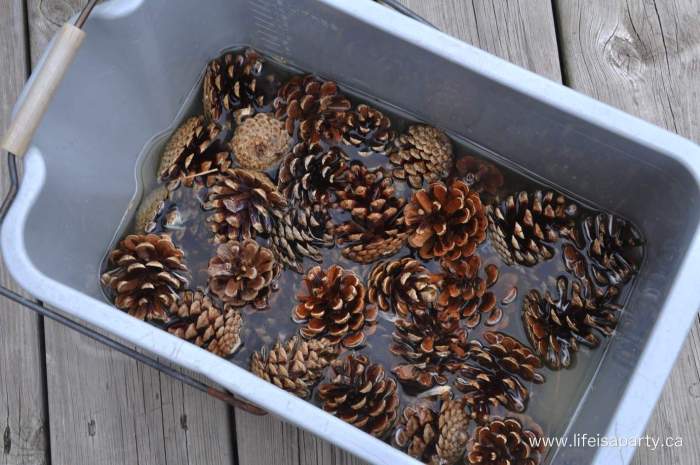
- Soak in Water:Fill a bucket or basin with warm water and add a few drops of mild dish soap. Submerge the pinecones in the soapy water and let them soak for at least 30 minutes. This will help loosen any remaining dirt and debris.
- Scrub and Rinse:After soaking, use a scrub brush or toothbrush to gently scrub the pinecones, focusing on any areas with stubborn dirt or debris. Rinse the pinecones thoroughly with clean water to remove any soap residue.
- Dry Thoroughly:Lay the pinecones on a towel or spread them out in a well-ventilated area to dry completely. Allow them to dry for at least 24 hours, or until they are completely dry to the touch.
- Remove Insects:If you notice any insects or larvae in the pinecones, you can use a small, sharp tool to carefully remove them. Alternatively, you can place the pinecones in a sealed container and freeze them for 24 hours, which will kill any insects present.
Remember to handle the pinecones gently during the cleaning process to avoid damaging them.
Bleaching Process: How To Bleach Pinecones
Bleaching pinecones is a simple process that involves immersing them in a bleach solution for a certain period. The duration of the bleaching process depends on the desired level of whiteness and the type of pinecones used.
Bleaching Methods
There are two main methods for bleaching pinecones: using a bleach solution and using a bleach powder.
Bleach Solution
The most common method for bleaching pinecones involves using a bleach solution. This method is relatively straightforward and can be done at home. To bleach pinecones using a bleach solution, you will need:* A large container (such as a bucket or plastic tub)
- Bleach
- Water
- Rubber gloves
- Protective eyewear
- A stirring utensil
Instructions:
- Fill the container with water.
- Add bleach to the water, following the manufacturer’s instructions. Typically, a 1:10 ratio of bleach to water is used.
- Submerge the pinecones in the bleach solution. Ensure that all the pinecones are fully submerged.
- Allow the pinecones to soak in the bleach solution for 24 to 48 hours. You can adjust the soaking time based on the desired level of whiteness.
- After the soaking time is complete, remove the pinecones from the bleach solution and rinse them thoroughly with water.
- Allow the pinecones to dry completely before using them in crafts or decorations.
Bleach Powder
An alternative method for bleaching pinecones involves using bleach powder. This method is less common but can be effective for achieving a very white finish.To bleach pinecones using bleach powder, you will need:* A large container (such as a bucket or plastic tub)
- Bleach powder
- Water
- Rubber gloves
- Protective eyewear
- A stirring utensil
Instructions:
- Fill the container with water.
- Add bleach powder to the water, following the manufacturer’s instructions.
- Submerge the pinecones in the bleach solution. Ensure that all the pinecones are fully submerged.
- Allow the pinecones to soak in the bleach solution for 24 to 48 hours. You can adjust the soaking time based on the desired level of whiteness.
- After the soaking time is complete, remove the pinecones from the bleach solution and rinse them thoroughly with water.
- Allow the pinecones to dry completely before using them in crafts or decorations.
Ensuring Even Coverage
To ensure even coverage of the bleach solution, it’s important to gently stir the pinecones in the solution periodically. This helps to ensure that all surfaces of the pinecones are exposed to the bleach.
Bleaching pinecones is a fun way to give them a fresh, clean look for crafts or decorations. While I was working on my latest pinecone project, I realized I needed a little pick-me-up. A quick break to whip up a delicious coffee with my Nespresso machine, using one of the amazing nespresso recipes worthy barista , re-energized me to finish the task.
Now my pinecones are ready to be transformed into beautiful ornaments!
Adjusting Bleaching Time, How to bleach pinecones
The amount of time needed to bleach pinecones depends on the desired level of whiteness and the type of pinecones used. Generally, pinecones with a thicker bark will take longer to bleach than those with a thinner bark. If you want a very white finish, you may need to bleach the pinecones for longer than 24 hours.
However, if you want a more natural look, you can bleach them for a shorter period.It’s best to check the pinecones periodically to see how they are progressing. If they are not white enough, you can soak them for a longer period.
However, if they are too white, you can stop the bleaching process and rinse them thoroughly with water.
Drying and Finishing
Drying bleached pinecones thoroughly is crucial to prevent mold and mildew growth, which can ruin your beautiful creations. It also helps preserve the pinecones and ensures they maintain their shape and color for longer.
Drying Methods
Drying methods play a significant role in achieving the desired results for your bleached pinecones.
- Air Drying: This method involves spreading the pinecones on a flat surface in a well-ventilated area, away from direct sunlight. It is a slow process, taking several days to a week, but it’s gentle and effective for most pinecones.
- Oven Drying: This method involves placing the pinecones in a preheated oven at a low temperature (around 200°F) for a short period. It is a faster method, but it’s important to monitor the pinecones closely to prevent them from burning.
- Microwave Drying: This method involves placing the pinecones in a microwave-safe bowl for short intervals, checking frequently to prevent overheating. It’s a very quick method, but it can sometimes cause the pinecones to become brittle.
Finishing Bleached Pinecones
Once the pinecones are thoroughly dried, you can enhance their appearance and durability by applying a sealant or paint.
- Sealing: Applying a sealant, such as a clear acrylic varnish, protects the pinecones from dust, moisture, and fading, preserving their bleached color and enhancing their natural beauty.
- Painting: You can paint the bleached pinecones with acrylic paint, creating a variety of colors and patterns. This allows for customization and adds a personal touch to your creations.
Safety Precautions
Bleaching pinecones involves using bleach, a strong chemical that requires careful handling. It’s essential to prioritize safety to prevent accidents and protect yourself from potential hazards.
Handling Bleach Safely
Bleach is a powerful chemical that can cause skin irritation, eye damage, and respiratory problems if not handled properly. Here are some crucial safety tips for working with bleach:
- Always wear protective gear, including gloves, eye protection, and a mask, when handling bleach. This will prevent direct contact with your skin, eyes, and respiratory system.
- Work in a well-ventilated area to minimize exposure to bleach fumes. Open windows and doors to allow fresh air circulation.
- Never mix bleach with other cleaning products, especially ammonia or vinegar. Mixing these chemicals can release toxic fumes, which can be fatal.
- Store bleach in its original container, tightly sealed, in a cool, dry place, out of reach of children and pets.
- In case of accidental contact with bleach, immediately rinse the affected area with plenty of water for at least 15 minutes. If you experience any discomfort, seek medical attention.
Creative Applications

The possibilities for using bleached pinecones in crafts and decorations are endless. Their clean, white surface provides a blank canvas for your creativity, allowing you to incorporate them into a wide range of projects. Bleached pinecones can add a natural touch to your home décor, create unique holiday ornaments, or even become the centerpiece of a rustic wedding.
Wreaths
Bleached pinecones are a popular choice for creating wreaths, adding a touch of natural elegance. They can be incorporated into wreaths made from various materials, such as grapevine, wire, or even foam.
- For a rustic look, combine bleached pinecones with dried berries, twigs, and other natural elements.
- For a more elegant look, use bleached pinecones with ribbons, faux flowers, and other decorative elements.
- You can also create a monochromatic wreath by using only bleached pinecones and a single color of ribbon or twine.
Centerpieces
Bleached pinecones can also be used to create beautiful centerpieces for your table.
- Place bleached pinecones in a bowl or vase with other natural elements, such as leaves, berries, or twigs.
- You can also use bleached pinecones to create a more formal centerpiece by placing them in a tall glass cylinder with candles.
- To add a touch of color, you can paint the pinecones with acrylic paint or spray paint.
Ornaments
Bleached pinecones make unique and beautiful ornaments for your Christmas tree or other holiday decorations.
- Simply tie a ribbon or twine around the top of the pinecone and hang it on your tree.
- You can also decorate the pinecones with glitter, paint, or other embellishments.
- For a rustic look, you can leave the pinecones natural and add a touch of greenery or berries.
Other Projects
Bleached pinecones can be used in a wide range of other creative projects, such as:
- Candles: Bleached pinecones can be used to create unique and rustic candles. Simply attach a wick to the base of the pinecone and pour melted wax around it.
- Terrariums: Bleached pinecones can add a natural touch to terrariums. Place them in the terrarium with other plants and decorative elements.
- Jewelry: Bleached pinecones can be used to create unique and beautiful jewelry. Simply attach the pinecones to a necklace, bracelet, or earrings.
- Gift Tags: Bleached pinecones can be used to create unique and rustic gift tags. Simply tie a ribbon or twine around the pinecone and attach a tag with a message.