Embellish Your Haven: Discover the Timeless Charm of Vintage-Inspired Hanging Birds
Vintage-inspired hanging birds offer a unique and captivating way to infuse any space with a sense of nostalgia, whimsy, and artistic flair. These decorative pieces, often crafted from materials like tin, metal, ceramic, or glass, evoke a bygone era, bringing with them a romantic aesthetic that resonates with collectors and home decorators alike. Unlike their contemporary counterparts, vintage-inspired birds are not merely decorative objects; they are storytellers, whispering tales of craftsmanship, heritage, and a slower, more intentional way of living. Their appeal lies in their ability to transcend trends, offering a timeless elegance that complements a wide range of interior design styles, from bohemian and eclectic to farmhouse and even modern minimalist spaces seeking an unexpected touch of character. The charm of these avian ornaments is in their inherent ability to add a delicate yet impactful visual element, drawing the eye and sparking conversation, transforming the mundane into the magical. Their movement, subtle yet enchanting, when gently swayed by a breeze, adds a dynamic dimension to static decor, creating a living, breathing quality within the home. This article will delve into the multifaceted world of vintage-inspired hanging birds, exploring their historical roots, the materials that define them, the diverse styles available, their versatile applications in home decor, and tips for selecting and caring for these enchanting pieces.
The origins of decorative bird motifs in home furnishings can be traced back centuries, with birds symbolizing various concepts across different cultures, including freedom, good fortune, beauty, and domesticity. In Victorian England, for instance, the craze for collecting and displaying taxidermied birds, often referred to as “cabinets of curiosities,” laid the groundwork for an appreciation of avian artistry. This fascination evolved into the creation of more accessible decorative items, including carved wooden birds and, later, elaborately crafted metal and glass ornaments. The Art Nouveau and Art Deco movements, with their emphasis on natural forms and flowing lines, further popularized stylized depictions of birds, often rendered in intricate metalwork or stained glass. The mid-20th century saw a surge in the production of mass-produced hanging bird decorations, particularly those made from tin and metal, often with brightly colored enamel finishes, which became beloved additions to Christmas trees and home interiors. These early examples, whether handmade or manufactured, established a rich heritage for the vintage-inspired hanging birds we see today. They tapped into a universal human connection with nature and the inherent beauty and symbolism associated with birds, translating this into tangible, decorative forms that brought a touch of the natural world indoors. The enduring appeal of these earlier forms is precisely what inspires contemporary artisans and manufacturers to recreate their charm, often with subtle modern updates that enhance their durability and aesthetic appeal while staying true to their vintage roots.
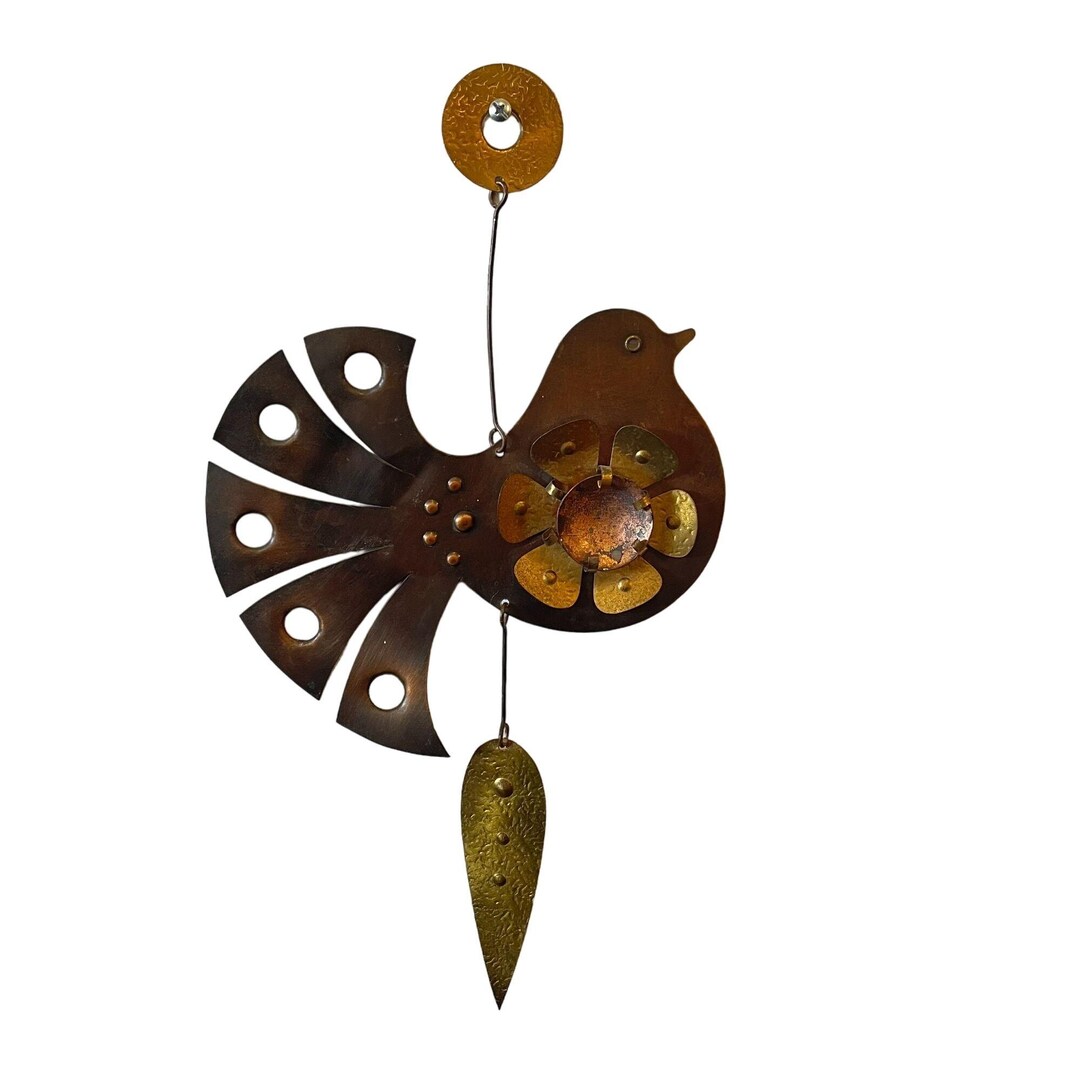
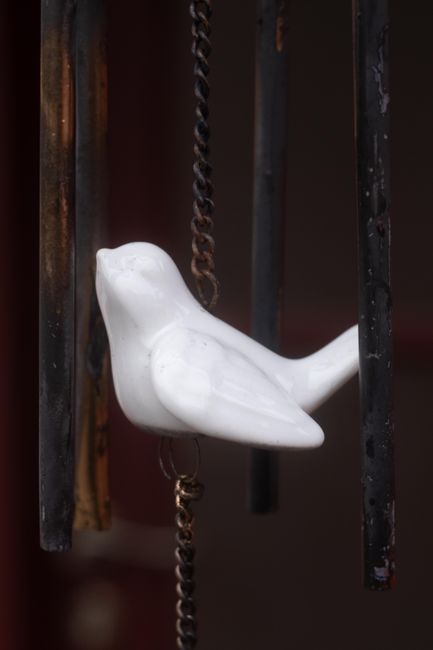
The materials used in the creation of vintage-inspired hanging birds are pivotal to their aesthetic and tactile qualities. Tin and metal are perhaps the most prevalent, offering a classic, somewhat rustic feel. Often hand-painted with intricate details and finished with a subtle patina, tin birds possess a charming, slightly weathered look that speaks to their vintage inspiration. These are frequently embossed or hammered, adding textural depth and a sense of artisanal craftsmanship. Metal, in general, allows for a wide range of forms, from delicate filigree to more robust, sculptural shapes. Copper, brass, and wrought iron also find their way into these designs, each lending a distinct character. Copper, with its warm, reddish hue, can develop a beautiful verdigris patina over time, enhancing its vintage appeal. Brass offers a lustrous gleam that can be polished to a high shine or allowed to age gracefully. Wrought iron, with its inherent strength, lends itself to more robust and often darker designs, perfect for outdoor or industrial-inspired settings. Ceramic and porcelain also feature prominently, offering a smooth, refined finish that can be glazed in a multitude of colors. Vintage-inspired ceramic birds often boast hand-painted motifs, delicate floral patterns, or even subtle crackle glazes that mimic the imperfections of age. Glass, particularly stained glass or blown glass, provides a luminous and ethereal quality. Hanging birds crafted from these materials catch the light beautifully, casting colorful reflections and adding a touch of stained-glass artistry to windows or sunlit corners. Each material contributes a unique sensory experience, from the cool smoothness of ceramic to the subtle weight and metallic sheen of tin, all contributing to the overall vintage charm.
The stylistic diversity of vintage-inspired hanging birds is vast, catering to a wide array of tastes and decor preferences. One prominent style draws heavily from the whimsical and playful aesthetic of children’s illustrations and toys from the mid-20th century. These often feature bright, cheerful colors, rounded forms, and a slightly naive charm. Think of cheerful robins, plump sparrows, or stylized songbirds rendered in bold hues. Another significant category embraces the elegance of Art Nouveau and Art Deco. These designs are characterized by flowing, organic lines, often incorporating geometric patterns or stylized floral elements. Metalwork is particularly prominent here, with intricate detailing and a sophisticated, often metallic finish. Japanese and Asian-inspired designs also offer a unique vintage perspective, frequently featuring cranes, swallows, or peacocks rendered with delicate brushstrokes and subtle, natural color palettes. These pieces often evoke a sense of tranquility and mindfulness. Farmhouse and rustic styles are also well-represented, featuring birds crafted from distressed wood, tin with a weathered patina, or even repurposed materials. These often depict common garden birds like bluebirds, wrens, or finches, exuding a sense of simple, unpretentious beauty. For those with a penchant for the more ornate, Victorian-inspired designs can be found, often featuring intricate detailing, gilded elements, and a more formal, sophisticated aesthetic. These might depict exotic birds or be adorned with decorative flourishes. The sheer variety ensures that there is a vintage-inspired hanging bird to suit every personality and every corner of the home, each carrying its own unique narrative and aesthetic.
The applications of vintage-inspired hanging birds in home decor are remarkably versatile, allowing for creative expression in virtually any room. In living spaces, they can add a touch of personality to a bookshelf, hang gracefully from a ceiling fan to create gentle movement, or adorn the branches of a decorative tree. A cluster of these birds can create a charming focal point on a blank wall, drawing the eye and adding visual interest. In kitchens, they can bring a cheerful, rustic charm to open shelving or cabinet doors. Imagine a row of tin sparrows adorning a window sill above the sink, catching the morning light. Bedrooms can benefit from the soft, whimsical presence of these decorative avian friends. Hanging a delicate bird mobile above a crib or beside a reading chair can create a serene and inviting atmosphere. For a more bohemian or eclectic vibe, mix and match different styles and sizes of hanging birds, creating a curated collection that tells a personal story. They can also be incorporated into more formal settings, adding an unexpected touch of character and warmth. Consider a single, elegant metal bird hanging in an entryway or above a console table to greet guests with a subtle statement. Their adaptability extends beyond interior spaces. Many vintage-inspired hanging birds are crafted from weather-resistant materials and can be used to adorn patios, balconies, or garden areas, bringing their unique charm to outdoor living spaces. They can be hung from tree branches, pergolas, or garden fences, adding a whimsical touch to the natural landscape. Their ability to sway gently in the breeze makes them particularly captivating in outdoor settings, where they can mimic the natural movement of their living counterparts.
Selecting the perfect vintage-inspired hanging bird involves considering several factors to ensure it complements your existing decor and personal style. Firstly, consider the material. Tin and metal often lend themselves to a more rustic or industrial aesthetic, while ceramic and glass can offer a more delicate or refined feel. Think about the color palette of the room where the bird will be placed. Do you want it to blend in or stand out as a statement piece? Opt for colors that harmonize with your existing furnishings or choose a vibrant hue that adds a pop of color. The size of the bird is also crucial. A tiny, delicate bird might be perfect for a small nook or shelf, while a larger, more prominent piece can serve as a striking focal point. Consider the style of the bird itself. Does it lean towards whimsical and playful, elegant and art deco, or simple and rustic? Match the style of the bird to the overall aesthetic of your home. If you are collecting multiple birds, think about how they will look together. A curated collection of similar styles or a deliberate mix of contrasting yet complementary designs can create a visually appealing display. When purchasing, look for well-made pieces that exhibit attention to detail. Signs of quality craftsmanship, such as even paint application, secure fastenings, and smooth finishes, indicate a piece that will be both beautiful and durable. For true vintage finds, be prepared for minor imperfections, as these often contribute to their authentic charm, but ensure there are no significant damages that would detract from their beauty.
Caring for vintage-inspired hanging birds, especially those made from delicate materials, is essential to preserve their beauty and longevity. For tin and metal birds, a gentle dusting with a soft, dry cloth is usually sufficient to remove any accumulated dust. Avoid using harsh chemicals or abrasive cleaners, as these can damage the painted finish or create scratches. If a patina is desired on brass or copper elements, allow them to age naturally. If you prefer to maintain a polished finish, use a specialized metal polish designed for the specific metal, applying it sparingly with a soft cloth. For ceramic and porcelain birds, dusting with a soft brush or a slightly damp cloth is recommended. Be cautious when wiping, as delicate glazes or hand-painted details can be susceptible to scratching or chipping. For glass or stained-glass birds, a soft cloth and a mild glass cleaner can be used. Ensure that any cleaning solution is applied to the cloth, not directly to the ornament, to avoid potential damage to any metal framing or painted elements. For all hanging birds, it is important to place them in areas where they are less likely to be bumped or knocked over, especially if they are in high-traffic areas or near children or pets. For outdoor use, ensure that the materials are weather-resistant and consider bringing them indoors during extreme weather conditions to prevent rust, corrosion, or breakage. Proper care ensures that these charming vintage-inspired pieces will continue to bring joy and a touch of nostalgic beauty to your home for years to come. Their enduring appeal lies not only in their aesthetic but also in the care and attention they receive, allowing their timeless charm to be appreciated across generations. The act of gentle dusting and occasional polishing can become a small ritual, a moment to reconnect with the piece and appreciate its unique story.

