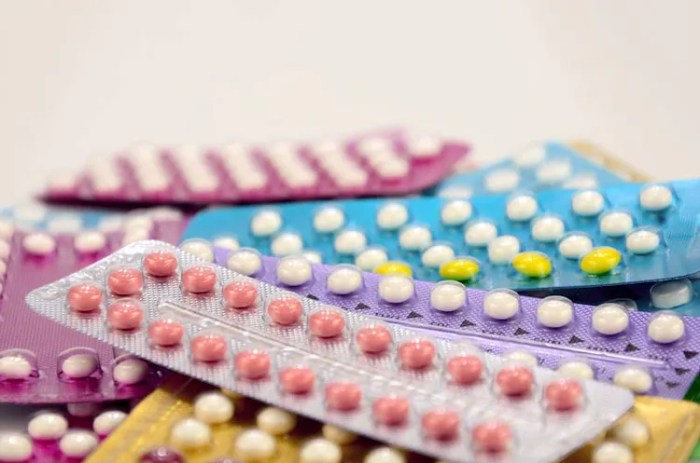
SOGC advocates for universal access to contraceptives on World Contraception Day, a crucial call to action that emphasizes the importance of reproductive health and rights for all. This year’s theme underscores the urgent need to address the global impact of limited access to contraceptives, which disproportionately affects women and communities in low-income countries.
The lack of access not only hinders individual well-being but also has profound societal implications, impacting economic development, education, and gender equality.
Contraception empowers individuals to make informed decisions about their reproductive health, enabling them to plan their families, pursue educational and professional opportunities, and contribute to a more equitable and sustainable future. Statistics consistently highlight the positive correlation between contraceptive use and improved health outcomes, reduced maternal mortality rates, and increased economic opportunities for women.
The benefits extend beyond the individual, fostering healthier families, stronger communities, and more resilient societies.
The Significance of Universal Access to Contraceptives: Sogc Advocates For Universal Access To Contraceptives On World Contraception Day
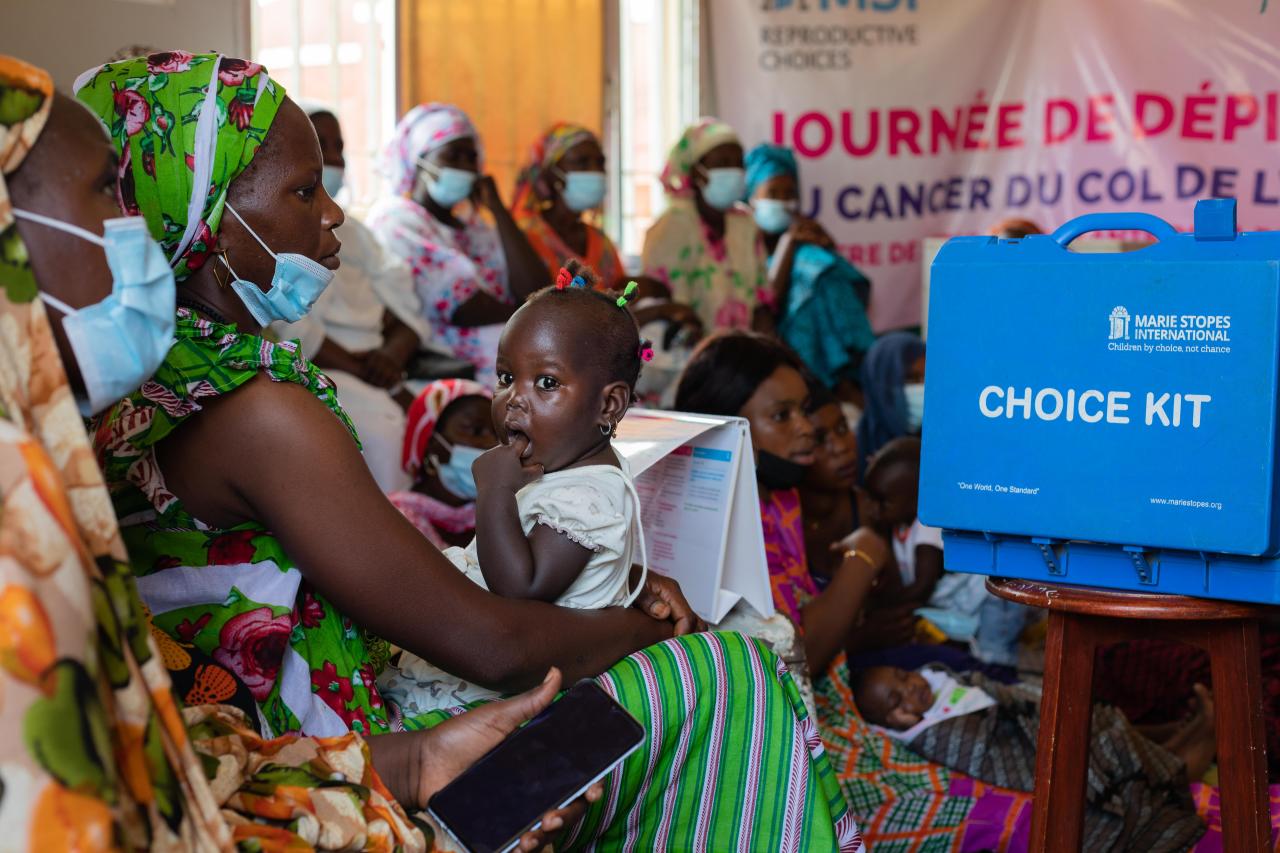
Contraceptives are essential tools for promoting reproductive health, empowering individuals, and fostering sustainable development. While significant progress has been made in expanding access to contraceptives globally, millions of people still lack access to the information and resources they need to make informed decisions about their reproductive health.
This lack of access has profound consequences for individuals, communities, and societies worldwide.
The Global Impact of Limited Access to Contraceptives
Limited access to contraceptives has a wide-ranging impact on individuals, families, and societies. For example, unintended pregnancies are a major concern in many parts of the world, particularly in developing countries. According to the United Nations Population Fund (UNFPA), an estimated 214 million women in developing countries have an unmet need for modern contraceptives.
It’s World Contraception Day, and SOGC is advocating for universal access to contraceptives, empowering individuals to make informed choices about their reproductive health. While we champion these vital rights, it’s also a good time to treat yourself! Check out the exciting new offers now live at Allies of Skin UK – a perfect way to celebrate taking control of your well-being, both inside and out.
Remember, advocating for reproductive rights and prioritizing self-care go hand-in-hand!
This unmet need contributes to a range of challenges, including:
- Increased maternal mortality:Unintended pregnancies are a leading cause of maternal mortality, especially in low-income countries. When women lack access to contraceptives, they are more likely to experience complications during pregnancy and childbirth. According to the World Health Organization (WHO), an estimated 295,000 women died from preventable causes related to pregnancy and childbirth in 2020.
It’s World Contraception Day, and SOGC advocates for universal access to contraceptives, reminding us of the importance of bodily autonomy and reproductive health. Taking care of ourselves is essential, and I’ve been loving these three beauty products lately – you can check them out on my recent blog post, 3 beauty products I am loving.
Supporting universal access to contraceptives is a critical step towards empowering individuals to make informed choices about their health and wellbeing, and it’s something we should all champion.
- Higher rates of infant and child mortality:Unintended pregnancies can also lead to higher rates of infant and child mortality. When women are not prepared for pregnancy, they may be less likely to receive adequate prenatal care and may be more likely to deliver their babies prematurely or with low birth weight.
- Economic hardship:Unintended pregnancies can have significant economic consequences for individuals, families, and communities. The cost of raising a child can be substantial, and unplanned pregnancies can put a strain on household budgets, particularly in low-income families. This can limit opportunities for education, employment, and economic advancement.
It’s World Contraception Day, and SOGC is advocating for universal access to contraceptives, a vital step towards reproductive health equity. But as we celebrate this progress, it’s worth considering how social media platforms like Instagram are evolving, and whether they’re truly facilitating positive change.
Has Instagram come full circle , or is it still a force for good in promoting awareness and access to essential healthcare resources like contraception?
- Limited educational opportunities:Unintended pregnancies can also lead to limited educational opportunities for women and girls. In many countries, teenage pregnancies are a major factor contributing to school dropout rates, particularly for girls. This can have long-term consequences for their future economic prospects and social mobility.
- Increased risk of sexually transmitted infections (STIs):Lack of access to contraceptives can also increase the risk of sexually transmitted infections (STIs), including HIV/AIDS. When individuals lack access to condoms and other forms of contraception, they are more likely to engage in unprotected sex, which increases the risk of STI transmission.
The Connection Between Access to Contraceptives and Women’s Empowerment
Access to contraceptives is a fundamental human right and a critical component of women’s empowerment. When women have access to contraceptives, they are able to:
- Control their fertility:Contraceptives allow women to make informed decisions about when and if they want to have children, giving them greater control over their reproductive lives.
- Pursue education and employment:By delaying childbearing, women can pursue education and employment opportunities, leading to increased economic independence and social mobility.
- Improve their health and well-being:Access to contraceptives can help women prevent unintended pregnancies and reduce their risk of complications during pregnancy and childbirth, improving their overall health and well-being.
- Participate fully in society:Women who have control over their fertility are better able to participate fully in society and contribute to their communities. They are more likely to have a voice in decision-making processes and to advocate for their own rights and interests.
The Benefits of Contraceptive Use
Studies have shown that contraceptive use has significant benefits for individuals and societies. These benefits include:
- Reduced maternal mortality:Contraceptive use is a key factor in reducing maternal mortality rates. According to the WHO, contraceptive use can reduce maternal mortality by up to 40%.
- Improved child health and survival:Contraceptive use can also lead to improved child health and survival. When women are able to space their pregnancies, their children are more likely to be born healthy and to survive infancy and childhood.
- Increased economic opportunities:Contraceptive use can also lead to increased economic opportunities for women and families. By delaying childbearing, women can pursue education and employment, leading to greater economic independence and empowerment.
- Reduced population growth:Contraceptive use can also contribute to slower population growth, which can help to reduce pressure on resources and improve environmental sustainability.
SOGC’s Advocacy Efforts
The Society of Obstetricians and Gynaecologists of Canada (SOGC) is a leading advocate for universal access to contraceptives, recognizing its crucial role in empowering individuals to make informed decisions about their reproductive health and well-being. The SOGC actively works to ensure that all Canadians have access to a full range of contraceptive methods, regardless of their socioeconomic status, geographic location, or personal circumstances.The SOGC’s advocacy efforts are guided by its commitment to promoting reproductive health equity and ensuring that all individuals have the right to control their fertility and plan their families.
SOGC’s Position on Universal Access to Contraceptives
The SOGC firmly believes that universal access to contraceptives is essential for achieving reproductive health equity and promoting the well-being of individuals and communities. The organization advocates for policies and programs that remove barriers to contraceptive access, including:
- Financial barriers: The SOGC supports the removal of financial barriers to contraceptive access by advocating for government-funded contraceptive programs and ensuring that insurance plans cover the full cost of contraceptives.
- Geographic barriers: The SOGC recognizes that access to contraceptives can be limited in rural and remote areas. The organization advocates for increased funding for mobile clinics and telemedicine services to expand access to contraceptive care in underserved communities.
- Social and cultural barriers: The SOGC acknowledges that social and cultural factors can hinder access to contraceptives. The organization works to address these barriers by promoting comprehensive sexual education, reducing stigma surrounding contraception, and supporting culturally sensitive contraceptive services.
SOGC’s Initiatives and Programs, Sogc advocates for universal access to contraceptives on world contraception day
The SOGC actively engages in various initiatives and programs to expand access to contraceptives in Canada. These include:
- Developing clinical practice guidelines: The SOGC develops evidence-based clinical practice guidelines for the provision of contraceptive care, ensuring that healthcare providers have access to the latest information and best practices.
- Advocating for policy changes: The SOGC advocates for policy changes that promote universal access to contraceptives, including advocating for increased funding for contraceptive programs and removing restrictions on access to specific contraceptive methods.
- Public education campaigns: The SOGC conducts public education campaigns to raise awareness about the importance of contraception and to dispel myths and misconceptions surrounding contraceptive methods.
- Collaborating with other organizations: The SOGC collaborates with other organizations, including government agencies, non-profit organizations, and community groups, to expand access to contraceptives and promote reproductive health equity.
Effectiveness of SOGC’s Advocacy Efforts
The SOGC’s advocacy efforts have had a significant impact on expanding access to contraceptives in Canada. The organization has played a key role in:
- Increasing government funding for contraceptive programs: The SOGC’s advocacy has led to increased government funding for contraceptive programs, making contraceptives more affordable for Canadians.
- Removing restrictions on access to specific contraceptive methods: The SOGC has successfully advocated for the removal of restrictions on access to specific contraceptive methods, such as emergency contraception.
- Promoting comprehensive sexual education: The SOGC’s advocacy has contributed to the implementation of comprehensive sexual education programs in schools, providing young people with the information they need to make informed decisions about their sexual and reproductive health.
Challenges to Achieving Universal Access
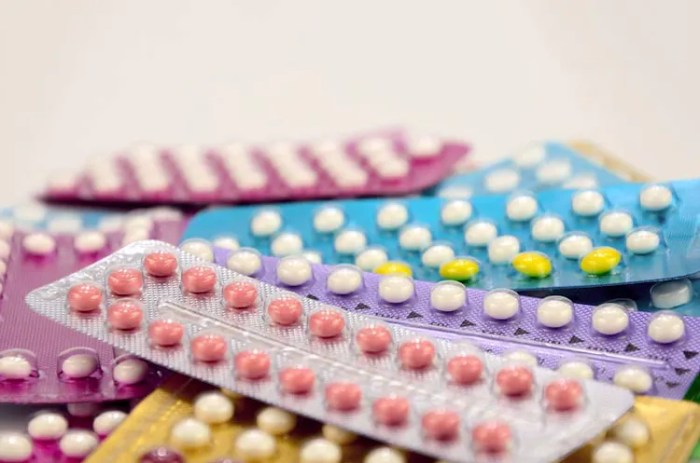
Despite the immense progress in contraceptive technology and knowledge, achieving universal access to contraceptives remains a formidable challenge. Numerous obstacles, ranging from cultural and societal norms to economic disparities, impede the widespread availability and utilization of contraception.
Barriers to Access in Different Regions
- Limited Availability:In many low- and middle-income countries, contraceptives are often scarce, especially in rural areas. Poor infrastructure, inadequate supply chains, and insufficient funding contribute to this shortage. This situation is exacerbated by a lack of trained healthcare providers and limited access to essential services, such as family planning clinics.
- Cost:The cost of contraceptives can be a significant barrier for individuals and families, especially in low-income settings. Even when contraceptives are available, they may be unaffordable for many, leading to unmet needs. In some regions, cost is compounded by the lack of health insurance coverage for contraceptives, forcing individuals to pay out of pocket.
- Legal Restrictions:In certain countries, legal restrictions on contraceptive access, particularly for young people, unmarried individuals, and those in specific religious communities, can pose significant obstacles. Such restrictions may be based on religious beliefs, cultural norms, or government policies.
- Lack of Information and Education:A lack of comprehensive and accurate information about contraceptives, including their benefits, risks, and methods, can lead to misconceptions and hinder informed decision-making. Limited access to sexual and reproductive health education further contributes to this challenge, particularly in regions with conservative cultural norms.
Cultural and Societal Norms
Cultural and societal norms play a significant role in shaping attitudes towards contraception and influencing access. In some communities, contraception is viewed as taboo, immoral, or even against religious beliefs. Traditional gender roles, cultural expectations, and societal pressures can also limit women’s autonomy and control over their reproductive health.
These factors can contribute to a lack of demand for contraceptives and hinder their uptake.
“Cultural and societal norms can be powerful forces that influence access to contraceptives. They can create barriers to information, decision-making, and ultimately, access to services.”
Economic Disparities
Economic disparities exacerbate the challenges to contraceptive access, creating a vicious cycle of poverty and unmet needs. Individuals and families living in poverty often lack access to essential services, including healthcare and education, which are crucial for informed decision-making about contraception.
Furthermore, limited economic opportunities and financial constraints can hinder individuals from seeking and utilizing contraceptives, perpetuating a cycle of poverty and high fertility rates.
The Role of Technology in Expanding Access
Technology has emerged as a powerful tool in the pursuit of universal access to contraceptives, offering innovative solutions to overcome traditional barriers and empower individuals with greater control over their reproductive health. By leveraging digital platforms and mobile health applications, we can create a more equitable and accessible contraceptive landscape.
Telehealth and Digital Platforms
Telehealth platforms, encompassing video conferencing and online consultations, have the potential to bridge geographical gaps and increase access to contraceptive services, especially in underserved areas. These platforms allow individuals to connect with healthcare providers remotely, receiving advice, prescriptions, and even contraceptive supplies without the need for physical visits.
- A study conducted in rural Kenya found that telehealth services for family planning increased contraceptive use among women by 15% compared to traditional methods.
- In the United States, online platforms like Nurx and Planned Parenthood Direct provide access to a wide range of contraceptives, including emergency contraception and hormonal methods, through convenient online consultations and home delivery.
Mobile Health Applications
Mobile health (mHealth) applications are revolutionizing contraceptive access by providing information, education, and support through smartphones and other mobile devices. These apps can offer personalized guidance on contraceptive methods, appointment reminders, and access to reliable health information.
- The “My Family Planning” app, developed by the United Nations Population Fund (UNFPA), provides users with information on various contraceptive methods, calculates their fertile window, and connects them with local healthcare providers.
- The “Bedsider” app, created by the non-profit organization Bedsider, offers personalized contraceptive guidance, tracks menstrual cycles, and provides access to a supportive online community.
Ethical Considerations and Challenges
While technology offers immense potential for expanding contraceptive access, it’s crucial to address the ethical considerations and challenges associated with these solutions.
- Data Privacy and Security: Ensuring the confidentiality and security of sensitive health data collected through digital platforms is paramount. Robust security measures and adherence to privacy regulations are essential to protect user information.
- Digital Divide: Access to technology remains uneven, particularly in low-income and rural communities. Bridging the digital divide is crucial to ensure equitable access to technology-driven contraceptive services.
- Informed Consent and User Empowerment: It’s vital to ensure that users understand the information provided through digital platforms and have the autonomy to make informed decisions about their contraceptive choices.
Sustainable Solutions for Universal Access
The goal of universal access to contraceptives is a complex one, requiring a multi-faceted approach to ensure its sustainability. This involves a combination of long-term strategies, robust government policies, and collaborative efforts among various stakeholders.
Government Policies and Investments
Government policies play a crucial role in ensuring universal access to contraceptives. Governments should prioritize reproductive healthcare by allocating sufficient resources and enacting policies that promote access to a wide range of contraceptive methods.
- Increased Funding:Governments should increase funding for family planning programs, including contraceptive procurement, training for healthcare providers, and community outreach initiatives.
- Removing Barriers:Governments should remove barriers to access, such as age restrictions, parental consent requirements, and cost-sharing mechanisms.
- Comprehensive Sexual Education:Implementing comprehensive sexuality education programs in schools and communities can empower individuals to make informed decisions about their reproductive health.
Partnerships for Sustainable Access
Collaborations between healthcare providers, NGOs, and community organizations are essential for sustainable access to contraceptives. These partnerships can leverage expertise, resources, and reach to address the diverse needs of communities.
- Community-Based Organizations:Community-based organizations are well-positioned to reach marginalized populations and provide culturally sensitive services.
- NGOs:NGOs can contribute expertise in program development, advocacy, and capacity building.
- Healthcare Providers:Healthcare providers play a critical role in providing contraceptive services, counseling, and follow-up care.
Long-Term Strategies for Sustainability
Sustainable access to contraceptives requires a long-term perspective that addresses the underlying social, economic, and cultural factors that contribute to disparities in access.
- Empowering Women:Investing in women’s education, economic opportunities, and leadership roles can empower them to make informed decisions about their reproductive health.
- Addressing Gender Inequality:Tackling gender inequality, including harmful gender norms, can promote women’s autonomy and control over their bodies.
- Strengthening Health Systems:Investing in robust health systems, including training for healthcare providers, improving infrastructure, and ensuring equitable distribution of resources, is essential for providing quality contraceptive services.
World Contraception Day
World Contraception Day, observed annually on September 26th, is a global platform to raise awareness about family planning and the importance of access to safe and effective contraceptive methods. It’s a day to celebrate the power of choice and empower individuals to make informed decisions about their reproductive health.
Raising Awareness
World Contraception Day presents a unique opportunity to educate and engage the public about the various benefits of family planning. This day can be used to dispel myths and misconceptions surrounding contraception, promote open dialogue about reproductive health, and advocate for universal access to contraceptive services.
Campaign Strategies
A successful campaign for World Contraception Day should focus on:
- Engaging social media platforms:Utilizing hashtags like #WorldContraceptionDay, #FamilyPlanning, and #ReproductiveRights can amplify the message and reach a wider audience. Engaging social media influencers can further broaden the reach and create impactful conversations.
- Organizing public events:Hosting workshops, seminars, and community gatherings can provide a platform for sharing information, discussing concerns, and promoting open dialogue about contraception.
- Collaborating with media outlets:Partnering with local newspapers, radio stations, and online platforms can help disseminate information about World Contraception Day and its significance.
- Creating educational materials:Developing informative brochures, flyers, and online resources can provide comprehensive information about different contraceptive methods, their benefits, and how to access them.
Successful Initiatives
Several organizations and initiatives have successfully used World Contraception Day to promote contraceptive access and raise awareness:
- The United Nations Population Fund (UNFPA):UNFPA has consistently launched campaigns on World Contraception Day, highlighting the importance of family planning and advocating for universal access to contraceptives. They utilize social media platforms, engage with influential figures, and partner with other organizations to amplify their message.
- Marie Stopes International (MSI):MSI has implemented numerous programs and campaigns on World Contraception Day, focusing on providing access to safe and affordable contraceptives in low- and middle-income countries. Their initiatives often involve community outreach, mobile clinics, and training programs for healthcare providers.
- The International Planned Parenthood Federation (IPPF):IPPF has a long history of advocating for reproductive rights and access to contraceptives. On World Contraception Day, they organize events, conduct advocacy campaigns, and raise awareness about the importance of empowering individuals to make informed choices about their reproductive health.