
SOGC Champions Universal Contraceptive Access on World Contraception Day: A Public Health Imperative
On World Contraception Day, the Society of Obstetricians and Gynaecologists of Canada (SOGC) reiterates its unwavering commitment to advocating for universal access to a full spectrum of contraceptive methods. This advocacy is not merely a matter of reproductive choice; it is a fundamental public health imperative, intricately linked to improved maternal and child health outcomes, economic empowerment, and the overall well-being of individuals and communities. Universal access means that every person, regardless of their socioeconomic status, geographic location, age, gender identity, or immigration status, can obtain the contraceptive method of their choice safely, affordably, and without coercion. This article will delve into the multifaceted benefits of universal contraceptive access, the current barriers to achieving it, and the SOGC’s strategic approaches to advancing this critical public health goal.
The cornerstone of SOGC’s advocacy for universal contraceptive access lies in its profound impact on reproductive health and justice. Unintended pregnancies can have significant consequences, including increased rates of maternal mortality and morbidity, unsafe abortions, and poorer educational and economic opportunities for individuals and families. When individuals have the autonomy and means to plan their pregnancies, they are better equipped to make informed decisions about their bodies, their futures, and their families. This autonomy is intrinsically linked to gender equality, as the ability to control one’s reproductive life is essential for full participation in social, economic, and political spheres. Universal access to contraception empowers individuals, particularly women and marginalized genders, to pursue education, careers, and personal aspirations, thereby fostering greater equity and reducing cycles of poverty.
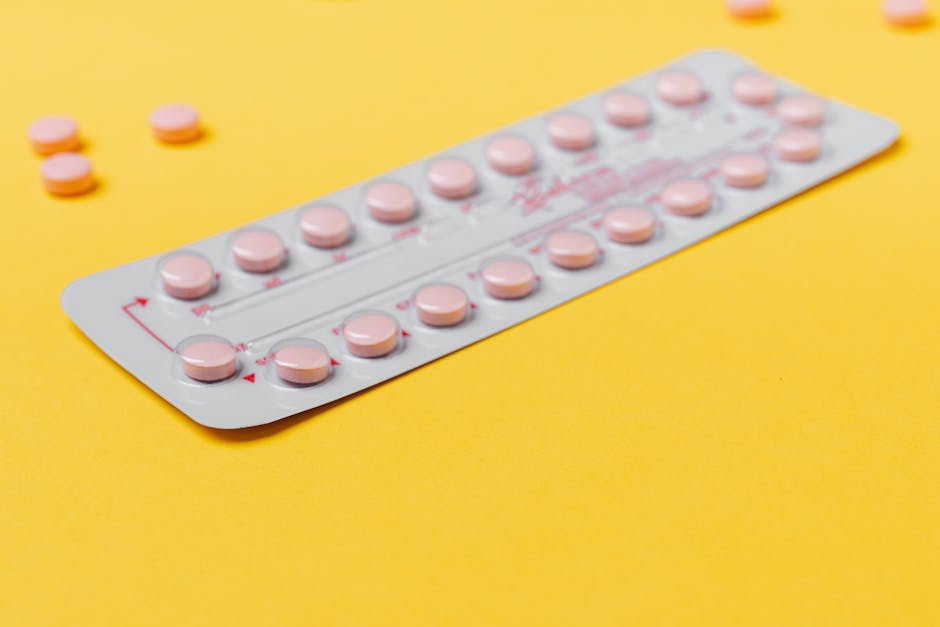
Furthermore, the availability of a diverse range of contraceptive methods is crucial. No single method is suitable for everyone, and individual needs and preferences vary based on medical history, lifestyle, relationship status, and personal values. SOGC champions access to a comprehensive range of options, including but not limited to: hormonal contraceptives (pills, patches, rings, injections), long-acting reversible contraceptives (LARCs) such as intrauterine devices (IUDs) and implants, barrier methods (condoms), and permanent sterilization. LARCs, in particular, are highly effective, require minimal user effort once inserted, and are ideal for individuals seeking long-term pregnancy prevention. Their widespread availability and uptake can significantly reduce unintended pregnancy rates and associated health complications.
The economic benefits of universal contraceptive access are substantial and far-reaching. Investing in contraception is a highly cost-effective public health strategy. Studies consistently demonstrate that for every dollar invested in family planning and contraception, there are significant savings in healthcare costs associated with unintended pregnancies, births, and abortions. These savings can be redirected to other essential public health services. Moreover, enabling individuals to control their fertility allows them to plan their families, which can lead to improved household financial stability, increased educational attainment for children, and greater participation in the workforce. This, in turn, contributes to a more robust economy and a more prosperous society.
Despite the clear benefits, significant barriers persist in achieving universal contraceptive access in Canada and globally. One of the most prominent barriers is cost and accessibility. While some contraceptive methods are covered by provincial and territorial drug plans, many are not, or the coverage is insufficient, leaving individuals to bear significant out-of-pocket expenses. This financial burden disproportionately affects low-income individuals, students, newcomers, and those without employer-sponsored health benefits. Geographic barriers also play a role, particularly in rural and remote areas where access to healthcare providers and pharmacies may be limited. This geographical disparity often exacerbates existing inequities.
Another critical barrier is the lack of comprehensive sexual and reproductive health education and accurate information. Many individuals, especially young people, may lack the knowledge and understanding of available contraceptive methods, their effectiveness, and how to access them. Stigma and misinformation surrounding contraception, particularly certain methods, can also deter individuals from seeking or using them. Healthcare provider bias or insufficient training in providing a full range of contraceptive counseling and services can also limit access. Implicit bias and judgment can create unwelcoming environments, discouraging individuals from discussing their reproductive health needs openly and honestly.
The SOGC employs a multi-pronged approach to advocate for universal contraceptive access. Firstly, policy advocacy is central to their strategy. This involves actively engaging with policymakers at federal, provincial, and territorial levels to champion legislation and policies that expand access to all contraceptive methods. This includes advocating for universal public drug coverage for all prescription contraceptives, ensuring that cost is no longer a barrier. They also work to promote policies that support comprehensive sexual and reproductive health education in schools and communities, empowering individuals with the knowledge to make informed choices.
Secondly, SOGC focuses on provider education and training. They develop and disseminate clinical guidelines and educational resources for healthcare professionals, ensuring they are equipped to offer comprehensive contraceptive counseling, including discussions on all available methods, their benefits, risks, and effectiveness. This training emphasizes a patient-centred approach, respecting individual autonomy and preferences, and addressing potential biases. By improving the skills and knowledge of healthcare providers, SOGC aims to create a more supportive and effective healthcare system for individuals seeking contraception.
Thirdly, SOGC is committed to raising public awareness and reducing stigma. Through public health campaigns, educational materials, and media engagement, they strive to normalize conversations about contraception and sexual health. They aim to dispel myths and misinformation, promoting accurate and evidence-based information about contraceptive methods. By fostering a more open and supportive societal dialogue, SOGC seeks to create an environment where individuals feel empowered to access and utilize the contraceptive services they need.
Furthermore, SOGC actively collaborates with other organizations and stakeholders to amplify their advocacy efforts. This includes working with patient advocacy groups, public health organizations, academic institutions, and government agencies to build a united front in promoting universal contraceptive access. These partnerships strengthen their collective voice and enable them to address the complex systemic issues that hinder access more effectively.
The SOGC’s commitment to universal contraceptive access extends to specific populations who often face additional barriers. This includes advocating for enhanced access for youth, who may encounter parental consent restrictions or lack of confidential services. They also champion access for Indigenous communities, recognizing the unique historical and ongoing challenges faced by these populations in accessing culturally safe and appropriate healthcare services. SOGC also advocates for transgender and gender-diverse individuals, ensuring that contraceptive services are inclusive, non-discriminatory, and responsive to their specific healthcare needs.
In conclusion, on World Contraception Day, the SOGC’s fervent advocacy for universal access to all contraceptive methods is a critical call to action for public health and social justice. The evidence is irrefutable: accessible and comprehensive contraception is a cornerstone of individual well-being, gender equality, and societal prosperity. By dismantling financial, geographic, educational, and systemic barriers, and by fostering a culture of open dialogue and non-judgment, Canada can move closer to realizing the vision of universal contraceptive access. The SOGC remains dedicated to this pursuit, recognizing that empowering individuals to control their reproductive lives is an investment in a healthier, more equitable, and more empowered future for all.

